This article explains the hidden costs of working with an unverified sourcing company and contrasts it with verified sourcing. It covers quality, compliance, payment risk, and brand trust, while showing how Looperbuy helps buyers source from China more safely and efficiently.
If you source products from China for B2B resale, the cheapest quote is often the most expensive mistake. An unverified sourcing company can create hidden losses through quality failures, shipment delays, compliance gaps, payment fraud, and long-term brand damage.
In global procurement, the real question is not whether a supplier looks affordable on paper. The real question is whether that supplier can deliver consistently, document compliance properly, and protect your margin after the first shipment.
For buyers who want to reduce inventory pressure, warehousing complexity, and logistics overhead, a verified sourcing model is far safer than gambling on a partner you cannot fully validate.
Table of Contents
Why Verification Matters in Global Sourcing
Verification is the process of confirming that a supplier or sourcing company is legally real, operationally capable, and commercially reliable. It reduces uncertainty across identity, product quality, certification, and payment handling.
Thomson Reuters notes that companies relying on third parties face increasing fraud, sanctions, corruption, and regulatory risk, which is why vendor due diligence and ongoing monitoring are now standard risk controls in modern business operations.
In practical terms, verification protects three things at once:
– Your cash flow.
– Your brand reputation.
– Your ability to scale without repeated disruption.
Unverified sourcing company vs verified sourcing company
| Factor | Unverified sourcing company | Verified sourcing company |
| Legal identity | Often unclear or inconsistent | Confirmed through official records |
| Product quality | Sample may not match mass production | Better process control and inspection |
| Compliance | High certificate and customs risk | Better traceability and documentation |
| Payment security | Higher fraud exposure | Lower risk through entity checks |
| Delivery reliability | More delays and surprises | Clearer process and accountability |
| Total cost | Often higher after hidden losses | Lower long-term operating cost |
The Real Cost Behind a Low Quote
A low quote can be attractive, but it rarely reflects the total cost of sourcing. Buyers often forget to include inspection fees, rework, replacement goods, rush freight, customs problems, and customer refunds.
One supply-chain survey on China sourcing found that many companies underestimated the true cost of quality management and traceability, and that only a minority had full visibility into deeper supplier tiers.
That is why “cheap” sourcing is often just deferred spending. The money comes back later as corrections, disputes, and lost opportunities.
Hidden Cost 1: Quality Failures and Rework
Quality problems are usually the first sign that a sourcing partner was not properly verified. A supplier may provide a good sample, but then switch materials, outsource production, or relax standards during mass production.
That creates a chain reaction:
1. Defective products reach your warehouse or customer.
2. You spend more on inspection, repacking, and rework.
3. Returns and complaints reduce trust.
4. Your profit margin disappears.
For B2B sellers, the damage is worse than a one-time loss. A repeat buyer who loses confidence in your quality may never order again.
Hidden Cost 2: Compliance and Customs Risk
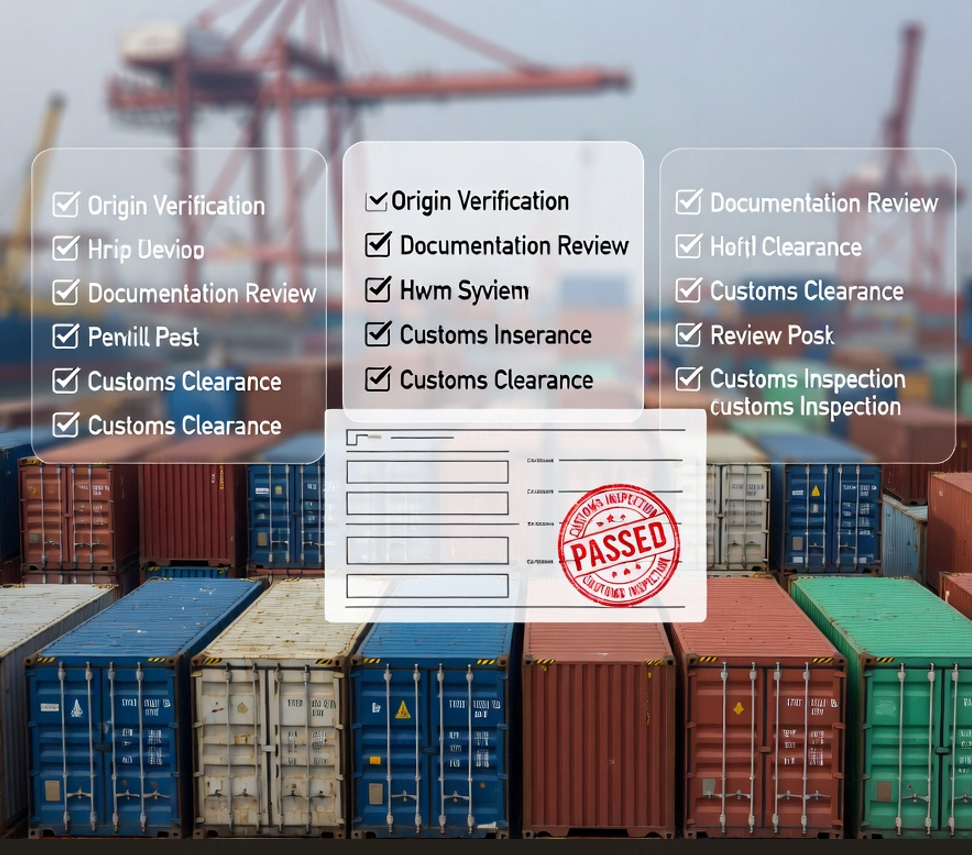
Compliance is where unverified sourcing becomes especially expensive. If the supplier cannot prove origin, material standards, or product certification, your shipment may be delayed, held, fined, or rejected at customs.
Thomson Reuters emphasizes that businesses must validate vendor identity and screen third parties because violations can lead to serious legal and financial consequences.
This is not just a paperwork issue. In regulated product categories, a missing certificate can mean:
– Port storage charges.
– Re-inspection costs.
– Product seizure.
– Lost selling season.
– Reputational damage with import partners.
Hidden Cost 3: Payment Fraud and Contract Risk
Unverified sourcing companies often create risk through poor transparency around legal entities, bank accounts, and contracts. If the invoice name, contract name, and receiving account do not match, the buyer may be exposed to fraud or disputes.
Common red flags include:
– Refusal to show a live factory or office.
– Pressure for quick deposits.
– Suspiciously low pricing.
– Certificates that cannot be verified with the issuer.
– Inconsistent company names across documents.
The safest sourcing process always starts with entity verification before money changes hands. A small delay at onboarding can prevent a major loss later.
Hidden Cost 4: Delays That Break Sales Momentum
Delays are easy to ignore until they destroy your schedule. An unreliable sourcing company can miss shipping dates, mismanage documentation, or fail to coordinate handoffs correctly.
For online sellers and wholesale buyers, timing is part of product value. A delayed shipment can mean:
– Stockouts.
– Missed promotions.
– Late marketplace delivery.
– Higher emergency freight cost.
– Lower customer satisfaction.
In some cases, the lost sales from one delay are larger than the original purchase order value.
Verified Sourcing Lowers Total Landed Cost
A verified sourcing company helps reduce the full cost of ownership, not just the unit price. It improves total landed cost by lowering the chance of defects, claims, shipping corrections, and compliance failures.
Looperbuy’s sourcing model reflects this logic by combining China sourcing, quality inspection, free warehousing, and global fulfillment into one operational flow. That allows merchants to reduce inventory pressure while staying flexible on payment, storage, and logistics.
Verified sourcing helps buyers in five practical ways:
– It reduces defect rates through better screening and inspections.
– It improves production consistency.
– It lowers compliance risk.
– It protects cash flow by reducing emergency spending.
– It supports scalable growth without constant firefighting.
A Practical Vetting Framework for Buyers
If you are evaluating a sourcing company, use a structured due diligence process instead of relying on promises or polished sales pages. Thomson Reuters recommends a risk-based vendor due diligence model with identity checks, screening, and ongoing monitoring.
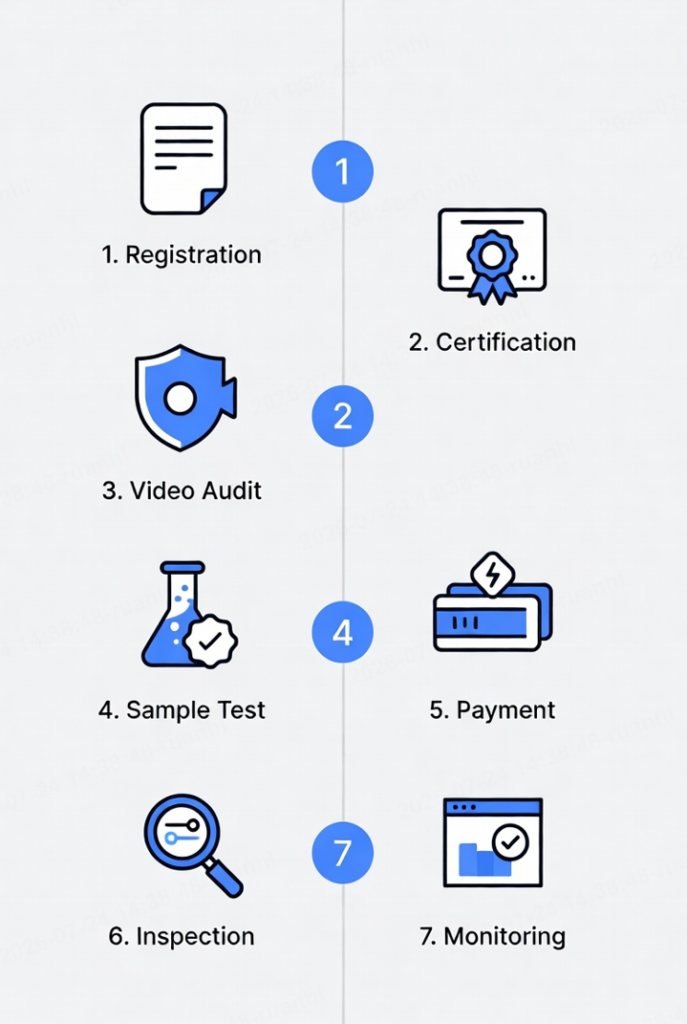
Step-by-step verification process
1. Confirm the legal entity name and registration.
2. Check the office address and communication consistency.
3. Verify certifications with the issuer.
4. Ask for a live video walkthrough.
5. Compare the approved sample with production output.
6. Tie payment milestones to inspection results.
7. Re-evaluate the supplier on repeat orders.
What strong verification looks like
A reliable sourcing company is transparent, responsive, and willing to prove its claims. It should be able to explain who it is, what it controls, how it inspects, and what happens if something goes wrong.
That level of clarity is not extra bureaucracy. It is the foundation of profitable sourcing.
Why Looperbuy Fits a Verification-First Model
Looperbuy is designed for B2B buyers who want reliable China sourcing without the cost of managing every operational detail alone. The platform offers product sourcing, dropshipping, OEM/ODM support, quality inspection, free warehousing, and global fulfillment.
This matters because many buyers do not fail on product idea. They fail on execution. A verification-first sourcing partner reduces the friction between supplier discovery, inspection, storage, and delivery.
For global merchants, that means fewer stock risks, fewer logistics headaches, and more focus on growth.
If your goal is to source from China with less risk and less operational overhead, the next step is to build a verification-first sourcing workflow. Looperbuy can help you reduce hidden sourcing costs while keeping procurement, inspection, warehousing, and fulfillment more manageable.
FAQ
What is an unverified sourcing company?
It is a sourcing company whose legal status, operational capacity, certifications, and reliability have not been properly confirmed through due diligence.
Why is verification important in China sourcing?
It helps prevent fraud, quality failures, customs problems, and payment disputes before they become expensive operational issues.
What is the biggest hidden cost of cheap sourcing?
The biggest hidden cost is usually not the unit price. It is the cost of fixing defects, delays, compliance failures, and lost customers later.
How do I verify a sourcing company?
Check registration, validate certificates, request a live walkthrough, compare samples to production, and use milestone-based payments.
Does verified sourcing cost more?
It may cost more upfront, but it usually lowers the total cost of ownership by reducing avoidable losses across the supply chain.
Can Looperbuy help with sourcing and fulfillment?
Yes. Looperbuy offers sourcing, inspection, warehousing, and fulfillment services designed to reduce inventory pressure and logistics complexity.
References
1. Thomson Reuters. -Verifying vendors and third parties is crucial as sanctions become more widespread. [paperindex]
2. Looperbuy. -B2B China Goods Sourcing E-Platform. [linkedin]
3. Thomson Reuters Legal. -Five best practices for vendor due diligence.[legal.thomsonreuters]
4. Thomson Reuters Legal. -Vendor due diligence: An overview. [legal.thomsonreuters]
5. Strategic Risk. -Firms failing to monitor Chinese suppliers. [strategic-risk-global]
6. Suppliers.PRO. -How to Spot and Avoid B2B Sourcing Scams. [supplierspro]
7. Thomson Reuters. -Practical tips and strategies to manage third party screening.[tax.thomsonreuters.co]
8. Thomson Reuters. -AI Vendor Due Diligence. [reuters]