Discover the top kidswear trends for 2026, from playful prints and cheerful colours to comfortable co-ord sets and practical sourcing checks. Learn how online sellers can source children’s clothing from China, reduce inventory risk, verify product details, and fulfil orders more efficiently with Looperbuy.
Kidswear in 2026 is built around one commercial reality: parents want clothing that looks imaginative, feels comfortable, survives repeated wear, and is easy to understand before purchase. For B2B sellers, the strongest children’s clothing collections combine playful visual identity, practical fabrics, dependable sizing, and verifiable product information.
This guide explores the most relevant kidswear trends for online sellers, including the prints, graphics, colours, silhouettes, fabrics, and sourcing checks that can help retailers build lower-risk, more sellable assortments. It also explains how businesses can source children’s apparel from China with a more flexible, inventory-conscious approach through Looperbuy.
Table of Contents
Why Kidswear Trends Matter for B2B Sellers
Children’s fashion moves differently from adult fashion. A trend can attract attention, but parents and retailers typically make buying decisions based on whether a garment is wearable, washable, seasonally appropriate, competitively priced, and safe for children.
For an online seller, the goal is not to chase every viral print. The stronger approach is to select products that offer a balance of trend relevance and repeatable demand:
– Comfort-first silhouettes that work for school, play, travel, and everyday wear.
– Mix-and-match pieces that encourage multi-item orders.
– Colour stories that support coordinated collection pages and visual merchandising.
– Graphic themes that create personality without relying on unlicensed characters.
– Clear material and sizing details that reduce disputes and returns.
– Small-batch testing opportunities before committing to larger inventory orders.
Animal themes, geometric shapes, retro elements, bright colors, sporty and casual styles, and creative patterns are all enduring needs and important foundations.However, sellers today need to go further: they must translate broad fashion ideas into a commercial product plan, validate supplier claims, and protect cash flow while testing products across markets.
Kidswear Print Trends: Playful, Recognisable and Easy to Merchandise
Animal and Nature-Inspired Prints
Animal motifs remain one of the most adaptable kidswear categories because they work across babies, toddlers, and older children. In 2026, the opportunity is moving beyond generic leopard spots or cartoon faces toward more considered themes:
– Woodland animals such as foxes, bears, rabbits, deer, and owls.
– Marine themes including whales, turtles, fish, coral reefs, and submarines.
– Safari and jungle graphics featuring lions, elephants, giraffes, and tropical birds.
– Botanical artwork that combines leaves, insects, flowers, and animals.
– Educational illustrations such as animal names, habitats, or simple facts.
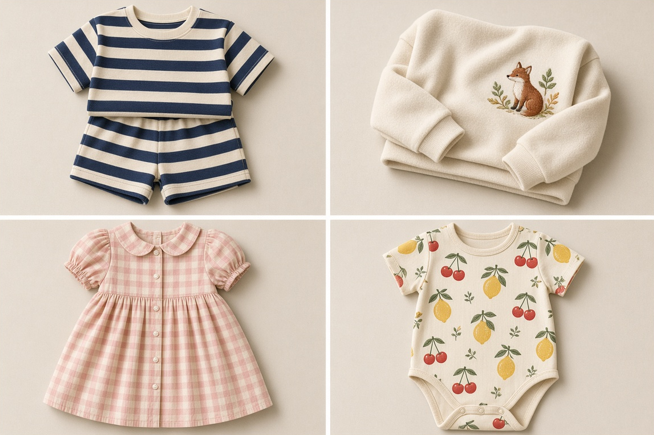
Nature-led designs have strong cross-season potential. A forest-animal sweatshirt, for example, can work during autumn and winter, while a sea-creature T-shirt or lightweight set suits spring and summer.
For product pages, describe the design precisely. “Toddler cotton T-shirt with hand-drawn whale graphic” communicates more value than “cute printed top.” It gives shoppers useful context and helps sellers organise products into meaningful category filters.
Oversized Stripes and Geometric Patterns
Geometric prints continue to offer an efficient way to create bold visual appeal without depending on complex illustrations. Wide stripes, irregular polka dots, colour blocks, checks, abstract shapes, and simple doodles are especially practical for manufacturers because they can be adapted across T-shirts, leggings, dresses, shorts, tracksuits, pyjamas, and outerwear.
The strongest commercial choices are often simple enough to photograph clearly on mobile screens. Consider combinations such as:
| Print direction | Best product types | Commercial advantage |
| Wide stripes | T-shirts, polos, dresses, knitwear | Timeless, easy to coordinate |
| Large polka dots | Dresses, leggings, toddler sets | Playful and highly visible online |
| Colour blocking | Hoodies, jackets, joggers | Creates a sporty, modern look |
| Gingham and checks | Shirts, skirts, rompers, sets | Works for casual and occasionwear |
| Abstract geometric prints | Co-ords, sweatshirts, unisex basics | Offers a contemporary gender-neutral option |
Current kidswear forecasts also point to oversized dots, asymmetrical stripes, abstract colour-block designs, botanical prints, and refreshed gingham as practical pattern directions.
Retro Prints With Modern Styling
Retro-inspired childrenswear is no longer limited to nostalgic slogans. The most useful version of the trend blends familiar references with modern colour, fit, and fabric choices. Think smiley faces, hand-drawn fruit, vintage-style florals, checkerboards, rainbow stripes, patchwork effects, and 1970s-inspired colour blocking.
The key is restraint. A single retro reference—such as a smiley patch, a vintage floral collar, or a contrasting rib trim—usually looks more premium than placing multiple unrelated graphics on one garment.
For B2B sellers, retro collections are ideal for themed merchandising:
– “Weekend Retro Playwear”
– “Mini Explorer Collection”
– “Sunshine Summer Sets”
– “Modern Vintage Babywear”
– “Colour Pop Co-ords”
These collection names help shoppers understand how items fit together, making it easier to sell multiple products in one order.
Graphics That Encourage Imagination Without Creating Licensing Risk
Graphics give children’s clothing personality, but sellers should distinguish between a trend theme and intellectual property. Well-known superheroes, movies, games, and cartoon characters may appear commercially attractive, yet selling apparel with protected artwork without authorization can create serious marketplace, customs, payment, and legal risks.
A safer strategy is to source original, non-infringing graphic concepts inspired by broad interests rather than protected franchises.
Commercial Graphic Themes for 2026
The following categories can work across T-shirts, hoodies, pyjamas, swimwear, backpacks, and accessories:
– Space exploration: planets, rockets, astronauts, satellites, star maps, and nebula-like prints.
– Fantasy worlds: dragons, castles, clouds, magical forests, friendly monsters, and mythical sea creatures.
– Creative hobbies: paint splashes, crayons, musical notes, skateboards, cameras, and craft-inspired doodles.
– Positive messages: simple, age-appropriate phrases such as “Little Explorer,” “Make Today Bright,” or “Wild at Heart.”
– Interactive details: reversible sequins, puff prints, glow accents, thermochromic elements, or tactile embroidery—provided suppliers can demonstrate durability and compliance.
Those themes remain effective because they allow children to express interests while giving parents an easy way to choose clothing with personality.
Product Development Checklist for Printed Kidswear
Before adding a printed garment to your store, ask the supplier for more than a catalogue image. Request:
1. Fabric composition, including the percentage of cotton, polyester, elastane, viscose, or other fibres.
2. Print method, such as screen print, digital print, heat transfer, embroidery, puff print, or sublimation.
3. Wash-test evidence, especially for cracking, fading, peeling, shrinkage, and colour transfer.
4. Close-up photos or video showing print edges, seams, labels, and garment thickness.
5. Originality confirmation for graphics, particularly when the design resembles a recognizable entertainment property.
6. Age-appropriate construction details, including secure trims and the absence of hazardous detachable elements.
A low unit price is not always low risk. A graphic that fades after two washes, peels during delivery, or resembles protected artwork can cost more in refunds, chargebacks, and damaged customer trust than it saves at purchase.
Comfort-First Kidswear Styles With Strong Selling Potential
Relaxed Co-ord Sets and Athleisure
Comfort remains the most reliable design principle in childrenswear. Parents increasingly favour items children can wear independently, move in freely, and layer across changing temperatures. Relaxed fits, elastic waists, soft seams, breathable knits, and practical pockets all add practical value.
The most versatile products include:
– Cotton T-shirt and shorts sets.
– Lightweight sweatshirt and jogger sets.
– Zip-up hoodies with matching trousers.
– Leggings and tunic sets.
– Knit tops with pull-on trousers.
– Sporty dresses with built-in shorts or stretch fabrics.
– Soft pyjama sets with seasonal graphic themes.
Athleisure continues to be a valuable category because it sits between casualwear and activewear. Statistics show that people continue to have a strong interest in products such as jogging pants, hoodies, sports dresses, breathable fabrics, stretch fabrics, and moisture-wicking products.
When evaluating athleisure suppliers, do not rely only on descriptive phrases such as “premium” or “high quality.” Ask for fabric weight, stretch recovery, pilling performance, and measurements across the full size range.
Gender-Neutral Everyday Basics
Gender-neutral basics can reduce assortment complexity while broadening the potential customer base. Colours such as cream, oatmeal, navy, sage, forest green, charcoal, rust, warm brown, and muted blue work well for unisex collections.
Useful core products include:
– Plain cotton tees.
– Ribbed leggings.
– Crewneck sweatshirts.
– Neutral-colour joggers.
– Zip rompers.
– Lightweight utility jackets.
– Cotton pyjamas.
– Matching sibling sets.
These pieces provide stable, repeatable revenue potential, particularly when paired with more expressive seasonal graphics. A smart assortment often uses a 70/30 balance: approximately 70% dependable core basics and 30% trend-led styles or colour drops. The exact ratio will vary by audience and season, but the principle helps limit overexposure to fast-moving designs.
Occasionwear With Everyday Comfort
Parents may buy dresses, shirts, skirts, waistcoats, and formal sets for birthdays, school events, holidays, weddings, and family photography. Yet comfort still matters. The best occasionwear avoids scratchy linings, restrictive waistbands, hard trims, or complicated closures.
Look for:
– Soft cotton linings.
– Adjustable waistbands.
– Stretch panels where appropriate.
– Practical fastenings.
– Easy-care fabrics.
– Layerable cardigans or overshirts.
– Dresses with comfortable movement through the skirt and sleeves.
Kidswear Colour Trends: Build Collections, Not Random SKUs
A successful colour palette should make products easier to combine. Instead of purchasing isolated garments in unrelated colours, build a colour system that supports bundles, cross-sells, and collection pages.
The 2026 Colour Direction
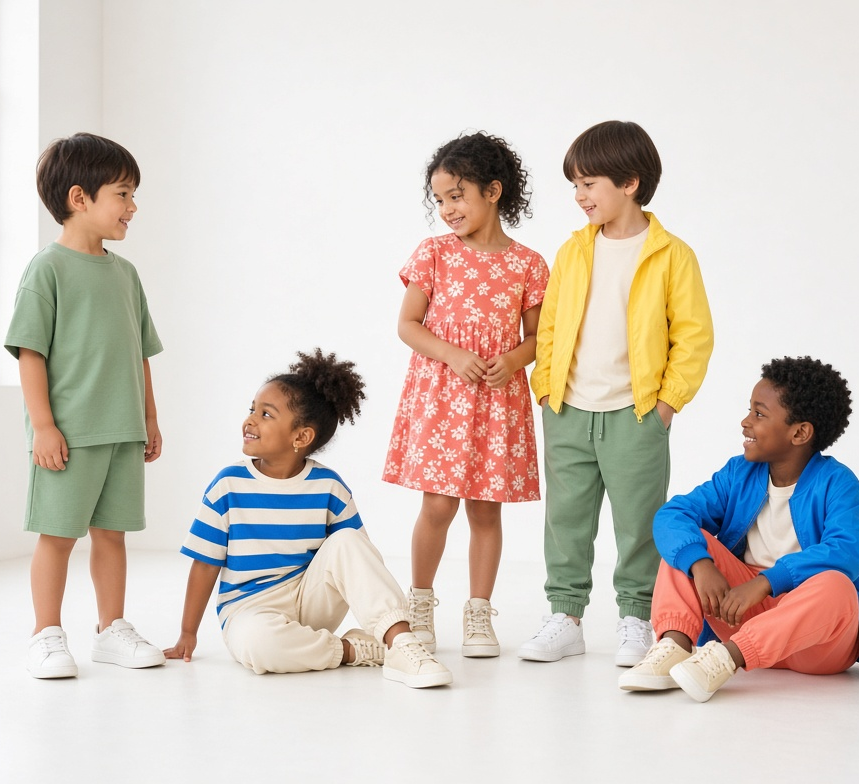
Current market coverage shows a clear contrast between grounded neutral colours and high-energy accents. Earthy shades—such as cream, sage, terracotta, cocoa, olive, and warm beige—remain useful for everyday collections. Brighter accents such as electric blue, sunny yellow, coral, orange, fuchsia, and fresh green add visual energy to photos and seasonal drops.
| Colour family | Examples | Best use |
| Grounded neutrals | Cream, oatmeal, taupe, cocoa, warm beige | Basics, knitwear, unisex collections |
| Nature tones | Sage, olive, moss, forest green, terracotta | Outdoor, autumn, sustainable-looking ranges |
| Bright energy colours | Sunny yellow, coral, orange, electric blue | Summer sets, graphic tees, promotional imagery |
| Soft pastels | Powder blue, blush pink, lavender, mint | Babywear, spring collections, occasionwear |
| Deep anchors | Navy, charcoal, burgundy, deep teal | Outerwear, trousers, school-ready apparel |
How to Use Colour for Better Merchandising
Create a small palette for each launch. For example, a spring capsule might include cream, sage, coral, and electric blue. That allows customers to combine striped tees, shorts, dresses, leggings, and jackets without feeling overwhelmed.
Avoid presenting every colour option in a single initial launch. Too many variants can complicate stock forecasting, product photography, fulfilment, and customer choice. Instead:
1. Start with two to four commercially coherent colours.
2. Review sales by size, colour, and product type.
3. Restock proven colours before expanding the palette.
4. Test new shades through small seasonal drops or pre-order campaigns.
This is especially useful for sellers who want to minimize capital tied up in slow-moving inventory.
Smarter Kidswear Sourcing From China
Finding trend-relevant designs is only one part of sourcing. Children’s apparel is a category where material quality, accurate product information, safety expectations, and consistency matter just as much as design.
What to Verify Before You Buy
Use the following checklist before placing an order or listing a supplier’s product online:
| Sourcing area | What to request | Why it matters |
| Fabric | Fibre composition, GSM, stretch details, fabric swatch | Helps verify comfort, weight, and product claims |
| Sizing | Full measurement chart and grading tolerance | Reduces fit-related returns and disputes |
| Construction | Photos of seams, labels, snaps, zippers, and trims | Reveals workmanship and potential safety issues |
| Colour | Real sample photos or video under neutral light | Avoids misleading catalogue colours |
| Printing | Print method and wash-test results | Helps assess fading, cracking, and peeling risk |
| Packaging | Individual packaging, carton details, labelling options | Supports fulfilment and brand presentation |
| Lead time | Sample, production, inspection, and dispatch timelines | Helps you plan launches realistically |
| Compliance | Relevant test reports and certification details | Supports market-specific due diligence |
For babywear and products intended for very young children, ask particularly detailed questions about textile testing, snaps, buttons, decorative components, cords, and drawstrings.
OEKO-TEX® STANDARD 100 is one commonly recognised textile certification system. It concerns testing for harmful substances and uses particularly strict requirements for Product Class I items intended for babies and toddlers up to 36 months. A certificate claim should be verified rather than accepted solely from a supplier’s image or product description.
Product Information and EU Sales
If you sell textiles into the European Union, textile fibre composition is a core product-information requirement. The fibre label must use the required fibre names and percentages, and online product listings should make the composition available to consumers. Children’s clothing may also require attention to safety-related information and drawstring risks.
This does not mean every seller needs to become a regulatory specialist. It means product listings should be built from supplier evidence rather than assumptions. Keep a central file for each SKU with composition, measurements, supplier contact details, inspection records, photos, test documents, and label information.
A Lower-Inventory Buying Workflow
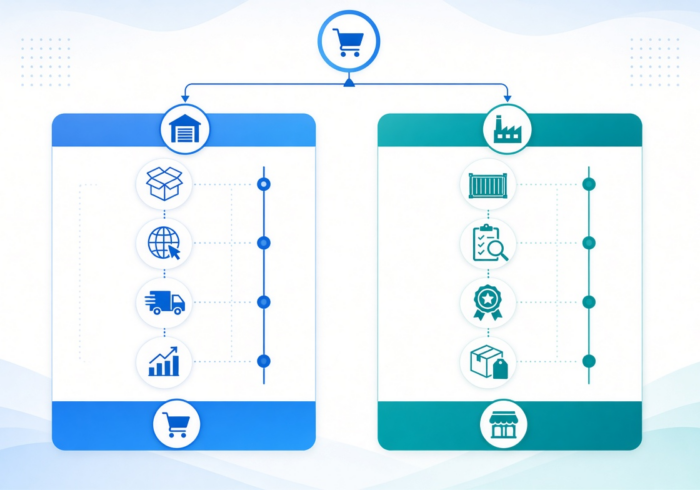
For smaller B2B sellers, dropshippers, and online retailers, purchasing large quantities before demand is proven can turn a promising trend into a cash-flow problem. A more controlled workflow looks like this:
1. Identify a focused product concept, such as “unisex space-themed cotton sets.”
2. Source several comparable options rather than choosing the first attractive catalogue listing.
3. Obtain samples or detailed product verification before launch.
4. Build a limited initial collection with complementary colours and sizes.
5. Test product images, descriptions, and demand through your sales channels.
6. Monitor conversion rate, return reasons, size demand, and repeat purchases.
7. Scale only the variants that show consistent traction.
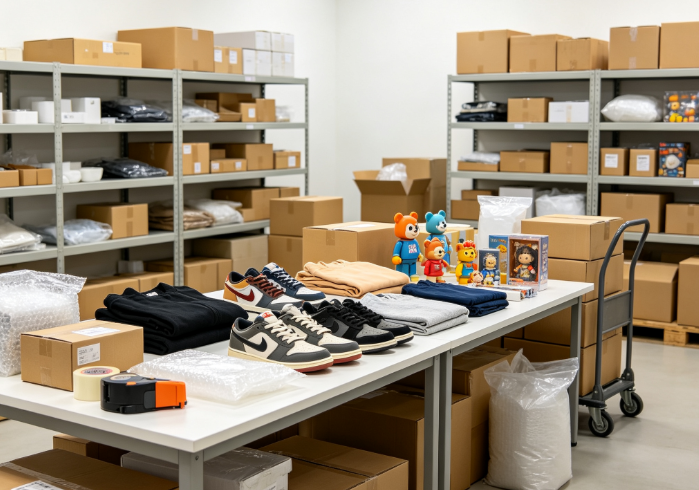
Looperbuy can support this type of sourcing strategy by helping global B2B sellers identify products in China, purchase on their behalf, consolidate goods when needed, and arrange delivery to customers or business destinations. This approach can help merchants avoid holding unnecessary stock, operating their own warehouse, or managing every supplier payment and shipment independently.
How Looperbuy Supports Flexible Kidswear Procurement
For a children’s apparel seller, operational friction often grows quickly: several suppliers, different minimum order quantities, multiple payment steps, inconsistent dispatch schedules, and separate parcels can all create a poor customer experience.
A managed sourcing and fulfilment process can simplify that workflow. With Looperbuy, sellers can focus on product selection, storefront operations, customer acquisition, and merchandising while using a centralized service to support purchasing and shipment coordination.
Practical Uses for Looperbuy
– Source trend-led childrenswear from Chinese suppliers.
– Request product links, alternatives, and basic sourcing support.
– Purchase products without negotiating every payment process individually.
– Consolidate items from multiple suppliers where applicable.
– Arrange quality-focused checks or photo confirmation before dispatch when available.
– Ship products directly to customers or to a business destination.
– Test new collections without immediately committing to large warehouse inventory.
The best results come from clear instructions. Include product links, colour choices, size ranges, quantities, acceptable substitutions, packaging needs, and destination market requirements. The more precise your purchase brief, the easier it is to compare options and prevent avoidable order errors.
Final Takeaway
The most promising kidswear trends for 2026 are not simply about bright colours or novelty prints. They reflect a more balanced model of children’s fashion: expressive graphics, comfortable fits, versatile colour palettes, durable materials, and reliable product information.
For online sellers, build collections around practical themes such as nature, space, retro play, colour-blocked athleisure, and gender-neutral basics. Test demand before scaling. Verify every supplier claim that affects safety, fabric content, fit, or compliance. Then use a flexible sourcing and fulfilment workflow to keep capital focused on products that customers actually want.
Ready to test a children’s clothing collection without taking on unnecessary inventory risk? Use Looperbuy to source China-based kidswear products, organise purchasing, and move orders toward fulfilment with a more streamlined workflow.
Frequently Asked Questions
1. What kidswear prints are trending in 2026?
Popular directions include animal and nature themes, oversized stripes, abstract geometric designs, gingham, retro-inspired motifs, florals, fruit graphics, space illustrations, and friendly fantasy creatures. Sellers should choose designs that fit their target age group and are easy to merchandise with matching products.
2. Which kidswear colours should online sellers stock?
A balanced palette includes commercial neutrals such as cream, beige, navy, and sage, plus seasonal accents such as electric blue, sunny yellow, coral, orange, and soft pastels. Combining stable core colours with a few high-energy accents can make collections feel current without increasing inventory risk excessively.
3. Is athleisure a good category for children’s clothing sellers?
Yes. Joggers, hoodies, sweatshirts, leggings, T-shirt sets, and sporty dresses remain commercially useful because they combine comfort, easy movement, and everyday styling. Focus on breathable materials, soft finishes, stretch, and accurate size information.
4. How can I avoid copyright issues with kidswear graphics?
Avoid sourcing designs that use recognizable movie, game, cartoon, superhero, or brand artwork unless you have clear authorization. Instead, choose original themes such as space, animals, fantasy, sports, nature, or educational illustrations, and ask suppliers to confirm the artwork is original or properly licensed.
5. What should I check before sourcing baby clothing from China?
Ask for fabric composition, sample photos, measurement charts, stitching details, print durability information, trim and fastening details, packaging information, and relevant textile test documentation. For products intended for babies and toddlers, examine claims about OEKO-TEX® STANDARD 100 carefully and verify certificate details where relevant.
6. Can I sell Chinese-sourced kidswear into the EU?
Yes, but product information and safety obligations matter. Textile products need accurate fibre-composition labelling, and online listings should provide required fibre information. Children’s clothing also warrants careful consideration of safety details, including cords, drawstrings, small components, and relevant warnings.
7. How can Looperbuy help reduce kidswear inventory risk?
Looperbuy can help sellers source products from China, manage purchasing steps, coordinate shipments, and support a more flexible fulfilment model. This allows merchants to test styles and demand before committing to large stock purchases or operating their own warehouse.
References
1. [Global Sources — 2025 Kidswear Trends: Top Prints, Graphics, Styles, and Colours]
2. [Mom and Zoey — Kidswear Trends 2026: Complete Guide for Parents]
3. [Gili Guise — 2026 Kids Fashion Forecast: Toddler and Children’s Clothing Trends]
4. [Honry Kidswear — Kids Fashion Trends 2026: Colours, Prints and Styles]
5. [European textile and apparel seller compliance overview]
6. [EU Ready — GPSR Requirements for Clothing and Textile Sellers in the EU]
7. [XMQ Textiles — OEKO-TEX® STANDARD 100 Frequently Asked Questions]
8. [Leafclock — What OEKO-TEX Standard 100 Certification Means for Baby Clothing]