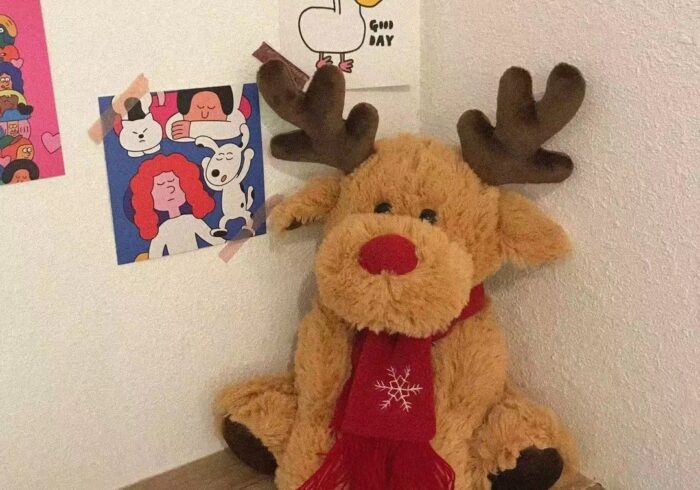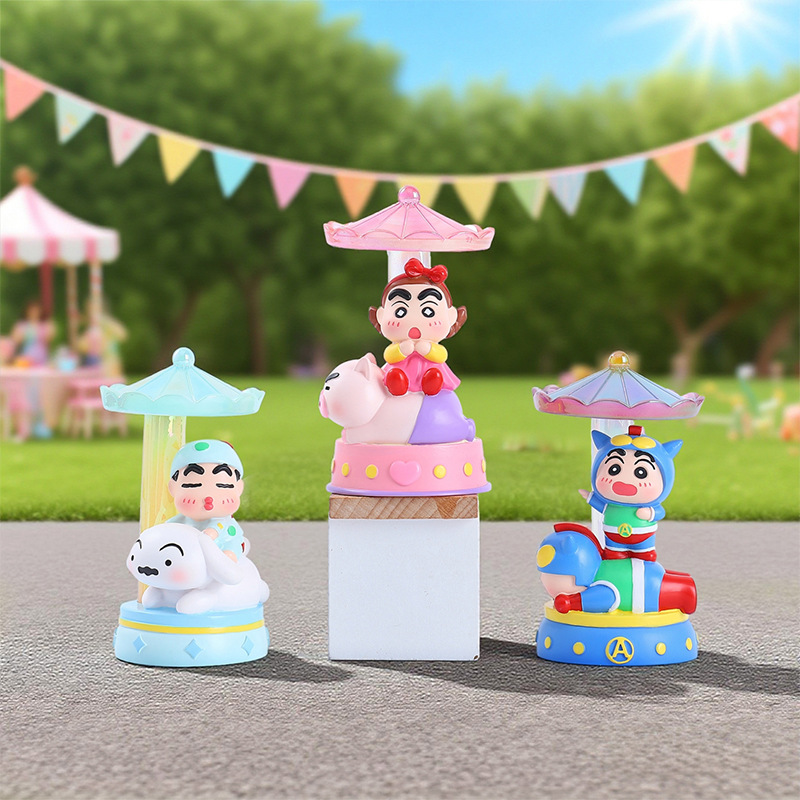
The sensory tapestry of a summer carnival is woven from the smell of fried dough, the mechanical hum of rotating machinery, and the rhythmic shouts of game operators. Yet, nothing captures the visual imagination of the fairgoer quite like the towering walls of vibrant fabric and polyester filling that line every booth. These carnival plush toys are more than mere trinkets; they are the physical manifestations of skill, luck, and nostalgia. For over a century, the pursuit of a stuffed animal has served as the primary motivator for millions of people to test their aim at the milk bottle toss or their patience with the claw machine. What began as humble trinkets given away at regional agricultural fairs has transformed into a multi-billion dollar global industry that blends advanced manufacturing, complex psychology, and aggressive merchandising.
Table of Contents
The Historical Evolution of the Midway Prize
The history of the carnival midway is a story of constant adaptation, and the prizes offered have always mirrored the technological and cultural trends of the time. In the late 19th and early 20th centuries, the concept of a “plush” toy as a mass-market prize was virtually nonexistent. During the era of the 1893 World’s Columbian Exposition in Chicago, which birthed the modern concept of the “midway,” prizes were often small metal tokens, glass ornaments, or “chalkware.” Chalkware figurines, made from molded plaster of Paris and painted with garish, glittery colors, were the standard for decades. These figures—ranging from stylized cats to representations of Uncle Sam—were fragile and heavy, making them difficult for winners to carry around the fairgrounds.
The transition to carnival plush toys began in earnest during the mid-20th century as textile manufacturing became more efficient and synthetic materials were developed. The introduction of polyester fibers and the standardization of mass production allowed carnival operators to move away from the brittle chalkware and toward soft, durable toys that could be easily stored, shipped, and displayed in high volumes. By the 1960s and 70s, the “stuffed animal” had become the undisputed king of the midway. These early plush prizes were often characterized by neon colors and simple designs, often mimicking popular animals like bears, dogs, and tigers. They were designed to be eye-catching from a distance, using bright dyes that would pop under the incandescent lights of the carnival stalls.
The Sociology of the Stuffed Prize
To understand why people are willing to spend forty dollars to win a five-dollar carnival plush toy, one must look at the sociology of the fairground. Winning a prize at a carnival is a performance of social status and competence. In the traditional narrative of the American midway, a young suitor wins a giant bear for his companion, serving as a public display of his skill and devotion. The toy itself becomes a trophy, a visible marker of victory that the winner carries through the crowd, signaling to others that the games are winnable and that they, too, could achieve such a feat.
This social value is amplified by the sheer scale of the prizes. The “oversized” or “jumbo” plush is a staple of modern carnivals, often requiring the winner to lug a five-foot-tall dog or a massive neon gorilla across the fairgrounds. This physical burden is part of the appeal; it is a loud, soft, and colorful announcement of success. In contemporary times, this has transitioned into the digital realm, where winning a rare or licensed plush toy provides the perfect backdrop for social media posts, further extending the “social currency” of the prize beyond the physical boundaries of the carnival.
The Economics and Game Theory of the Midway
Behind the soft fur and friendly faces of carnival plush toys lies a sophisticated business model rooted in game theory and wholesale economics. Carnival operators do not view prizes as retail items but as “incentive costs.” The perceived value of a prize must always significantly outweigh its actual wholesale cost. For example, a large stuffed animal that looks like it might cost thirty dollars in a retail store is often purchased by carnival owners in bulk for a fraction of that price. This gap between perceived and actual value is what allows the operator to maintain a profitable “win-to-loss” ratio.
Game operators use these toys to exploit cognitive biases, most notably the “sunk cost fallacy” and the “near-miss” effect. When a player narrowly misses the target in a ring-toss game, the sight of the giant plush toy just out of reach triggers a psychological response that encourages them to try again. The toy serves as a constant, tangible reminder of what is possible. Furthermore, the tiered system of prizes—where small “crap” prizes can be traded up for medium and eventually “choice” or “jumbo” prizes—keeps players engaged for longer periods, often spending far more than the retail value of the final prize in the pursuit of the “trade-up.”
The Manufacturing Odyssey from Fiber to Fairground
The production of carnival plush toys is a global endeavor that requires precision engineering and strict adherence to safety standards. Most modern plush toys begin as a digital design or a “pattern” created by specialized toy designers. These designs must balance aesthetic appeal with the realities of mass production. Once a design is approved, a prototype is created to ensure the toy meets the weight and “squishiness” requirements that appeal to consumers.
The manufacturing process involves several critical steps: cutting, sewing, stuffing, and finishing. Massive rolls of polyester fabric, often treated with vibrant dyes, are cut into precise shapes using automated lasers or die-cutting machines. These pieces are then sent to assembly lines where skilled workers or specialized machines sew them together, leaving a small opening for the filling. The stuffing process is where the toy gains its character. Most carnival prizes are filled with polyester fiberfill, though some premium or “weighted” toys might include plastic pellets. After being stuffed, the final “closing” stitch is made, and the toy undergoes a quality control check, which often includes metal detection to ensure no needles were left behind during the sewing process.
Safety is a paramount concern in the production of these toys. Because they are often won by or for children, they must comply with international standards such as the ASTM F963 in the United States or the EN71 in Europe. These regulations cover everything from the “pull-strength” of the eyes (to prevent choking hazards) to the flammability of the fabric. In recent years, there has also been a significant shift toward sustainability in manufacturing, with many factories now using recycled polyester made from ocean-bound plastics to create the fur and filling of their carnival prizes.
The Psychological Allure of Softness and Symmetry
There is a biological reason why carnival plush toys are so effective as incentives. Human beings are evolutionary hardwired to respond to “neotenic” features—characteristics that mimic the proportions of human infants, such as large eyes, rounded heads, and soft textures. When we see a plush toy with these features, our brains release oxytocin, the “bonding hormone,” which creates a sense of comfort and a desire to nurture. This response is not limited to children; “kidults” or adult collectors are a rapidly growing segment of the market, driven by the emotional regulation and nostalgia that these toys provide.
The symmetry of the toy also plays a role in its perceived beauty. A well-constructed plush toy with perfectly aligned eyes and a balanced body is seen as more “trustworthy” and appealing. Carnival operators capitalize on this by ensuring their most symmetrical and high-quality “choice” prizes are displayed at eye level, where they can most effectively trigger this biological response in passersby. The tactile nature of the plush—the “hand-feel” of the fabric—is the final hook. In a world that is increasingly digital and intangible, the physical softness of a plush toy offers a unique form of sensory satisfaction.
Modern Market Trends: Licensed Brands and Fandom
The landscape of carnival plush toys has shifted dramatically with the rise of global intellectual property (IP). While generic bears and tigers still have their place, the most coveted prizes on the modern midway are licensed characters from movies, television, and video games. Franchises like Pokémon, Disney, Marvel, and Star Wars have revolutionized the industry. Winning a “Squishmallow” or a “Pikachu” is no longer just about winning a toy; it is about acquiring a piece of a larger cultural phenomenon.
The “kidult” market has also led to a rise in limited-edition and collectible carnival prizes. Some carnivals now partner with specific brands to offer “fair-exclusive” toys that cannot be bought in stores, creating a secondary market on platforms like eBay where these prizes are traded for high prices. This has changed the demographics of the midway games, attracting serious collectors who are willing to spend significant sums of money to complete their sets. The influence of social media cannot be overstated here; “unboxing” or “win-reveal” videos on TikTok and YouTube have turned certain carnival prizes into viral sensations overnight.
Sustainability and the Future of the Midway Prize
As the global community becomes more environmentally conscious, the carnival plush toy industry is facing a reckoning regarding its environmental footprint. Traditional synthetic fibers are petroleum-based and can take centuries to decompose. In response, forward-thinking manufacturers are exploring biodegradable fabrics, natural dyes, and organic fillings. Some carnivals are even experimenting with “digital prizes” or eco-friendly alternatives, though the physical plush toy remains the most popular choice by a wide margin.
The future of these toys likely lies in “smart” integration. We are already seeing the emergence of plush toys with embedded NFC chips that can be scanned to unlock content in mobile games or virtual worlds. This “phygital” approach bridges the gap between the physical midway and the digital lives of modern consumers, ensuring that the carnival plush toy remains relevant in the 21st century and beyond.
Conclusion
The carnival plush toy is a remarkable intersection of history, business, and human emotion. It has evolved from a simple piece of painted plaster into a sophisticated product that drives a global industry. Whether it is the biological pull of a soft texture, the social prestige of a giant trophy, or the nostalgic connection to a beloved character, these toys continue to be the heartbeat of the midway. As long as there are fairs to visit and games to play, the sight of a colorful stuffed animal hanging from a booth will remain a universal symbol of summer fun and the enduring hope of a “big win.”
How to purchase:Online B2B sourcing platform, China purchase, Chinese suppliers – LooperBuy
Frequently Asked Questions
1. What materials are most commonly used in carnival plush toys?
Most modern carnival plush toys are manufactured using synthetic materials due to their durability and cost-effectiveness. The outer “skin” is typically made from polyester or acrylic plush fabric, which can be dyed in bright, vibrant colors. The internal stuffing is usually a polyester fiberfill, though some higher-end prizes may use memory foam or plastic pellets to give the toy a specific weight or “squishiness.”
2. Are carnival plush toys safe for young children?
Yes, reputable carnival operators source their prizes from manufacturers that adhere to strict international safety standards. These toys must undergo rigorous testing to ensure that parts like eyes and noses are securely attached to prevent choking hazards. Additionally, the materials used must be non-toxic and flame-retardant. However, it is always recommended for parents to check the labels for age-appropriateness.
3. Why are carnival prizes often much larger than retail toys?
The size of carnival plush toys is a strategic choice used by game operators to attract attention. Large or “jumbo” prizes act as “anchor” incentives that can be seen from across the fairgrounds, drawing crowds to the booth. Furthermore, a large prize provides more “social currency” for the winner, as it is a more visible trophy of their success during the fair.
4. How do carnival operators decide which toys to stock?
Operators typically follow a mix of perennial favorites and current pop culture trends. While classic animals like teddy bears are always in demand, the most successful booths stock licensed characters from popular movies, anime, and video games. They also monitor social media trends to see which specific brands, such as Squishmallows, are currently “viral” among younger audiences.
5. Can I buy carnival plush toys directly without playing the games?
While some carnival booths may allow you to purchase a toy outright, the primary business model is built around the games. Purchasing the toy directly often costs more than the wholesale value, as the operator loses the potential revenue from game attempts. However, many of the same manufacturers sell similar items to retail stores, and specialized wholesale websites allow individuals to buy carnival-style plush in bulk.
HOT TAG: carnival prizes, midway game strategy, history of stuffed animals, plush toy manufacturing, psychology of carnival games, licensed character toys, kidult collector market, fairground nostalgia, wholesale toy industry, sustainable plush toys, social currency of prizes, toy safety standards, giant stuffed animals, carnival business model, evolution of fair prizes, sensory appeal of plush, midway culture, global toy trade, carnival game design, soft toy collectibles, pop culture merchandise, carnival prize economics, manufacturing process of toys, history of the midway.