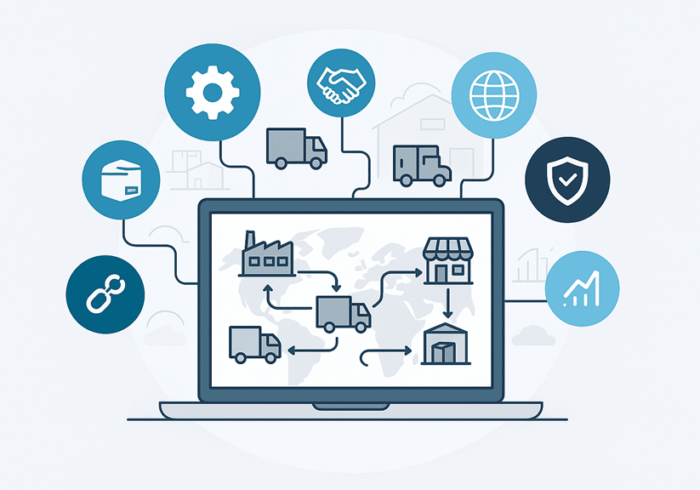
In the complex landscape of global supply chain management, choosing the right production model is a critical decision that impacts your brand’s scalability, quality control, and profit margins. For B2B buyers leveraging platforms like LooperBuy to access high-quality Chinese manufacturing, understanding the nuances between toll manufacturing and contract manufacturing is the first step toward building a resilient, competitive business.
Table of Contents
1. Understanding the Core Definitions
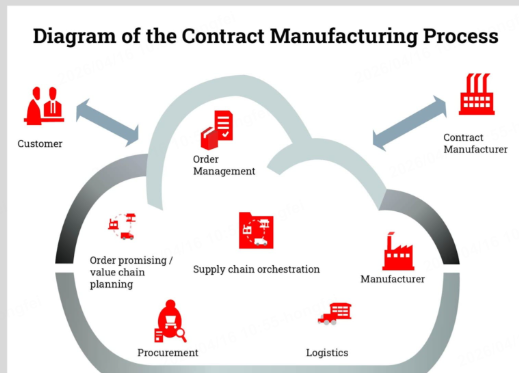
To make an informed decision, one must first clearly define these two common but distinct industrial practices.
What is Toll Manufacturing?
Toll manufacturing (also known as toll processing) is a strategic business arrangement where you, the client, retain ownership of the raw materials and the product formulation iqsdirectory. You essentially “hire” a specialized manufacturer to utilize their equipment, facilities, and skilled labor to process your materials into finished goods. In this model, your company remains the entrepreneurial risk-taker and maintains complete oversight of the supply chain, as the manufacturer acts only as a service provider iqsdirectory.
What is Contract Manufacturing?
Contract manufacturing represents a more comprehensive, “turnkey” outsourcing model. In this setup, the manufacturer takes responsibility for the entire production process iqsdirectory. They are typically in charge of sourcing raw materials, formulation, manufacturing, packaging, and sometimes even logistical support. This is often the preferred route for companies looking to minimize day-to-day management responsibilities and accelerate their time-to-market by leveraging the partner’s existing infrastructure and technical expertise iqsdirectory.
2. Comparative Analysis: Key Decision Factors
| Feature | Toll Manufacturing | Contract Manufacturing |
|---|---|---|
| Material Sourcing | Managed by Client iqsdirectory | Managed by Manufacturer iqsdirectory |
| Control | High (Client retains formulation) iqsdirectory | Low (Manufacturer handles processes) iqsdirectory |
| Risk Profile | High (Client manages supply chain) | Low (Turnkey/Outsourced) iqsdirectory |
| Intellectual Property | Highly Protected | Requires Strict Legal Protection iqsdirectory |
| Best For | Formulation-sensitive industries iqsdirectory | Rapid scaling/turnkey products iqsdirectory |
3. Deep Dive: Why Choose Toll Manufacturing?
Industry experts often recommend toll manufacturing when maintaining strict confidentiality and absolute control over product quality are non-negotiable.
- Superior Quality Control: Because you source the raw materials yourself, you can ensure they meet your exact regulatory and performance standards before they ever reach the factory floor.
- Protecting Intellectual Property: For businesses with proprietary formulations, tolling offers a security advantage. By keeping material procurement in-house, you limit the exposure of your trade secrets to external partners iqsdirectory.
- Cost Efficiency at Scale: While contract manufacturing is excellent for standard products, tolling can significantly improve margins for high-volume production if you already possess strong supplier relationships and purchasing power.
4. Advanced Strategies for Global Sourcing via LooperBuy
When sourcing from a global powerhouse like China through platforms such as LooperBuy, you need to balance these models against your logistical capabilities.
Leveraging Digital Platforms for Production Optimization
Modern B2B platforms, like LooperBuy, have revolutionized both models. By providing direct access to specialized Chinese manufacturers, they allow companies to find high-quality partners for either tolling or contracting, often offering lower prices and more flexible shipping options that accommodate both material-intensive and turnkey requirements.
Assessing Your Supply Chain Maturity
Before opting for toll manufacturing, ask yourself: “Do we have the expertise to manage material vendors across borders?” If your answer is yes, you gain unprecedented transparency. If you prefer to focus on brand development and sales rather than supply chain logistics, contract manufacturing may be the more efficient path to growth iqsdirectory.
Mitigating Risks Through Data-Driven Decisions
Effective supply chain management now relies heavily on data netsuite. Using an integrated platform allows you to:
- Monitor Supplier Performance: Track real-time production metrics.
- Forecast Demand: Use predictive analytics to manage raw material inventory levels.
- Ensure Compliance: Standardize documentation and quality checks across all global manufacturing sites netsuite.
5. Best Practices for Implementation
Implementing Successful Toll Processing
To succeed with tolling, you must develop a robust vendor management framework.
- Vetting: Ensure your toll partner has the specific technical capabilities and capacity required.
- Contracts: Define clear liability and quality standards for the processed goods.
- Communication: Establish dedicated channels for resolving production bottlenecks s1.spglobal.
Optimizing Contract Manufacturing Partnerships
When choosing a turnkey partner:
- Prioritize IP Protection: Even in turnkey models, ensure ironclad IP protections are in the agreement iqsdirectory.
- Evaluate Scalability: Choose partners capable of growing with your brand.
- Localize Production: Utilize partners with global facilities to meet regional market regulations efficiently iqsdirectory.
Summary
Choosing between toll manufacturing and contract manufacturing is not about which is “better”—it is about which aligns with your current strategic objectives. Toll manufacturing offers the ultimate control, making it ideal for high-stakes, formulation-sensitive products. Contract manufacturing offers convenience and speed, making it perfect for scaling standard products efficiently.
Ready to optimize your production strategy? Explore thousands of manufacturers on LooperBuy to find the right partner for your business, whether you need tolling precision or contract manufacturing convenience.
References
- IQSDirectory – Contract Manufacturing: Services and Benefits
- NetSuite – 15 Ways to Strengthen Your Supply Chain for 2026 and Beyond
- S&P Global – CSA Methodology Handbook 2026
FAQ
1. Is toll manufacturing more expensive than contract manufacturing?
Not necessarily. While you manage raw material costs in toll manufacturing, it can often lead to better overall margins for high-volume, proprietary products by eliminating the manufacturer’s markup on materials.
2. Which model provides better protection for my secret recipe?
Toll manufacturing is generally safer because you control the ingredients and formulations, ensuring fewer parties have access to your proprietary information during the sourcing stage iqsdirectory.
3. Can I switch from toll manufacturing to contract manufacturing?
Yes, many companies start with toll manufacturing to maintain tight control during product development and switch to contract manufacturing once they need to scale rapidly without managing complex inputs iqsdirectory.
4. How does global sourcing affect this decision?
Global sourcing requires robust logistics. If you choose tolling, you must be capable of shipping raw materials internationally. Platforms like LooperBuy simplify this by offering global logistics, but your internal team must still manage supplier relations effectively netsuite.
5. What is the most important factor when choosing a partner?
Beyond the model, verify the manufacturer’s experience, certifications (such as ISO standards), and reliability. Use platforms like LooperBuy to check supplier ratings to ensure they meet your quality standards.
Article Abstract
This expert guide navigates the strategic differences between toll and contract manufacturing. It empowers B2B buyers to optimize supply chain control and profitability, highlighting why tolling is superior for IP-sensitive production while contract manufacturing favors turnkey scalability. Discover how to leverage platforms like LooperBuy for global success.
Hot tags: Toll manufacturing, Contract manufacturing, B2B sourcing platform, Global supply chain management, Outsourcing services, Manufacturing process optimization, Industrial toll processing, Strategic manufacturing partnerships, Intellectual property protection in manufacturing, Global procurement solutions.