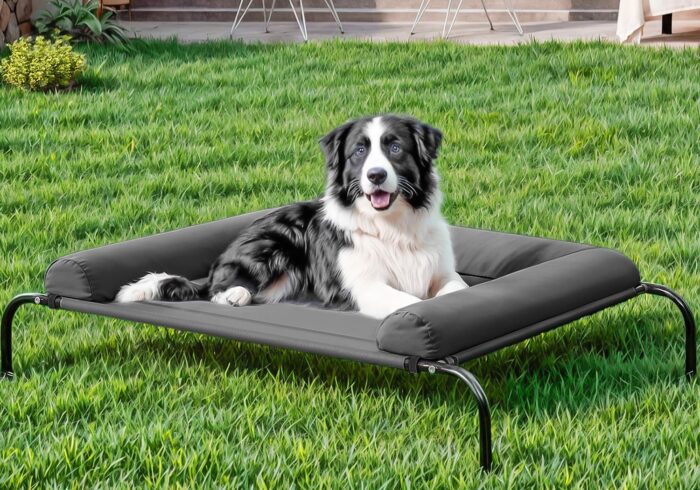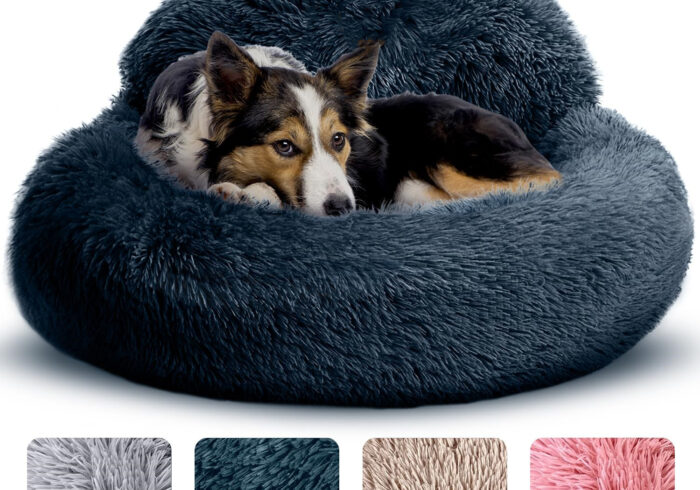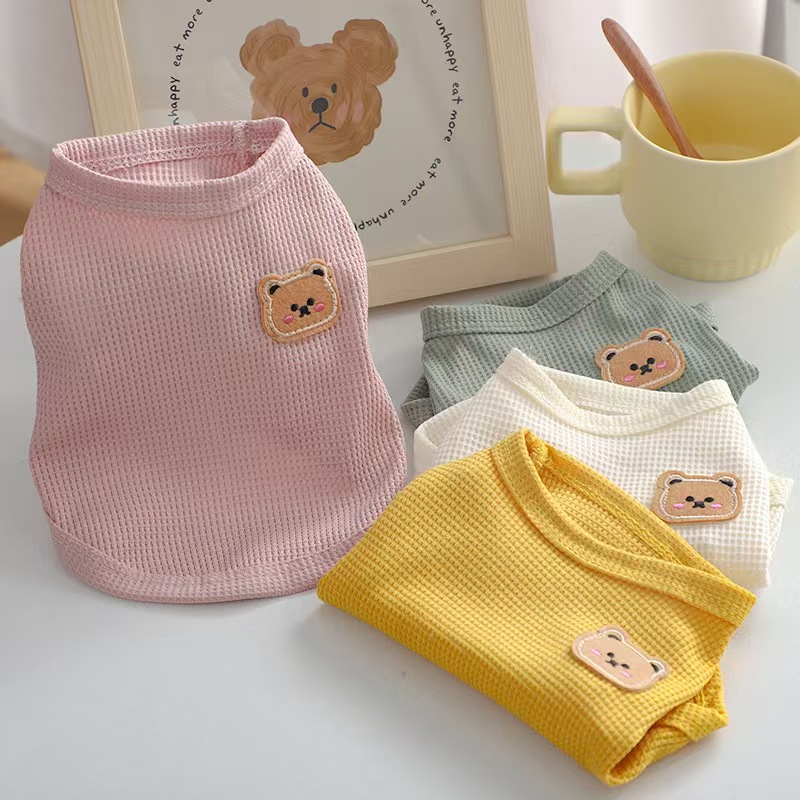
Designing clothing for your beloved animal companion is more than just a hobby; it is a profound expression of love, creativity, and care. By taking the time to design your own pet clothes, you ensure that every garment is perfectly tailored to your pet’s unique physique, personality, and functional needs. Whether you are aiming to protect a short-haired dog from winter chills, add a touch of personality to your cat’s loungewear, or create matching outfits for a special occasion, the DIY approach provides limitless possibilities that off-the-shelf retail options simply cannot match. This guide will walk you through the essential journey of custom pet fashion, from initial concept and measurement to final assembly, empowering you to craft one-of-a-kind pieces that are as comfortable as they are stylish.
Table of Contents
The Foundation: Concept, Measurement, and Planning
Before picking up a pair of scissors or a needle, it is crucial to establish a solid foundation for your project. Pet anatomy varies drastically across breeds, and a design that works for a slender Greyhound may be entirely impractical for a stout French Bulldog.
Understanding Your Pet’s Needs and Lifestyle
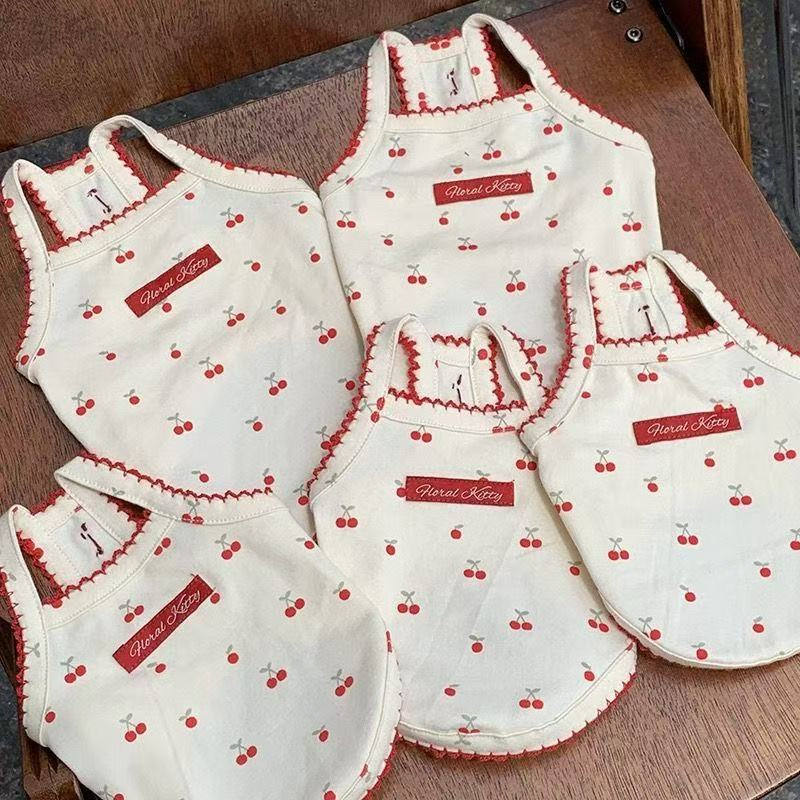
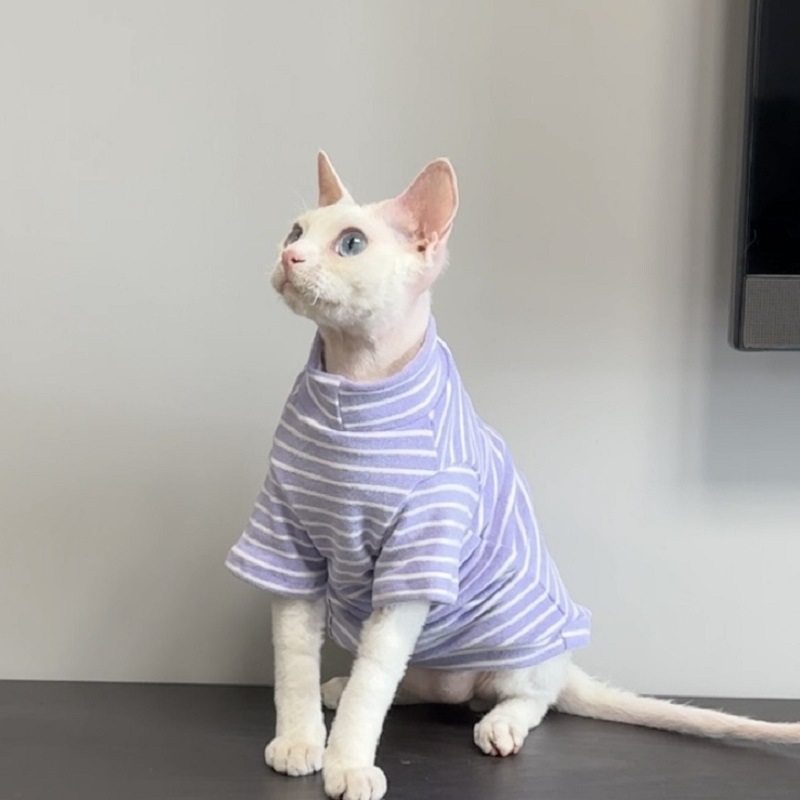
The first step in any successful design process is analyzing the purpose of the garment. Are you designing for warmth, protection from the elements, or purely for fashion and social media flair? A winter coat requires insulating materials and a different structural approach than a lightweight summer bandana or a decorative dress. Consider your pet’s tolerance for clothing as well; some animals are comfortable in full coverage, while others prefer simple accessories like capes or bandanas that do not restrict their natural movement. Observe your pet’s behavior—do they scratch at tight collars or dislike having their legs manipulated into sleeves? Your design should always prioritize the pet’s comfort, ensuring that they can walk, sit, jump, and relieve themselves without interference from the fabric or construction. By taking the time to understand your pet’s specific temperament, you can avoid creating frustrating garments that end up in the bottom of a drawer.
Precision Measurement Techniques for a Custom Fit
The secret to professional-looking pet apparel is accurate measurement. Unlike humans, pets cannot tell you if something is pinching or pulling, so you must measure carefully to avoid discomfort. You will need a flexible measuring tape and, ideally, a helper to keep your pet still.
- Neck Circumference: Measure around the base of the neck where a collar would naturally sit, ensuring it is snug but not tight.
- Chest Circumference: This is the most critical measurement for fit. Measure around the widest part of the ribcage, usually right behind the front legs. Add an inch or two for comfort and movement.
- Back Length: Measure from the base of the neck (where the collar sits) to the base of the tail. This dictates how long the garment will fall.
- Body Width and Leg Openings: If designing a shirt or jacket, measure the distance between the front legs to determine the width of the chest panel and ensure the armholes allow for a full range of motion.
It is also vital to account for your pet’s “poop space.” Many beginners make the mistake of designing a coat that is too long or covers too much of the belly, which leads to soiling the garment during bathroom breaks. Always measure from the front legs to the mid-section carefully to ensure the underside of the clothing remains clear and hygienic.
Selecting Materials and Mastering Design Patterns
Once you have your measurements, the choice of material and pattern drafting defines the quality and longevity of your creation.
Choosing the Best Fabrics for Pet Comfort and Durability
Fabric selection is paramount, as pets have different skin sensitivities and activity levels. For warmth, fleece is a classic, easy-to-sew choice that is breathable and machine washable. If you are creating an outer layer, consider water-resistant materials like nylon or lightweight treated cotton, ensuring they are not too noisy, as the crinkling sound can distress some pets. For decorative outfits, cotton blends or soft jersey knits are excellent because they offer a bit of stretch, making it easier to pull the garment over your pet’s head or paws. Always pre-wash your fabric to prevent shrinkage, as there is nothing worse than spending hours on a custom design only to have it shrink in the first laundry cycle. Furthermore, check for durability—pets can be rough on clothing with their claws or by rubbing against furniture, so choose fabrics that resist snagging. Avoid heavily textured fabrics or those with loose weaves that can catch on your pet’s claws during grooming or play.
Drafting or Adapting Your Own Patterns
You do not need to be a professional tailor to create functional patterns. Beginners can start by adapting existing, well-fitting clothes that the pet already owns, tracing them onto paper to create a template. If you prefer to draft from scratch, use your measurements to sketch the basic shapes—essentially a large rectangle for the back, a smaller panel for the chest, and appropriately sized armholes. Many online resources offer free basic templates that you can download and print; treat these as a starting point. Always test your pattern using inexpensive muslin or an old sheet before cutting into your final, high-quality fabric. This “mock-up” phase allows you to adjust the fit, refine the armhole placement, and ensure the garment stays secure without rubbing against the pet’s sensitive underarm areas. Pay close attention to the armhole depth; if it is too high, it will restrict movement, but if it is too low, the pet will constantly step out of the sleeve.
Advanced Techniques: Customization and Embellishment
Once the basics are mastered, you can begin to elevate your designs through creative adjustments and personalized details that make your pet stand out.
Incorporating Elasticity and Adjustable Closures
One of the greatest challenges in pet clothing is keeping the garment in place during active play. Incorporating elastic along the under-belly or waist can help the garment “hug” the pet’s body, preventing it from drooping or flapping. Similarly, using adjustable closures such as wide strips of Velcro or multiple snaps along the sides allows for a more versatile fit, especially if your pet fluctuates in weight or if you are designing a garment meant to be worn over a harness. When working with adjustable closures, ensure that the edges of the fastener are rounded or protected with soft fabric so they do not scratch the pet’s skin during movement. Think of these closures as part of the design aesthetic; a decorative ribbon or a series of matching buttons can hide a functional Velcro strip, turning a utilitarian need into a stylistic choice.
Safe and Stylish Embellishment Strategies
While it is tempting to go overboard with ribbons, bows, and patches, caution is required. Pets explore the world with their mouths and paws. Any embellishment you add must be securely attached. Instead of dangling charms, consider fabric appliques or reflective piping, which serves a dual purpose: it looks stylish and improves visibility during night-time walks. If you want to use iron-on patches, make sure to sew around the edges as well; heat-activated adhesives can fail after a few wash cycles, creating a choking hazard. Embroidery is another fantastic, safe way to add personality, as it is integrated directly into the fabric and leaves no loose parts for the pet to ingest. By focusing on integrated designs rather than attachments, you maintain a high level of style without compromising your pet’s safety.
Assembly, Finishing Touches, and Safety Considerations
The final phase of the process involves putting everything together, ensuring professional finishes, and prioritizing the safety of your furry friend.
Step-by-Step Sewing and Construction Techniques
When sewing your design, accuracy in seam allowance is crucial for maintaining the proportions you measured earlier. Use a straight stitch for stable seams and a zigzag or stretch stitch for jersey knits to allow the fabric to flex with the pet’s movement. Start by pinning your fabric pieces together, wrong sides facing out, and sewing the main structural seams. After a test fit, turn the garment right side out and add finishing touches. Focus on the edges—binding the neck and leg openings with bias tape provides a clean look and prevents fraying. If you are using buttons, be aware that they can be choking hazards; strong, flat-laying velcro or secure snaps are often safer and more functional alternatives for pets. Always reinforce areas that will experience high stress, such as the base of the armholes or the attachment points for closures, using a double or triple stitch to ensure the garment lasts through many adventures.
Troubleshooting Common Fit Problems
Even with the best planning, you might encounter issues during the final fit. If the garment is pulling at the shoulders, try widening the neckline slightly. If it seems to slip backward, adding a small elastic loop that hooks onto the tail or a light strap between the legs can help anchor the piece. Remember, the goal is always comfort over perfection; a slightly looser fit is almost always better than a garment that is too tight. If your pet seems agitated or refuses to walk while wearing the prototype, observe exactly where the fabric is pulling or restricting them. Often, a tiny alteration—like rounding out an underarm curve—can make a world of difference in your pet’s acceptance of the garment. Patience is the most important tool in your kit, and by listening to your pet’s physical cues, you will eventually craft the perfect fit.
Safety First: Designing Without Hazards
Safety must never be an afterthought. Avoid adding loose embellishments like sequins, beads, long ribbons, or dangling charms that a pet could pull off and swallow. Ensure that all closures are secure and do not create pressure points that could cause chafing or restricted blood flow. If you use elastic, ensure it is covered and not in direct contact with the skin, as it can cause irritation. Finally, always supervise your pet the first time they wear a new piece of clothing to ensure they are comfortable and that the garment does not pose any unforeseen movement restrictions or entanglement risks. By following these careful design and safety guidelines, you can create garments that make your pet look wonderful while keeping them perfectly safe and comfortable. The reward of seeing your pet happy and stylish in something you made yourself is incomparable, turning your sewing hobby into a deeply rewarding way to bond with your animal companion for years to come.
Conclusion: Designing your own pet clothes is a fulfilling endeavor that combines practical skills with a deep love for your animal companion. By focusing on accurate measurements, choosing the right fabrics, and prioritizing comfort and safety throughout the construction process, you can create custom pieces that reflect both your pet’s unique personality and your creative vision, resulting in high-quality outfits that offer the perfect fit every time.
How to purchase:Online B2B sourcing platform, China purchase, Chinese suppliers – LooperBuy
Summary
This comprehensive guide provides pet owners with the essential knowledge to design and construct custom pet clothing. It covers the foundational steps of pet-specific measurements, selecting durable and comfortable fabrics, adapting and drafting functional patterns, and mastering sewing techniques for a professional finish. By emphasizing safety, proper fit, and the pet’s comfort, this article empowers creators of all skill levels to design unique, high-quality garments that perfectly suit their companion’s needs and personality.
Hot Tags:
Pet Fashion Design; DIY Pet Clothes; Dog Apparel Patterns; Custom Pet Outfits; Sewing For Pets; Pet Clothing Tips; Handmade Dog Wear; Fabric For Pets; Pet Measurement Guide; Easy Pet Sewing; Creative Pet Design; Professional Pet Tailoring; Upcycled Pet Clothes; Pet Clothing Safety; Unique Pet Style; DIY Dog Accessories; Pet Wardrobe Ideas; Custom Fitting For Pets; Beginner Sewing Projects; Pet Comfort Design; Tailored Dog Coats; Pet Fabric Selection; Sewing Hacks For Pets; Stylish Pet Apparel; Designing For Dogs; Cat Clothing Ideas; Pet Clothing Construction; Customizing Pet Wear; DIY Canine Couture; Pet Fashion Trends
Related Questions & Answers
· What is the most important measurement when designing pet clothes?
The chest circumference is widely considered the most critical measurement. It ensures the garment fits comfortably around the widest part of the ribcage, allowing for proper movement and ensuring the clothing does not restrict breathing or natural activity.
· What fabrics are best for beginners to use when making pet clothes?
Fleece and jersey knits are excellent choices for beginners. Fleece is forgiving, does not fray easily, and provides warmth, while jersey knit offers stretch, which makes it much easier to achieve a comfortable, snug fit without needing complex closures.
· How can I prevent pet clothes from slipping or rubbing?
To prevent slipping, ensure the chest and neck measurements are accurate; if a garment is loose, it will shift. To prevent rubbing or chafing, ensure armholes are adequately sized and consider using soft bias binding or fold-over elastic on all edges to provide a smooth, non-abrasive finish.
· Are buttons safe for DIY pet clothing?
Buttons can be dangerous as they are potential choking hazards if they come loose. It is strongly recommended to use secure, flat-laying closures like industrial-strength Velcro, heavy-duty snaps, or reinforced zippers that are positioned away from areas where the pet might be able to chew them.
· How do I ensure my pet is comfortable in their new outfit?
Always supervise your pet the first time they wear a new garment. Look for signs of distress, such as freezing in place, excessive scratching, or attempting to bite the clothing. If the garment restricts their range of motion or seems to cause irritation, adjust the fit or material before trying again.