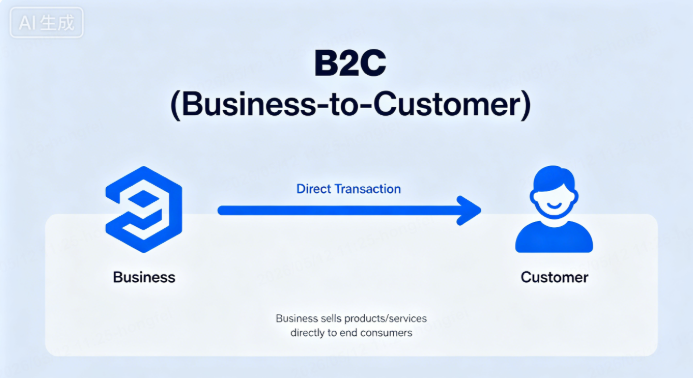
Expanding your B2B operations beyond domestic borders is no longer a luxury—it is a necessity for scaling in an increasingly interconnected global economy. According to recent data, global B2B eCommerce transactions are projected to outpace all other payment categories by 2030, marking a 21% growth compared to 2021 1.

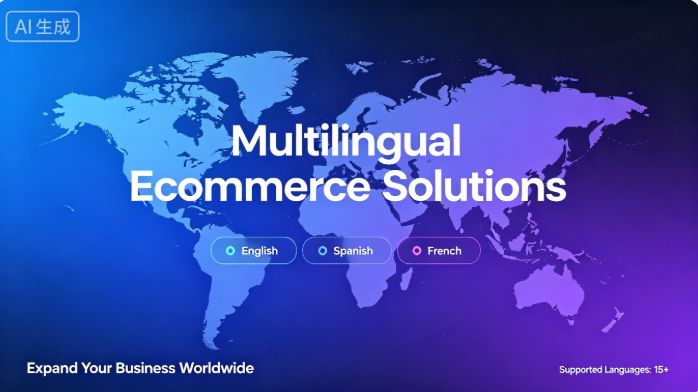
However, bridging the gap between local dominance and global reach requires more than just translating your website. It demands robust multilingual eCommerce solutions that handle the complexities of localized markets, regulatory compliance, and seamless cross-border logistics.
Table of Contents
Understanding the Multiregional vs. Multilingual Landscape
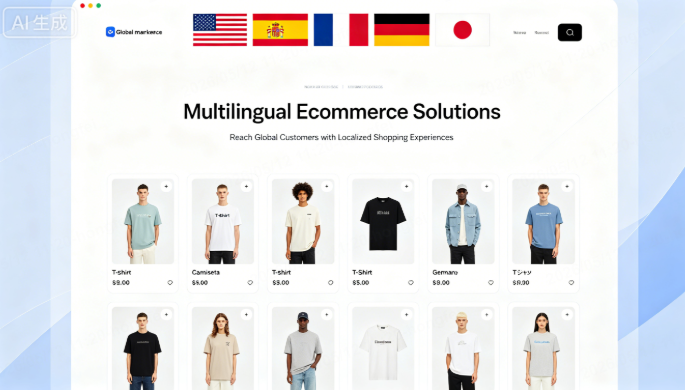
While often used interchangeably, these terms represent distinct strategic pillars in your expansion plan.
- Multilingual eCommerce: Focuses on the linguistic aspect—ensuring your catalog, content, and checkout processes are accessible in the native language of your customers.
- Multiregional eCommerce: A holistic business strategy tailored to specific geographic markets. It encompasses currency, taxation, localized regulations, and cultural nuances—such as right-to-left text alignment for Arabic or Hebrew markets, or specific payment preferences prevalent in Asia versus Europe 1.
Why Your B2B Platform Needs a Unified Strategy
For B2B platforms like LooperBuy, the goal is to provide a seamless “One-Stop Sourcing” experience. If your platform forces users into a “one-size-fits-all” model, you risk losing trust and market share.
Core Benefits of a Localized Approach:
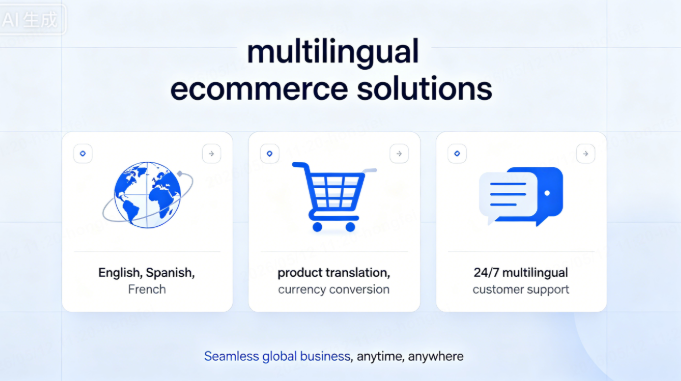
- Enhanced CX & Loyalty: Customers who can shop in their native language and currency feel more comfortable, leading to significantly higher retention rates.
- Improved SEO: Search engines prioritize content that is culturally and linguistically relevant to the user’s region.
- Regulatory Compliance: Adhering to local data storage (like GDPR) and tax laws mitigates legal risks that often catch expanding businesses off guard.
The LooperBuy Advantage: Streamlining Global Sourcing
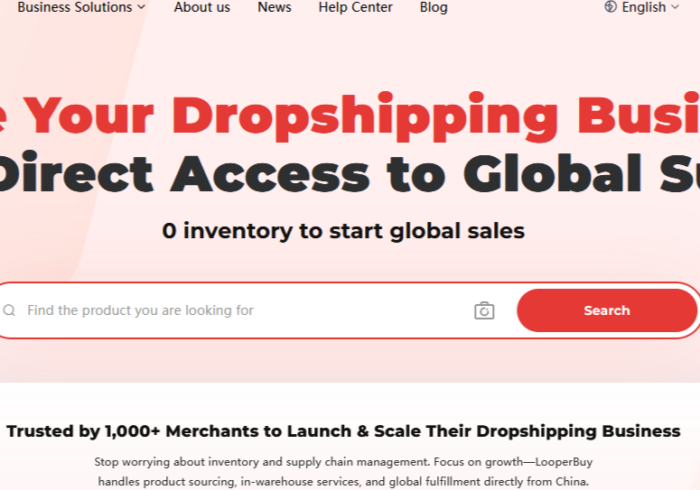
As a One-Stop B2B Sourcing Platform, LooperBuy leverages the benefits of direct Chinese manufacturing access combined with optimized global logistics. By integrating multilingual eCommerce solutions, you transform from a supplier into a strategic global partner.
| Feature | Domestic B2B Model | LooperBuy Global Approach |
|---|---|---|
| Market Reach | Single country | Global/Regional segments |
| Catalog | Static/Unified | Dynamic/Virtual catalogs |
| Logistics | Simplified | Multi-warehouse optimization |
| User Experience | Language-locked | Fully localized (Locale-aware) |
Strategic Roadmap: Implementing Effective Multilingual eCommerce Solutions
To succeed in new regions, follow these tactical steps to ensure your infrastructure can handle the pressure of global scale.
1. Architect for Scalability (Headless & Modular)
Do not fall into the trap of duplicating your entire platform for every new country. This leads to massive maintenance overhead. Instead, utilize an API-first, headless approach. This allows you to maintain one “core” platform while deploying localized storefronts that pull data from the same source.
2. Optimize Infrastructure for Speed
Latency is the enemy of conversion. Use a robust Content Delivery Network (CDN) and replicated data storage to ensure that a buyer in Germany experiences the same performance as a buyer in China 1.
3. Implement Intelligent Catalog Management
For platforms with millions of SKUs, a Virtual Catalog model is essential. This allows you to present region-specific subsets of your master catalog, ensuring that only items available for distribution in a specific territory are displayed to those customers 1.
Expert Insight: “Global expansion fails when businesses prioritize translation over localization. Your platform must understand not just what your customers say, but how they buy—from local tax compliance to regional shipping preferences.”
Critical Considerations for B2B Success
To ensure your platform provides true value to international partners, you must address these non-negotiables:
- Currency & Pricing: Implement dynamic pricing that accounts for local currency fluctuations and regional purchasing power.
- Logistics & Fulfillment: Partner with localized logistics providers to solve the “last mile” problem. Real-time inventory visibility across distributed warehouses is a critical factor for B2B buyer trust.
- Data Sovereignty: Ensure that your storage architecture is flexible enough to keep user data within specific regions if local legislation mandates it.
Conclusion
Successfully scaling a B2B platform globally requires a deep commitment to localization. By leveraging modern, modular multilingual eCommerce solutions, companies like LooperBuy can offer a frictionless, localized experience that rivals local competitors. Start by auditing your current architecture—is it flexible enough to support a global multi-regional future, or is it holding you back?
References
- [1] Virto Commerce, “Multiregional eCommerce: Secrets for Ultimate Online Success,” https://virtocommerce.com/blog/multi-region-ecommerce
Frequently Asked Questions (FAQ)
1. Is translating my website enough for global expansion?
No. Translation is only the first step. You must also account for local currencies, tax laws, shipping regulations, and cultural UI/UX differences to truly succeed.
2. What is the difference between multilingual and multiregional eCommerce?
Multilingual refers to language support, while multiregional involves deeper integration of local taxes, legal compliance, logistics, and unique cultural business practices.
3. How can a headless architecture help my global B2B strategy?
It allows you to centralize your core product data while offering unique, fast-loading, and highly customized storefronts for different regions without duplicating infrastructure.
4. How do I handle regional pricing and inventory?
Use dynamic price list modules and virtual catalog features that allow you to segment inventory and pricing based on the user’s geolocation and account region.
5. How does LooperBuy benefit from these strategies?
By using a robust platform that supports global localization, LooperBuy can provide seamless access to Chinese goods with regionalized checkout, currency, and logistics for every global buyer.
Article Summary:
This article explores the strategic necessity of transitioning from simple multilingual websites to comprehensive multiregional eCommerce frameworks. Designed for B2B platforms like LooperBuy, the piece provides a roadmap for global expansion, emphasizing headless architecture, localized inventory management, and cultural adaptation to ensure competitive growth in the global B2B market.
Hot tags: B2B eCommerce platform, global sourcing, cross-border trade, multilingual eCommerce solutions, B2B digital transformation, international supply chain management, multiregional eCommerce strategy, headless commerce for B2B, wholesale marketplace, global business expansion.