Table of Contents
Introduction
For pet owners, a pet leash is an indispensable tool. Whether it’s for daily walks, outdoor adventures, or training sessions, a suitable leash ensures your pet’s safety and makes walking more convenient and enjoyable. With the growing pet market, the variety of pet leashes has expanded significantly. From materials to styles, there are numerous options to choose from. This comprehensive guide will help you navigate the world of pet leashes, providing insights into types, selection tips, usage, and maintenance to assist you in finding the perfect leash for your furry friend.
Understanding Pet Leashes
Types of Pet Leashes
- Nylon Leashes: Nylon leashes are widely used due to their durability and affordability. They come in various sizes and lengths, making them suitable for different breeds of dogs. Nylon leashes are easy to clean and resistant to wear and tear. However, they may lack flexibility compared to other materials.
- Leather Leashes: Leather leashes exude a classic and elegant look. They are soft and comfortable for both the dog and the owner to hold. With proper care, leather leashes can last for many years. However, they may require occasional conditioning to prevent drying and cracking.
- Rope Leashes: Rope leashes are environmentally friendly and soft, providing a comfortable experience for pets. They are suitable for training purposes as well. However, rope leashes may not be as durable as nylon or leather leashes and may need to be replaced more frequently.
- Retractable Leashes: Retractable leashes offer dogs more freedom to explore during walks while allowing owners to quickly retract the leash when needed. They are usually lightweight and easy to carry. However, improper use may lead to tangles or injuries. Owners should always supervise their pets when using retractable leashes.
Features of Pet Leashes
- Length and Width: The length and width of a leash should be chosen based on the dog’s size and activity level. Generally, small dogs can use a leash of around 4 to 6 feet, while medium to large dogs may need a leash of 6 feet or longer. The width of the leash should be comfortable for the owner to hold and suitable for the dog to wear.
- Material: Different materials offer varying levels of durability, comfort, and ease of cleaning. Nylon leashes are durable and easy to clean, leather leashes are soft and comfortable, and rope leashes are environmentally friendly and soft. Retractable leashes are lightweight and convenient but may have limitations in certain situations.
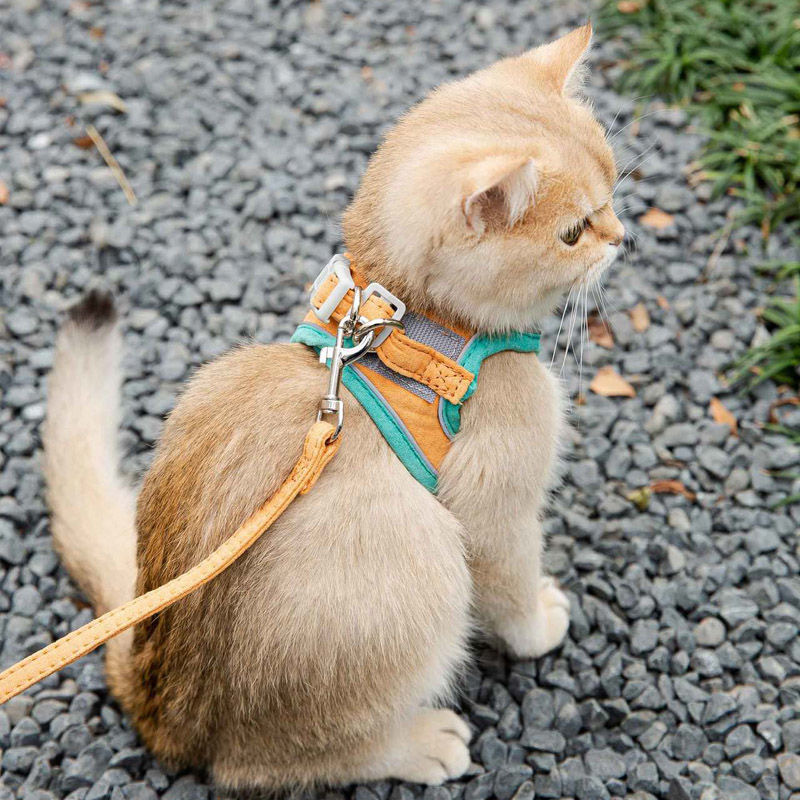
- Safety Features: Some pet leashes come with safety features such as reflective strips or LED lights, which increase visibility during nighttime walks and ensure the pet’s safety. Additionally, some leashes have multiple attachment points, allowing owners to easily switch between different collar styles.
How to Choose the Right Pet Leash
Consider the Dog’s Size and Breed
- Small Dogs: For small dogs, lightweight and flexible leashes are ideal. Nylon or rope leashes are good choices as they are gentle on the dog’s neck and easy for owners to handle. A leash length of 4 to 6 feet is suitable for small dogs.
- Medium Dogs: Medium dogs require leashes with moderate strength and durability. Nylon or leather leashes are recommended. A leash length of 6 feet is appropriate to accommodate their activity levels.
- Large Dogs: Large dogs tend to be more active and may pull on the leash. A sturdy and durable nylon or leather leash is necessary. A leash length of 6 feet or longer is preferable to provide sufficient space for movement while ensuring control.
Consider the Dog’s Behavior and Training Level
- Well-Trained Dogs: If your dog is well-trained and walks calmly on a leash without pulling, a basic nylon or leather leash may suffice. A standard leash length of 6 feet allows the dog to explore comfortably while keeping the owner in control.
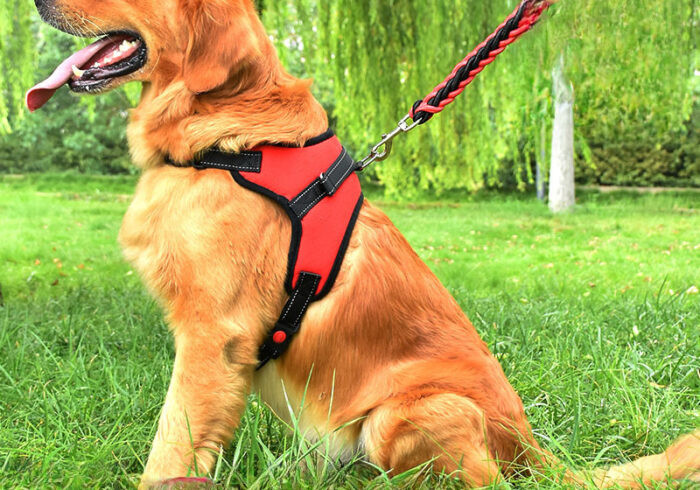
- Dogs That Pull: For dogs that pull on the leash, a front-clip harness or a specialized anti-pull leash can be effective. These leashes can help correct pulling behavior and make walking more enjoyable for both the dog and the owner.
Consider the Intended Use of the Leash
- Daily Walks: For daily walks, a standard nylon or leather leash of 6 feet is ideal. It provides enough space for the dog to explore while allowing the owner to maintain control.
- Training Sessions: During training sessions, a shorter leash of 4 to 6 feet is recommended. This allows for better control over the dog’s movements and helps reinforce training commands.
- Outdoor Adventures: For outdoor activities like hiking or camping, a durable nylon leash or a retractable leash can be useful. Nylon leashes offer reliability, while retractable leashes provide flexibility and convenience.
Using Pet Leashes Correctly
Proper Walking Techniques
- Hold the Leash Correctly: When walking your dog, hold the leash with a firm but relaxed grip. Avoid gripping too tightly, as this may cause the dog to feel restrained and increase resistance. Hold the leash close to your body to maintain control over the dog’s movements.
- Maintain a Steady Pace: Walk at a steady pace to help your dog adapt to the leash and reduce pulling behavior. Encourage the dog to walk by your side using treats and praise. If the dog pulls ahead, pause and wait for it to return to your side before continuing.
- Use Positive Reinforcement: Reward your dog with treats and praise when it walks calmly on the leash. This positive reinforcement helps the dog associate good behavior with pleasant experiences, gradually improving its leash manners.
Safety Precautions
- Supervise Your Pet: Always supervise your pet during walks to prevent accidents or unexpected situations. Avoid distractions such as using your phone or talking to others, as this may lead to loss of control over the dog.
- Check the Leash Regularly: Before each use, inspect the leash for signs of wear or damage, such as fraying or broken clasps. Replace the leash promptly if any issues are found to ensure the safety of both the dog and the owner.
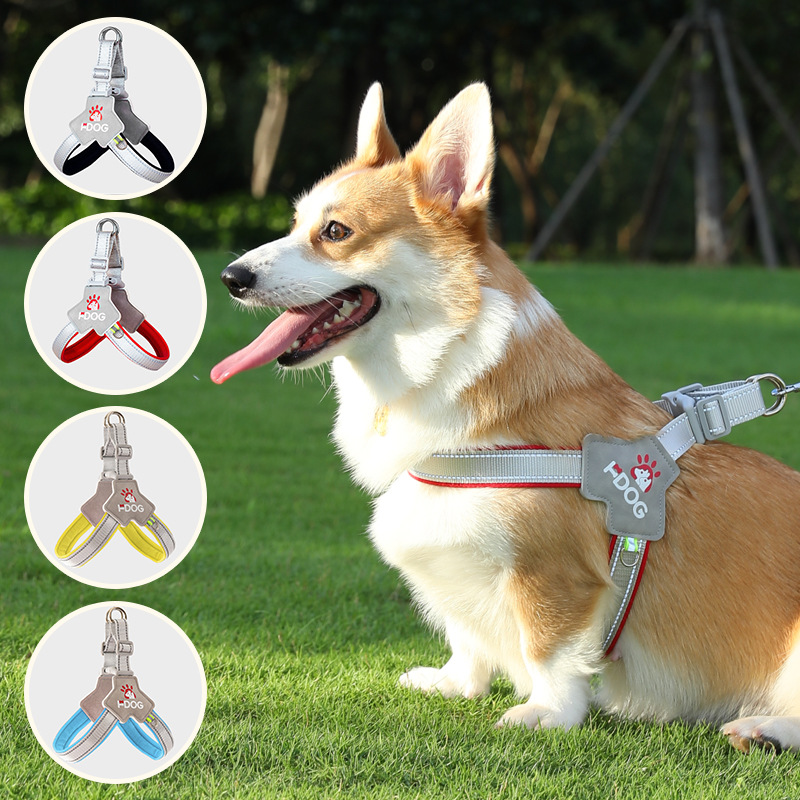
- Use a Suitable Collar: Pair the leash with a collar or harness that fits your dog properly. A poorly fitted collar or harness may cause discomfort or injury to the dog or compromise control during walks.
Maintaining Pet Leashes
Regular Cleaning
- Wash the Leash: After each use, rinse the leash with water to remove dirt and debris. For nylon or rope leashes, you can hand wash them with mild soap and water. Leather leashes can be cleaned with a damp cloth and a small amount of leather cleaner.
- Dry Thoroughly: After washing, air-dry the leash completely before storing it. Avoid exposing the leash to direct sunlight for extended periods, as this may cause the material to deteriorate. Hang the leash in a well-ventilated area to accelerate drying.
Storing Pet Leashes
- Avoid Clutter: Store the leash in a dry, well-ventilated area to prevent mold and mildew. Avoid coiling the leash tightly, as this may cause creases or damage. Instead, loosely fold or hang the leash.
- Keep Away from Pets: When not in use, store the leash out of reach of pets to prevent chewing or damage. This ensures the leash remains in good condition for future use.
Common Pet Leash Issues and Solutions
Leash Pulling
If your dog pulls on the leash, try using a front-clip harness or a specialized anti-pull leash. These tools can help correct pulling behavior. Additionally, use positive reinforcement to reward calm walking behavior and gradually train your dog to walk politely on a leash.
Leash Fear
Some dogs may be afraid of leashes. To address this, introduce the leash slowly by placing it near the dog and allowing it to sniff and explore. Associate the leash with positive experiences by offering treats or playing with the dog while the leash is nearby. Gradually acclimate the dog to wearing the leash.
Leash Reactivity
If your dog becomes reactive on the leash, such as lunging at other dogs or people, seek guidance from a professional trainer. Techniques like desensitization and counter-conditioning can help manage this behavior. Ensure the dog feels safe and secure during walks to minimize reactivity.
Leash Chewing
If your dog chews on the leash, provide appropriate chew toys to redirect its attention. When the dog tries to chew the leash, gently redirect it to the chew toy. You can also apply bitter-tasting spray to the leash to deter chewing.
Leash Refusal
If your dog refuses to walk on a leash, start training indoors using treats and praise to motivate the dog. Gradually transition to outdoor walks, rewarding calm behavior with treats and positive reinforcement. Be patient and persistent to help the dog adapt to leash walking.
Conclusion
Pet leashes play a vital role in the daily lives of pet owners. Choosing the right leash and using it correctly not only ensures the safety of pets but also enhances the enjoyment of walks and outdoor activities. By considering factors such as the dog’s size, breed, behavior, and intended use of the leash, pet owners can select a suitable leash that meets their needs. Proper use and maintenance of pet leashes can extend their lifespan and ensure a pleasant experience for both pets and owners. Whether you’re a new pet owner or a seasoned one, understanding the features and usage of pet leashes will help you find the perfect companion for your furry friend.
How to Purchase:https://looperbuy.com/search?keywords=pet+leash
Q&A
What are the common types of pet leashes?
The common types of pet leashes include nylon leashes, leather leashes, rope leashes, and retractable leashes. Each type has its own advantages and disadvantages. Nylon leashes are durable and affordable; leather leashes are soft and comfortable; rope leashes are environmentally friendly; and retractable leashes offer flexibility and convenience.
How to choose a pet leash based on the dog’s size and breed?
For small dogs, lightweight and flexible nylon or rope leashes are suitable, with a length of around 4 to 6 feet. Medium dogs can use nylon or leather leashes of 6 feet in length. Large dogs require sturdy nylon or leather leashes of 6 feet or longer to ensure sufficient strength and control.
How to address leash pulling behavior in dogs?
To correct leash pulling, you can use a front-clip harness or a specialized anti-pull leash. Additionally, employ positive reinforcement to reward calm walking behavior. Pause and wait for the dog to return to your side if it pulls ahead, then continue walking. Consistent training can gradually improve the dog’s leash manners.
Is it safe to use a retractable leash?
Retractable leashes can be convenient, but they also pose risks if not used properly, such as tangling or injury. When using a retractable leash, always supervise your pet to prevent accidents.
How to clean a pet leash?
After use, rinse the leash with water to remove dirt. Nylon or rope leashes can be hand washed with mild soap and water, while leather leashes can be cleaned with a damp cloth and a small amount of leather cleaner. Air-dry the leash completely before storing it.