China’s manufacturing base now spans high‑tech electronics, home goods, industrial tools, fashion and automotive products. This expert guide explains how global B2B sellers can turn “Made in China” capacity into low‑risk, high‑margin inventory using modern sourcing and drop‑shipping models.
China is no longer just “the world’s factory”; it is a diversified, innovation‑driven manufacturing powerhouse that quietly produces a huge part of what global B2B buyers resell every day. In this article, I’ll walk you through what is really manufactured in China today, how to choose the right categories, and how platforms like Looperbuy can turn that manufacturing capacity into low‑risk, high‑margin inventory for global B2B sellers.
Table of Contents
What “Made in China” Really Means Today
Over the past decade, China’s manufacturing sector has shifted from low‑cost labor to high‑tech, consumer goods and equipment manufacturing backed by automation and digital supply chains. Official data shows that equipment and high‑tech manufacturing PMIs have stayed in expansion territory, while value‑added output from major industrial enterprises keeps growing. For B2B buyers, this means more product variety, faster lead times, and better quality control than most people expect.
From my experience working with B2B manufacturing clients, the biggest change is the depth of specialization inside Chinese industrial clusters. A single city might now focus on just power tools or consumer electronics, giving buyers access to hundreds of competing factories under one category. When paired with a sourcing and drop‑shipping platform, this specialization allows global sellers to build focused, niche catalogs without tying up capital in stock.
Core Product Pillars Manufactured in China
1. Consumer Electronics and Smart Devices
China has become a central production base for smartphones, tablets, wearables, Bluetooth audio, smart home devices, and accessories that power global e‑commerce catalogs. In Shenzhen and surrounding regions, you’ll find complete ecosystems around PCB fabrication, battery packs, casings, and final assembly under one supply chain umbrella.
For B2B sellers, the most attractive sub‑categories usually include:
– Smartphones and tablets accessories
– Smartwatches and fitness trackers
– Bluetooth earphones and speakers
– Smart plugs, bulbs and home sensors
These categories are easy to ship, relatively small in size, and constantly refreshed with new designs—perfect for drop‑shipping without long‑term inventory commitments.
2. Home, Kitchen and Lifestyle Products
Beyond gadgets, China is a major source of home décor, kitchenware, storage solutions and everyday lifestyle items that fill online marketplaces and wholesale catalogs. Production clusters specialize in items such as stainless steel kitchen tools, plastic organizers, ceramic tableware, and soft furnishings.
High‑performing B2B categories in this space include:
– Kitchen tools and small appliances
– Home storage and organization products
– Bedding, textiles and decorative items
– Eco‑friendly products such as reusable bottles and bags
These products are attractive because they sell all year round, are easy to bundle, and often allow for private labeling or light customization with relatively low minimum order quantities. With a sourcing partner managing inspection and consolidation, global sellers can test new SKUs quickly and scale only the winners.
3. Industrial Tools, Hardware and Components
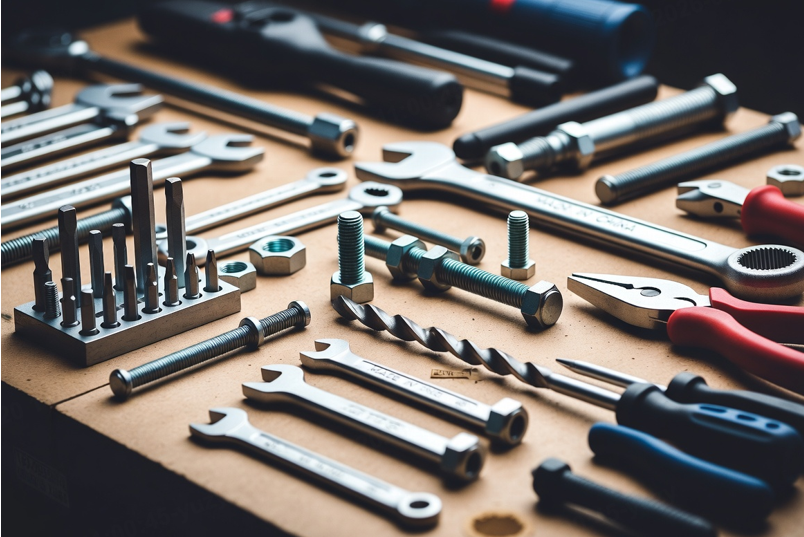
China’s role in industrial tools and hardware is often underestimated outside manufacturing circles. Yet the country produces huge volumes of hand tools, power tools, fasteners, valves, bearings, pumps and other components used in construction, maintenance and light industry.
Typical B2B‑friendly product lines include:
– Hand tools and workshop equipment
– Fasteners, brackets and small hardware
– Valves, fittings and basic fluid control components
– Electrical components and wiring accessories
From a B2B buyer’s perspective, these products provide stable, repeat demand from industrial clients and trade professionals. When you integrate these SKUs into a drop‑shipping or light‑stock model, you can serve regional distributors and contractors without building your own warehouse network.
4. Apparel, Footwear and Fashion Accessories
hina remains a core hub for garments, footwear, bags and fashion accessories, especially in mid‑range and fast fashion segments. Industrial clusters handle everything from fabric sourcing and dyeing to cutting, sewing and packaging, enabling high variety and short production runs.
Key sub‑categories that perform well in global markets include:
– Casual apparel and athleisure
– Workwear and uniforms
– Fashion handbags and backpacks
– Costume jewelry and seasonal accessories
For B2B sellers, the challenge used to be stock risk—fashion moves fast, and unsold inventory erodes margins. With a platform that combines sourcing, quality control and drop‑shipping, you can run smaller test batches, track sell‑through, and reorder only what the market proves it wants.
5. Automotive and Mobility‑Related Products
hina is now a vital supplier of automotive parts, accessories and mobility‑related products, from aftermarket components to items supporting electric vehicles (EVs). Manufacturers produce seat covers, lighting kits, mobile mounts, detailing tools, and even more advanced components for EV charging and battery systems.
Attractive segments for B2B buyers include:
– Universal car accessories (covers, organizers, mats)
– Lighting, dash cameras and safety devices
– Motorcycle and bicycle accessories
– Selected EV‑related accessories and tools
Because these products often have strong repeat purchase behavior, they fit well into B2B models focused on workshops, fleet operators and regional resellers. By sourcing from specialized factories, you can build a catalog that crosses traditional automotive and new‑energy mobility markets.
How China’s Manufacturing Data Translates Into B2B Opportunities
Recent official data indicates that high‑tech manufacturing and consumer goods production are expanding faster than traditional sectors, driven by both domestic demand and exports. At the same time, output from major industrial enterprises continues to grow, underlining the resilience and scale of China’s manufacturing base.
For global B2B buyers, these trends matter for three reasons:
1. Product Innovation: Factories regularly update product lines to stay competitive, giving you fresh SKUs to test without redesigning from scratch.
2. Capacity and Lead Time: Expansion in high‑tech and equipment manufacturing translates into more flexible capacity and shorter lead times for export orders.
3. Risk Diversification: A broad mix of consumer, industrial and high‑tech categories allows you to build a catalog that isn’t dependent on a single sector.
With a platform like Looperbuy managing supplier vetting, payments and logistics, you can take advantage of these macro trends without building your own on‑the‑ground sourcing team.
Why B2B Sellers Struggle With China Sourcing (And How to Fix It)
Even though opportunity is clear, many B2B sellers face recurring issues when they try to buy directly from factories or trading companies. The most common pain points I see in consulting work are:
– Fragmented supplier communication and inconsistent responses
– Hidden costs around payment, currency and shipping
– Lack of visibility on quality standards and inspection
– Difficulty consolidating shipments from multiple factories
– Capital tied up in stock that moves too slowly
The solution is not simply “finding better factories.” The real leverage comes from working through a sourcing and drop‑shipping layer that standardizes communication, negotiates terms, handles quality control, and integrates logistics into your B2B sales model. This is exactly where a platform like Looperbuy can transform isolated factory deals into a scalable procurement engine.
Turning “Made in China” Into Low‑Risk Inventory With Looperbuy
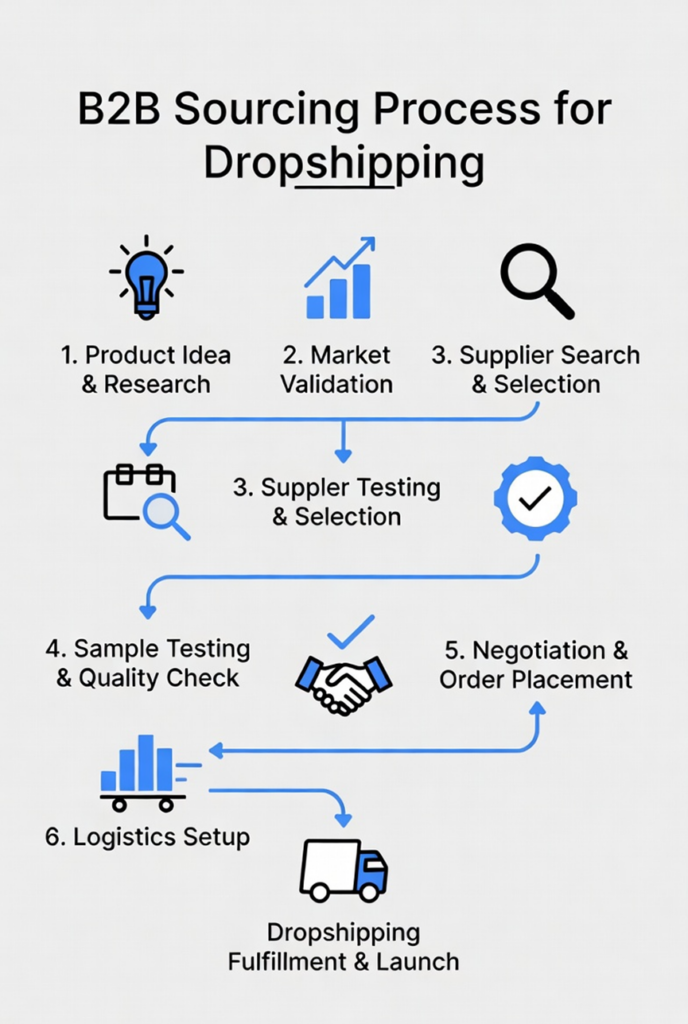
1. From Product Idea to Supplier Shortlist
nstead of searching random marketplaces, B2B sellers can start with a clear product segment—for example, smart home devices or workshop tools—and ask Looperbuy to match them with vetted suppliers in the relevant industrial clusters. This shortens the research phase and focuses your attention on factories already aligned with export standards and typical B2B requirements.
Once you have a shortlist, you can compare:
– Minimum order quantities and production capacity
– Certification and compliance for target markets
– Lead times for initial and repeat orders
– Options for private labeling or packaging tweaks
This structured process helps you avoid the scattershot approach that usually leads to misaligned expectations and quality issues.
2. Reducing Stock, Warehousing and Logistics Costs
raditional B2B procurement often assumes you must own large volumes of stock to serve clients quickly. In reality, with coordinated sourcing and drop‑shipping, you can maintain only strategic buffer stock—if any—and let your platform partner handle fulfillment.
Typical cost reductions include:
– Lower warehouse rental and handling expenses
– Reduced capital locked in slow‑moving SKUs
– Less manual work managing multiple logistics providers
– Fewer errors from manual packing and labeling
By integrating your catalog with Looperbuy’s fulfillment workflows, you can move closer to an “asset‑light” distribution model: your focus remains on sales, marketing and customer relationships, while the platform manages the supply and movement of goods.
3. Building a Differentiated B2B Catalog
any B2B sellers carry similar SKUs from identical factories, which makes price competition brutal. The more effective strategy is to design differentiated bundles and service packages around core Chinese‑manufactured products.
For example:
– Bundle power tools with consumables and safety gear for contractors
– Create “starter kits” for online sellers in specific niches
– Offer extended warranties or local after‑sales support on top of factory products
– Customize packaging and inserts for trade show or distributor channels
Looperbuy’s role is to give you the flexible access to products and configurations you need so you can construct offers that look unique in your market, even if the underlying components come from similar industrial clusters.
How to Choose the Right China Product Category
To move beyond the typical “trending products” lists, you can use a more strategic, B2B‑focused framework when selecting categories from China’s manufacturing base.
Step‑by‑Step Category Selection Framework
. Define your buyer persona.
Focus on a specific segment—industrial distributors, automotive workshops, online resellers in electronics, etc. The clearer the persona, the easier it is to match products to their real‑world workflows.
2. Map their recurring purchase patterns.
Identify consumables and repeat‑purchase items (tools, accessories, replacement parts) rather than one‑off capital goods. These usually provide steadier cash flow.
3. Check China’s manufacturing strengths in that segment.
Use public data and sourcing platforms to confirm that China has deep capacity, multiple suppliers and proven export experience for the product type.
4. Evaluate logistics and risk.
Consider product size, weight, fragility and regulatory constraints. Favor items that ship safely and predictably, even in multi‑country B2B chains.
5. Design your value‑added layer.
Decide how you will differentiate—through bundling, local support, financing, or digital tools—rather than purely on price.
Using this framework, “Made in China” becomes one ingredient in your overall value proposition, not the entire story.
Example China‑Manufactured Categories for B2B Sellers
| Product category | Typical buyers | China manufacturing strengths | B2B advantages |
| Smart home devices | Online resellers, retailers | Strong electronics clusters, fast innovation cycles | High margin accessories, frequent upgrades, small parcel shipping |
| Workshop tools and hardware | Industrial distributors, contractors | Mature tool and hardware manufacturing bases | Stable repeat demand, bundling potential with consumables |
| Kitchen and home organization | Retail chains, online marketplaces | Large variety, flexible MOQs, private label options | Evergreen demand, visual merchandising potential |
| Fast fashion accessories | Fashion resellers, marketplace sellers | Integrated garment and accessory clusters | Quick trend response, low unit cost, multiple styles per SKU |
| Automotive accessories | Workshops, fleet operators, resellers | Growing automotive and EV‑related production | Cross‑selling across vehicles, strong aftermarket demand |
China’s manufacturing ecosystem spans electronics, home goods, industrial tools, fashion and automotive products, backed by expanding high‑tech and consumer goods output. For global B2B sellers, the real opportunity lies in combining this manufacturing depth with a smart, asset‑light procurement and logistics model.
If you are planning to launch or expand a B2B catalog with Chinese‑made products, start by defining your ideal buyer, selecting 1–2 strategic categories, and then use Looperbuy to source, consolidate and drop‑ship those products with minimal stock risk. Once your first SKUs prove traction, scale into adjacent product lines while keeping your capital focused on growth rather than warehouse shelves.
FAQs
1. Is it still profitable to resell China‑manufactured products in B2B markets?
Yes. With the breadth of categories now available—from industrial tools to high‑tech consumer goods—B2B sellers can still build profitable catalogs, especially when they focus on bundles, repeat‑purchase items and value‑added services.
2. How can I reduce quality risks when sourcing from China?
Work through vetted suppliers and platforms that manage factory audits, sample checks and pre‑shipment inspections. Combining this with clear specifications and written standards substantially lowers quality variance.
3. Which product categories from China are best for drop‑shipping?
Compact, durable items such as electronics accessories, kitchen tools, small hardware and fashion accessories are typically ideal because they ship cheaply, have broad demand, and can be quickly replenished from factories.
4. How do I choose between multiple factories producing similar products?
Compare them based on certifications, production capacity, lead times, communication responsiveness and flexibility on customization. Platforms that aggregate supplier data make this comparison faster and more transparent.
5. What role does a platform like Looperbuy play in my B2B sourcing strategy?
Looperbuy acts as a bridge between your demand and China’s manufacturing base, helping you source, consolidate, fulfill and drop‑ship products so you can reduce stock, warehousing and logistics overhead while focusing on sales and customer relationships.
References
1. National Bureau of Statistics of China – China’s manufacturing sector sees stronger momentum with steady growth[english.www.gov]
2. National Bureau of Statistics of China – China’s industrial output up 5.9 pct in 2025[english.www.gov]
3. National Bureau of Statistics of China – Latest Releases[stats.gov]
4. China Briefing – China Manufacturing Industry Tracker (2024-25)[china-briefing]
5. World Bank – Manufacturing, value added (% of GDP), China[data.worldbank]
6. Macrotrends – China Manufacturing Output (2004-2025)[macrotrends]
7. HKTDC Research – PMI Report on China Manufacturing (July 2025)[research.hktdc]
8. Global Sources – Verified China Wholesale Supplier List[china.manufacturers.globalsources]
9. Made‑in‑China.com-Wholesale Global Sources Products[made-in-china]
10. Buyer‑side product sourcing guides – Best product categories to source from China for resale (2025)[china-sourcing-guide.vercel]
11. Buyer‑side product sourcing guides-China’s Top 37 Trending Products to Source in 2026 [buyersideatlas]
12. Trading Economics-China Exports by Category[tradingeconomics]