The global wholesale landscape is undergoing structural transformation. For B2B buyers—brand owners, distributors, and manufacturers—the way they source products from China has changed more in the past 18 months than in the previous decade. This shift is driven by three forces: the demand for wholesale changes in traditional sourcing models, the rise of integrated one-stop B2B sourcing platforms, and the widening gap between what legacy procurement systems deliver and what modern supply chains require.
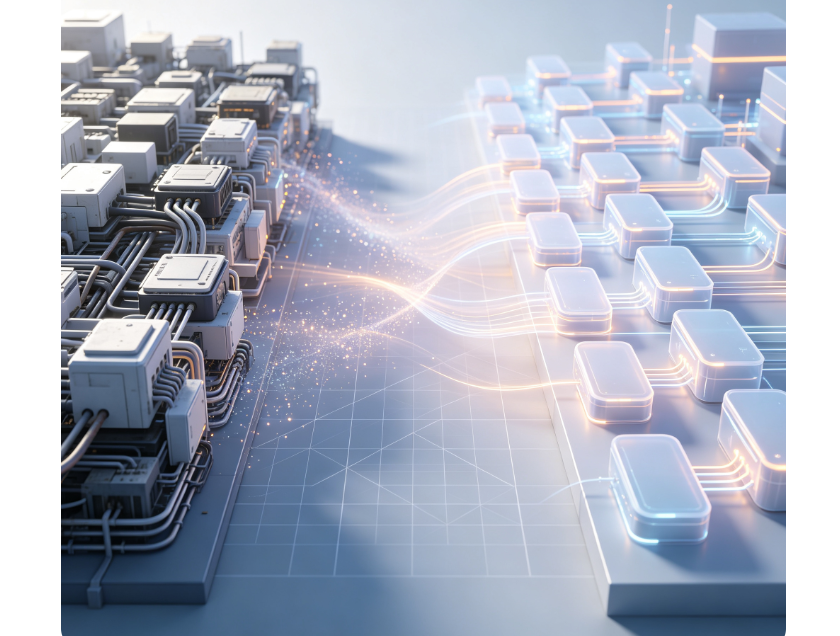
As a professional deeply embedded in cross-border B2B procurement, I have observed how sourcing from China has evolved from a fragmented, high-friction process into a streamlined digital workflow. The question is no longer whether to source from China, but how to do it effectively in an environment where speed, transparency, and cost control define competitive advantage.
Table of Contents
The New Reality of B2B Wholesale Sourcing
The B2B ecommerce market represents a $36 trillion opportunity, and platforms are racing to capture more of that value . Yet many buyers still struggle with the same pain points: language barriers, payment friction, unreliable logistics, and the sheer complexity of verifying suppliers from thousands of miles away.
I have seen businesses lose weeks—sometimes months—to supplier vetting alone. A European distributor I spoke with recently described their experience: “We spent three months negotiating with a supplier, only to discover their factory couldn’t meet our quality standards. We had to start over.” This scenario is common, and it points to a fundamental inefficiency in traditional wholesale sourcing.
Wholesale changes are overdue. The solution lies in platforms that consolidate the entire sourcing journey: discovery, negotiation, payment, quality control, and logistics. LooperBuy, a one-stop B2B sourcing platform launched in 2024, represents this new model. By connecting directly with Chinese factories and integrating with Alibaba’s 1688.com, it gives global buyers access to factory-direct pricing without the conventional obstacles .
Why Global Buyers Are Turning to Integrated Sourcing Platforms
Industry data supports what I am observing in the market. According to MIC International Station, buyers using AI-powered sourcing tools see up to a 35% improvement in procurement efficiency . This is not incremental improvement—it is transformative.
Several factors explain this shift.
Product variety and completeness rank first. Chinese manufacturing clusters offer unparalleled depth. In Guangdong province alone, buyers can source electronics, machinery, and consumer goods within a 50-kilometer radius. This proximity creates logistics efficiencies that are difficult to replicate elsewhere . A Swiss buyer at a recent global sourcing conference noted that “the speed and execution of Chinese factories are remarkable—workers will voluntarily work overtime to meet deadlines, which is rare in Europe” .
Cost advantage remains compelling, but it is no longer the only factor. I have found that sophisticated buyers evaluate total landed cost, not just unit price. Regional specialization in places like Zhejiang’s Ningbo region reduces lead times by up to 30% compared to fragmented Western supply chains .
Payment flexibility has emerged as a critical enabler. Platforms integrating with global payment providers like LianLian Global remove currency barriers. Buyers can now transact in multiple currencies without opening Chinese bank accounts or navigating complex remittance processes .
How One-Stop Platforms Solve Traditional Sourcing Pain Points
The wholesale changes I am seeing are structural, not cosmetic. Let me outline the specific friction points that modern platforms eliminate.
Supplier Discovery and Verification
Traditional sourcing requires attending trade fairs, maintaining relationships with trading agents, or navigating opaque supplier directories. One-stop platforms digitize this process. LooperBuy, for example, focuses on curating suppliers from 1688.com, China’s largest wholesale marketplace, which serves millions of business sellers .
The value proposition is clear: direct factory access without the markup of intermediaries. For small and medium-sized buyers, this dramatically lowers the barrier to entry.
Logistics and Delivery
Global logistics has always been the Achilles’ heel of cross-border sourcing. Hidden fees, customs delays, and unreliable tracking have frustrated buyers for decades. Integrated platforms partner with established logistics providers to offer transparent shipping costs and end-to-end tracking.
As one sourcing specialist observed, “The advertised shipping cost often ends up being more expensive than the goods themselves” . Reputable platforms address this by providing clear rate structures and multiple shipping options, from sample-friendly small parcels to bulk container shipments.
Payment Security
Payment risk is a significant concern for international buyers. Many have experienced the frustration of paying upfront only to receive substandard goods—or nothing at all. Modern platforms offer payment protection through verified partners.
LianLian Global’s partnership with LooperBuy provides a case in point. With over 60 global payment licenses and coverage across 100+ countries, it enables secure multi-currency transactions . For buyers, this removes a major source of anxiety.
The Technology Driving Wholesale Transformation
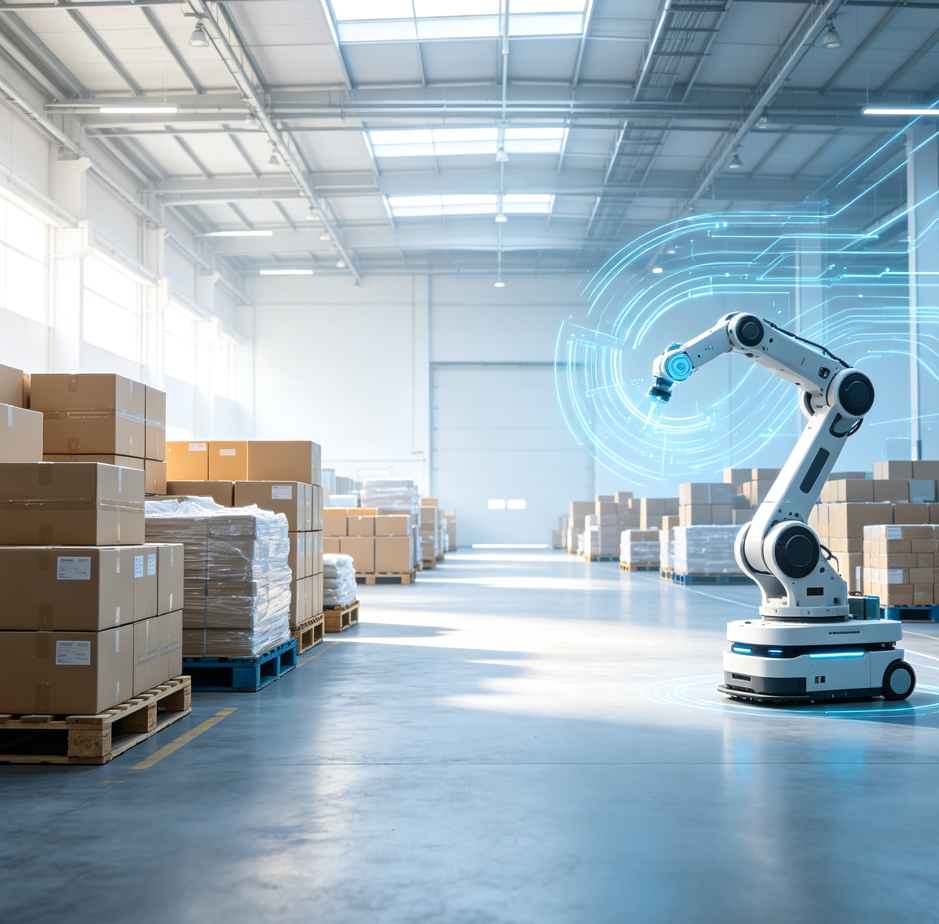
Technology is the engine behind these wholesale changes. AI tools now handle tasks that previously required human intervention.
AI-powered sourcing assistants like SourcingAI 2.0 can analyze a buyer’s rough concept or even an uploaded image, then generate precise supplier matches within approximately three minutes . This capability—moving from “having a vague idea” to “shortlisted suppliers”—represents a step change in sourcing efficiency.
A procurement manager from Africa described their experience: “The AI tool is so smart. When I only have a rough idea and cannot describe it clearly, it can still extract my purchase needs from a picture” .
Digital verification tools address the trust deficit in cross-border sourcing. Industrial-grade 3D modeling, for example, allows buyers to inspect machinery remotely, rotating and zooming in on nameplates and components as if they were physically present .
What Wholesale Changes Mean for Your Sourcing Strategy
Based on my analysis of current market dynamics, I recommend the following approach for buyers seeking to optimize their China sourcing strategy.
First, evaluate platforms based on their ecosystem completeness. Does the platform handle discovery, payment, and logistics? Fragmented solutions create fragmented experiences.
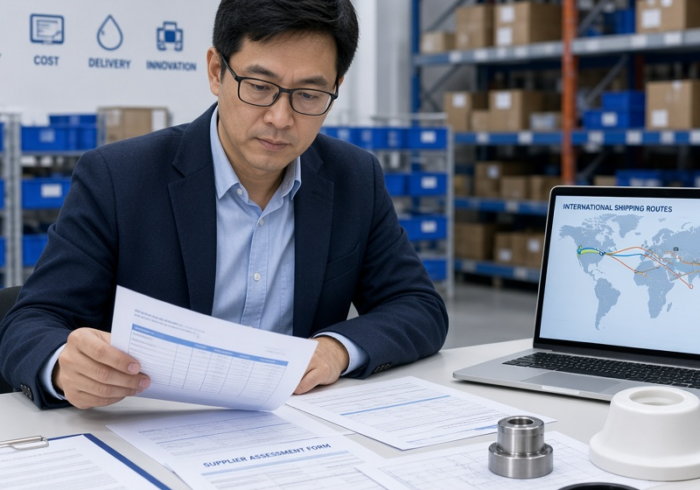
Second, prioritize transparency in pricing and supplier credentials. A supplier’s on-time delivery rate, reorder rate, and response time are reliable indicators of reliability. Look for reorder rates above 30% and response times under four hours .
Third, implement staged payments as a risk mitigation strategy. Milestone-based terms—30% deposit, 40% upon production completion, 30% after shipment—align incentives and protect against non-delivery .
Fourth, start with pilot orders before scaling. Test the entire chain—order placement, production, logistics, delivery—to identify bottlenecks early.
The Future of B2B Sourcing from China
The wholesale changes we are witnessing are not temporary. They reflect a fundamental realignment of how global trade operates. China remains the world’s manufacturing backbone, but the channels for accessing that capacity are modernizing rapidly.
Platforms like LooperBuy are at the forefront of this transformation, offering global brands, wholesalers, and manufacturers a streamlined path to Chinese sourcing. By integrating factory-direct pricing, multi-currency payment, and reliable logistics into a single interface, they reduce the complexity that has historically deterred smaller buyers while improving efficiency for large enterprises.
The question for buyers is whether to embrace these changes or risk being left behind in an increasingly competitive global marketplace.
Ready to transform your sourcing strategy? Explore how LooperBuy can connect you with verified Chinese suppliers, streamline your procurement process, and reduce your total landed cost. Visit LooperBuy today to start sourcing smarter.
Frequently Asked Questions
Q1: What is a one-stop B2B sourcing platform, and how does it differ from traditional sourcing agents?
A one-stop platform integrates supplier discovery, negotiation, payment, quality control, and logistics into a single digital workflow. Unlike traditional agents who mark up prices and add layers of communication, these platforms connect buyers directly with verified Chinese factories, offering greater transparency and cost control.
Q2: How can I verify a Chinese supplier’s reliability without visiting the factory?
Look for digital footprints: on-time delivery rates above 90%, reorder rates exceeding 30%, and response times under four hours. Platforms increasingly offer virtual factory tours through video calls or 3D modeling. For high-value orders, consider staged payments to mitigate risk.
Q3: What payment options are available for international buyers sourcing from China?
Modern platforms support multi-currency payments through partners like LianLian Global. Buyers can transact in USD, EUR, and other major currencies without needing a Chinese bank account. Payment protection and escrow services add an extra layer of security.
Q4: Are shipping costs transparent on these platforms?
Reputable platforms provide clear rate structures with multiple options: air freight for urgent small parcels, sea freight for bulk shipments, and courier services for samples. Always check total landed cost, including insurance, duties, and handling fees.
Q5: What industries benefit most from sourcing through a one-stop platform?
Electronics, machinery and automotive parts, consumer goods, textiles, and industrial supplies are particularly well-suited due to China’s deep manufacturing clusters in these sectors. However, the model is expanding to cover nearly all product categories.
References
- Uncap Commerce. “Shopify Editions Summer 2026: B2B and Wholesale Changes.” Available at: https://www.uncap.com/post/shopify-editions-summer-2026-b2b-wholesale
- Made-in-China.com. “Made-in-China.com Showcases Industrial-Grade 3D Modeling and SourcingAI at Manufacturing Expo 2026.” Available at: https://www.tmcnet.com/usubmit/2026/07/14/10413959.htm
- Alibaba.com. “Strategic Sourcing from China: Evaluate Suppliers & Optimize Procurement.” Available at: https://www.alibaba.com/price-comparison/china-venders
- Google Play. “1688 – Apps on Google Play.” Available at: https://play.google.com/store/apps/details?id=com.alibaba.wireless&hl=en_AU
- Wholesale Manager. “What’s new? – WM discovers the big trends for the year ahead.” Available at: https://wholesalemanager.co.uk/whats-new-wm-discovers-the-big-trends-for-the-year-ahead/
Hot Tags
B2B sourcing platform, wholesale changes, China procurement, global supply chain, one-stop sourcing, factory-direct sourcing, cross-border B2B, sourcing from China, B2B ecommerce, international procurement