This article explains what makes top CPG companies successful in 2026 and how B2B sellers can learn from their brand, supply chain, packaging, and fulfillment strategies. It turns the original source into a deeper, more practical guide for sourcing teams, wholesalers, and global buyers.
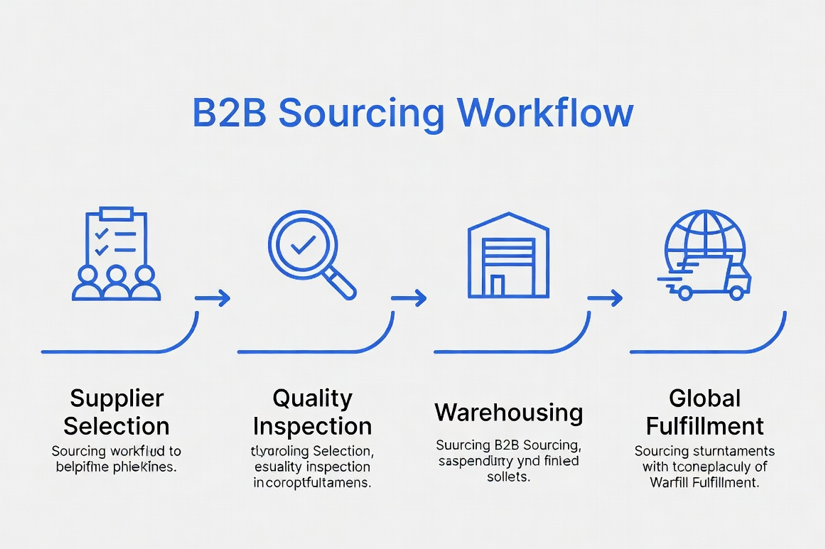
Table of Contents
Why CPG Leaders Matter More Than Ever
Consumer packaged goods companies sit at the center of everyday commerce. They sell the products people buy again and again, from food and beverages to household essentials, personal care items, and health products. In 2026, the strongest CPG companies are not only winning through brand power, but also through faster innovation, smarter supply chains, and better execution across retail and digital channels.
For B2B sellers, wholesalers, importers, and sourcing teams, these companies are more than household names. They are working examples of how to build resilient procurement, reduce risk, and stay relevant in fast-moving categories. If you understand how leading CPG brands operate, you can make better decisions about sourcing, packaging, fulfillment, and market positioning.
What Defines a Top CPG Company
A top CPG company is usually one that combines scale, brand trust, distribution strength, and operational discipline. These leaders tend to manage large portfolios, maintain broad retail access, and invest heavily in packaging, pricing, product development, and supply chain visibility.
But size alone does not make a brand a leader. In today’s market, the best CPG companies also do the following well:
– Launch products that match changing consumer demand.
– Keep products available across multiple channels.
– Protect margin while facing private-label competition.
– Use data to guide pricing, promotions, and inventory.
– Build brand loyalty through consistent quality and clear positioning.
In other words, the strongest companies are not simply selling more. They are running more intelligently.
The Companies Setting the Pace
The leaders in the CPG space generally include names such as Nestlé, Procter & Gamble, PepsiCo, Unilever, Coca-Cola, Johnson & Johnson, and Colgate-Palmolive. These companies remain highly influential because they combine global reach with deep category expertise.
Each leader has a different strength:
– Procter & Gamble is known for household and personal care efficiency.
– Nestlé is strong in food and beverage breadth.
– PepsiCo combines snacks and beverages to defend shelf space.
– Unilever ties brand strength to sustainability and portfolio diversity.
– Coca-Cola leads with distribution power and iconic brand equity.
– Colgate-Palmolive wins through repeat-use essentials and category focus.
What makes these brands useful to study is not just their scale. It is the way they manage growth across regions, products, and supply chains while keeping their brand promise intact.
What Changed in 2026
The CPG sector in 2026 is being shaped by several strong forces. AI-driven decision-making, private-label competition, health-and-wellness demand, and supply chain resilience are now central concerns for brand owners and distributors. At the same time, consumer price sensitivity remains high, and that is pushing many shoppers to compare alternatives more aggressively than before.
This shift matters because the CPG market is no longer defined by shelf presence alone. Brands now need to balance four demands at once:
1. Stay affordable enough to compete.
2. Stay differentiated enough to earn loyalty.
3. Stay available enough to prevent stockouts.
4. Stay flexible enough to respond to rapid demand changes.
That is a difficult balancing act, especially when raw material costs, logistics complexity, and international trade risks are all in the mix.
What Top Brands Do Differently
The best CPG companies tend to outperform because they treat procurement, marketing, and product development as one connected system. They do not isolate supply chain decisions from consumer demand. Instead, they align product availability with shopper expectations and retailer requirements.
Several patterns stand out:
– They use analytics and AI to improve demand forecasting and pricing decisions.
– They invest in omnichannel execution so products can sell through stores, marketplaces, and direct channels.
– They strengthen supply chain agility to handle disruptions faster.
– They prioritize sustainability, especially in packaging and sourcing.
– They keep innovating in high-growth segments such as functional foods, zero-sugar beverages, and wellness-focused products.
This is where many mid-sized brands fall behind. They may have a strong product, but their systems are too slow, too fragmented, or too dependent on manual processes. The market rewards speed and consistency, not just good branding.
Lessons for B2B Sellers
For B2B sellers serving CPG brands, the biggest lesson is simple: buyers care about reliability as much as price. If a supplier cannot keep quality, delivery, and communication consistent, the CPG brand will move on quickly.
That means your value proposition should go beyond low cost. You need to show that you can reduce sourcing friction, improve supply certainty, and support long-term growth.
Three lessons are especially useful:
– Reduce sourcing friction. CPG buyers want fewer handoffs, fewer delays, and fewer errors.
– Support inventory flexibility. Brands do not want to overstock slow-moving SKUs when demand is uncertain.
– Offer fulfillment confidence. Fast replenishment, quality checks, and logistics visibility are now part of the value package.
This is especially important for B2B sellers dealing with export markets, where order timing, customs handling, and warehouse coordination can make or break the customer experience.
Why Supply Chain Strength Is a Competitive Edge
A strong CPG brand is only as strong as the supply chain behind it. Global trade pressure, margin compression, and stockout risk have made sourcing strategy a core advantage rather than a back-office function.
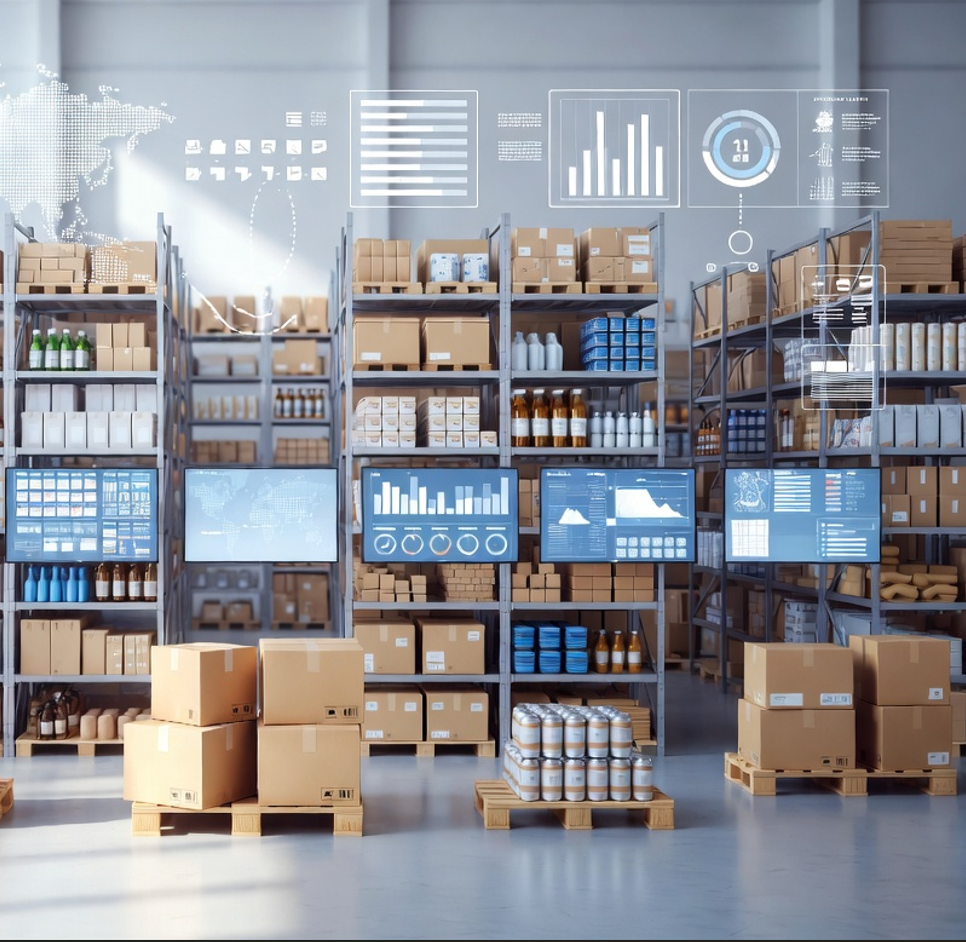
That is why integrated sourcing models are becoming more attractive. Buyers increasingly want suppliers who can handle product sourcing, quality inspection, warehousing, and fulfillment in one connected process. This reduces the number of separate vendors a business has to manage and makes it easier to move quickly when demand changes.
For companies sourcing from China, this is especially valuable. It can reduce the need for large upfront inventory, lower warehousing burden, and simplify the path from product discovery to market launch.
How LooperBuy Fits the Need
LooperBuy positions itself as an all-in-one B2B sourcing platform offering China product sourcing, dropshipping, OEM/ODM manufacturing, quality inspection, free warehousing, and global fulfillment.
That combination is highly relevant to the current CPG environment because it supports a more flexible operating model. Instead of forcing buyers to commit to large quantities before demand is proven, an integrated sourcing platform can help them test, scale, and replenish with less risk.
This is especially useful for:
– Brand owners launching new consumer products.
– Wholesalers testing new SKUs.
– Importers seeking better cost control.
– Ecommerce sellers needing faster replenishment.
– International buyers who want to simplify cross-border operations.
For many businesses, the biggest challenge is not finding products. It is managing the entire chain from supplier to customer in a way that does not consume too much cash, time, or internal bandwidth.
What Buyers Should Watch Before Choosing a CPG Supplier
Not every supplier that looks attractive on paper will perform well in real operations. Before committing to a sourcing relationship, buyers should look beyond price and check the following areas carefully:
– Product consistency across batches.
– Lead time reliability.
– Packaging quality and labeling accuracy.
– Ability to handle repeat orders without disruption.
– Responsiveness during issue resolution.
– Flexibility for custom branding or packaging changes.
– Warehouse and shipping visibility.
These details matter because CPG products are often repetitive, low-friction purchases. A small quality issue can quickly create customer complaints, returns, or retailer penalties. One weak shipment can also damage trust in a way that is hard to repair later.
A strong supplier should be able to explain how they prevent mistakes, monitor quality, and keep replenishment on schedule. If they cannot, that is a warning sign.
The Role of Packaging and Shelf Appeal
Packaging is one of the most underestimated parts of the CPG business. It is not only a branding tool. It also affects logistics, storage efficiency, shelf visibility, and perceived product value.
In crowded categories, packaging often decides whether a product gets noticed. A better label, clearer messaging, or more premium look can improve conversion without changing the product itself. For B2B sellers, this means packaging should be treated as part of the sourcing strategy, not as an afterthought.
Good packaging should do four things:
1. Protect the product during shipping.
2. Communicate the brand clearly.
3. Fit retail or marketplace requirements.
4. Support cost-effective storage and fulfillment.
Brands that neglect packaging often pay for it later through damage, returns, weaker shelf performance, or poor customer perception.
How Data Changes CPG Decision-Making
Data is now one of the biggest differentiators in the CPG sector. The strongest companies do not rely only on historical sales patterns. They use real-time or near-real-time signals to make faster decisions about inventory, promotion timing, product launches, and pricing.
This matters because consumer behavior changes quickly. A product that performs well in one region or channel may not perform the same way elsewhere. Data helps brands identify what is working, where it is working, and why.
For B2B sourcing teams, this means three things:
– Forecast demand more accurately.
– Avoid dead stock.
– Reorder the right items at the right time.
Without data discipline, even a strong product line can become inefficient. With data discipline, a brand can scale more confidently and reduce waste.
Practical Playbook for Buyers
If you are sourcing CPG-related products from China or building a private-label line, a disciplined approach matters. Use this sequence:
1. Define your target category and price band.
2. Identify stable suppliers with proven quality control.
3. Request samples and inspect packaging consistency.
4. Test fulfillment speed and communication response time.
5. Start with a small batch before scaling.
6. Track reorder performance, defect rates, and customer feedback.
7. Use replenishment data to refine SKU selection and inventory levels.
This process reduces risk and helps buyers move from trial to scale with more confidence. It also creates a stronger foundation for long-term growth because each stage of the supply chain is measured instead of assumed.
Common Mistakes CPG Buyers Make
Many sourcing problems are not caused by the market. They are caused by avoidable decision mistakes. Some of the most common ones include:
– Choosing suppliers only on lowest price.
– Ignoring packaging and labeling quality.
– Overestimating early demand.
– Failing to verify logistics performance.
– Expanding too many SKUs too quickly.
– Not building enough safety margin into lead times.
– Treating sourcing as a one-time activity instead of an ongoing system.
These mistakes can lead to higher costs later, even if the initial order looked profitable. Smart buyers focus on total value, not just unit price.
Why This Matters Now
The CPG industry is moving toward faster planning, better visibility, and more flexible fulfillment models. Brands that adapt quickly can protect margins and improve service levels, while suppliers that support speed and reliability can become long-term partners.
For LooperBuy, the opportunity is clear: help B2B sellers source smarter, ship faster, and operate with less inventory pressure. In a market where consumer demand changes quickly, that is a real competitive edge.
If you are building or scaling a CPG-related B2B business, the next step is to simplify sourcing, reduce stock risk, and improve fulfillment consistency. Start with a sourcing workflow that supports testing, quality control, and flexible replenishment.
FAQs
1. What does CPG mean?
CPG stands for consumer packaged goods, which are everyday products that consumers buy repeatedly, such as food, beverages, toiletries, and cleaning items.
2. Which companies are considered top CPG leaders?
Commonly recognized leaders include Procter & Gamble, Nestlé, PepsiCo, Unilever, Coca-Cola, Johnson & Johnson, and Colgate-Palmolive.
3. Why are CPG companies important for B2B sellers?
They represent high-volume, repeat-purchase demand and often need stable suppliers, flexible fulfillment, and reliable quality control.
4. What is changing in the CPG industry in 2026?
The biggest changes include AI adoption, private-label pressure, health-focused innovation, and stronger demand for supply chain agility.
5. How can sourcing platforms help CPG businesses?
They can reduce inventory pressure, simplify procurement, improve logistics visibility, and support faster product testing and scaling.
6. Is LooperBuy useful for CPG sourcing?
Yes. LooperBuy’s sourcing, inspection, warehousing, and fulfillment services align well with the needs of CPG and adjacent B2B businesses.
References
– Global Sources. “Top CPG Companies of 2025: Learning from the Leaders.” [https://www.globalsources.com/knowledge/top-10-cpg-companies-learning-from-the-leaders/]
– Verified Market Research. “Top CPG Companies: Market Share & Analyst Evaluation.” [https://www.verifiedmarketresearch.com/blog/top-cpg-companies/]
– LooperBuy. “B2B China Sourcing Platform & Dropshipping Solutions.” [https://looperbuy.com/]
– LooperBuy Blog. “The 2026 Guide to B2B Procurement.” [https://blog.looperbuy.com/the-2026-guide-to-b2b-procurement-how-a-one-stop-sourcing-platform-simplifies-global-buying-from-chin…]
– NVIDIA / Pertama Partners. “State of AI in Retail & CPG 2026.” [https://www.pertamapartners.com/insights/research/state-of-ai-in-retail-and-cpg-2026-survey-report]
– Deloitte. “2026 Consumer Products Industry Global Outlook.” [https://www.deloitte.com/us/en/insights/industry/consumer-products/consumer-products-industry-outlook.html]
– Birkmann Group. “CPG Supply Chain Trends for 2026.” [https://birchmangroup.com/cpg-supply-chain-trends-in-2026-a-technology-driven-outlook]
– DOSS. “5 CPG Industry Trends to Watch in 2026.” [https://www.doss.com/blog/5-cpg-industry-trends-to-watch-in-2026]
– NetSuite. “13 Key CPG Industry Trends in 2026.” [https://www.netsuite.com/portal/resource/articles/business-strategy/cpg-industry-trends.shtml]