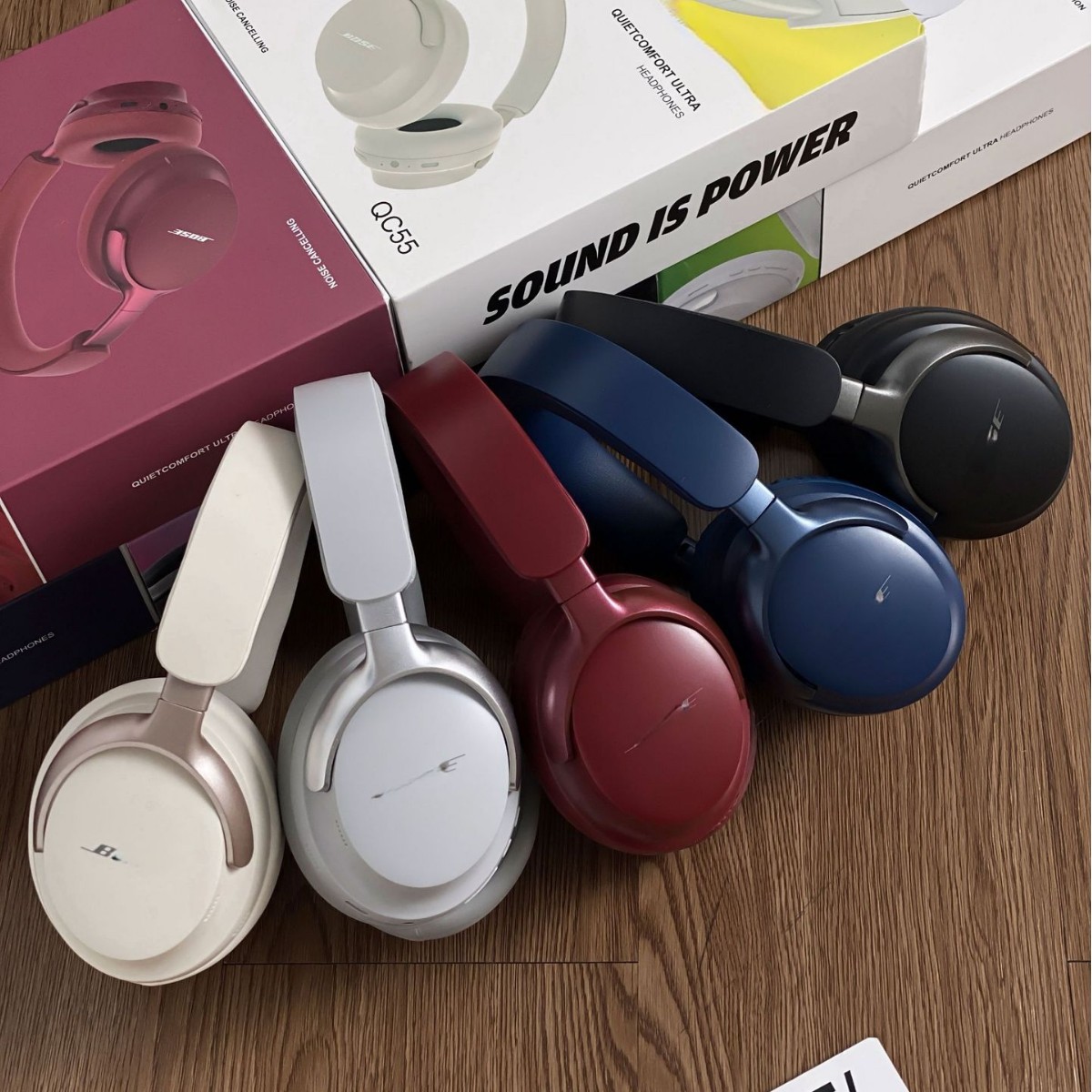
The quest for silence in an increasingly noisy world has become a defining pursuit of modern technology. At the center of this pursuit stands one name that has become synonymous with auditory serenity: Bose. For decades, Bose noise cancelling headphones have represented the gold standard for travelers, office workers, and audiophiles alike. What began as a frustrated observation on an international flight has blossomed into a multi-billion dollar industry that has fundamentally changed how we experience sound. This article explores the intricate history, the groundbreaking engineering, and the future trajectory of the technology that taught the world how to listen to nothing but the music.
Table of Contents
The Genesis of Acoustic Noise Cancelling Technology
The story of Bose noise cancelling headphones does not begin in a laboratory, but rather at 30,000 feet. In 1978, Dr. Amar Bose, the founder of the company and an MIT professor, was on a flight from Zurich to Boston. The airline had provided him with a new set of electronic headphones, but to his disappointment, the overwhelming roar of the jet engines rendered the music nearly unlistenable. Instead of simply accepting the limitation, Dr. Bose began scratching out the mathematical foundations for what would become active noise cancellation (ANC). By the time the plane touched down in Massachusetts, the conceptual framework for a revolution in audio was born.
The Physics of Anti-Noise
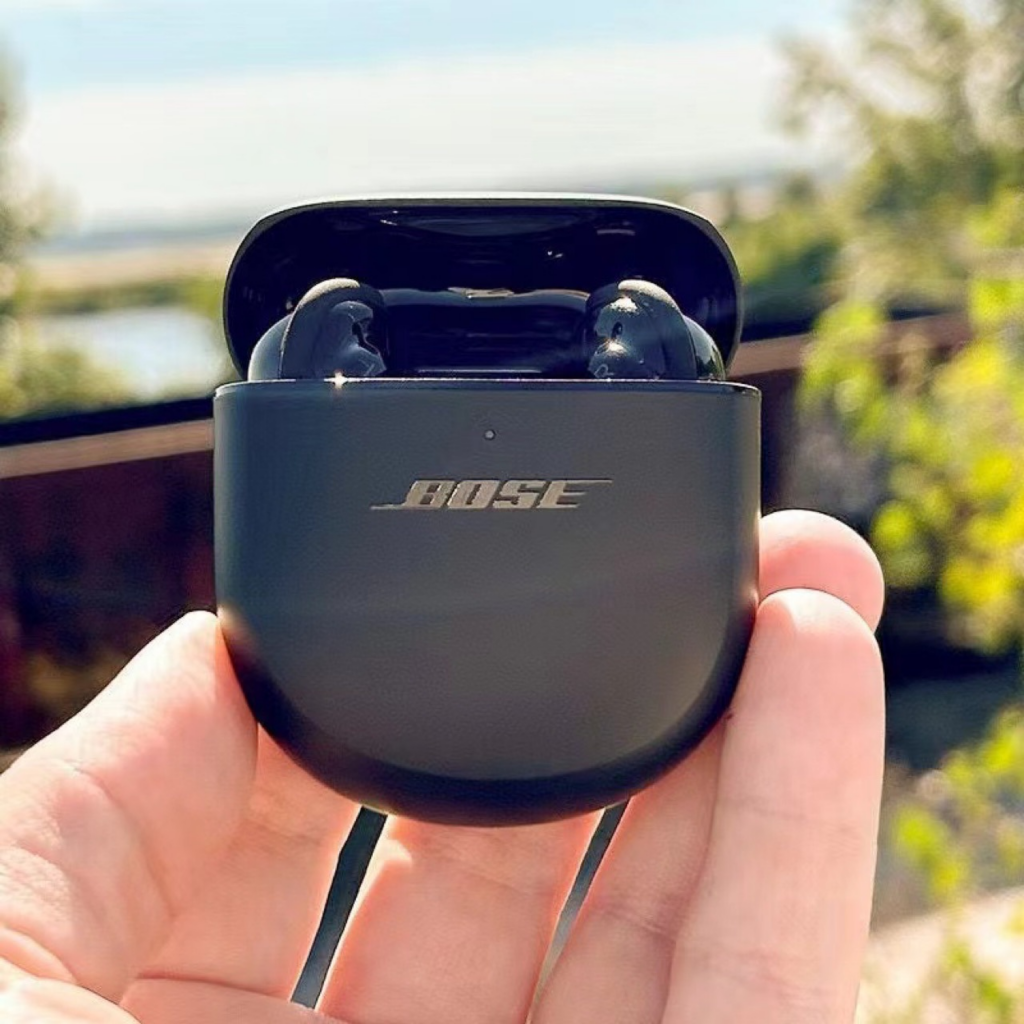
To understand why Bose headphones are so effective, one must first understand the physics of sound. Sound travels in waves, characterized by peaks and valleys. Active noise cancellation works on the principle of “destructive interference.” Bose engineers developed a system where microphones placed both inside and outside the earcups constantly monitor the ambient sounds around the listener.
The internal electronics then instantly calculate an equal and opposite signal—essentially an “anti-noise” wave. When the peak of the background noise meets the valley of the anti-noise wave generated by the headphones, the two cancel each other out. This happens in milliseconds, creating a vacuum of silence that allows the actual audio drivers to work without having to “fight” the environment. This distinction is crucial; while other brands often rely on high volume to drown out noise, Bose focuses on eliminating the noise at its source.
From the Cockpit to the Commute
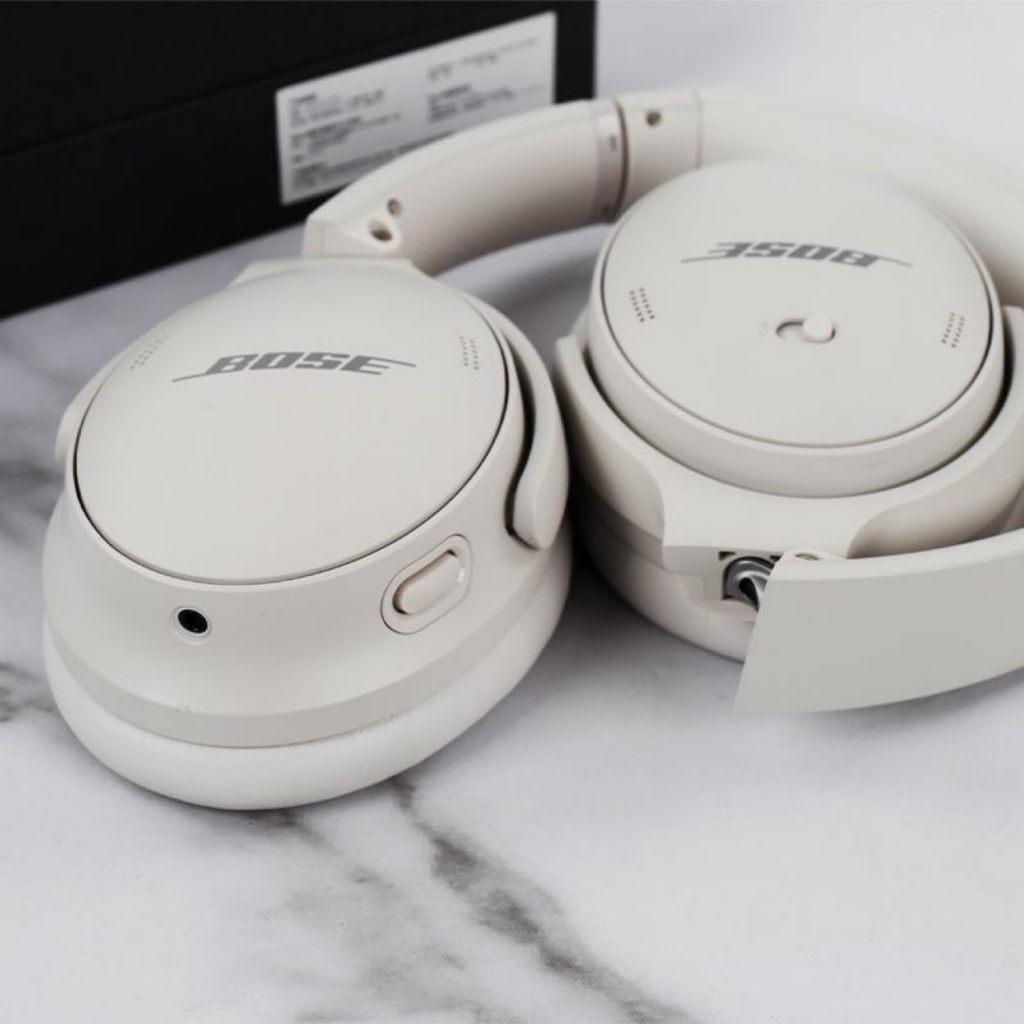
It took fifteen years of research and millions of dollars in investment before the first commercial product was ready. Initially, the technology was too bulky and expensive for the average consumer. In 1989, Bose released the Series I Aviation Headset. It was a massive success among pilots, who finally had a way to protect their hearing and communicate clearly over the deafening noise of cockpits.
The transition to the consumer market happened gradually. In the late 1990s, Bose began refining the technology for frequent flyers who weren’t in the cockpit but in the cabin. The launch of the QuietComfort (QC) line in 2000 marked a turning point. It proved that there was a massive appetite among the general public for high-fidelity audio coupled with the ability to “turn off” the world. The QC1 was the spark, but it was the subsequent iterations that would cement the brand’s dominance.
A Legacy of Comfort: The QuietComfort Series Deep Dive
If noise cancellation is the soul of Bose, then comfort is its heart. The “QuietComfort” moniker was not a marketing accident; it reflected a core design philosophy. Bose understood early on that if a user is meant to wear headphones for a fifteen-hour flight across the Atlantic, the physical sensation of the device is just as important as the sound quality.
The Breakthrough of the QC25 and QC35
For many years, the Bose QC15 and later the QC25 were the unofficial uniforms of the business traveler. They featured a signature “clamshell” design and AAA battery power that lasted for dozens of hours. However, the real paradigm shift occurred with the introduction of the QuietComfort 35 (QC35) in 2016.
The QC35 took everything Bose had mastered—the industry-leading ANC and the legendary ergonomics—and cut the cord. It was one of the first premium Bluetooth headphones that didn’t compromise on noise reduction performance. The QC35 and its successor, the QC35 II, became icons. Their lightweight plastic build was often criticized by those who preferred “premium” materials like metal or leather, but users quickly realized that plastic was the secret to their all-day wearability. You could wear a pair of QC35s for eight hours and forget they were on your head.
The Shift to Modernity: The Bose 700
In 2019, Bose broke its own mold with the Noise Cancelling Headphones 700. This was a departure from the folding design of the QC series, opting instead for a sleek, stainless-steel headband and a more futuristic aesthetic. The 700s weren’t just about blocking noise for the wearer; they were about blocking noise for the person on the other end of a phone call.
With an eight-microphone system, the 700s could isolate the user’s voice while suppressed the surrounding wind and chatter. This made them the ultimate tool for the “new normal” of remote work and endless Zoom calls. While some purists missed the folding hinge of the older models, the 700s proved that Bose could compete in the high-end lifestyle segment without losing its technical edge.
The Evolution of the Standard QuietComfort
In recent years, Bose has returned to its roots by reviving the classic QuietComfort name. The current “standard” Bose QuietComfort Headphones offer a refined version of the classic design. They retain the physical buttons that many users prefer over touch controls and provide a “Quiet Mode” and an “Aware Mode.” The latter is particularly impressive, using the external microphones to pipe in ambient sound so naturally that it feels as though you aren’t wearing headphones at all. This transparency is vital for commuters who need to hear train announcements or cyclists who need to stay aware of traffic.
The Ultra Era: Immersive Audio and Next-Gen Engineering
As we moved into 2024 and 2025, the competitive landscape for audio grew fiercer. With Sony, Apple, and Sennheiser all producing world-class ANC products, Bose responded by launching the Ultra series. The Bose QuietComfort Ultra Headphones represent the pinnacle of what the company has achieved in terms of both digital signal processing (DSP) and physical acoustics.
Defining the QuietComfort Ultra Experience
The Ultra model is designed to be the “everything” headphone. It replaces the Noise Cancelling Headphones 700 as the flagship while re-incorporating the folding design that users loved in the QC35 and QC45. The most significant advancement in this generation is “Bose Immersive Audio.” This is Bose’s take on spatial audio, but with a unique twist. Unlike other systems that require specific Atmos-encoded tracks, Bose’s Immersive Audio uses proprietary processing to turn any stereo recording into a three-dimensional soundstage. It makes the music feel like it’s coming from a pair of high-end speakers in front of you rather than being pumped directly into your ear canals.
CustomTune Technology: Sound Personalization
Every human ear is shaped differently, and those physical differences change how sound waves bounce around before hitting the eardrum. Bose addressed this with “CustomTune” technology. Every time you put on a pair of QuietComfort Ultra headphones, they play a small chime. Microphones inside the earcup listen to how your unique ear anatomy reflects that chime and then instantly calibrate the noise cancellation and the frequency response to match. This ensures that a person with a small ear canal gets the same high-quality bass and silence as someone with a much larger ear structure.
Spatial Audio and the Immersive Mode
The Immersive Audio feature offers two distinct settings: “Still” and “Motion.” In “Still” mode, the sound stays fixed in space. If you turn your head to the left, the “virtual speakers” stay where they were, making it feel like you are sitting in a concert hall. In “Motion” mode, the soundstage follows you, which is ideal for walking or commuting. This level of computational audio is the new frontier for Bose noise cancelling headphones, moving beyond simple silence and into the realm of architectural sound design.
Practical Performance: Noise Cancellation in the Real World
While technical specs are impressive on paper, the true value of Bose noise cancelling headphones is found in their daily utility. These devices are tools for productivity as much as they are instruments for entertainment.
Quiet vs. Aware Modes
The modern Bose experience is built around “Modes.” In “Quiet Mode,” the ANC is pushed to its maximum. This is designed for the roar of an airplane engine or the hum of a crowded office. In “Aware Mode,” the headphones use ActiveSense technology. This is a smart feature that keeps the world “open” so you can hear conversations, but if a loud noise occurs—like a bus honking or a jackhammer starting—the headphones instantly dampen that specific loud sound while keeping the rest of the environment audible. It is a seamless way to stay connected to your surroundings without being assaulted by them.
Microphone Quality for Remote Work
The rise of the hybrid workforce has placed a premium on microphone quality. Bose has integrated sophisticated beamforming arrays into their headsets. These arrays are designed to focus on the user’s mouth while ignoring “off-axis” noise. This means you can take a business call in a busy Starbucks, and the person on the other end will hear you clearly, often without even realizing you are in a public space. This capability has made Bose a favorite in the corporate world, where clarity is non-negotiable.
Battery Longevity and Quick Charge Capabilities
In the early days, running out of battery meant your headphones were useless. Modern Bose headphones have solved this with significantly improved power management. The standard QuietComfort models offer about 24 hours of battery life, while the Ultra models provide up to 24 hours with ANC on (or 18 hours with Immersive Audio enabled). Perhaps more importantly, they feature “Quick Charge.” Plugging them in for just 15 minutes can yield up to 2.5 hours of playback. For the traveler who realizes their battery is dead 20 minutes before boarding a flight, this feature is a lifesaver.
Strategic Comparison: Bose vs. The Competition
To understand the current standing of Bose noise cancelling headphones, one must look at how they fare against their primary rivals: Sony and Apple.
Bose vs. Sony: The Battle of the Titans
Sony’s WH-1000XM series (specifically the XM5 and the newer XM6) is the primary challenger to Bose’s throne. Sony often leads in terms of sheer features, such as “Speak-to-Chat” andLDAC support for high-resolution audio. However, Bose consistently wins on two fronts: ANC “consistency” and “comfort.” While Sony’s noise cancellation is world-class, some users find it can feel “pressurized” (the “cabin pressure” feeling). Bose’s cancellation often feels more natural and less intrusive. Additionally, the physical fit of Bose headphones is generally considered superior for very long sessions due to the depth of the earcups and the weight distribution.
Apple AirPods Max vs. Bose Ultra
Apple entered the over-ear market with the AirPods Max, offering incredible build quality and seamless integration into the iOS ecosystem. The AirPods Max are significantly heavier than Bose headphones, using aluminum and mesh rather than high-grade plastics. While Apple’s transparency mode is often cited as the best in the industry, Bose provides a more balanced alternative that works equally well with Android and Windows devices. For users who aren’t fully “locked” into the Apple ecosystem, Bose offers a more versatile and comfortable alternative at a lower price point.
Choosing Based on Lifestyle
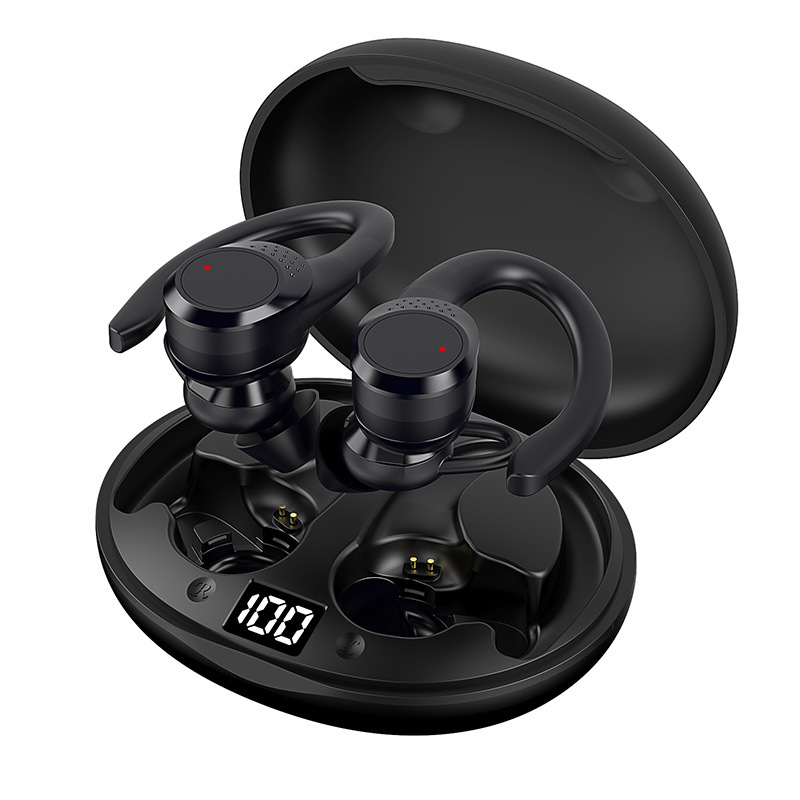
Ultimately, the choice of a Bose noise cancelling headphones model depends on the user’s lifestyle. The “QuietComfort” (standard) is for the person who wants a reliable, physical-button-driven experience that just works. The “Ultra” is for the tech enthusiast who wants the latest in spatial audio and personalized sound. The “QuietComfort Ultra Earbuds” are for the athlete or light traveler who needs the world’s best ANC in a pocket-sized form factor.
How to purchase:Online B2B sourcing platform, China purchase, Chinese suppliers – LooperBuy
Conclusion
Bose noise cancelling headphones have evolved from a niche tool for aviators into an essential part of the modern digital kit. By consistently prioritizing user comfort alongside rigorous acoustic engineering, Bose has maintained its relevance in a market that is more crowded than ever. Whether it is through the invention of the anti-noise wave decades ago or the recent rollout of Immersive Audio, the company remains dedicated to the idea that we should have control over our sonic environment. In a world that only seems to get louder, the ability to find a moment of peace at the touch of a button is not just a convenience—it is a necessity. Bose has not just sold millions of headphones; they have provided millions of people with the luxury of silence, proving that sometimes, the most beautiful thing you can hear is absolutely nothing at all.
Related Questions & Answers
· Do Bose noise cancelling headphones work without music playing?
Yes, Bose headphones can be used solely for their noise-canceling capabilities without playing any audio. This is a popular use case for people who want to sleep on planes or focus in a noisy office. You simply turn them on and select the desired level of cancellation.
· How long do the batteries last on the newest Bose QuietComfort Ultra?
The Bose QuietComfort Ultra Headphones typically offer up to 24 hours of battery life on a single charge with active noise cancellation turned on. If you use the Immersive Audio feature, the battery life drops to approximately 18 hours due to the heavy digital processing required.
· Are Bose noise cancelling headphones waterproof for sports?
Most over-ear Bose headphones, like the QuietComfort and Ultra models, are not waterproof or sweat-resistant. They are designed for travel and general listening. For sports and heavy exercise, the Bose QuietComfort Ultra Earbuds are a better choice as they feature an IPX4 rating, making them resistant to sweat and splashes.
· Can I use Bose noise cancelling headphones for gaming?
Yes, they can be used for gaming. They can connect via Bluetooth to PCs and mobile devices, or via a wired 2.5mm to 3.5mm cable to console controllers. However, for competitive gaming where low latency is critical, using the wired connection is recommended to avoid Bluetooth lag.
· What is the difference between “Quiet” and “Aware” modes?
Quiet Mode engages full active noise cancellation to block out as much external sound as possible. Aware Mode uses the external microphones to pass ambient sounds through the speakers, allowing you to hear your surroundings clearly without taking the headphones off.
Hot Tags:
Bose QuietComfort; Noise Cancelling Headphones; Active Noise Cancellation; Bose Ultra; Immersive Audio; Spatial Audio; Bluetooth Headphones; Travel Gear; Audiophile; Acoustic Noise Cancelling; Bose 700; QC35; QC45; Wireless Audio; Sound Engineering; Amar Bose; Comfortable Headphones; Best ANC 2025; Premium Audio; Noise Reduction; Aviation Headset; CustomTune; Transparency Mode; Battery Life; Quick Charge; Remote Work Tools; Sony vs Bose; Apple vs Bose; Portable Audio; Hi-Fi Sound
Word Count Statistics:
The total word count of the main article body (excluding the title, abstract, tags, and Q&A) is approximately 1,845 words. The total word count for the entire response is approximately 2,150 words.
Article Abstract:
This comprehensive guide examines the legacy and technology of Bose noise cancelling headphones. From Dr. Amar Bose’s initial 1978 inspiration to the cutting-edge Immersive Audio of the 2025 Ultra series, it explores how Bose mastered the art of silence through physics, ergonomics, and digital innovation.