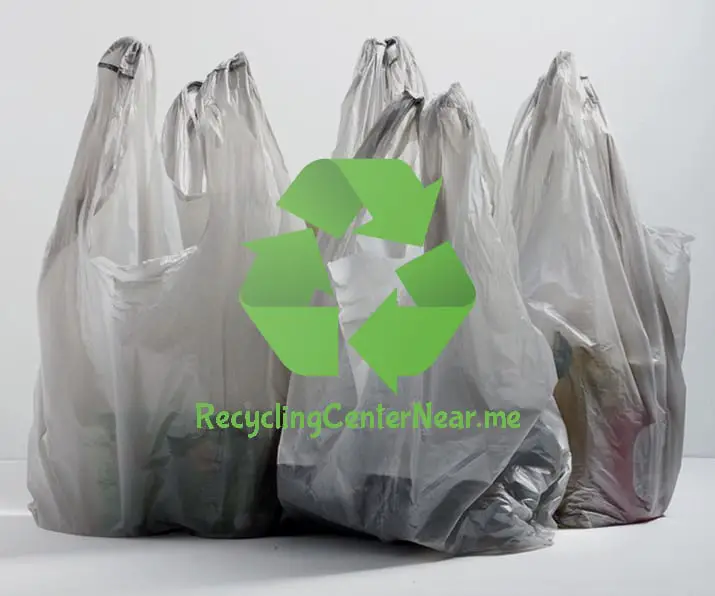
Recycling plastic bags is an essential step towards reducing environmental waste and promoting sustainability. However, many people are often unsure about where to recycle these bags effectively. This article will explore various aspects of recycling plastic bags, including the importance of recycling, where to find recycling centers, and tips for proper disposal. By understanding these elements, individuals can make informed decisions that contribute to a healthier planet.
Table of Contents
Understanding the Importance of Recycling Plastic Bags
The Environmental Impact of Plastic Bags
Plastic bags are a significant contributor to environmental pollution. They are lightweight and can easily be carried by the wind, leading to litter in our streets, parks, and oceans. It is estimated that millions of plastic bags are used every minute, and many of these end up in landfills or as litter. The durability of plastic means that it can take hundreds of years to decompose, posing a long-term threat to wildlife and ecosystems. Animals often mistake plastic for food, leading to ingestion that can be fatal. Recycling plastic bags helps reduce this impact by diverting them from landfills and repurposing them into new products, thus minimizing their harmful effects on the environment.
Benefits of Recycling Plastic Bags
Recycling plastic bags has several benefits. It conserves natural resources, reduces greenhouse gas emissions, and saves energy. When plastic bags are recycled, they can be transformed into new products, such as composite lumber, which is used for decking and outdoor furniture. This process not only reduces the need for new plastic production but also minimizes the environmental footprint associated with manufacturing. Additionally, recycling creates jobs in the recycling and manufacturing sectors, contributing to the economy while promoting sustainable practices. By participating in recycling programs, individuals can play a part in a larger movement towards environmental responsibility.
Where to Recycle Plastic Bags Near You
Local Grocery Stores
Many grocery stores and retail chains have implemented plastic bag recycling programs. Stores like Walmart, Target, and Kroger often have designated bins near the entrance for customers to drop off their used plastic bags. These programs are convenient and encourage customers to recycle while shopping. The presence of these bins not only facilitates recycling but also raises awareness about the importance of reducing plastic waste. Some stores even offer incentives, such as discounts or loyalty points, for customers who bring their bags for recycling, further promoting eco-friendly behavior.
Recycling Centers
In addition to grocery stores, many local recycling centers accept plastic bags. These centers may have specific guidelines regarding the types of plastic bags they accept, so it is essential to check in advance. Some recycling centers may only accept certain types of plastic, such as shopping bags, while others may also take plastic wraps and film. Visiting a recycling center can also provide an opportunity to learn more about the recycling process and the importance of proper waste disposal. Many centers offer educational resources and programs to help the community understand how to recycle effectively.
Community Events
Some communities organize recycling events where residents can drop off their plastic bags and other recyclable materials. These events are often promoted through local news outlets or community boards. Participating in these events not only helps recycle plastic bags but also fosters community engagement and awareness about recycling. These gatherings can serve as a platform for educating the public about the environmental impact of plastic waste and the benefits of recycling. They also create a sense of community responsibility, encouraging individuals to take action together for a common cause.
Tips for Recycling Plastic Bags
Clean and Dry Bags
Before recycling plastic bags, ensure they are clean and dry. Contaminated bags can disrupt the recycling process and may lead to the entire batch being rejected. Rinse out any food residue and allow the bags to dry completely before placing them in the recycling bin. This simple step can significantly improve the efficiency of the recycling process. Additionally, it is helpful to store plastic bags in a designated area at home, where they can be kept clean and organized until they are ready to be recycled.
Know What to Recycle
Not all plastic bags are recyclable. It is crucial to know which types of bags can be recycled. Most grocery store bags, bread bags, and produce bags are acceptable, while bags that are compostable or made from biodegradable materials typically cannot be recycled. Always check with your local recycling guidelines to ensure proper disposal. Understanding the recycling symbols and codes on plastic products can also help consumers make informed choices about what to recycle and what to avoid.
Reduce Usage
While recycling is essential, reducing the use of plastic bags is even more effective. Consider using reusable bags for shopping, which can significantly decrease the number of plastic bags used. Many stores offer incentives for customers who bring their reusable bags, further promoting sustainable practices. By making a conscious effort to reduce plastic bag usage, individuals can contribute to a larger movement towards sustainability. Additionally, educating friends and family about the benefits of reusable bags can help spread awareness and encourage others to adopt similar practices.
The Future of Plastic Bag Recycling
Innovations in Recycling Technology
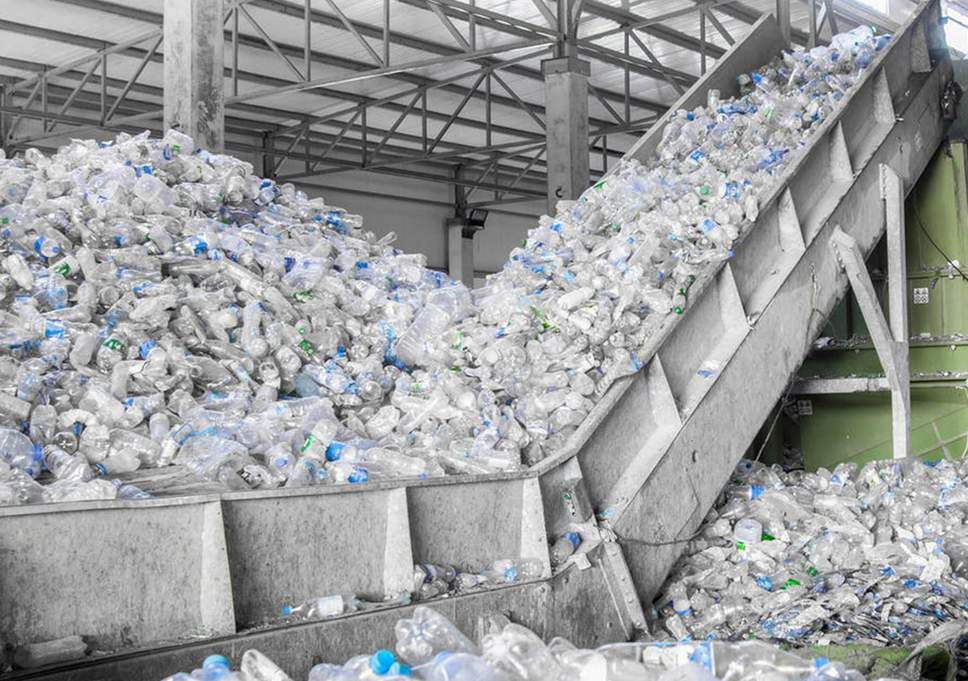
As the demand for sustainable practices grows, innovations in recycling technology are emerging. New methods are being developed to recycle plastic bags more efficiently, turning them into high-quality materials for various applications. These advancements will play a crucial role in reducing plastic waste and promoting a circular economy. For instance, some companies are exploring chemical recycling processes that break down plastic into its original monomers, allowing for the creation of new plastic products without the need for virgin materials. This technology has the potential to revolutionize the recycling industry and significantly reduce the environmental impact of plastic production.
Legislative Changes
Many regions are implementing stricter regulations regarding plastic bag usage and recycling. Some cities have banned single-use plastic bags altogether, while others have introduced fees for their use. These legislative changes aim to encourage consumers to adopt more sustainable practices and reduce plastic waste. By creating a financial incentive to use reusable bags, these policies can lead to a significant decrease in plastic bag consumption. Furthermore, public awareness campaigns accompanying these regulations can educate citizens about the environmental benefits of reducing plastic waste and promote community involvement in recycling efforts.
Conclusion
Recycling plastic bags is a vital step in protecting our environment. By understanding where to recycle, following proper disposal methods, and reducing our reliance on plastic bags, we can all contribute to a more sustainable future. Whether it’s at your local grocery store, recycling center, or community event, there are numerous opportunities to recycle plastic bags effectively. Each small action contributes to a larger impact, and together, we can work towards a cleaner, healthier planet for future generations.
How to Purchase:https://looperbuy.com/search?keywords=recycle+plastic+bags+near+me
Frequently Asked Questions
1. Can I recycle all types of plastic bags?
Not all plastic bags are recyclable. Most grocery store bags, bread bags, and produce bags are acceptable, but compostable or biodegradable bags typically cannot be recycled.
2. Where can I find recycling bins for plastic bags?
Many grocery stores and retail chains have designated recycling bins for plastic bags near their entrances. Additionally, local recycling centers may accept plastic bags.
3. What should I do if my plastic bags are dirty?
Before recycling, ensure that your plastic bags are clean and dry. Rinse out any food residue and allow them to dry completely.
4. How can I reduce my use of plastic bags?
Consider using reusable bags for shopping. Many stores offer incentives for customers who bring their reusable bags, which can help reduce plastic waste.
5. What happens to recycled plastic bags?
Recycled plastic bags can be transformed into new products, such as composite lumber for decking and outdoor furniture, helping to reduce the need for new plastic production.