Table of Contents
Introduction: Why Proper Herb Storage Matters
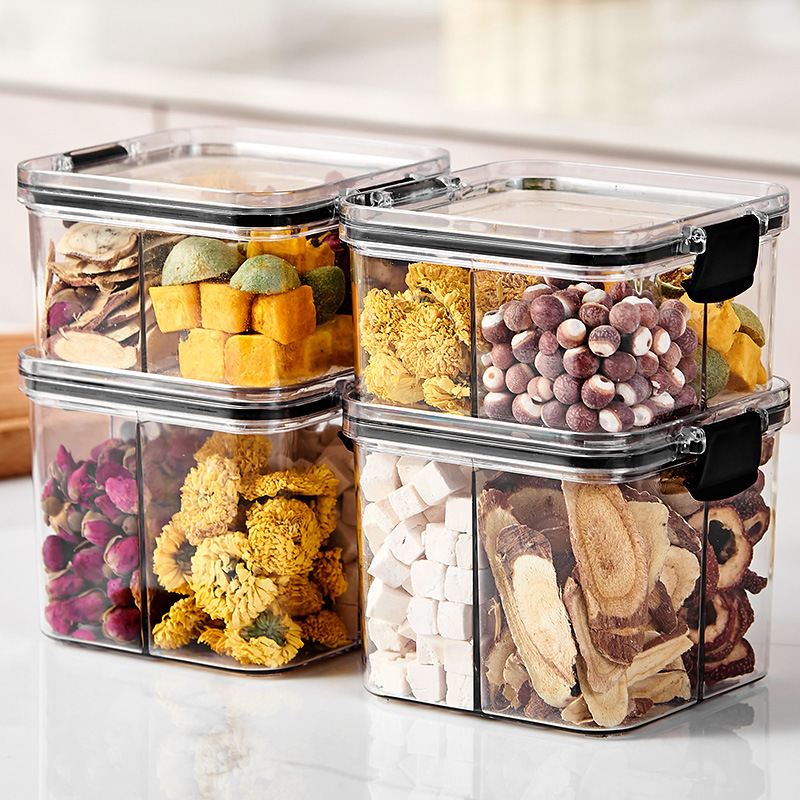
Herbs are a cornerstone of culinary excellence, medicinal remedies, and aromatic relaxation. Whether you’re a home cook, a tea enthusiast, or a wellness advocate, the quality of your herbs directly impacts their effectiveness and flavor. Yet, many people overlook the importance of proper storage, leading to wilted leaves, faded aromas, and wasted resources. Herb storage boxes offer a simple yet powerful solution to preserve freshness, potency, and flavor. This guide explores the world of herb storage containers, examining their types, features, and best practices to help you make the most of your herbal treasures.
The Science of Herb Degradation: Why Storage Matters
How Environmental Factors Affect Herb Quality
Herbs are highly sensitive to their surroundings. Exposure to air, light, heat, and moisture can cause them to lose their vibrant color, fragrant aroma, and beneficial compounds. Oxygen breaks down essential oils, light degrades chlorophyll, heat accelerates decomposition, and moisture encourages mold growth. The result? Herbs that are dull, flavorless, and ineffective.
The Cost of Poor Storage
Beyond diminished quality, improper storage can lead to significant waste. Fresh herbs purchased with care can wilt and spoil within days, while dried herbs lose their potency over time. A proper storage solution not only extends shelf life but also ensures that your herbs remain effective and enjoyable from first use to last.
Types of Herb Storage Boxes: Finding the Right Fit
Glass Jars with Airtight Seals: The Classic Choice
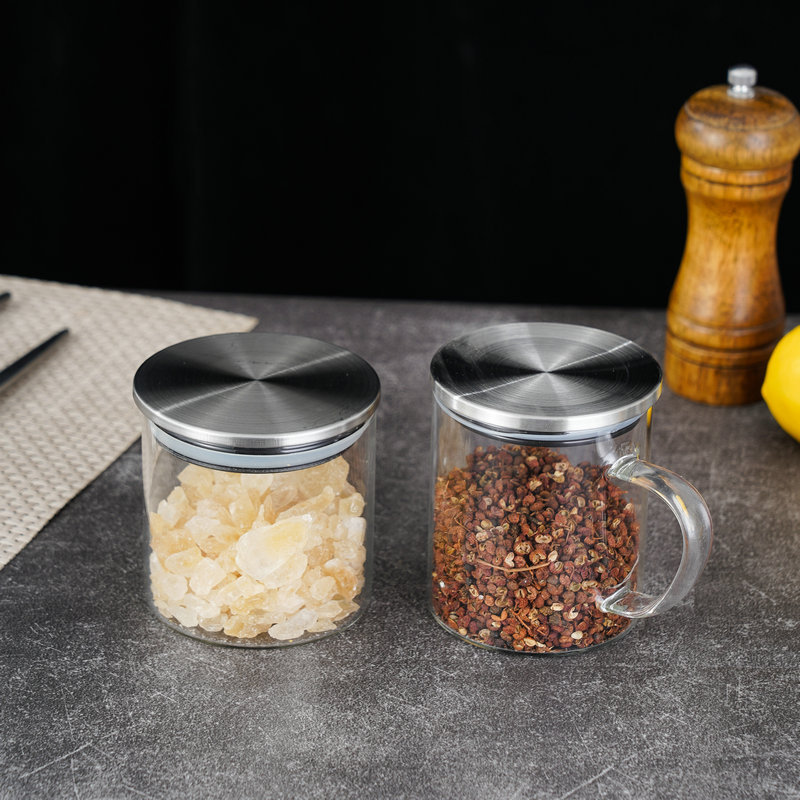
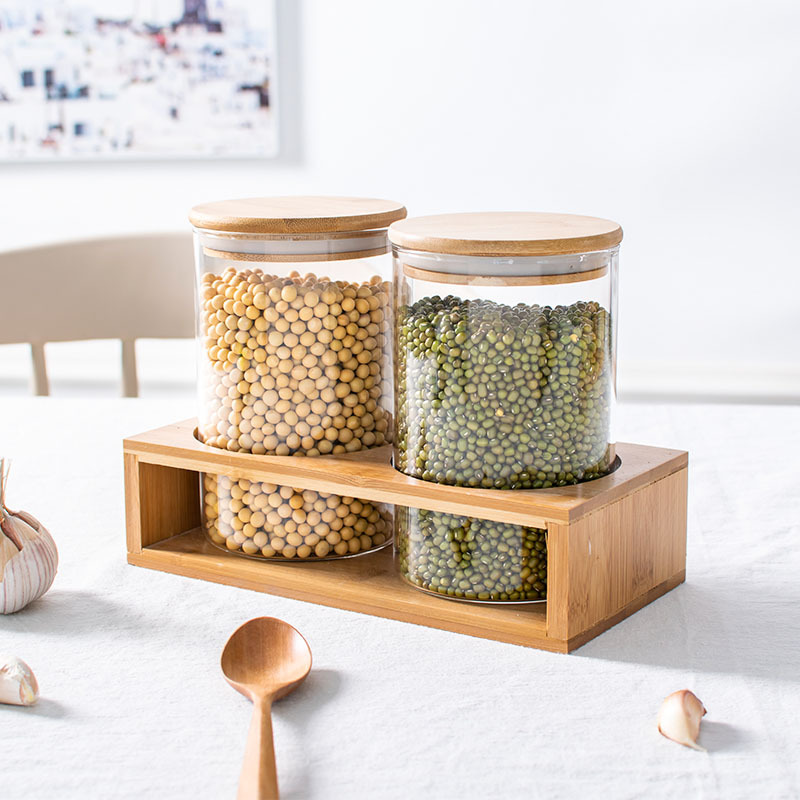
Glass jars remain the gold standard for herb storage. Their opaque or tinted design blocks light, while airtight seals prevent oxygen from degrading herbs. Wide-mouth jars allow easy access, and rubber gaskets ensure a tight closure. They’re perfect for both fresh and dried herbs, offering versatility and durability.
Metal Tins: Portable and Discreet
Metal tins, such as those used for spices or teas, provide a sleek, portable storage option. They’re lightweight, rust-resistant, and block light effectively. Many come with secure latches or snap closures, making them ideal for on-the-go use. Pairing metal tins with humidity control packs is recommended for optimal moisture management.
Silicone Containers: Flexible and Odor-Resistant
Silicone storage boxes are bendable and space-efficient, making them easy to store in drawers or cabinets. Their non-porous material resists odors and is easy to clean. While not as airtight as glass, high-quality silicone containers with locking mechanisms still provide decent protection against air and moisture.
Wooden Boxes: Stylish and Functional
Wooden herb storage boxes add a touch of natural beauty to your kitchen or pantry. Look for boxes with airtight seals, moisture-wicking liners (like cedar or activated carbon), and compartments for organizing different herbs. They’re perfect for display while still offering robust protection from environmental factors.
Key Features to Look for in a Herb Storage Box
Airtight Seals: The First Line of Defense
Oxygen is the primary enemy of fresh herbs, causing them to wilt and lose flavor. A storage box with a tight-sealing lid—whether it’s a rubber gasket on a glass jar or a locking mechanism on a metal tin—is essential to keep air out and freshness in.
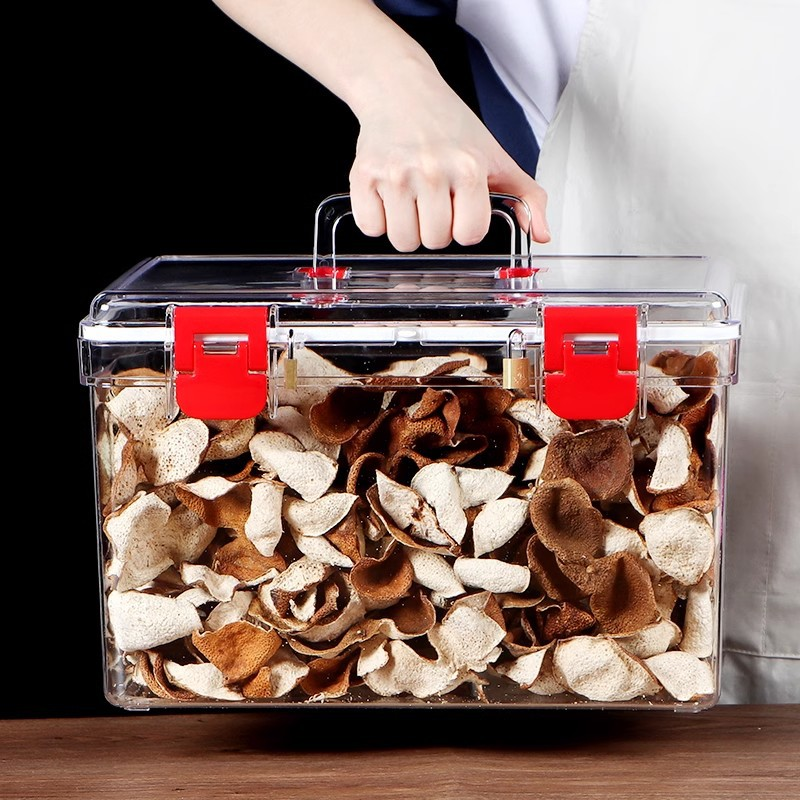
Light Blocking: Shielding Herbs from UV Rays
Light, especially UV rays, degrades chlorophyll and essential oils in herbs. Opaque or dark-colored containers (like amber glass or matte-black metal) prevent light exposure, preserving color and aroma. Clear containers may look attractive but are unsuitable for long-term storage.
Humidity Control: Balancing Moisture Levels
Herbs thrive in specific humid conditions. Too dry, and they become brittle; too moist, and mold takes hold. Humidity control packs (like Boveda or Integra Boost) regulate moisture inside the container, ensuring herbs stay fresh without drying out or becoming moldy.
Odor Resistance: Keeping Your Herbs Discreet
If you’re storing potent herbs like mint or lavender, odor control is crucial. Some storage boxes feature activated carbon filters or specialized seals that trap smells inside, preventing strong aromas from spreading throughout your kitchen or pantry.
Best Practices for Using Herb Storage Boxes
Keep It Cool and Dark: Temperature Matters
Heat accelerates the breakdown of herbs’ essential oils and volatile compounds. Store your herb storage box in a cool, stable environment—like a cupboard, drawer, or dedicated herb humidor. Avoid placing it near windows, radiators, or appliances that generate heat.
Avoid Overpacking: Airflow Is Key
While airtight seals are critical, overcrowding your container can crush delicate leaves and reduce airflow, leading to moisture buildup. Fill the box just enough to allow slight movement of the herbs—this helps maintain balance and prevents mold or bruising.
Label and Organize: Track Your Herbs
If you have multiple types of herbs, label your containers with the herb name, purchase date, and any other relevant details. This helps you use older herbs first (to prevent waste) and ensures you always know what’s inside each box.
Special Considerations for Fresh vs. Dried Herbs
Storing Fresh Herbs: Keeping Them Vibrant
Fresh herbs require a slightly different approach. Trim the stems, place them in a jar with an inch of water (like a bouquet), and cover loosely with a plastic bag. Store in the refrigerator, changing the water every few days. For longer storage, consider freezing herbs in olive oil or water in ice cube trays.
Storing Dried Herbs: Preserving Potency
Dried herbs are more stable but still require protection from air and moisture. Glass jars with airtight seals are ideal, as they prevent oxidation and preserve flavor. Store them away from heat sources and sunlight to maintain their potency.
Travel-Friendly Herb Storage Solutions
Portable Boxes for On-the-Go Access
Silicone or metal tins are perfect for travel, as they’re compact, lightweight, and odor-resistant. Many come with locking mechanisms to prevent spills or accidental openings during transit.
Navigating Legal and Security Concerns
When transporting herbs, especially in regions with strict regulations, always check local laws regarding possession and storage. Use discreet, odor-proof containers to avoid drawing attention, and never store herbs in checked luggage (where they could be exposed to extreme temperatures).
Environmental Impact: Choosing Sustainable Options
Eco-Friendly Materials
Some manufacturers offer herb storage boxes made from recycled glass, bamboo, or biodegradable silicone. These options reduce waste and appeal to environmentally conscious consumers.
Reusable vs. Single-Use
Plastic baggies might seem convenient, but they’re single-use and contribute to plastic pollution. Investing in a reusable storage box not only protects your herbs but also minimizes your environmental footprint.
Conclusion: Protecting Your Herbal Investment
A herb storage box is more than just a container—it’s a tool to preserve the quality, potency, and flavor of your herbs. By choosing the right material (glass, metal, silicone, or wood), prioritizing features like airtight seals, humidity control, and odor resistance, and following best practices for use, you can ensure your herbs stay fresh and effective for months. Whether you’re a culinary enthusiast or a wellness advocate, the right storage box is an investment in your enjoyment and well-being.
How to purchase: https://looperbuy.com/search?keywords=storage+boxes+for+herb&globalType=1688
Frequently Asked Questions (FAQs)
- How do I choose the right size herb storage box for my needs? Start by assessing how much of each herb you typically use. If you cook with fresh herbs daily, opt for small glass jars or metal tins that can hold a week’s worth of each herb. For dried herbs, choose larger containers that can store bulk purchases while still allowing airflow. Always leave some space inside the box to prevent crushing delicate leaves.
- What’s the best way to clean a herb storage box? Empty the container completely and wipe it down with a dry cloth to remove loose debris. For a deeper clean, use warm water and mild soap, then rinse thoroughly. For glass jars, a mixture of baking soda and vinegar can help remove stubborn stains or odors. Ensure the container is completely dry before refilling to prevent mold.
- Can I use a regular plastic container to store herbs? Plastic containers might seem convenient, but they’re not ideal. Plastic is porous, allowing air and moisture to seep in, and it can impart a slight chemical odor to your herbs. If you must use plastic, choose a high-quality, food-grade container with an airtight seal—but glass or metal is always better for long-term storage.
- How do humidity packs work, and do I need them? Humidity packs (like Boveda or Integra Boost) are small packets filled with salts and water that regulate moisture levels inside your storage box. They absorb excess moisture or release it as needed to maintain an optimal environment. If you live in a humid or dry climate, or if you’re storing herbs long-term, humidity packs are a worthwhile investment.
- Are there any herb storage boxes designed for travel that are also discreet? Absolutely. Look for silicone or metal tins with locking mechanisms and odor-blocking features. Some brands offer “stealth” designs that resemble everyday items (e.g., a lip balm tin or a spice jar) to avoid drawing attention. Pair these with a small humidity pack to keep your herbs fresh during transit.
Hot Tags: Herb storage boxes; Fresh herb preservation; Dried herb storage; Glass jars for herbs; Travel-friendly herb containers; Humidity control for herbs; Sustainable herb packaging; Airtight herb storage; Odor-proof herb boxes; Kitchen organization