The US home textiles market is a vibrant and evolving sector that plays a crucial role in the overall home decor industry. As consumers increasingly prioritize comfort, style, and sustainability, the demand for high-quality home textiles continues to grow. This article delves into the various aspects of the US home textiles market, including its current trends, key players, challenges, and future outlook.
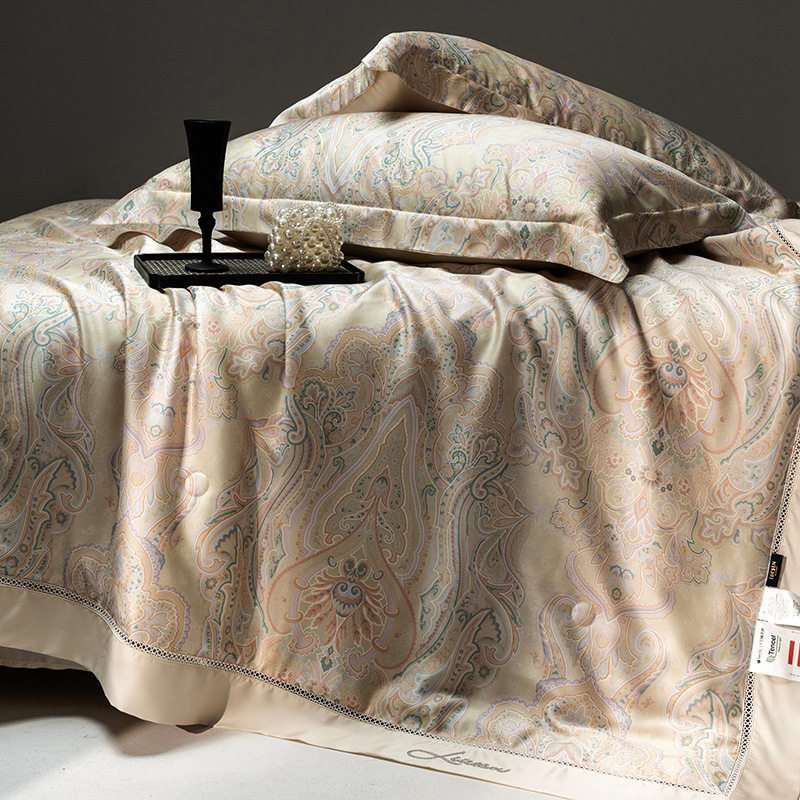
Table of Contents
Understanding the Home Textiles Market
Definition of Home Textiles
Home textiles encompass a wide range of fabric-based products used in residential settings. This includes items such as bed linens, curtains, upholstery, towels, and rugs. These textiles not only serve functional purposes but also contribute significantly to the aesthetic appeal of a home. The market for home textiles is influenced by various factors, including consumer preferences, economic conditions, and design trends.
Market Segmentation
The US home textiles market can be segmented based on product type, material, distribution channel, and end-user.
Product Type
The primary categories within the home textiles market include:
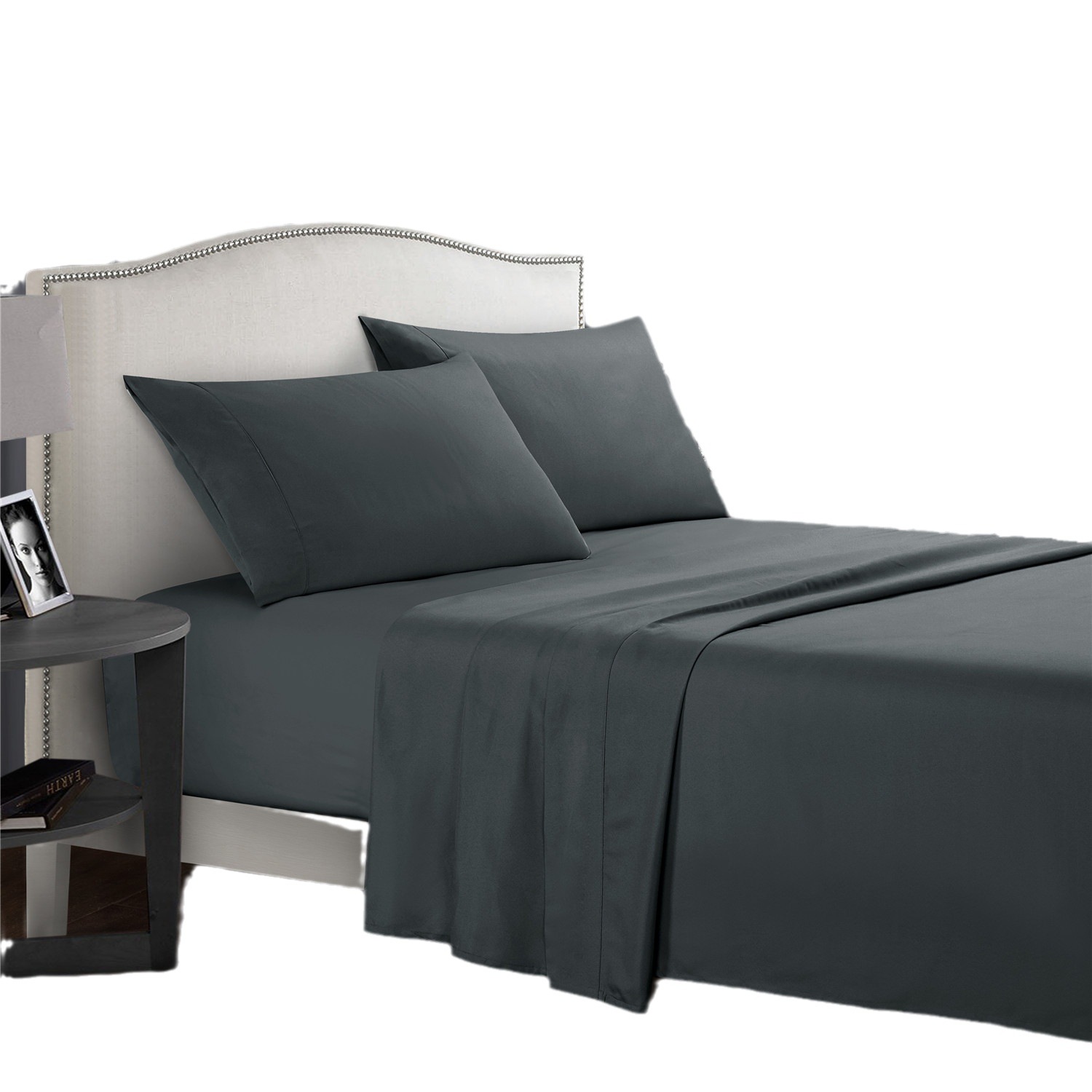
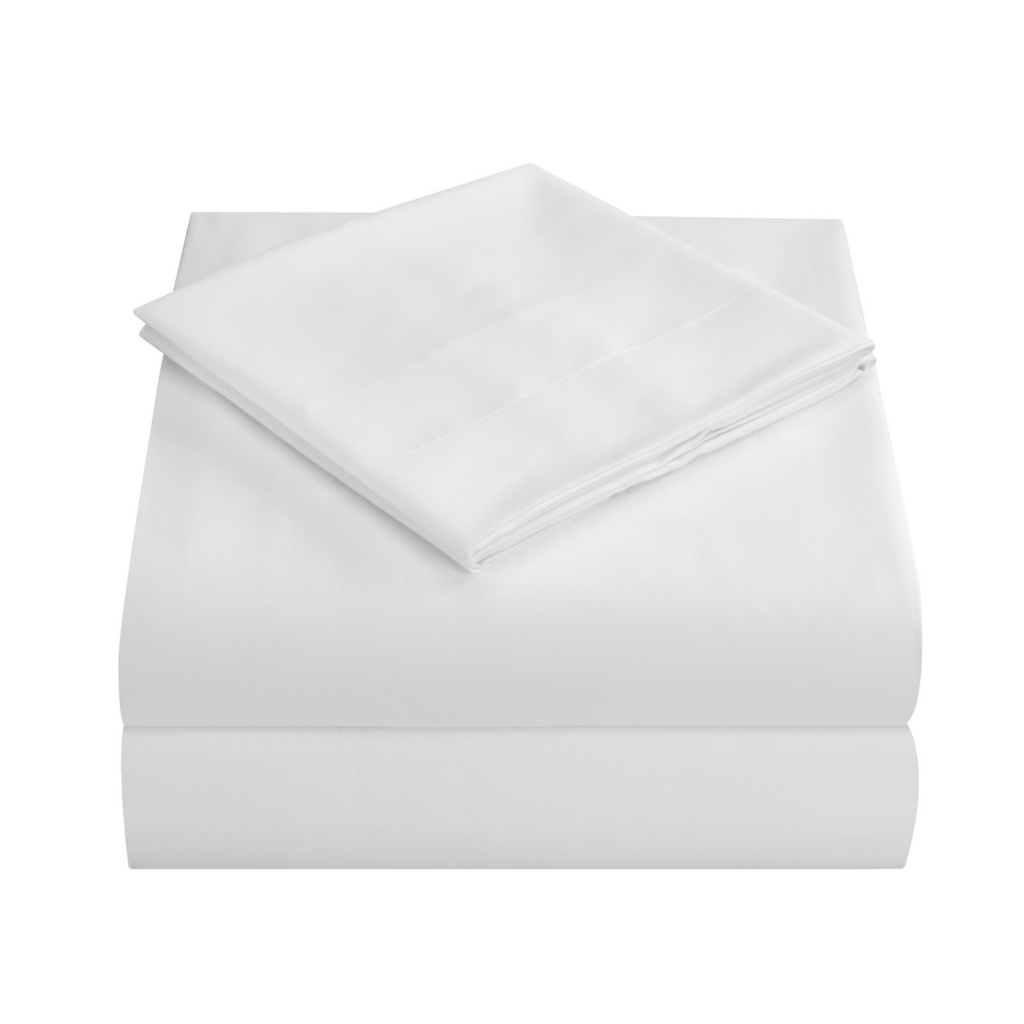
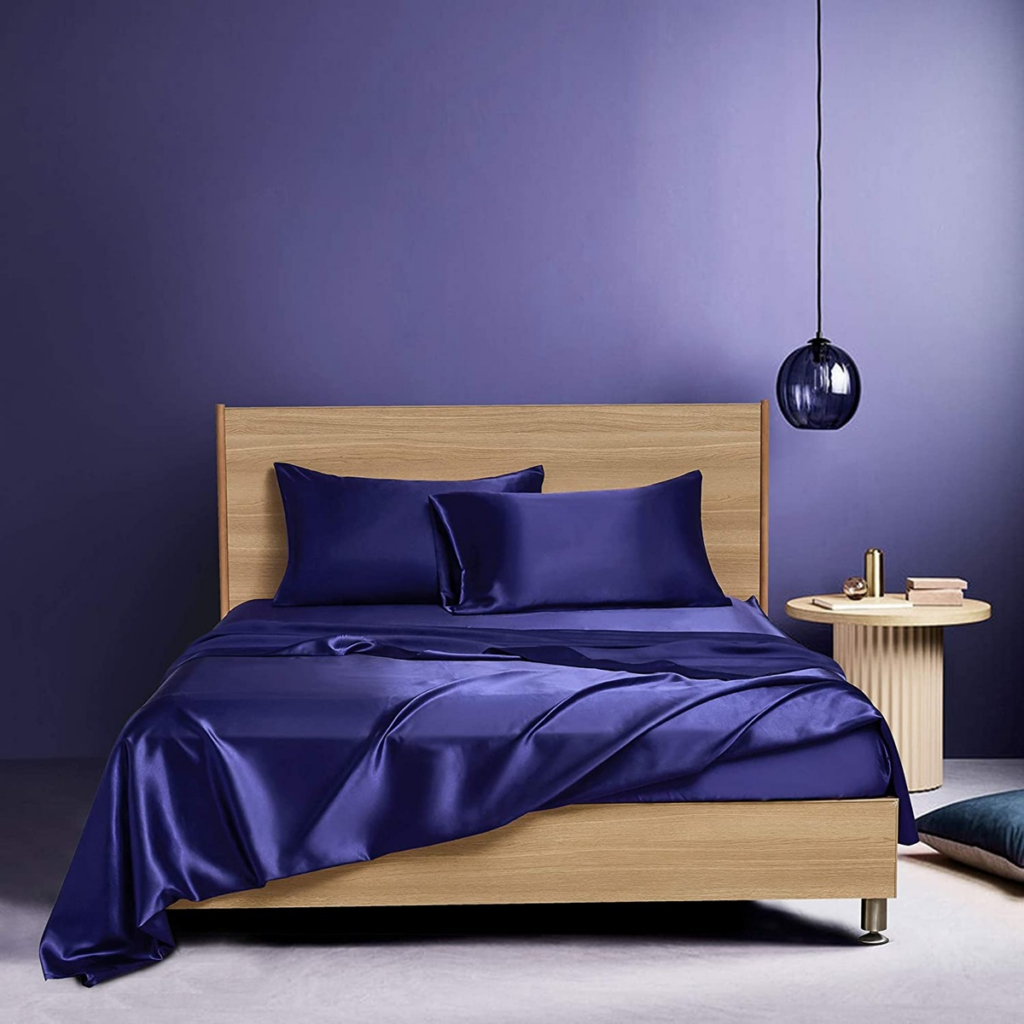
- Bed Linen: This segment includes sheets, pillowcases, duvet covers, and mattress protectors. The demand for bed linen is driven by the growing focus on sleep quality and comfort.
- Bath Linen: Towels, bath mats, and shower curtains fall under this category. The bath linen segment is influenced by trends in bathroom decor and personal care.
- Upholstery: This includes fabrics used for furniture covering, such as sofas and chairs. The upholstery segment is closely tied to the furniture market and interior design trends.
- Floor Coverings: Rugs and carpets are essential components of home textiles, providing warmth and style to living spaces.
Material
Home textiles are made from various materials, including:
- Cotton: Known for its softness and breathability, cotton is a popular choice for bed and bath linens.
- Polyester: This synthetic material is often used for its durability and resistance to wrinkles, making it suitable for a wide range of home textiles.
- Linen: Made from the flax plant, linen is valued for its natural texture and breathability, particularly in summer bedding and curtains.
- Hemp: An eco-friendly option, hemp is gaining popularity for its durability and sustainability.
Distribution Channel
The distribution of home textiles occurs through various channels, including:
- Online Retail: E-commerce platforms have become increasingly popular for purchasing home textiles, offering convenience and a wide selection.
- Brick-and-Mortar Stores: Traditional retail outlets, such as department stores and specialty home goods stores, continue to play a significant role in the market.
- Direct-to-Consumer Brands: Many brands are now selling directly to consumers through their websites, allowing for better pricing and customer engagement.
Current Trends in the US Home Textiles Market
Sustainability and Eco-Friendliness
One of the most significant trends in the US home textiles market is the growing emphasis on sustainability. Consumers are increasingly seeking eco-friendly products made from organic or recycled materials. Brands that prioritize sustainable practices, such as using natural dyes and reducing water consumption during production, are gaining popularity. This shift towards sustainability is not only beneficial for the environment but also aligns with the values of a growing segment of consumers who prioritize ethical consumption.
Smart Textiles
The integration of technology into home textiles is another emerging trend. Smart textiles, which incorporate sensors and other technologies, are being developed for various applications, including temperature regulation and moisture control. These innovations enhance the functionality of home textiles, providing consumers with added comfort and convenience.
Customization and Personalization
Consumers are increasingly looking for personalized home textiles that reflect their individual style and preferences. Brands are responding by offering customizable options, allowing customers to choose colors, patterns, and materials that suit their tastes. This trend towards personalization enhances the emotional connection consumers have with their home textiles.
Minimalism and Simplicity
The minimalist design trend continues to influence the home textiles market. Consumers are gravitating towards simple, clean lines and neutral color palettes that create a sense of calm and tranquility in their living spaces. This trend is reflected in the popularity of understated bedding, curtains, and upholstery that prioritize functionality and aesthetic appeal.
Key Players in the US Home Textiles Market
Major Brands and Manufacturers
The US home textiles market is characterized by a mix of established brands and emerging players. Some of the key players include:
- WestPoint Home: A leading manufacturer of home textiles, WestPoint Home offers a wide range of products, including bed and bath linens. The company is known for its commitment to quality and innovation.
- Mohawk Industries: As one of the largest flooring manufacturers in the world, Mohawk Industries also produces a variety of home textiles, including rugs and carpets. The company emphasizes sustainability in its production processes.
- Berkshire Hathaway: This conglomerate owns several well-known home textile brands, including the popular bedding brand, “Berkshire Blanket.” The company focuses on providing high-quality products at competitive prices.
- IKEA: Known for its affordable and stylish home furnishings, IKEA offers a wide range of home textiles, from bedding to curtains. The brand is committed to sustainability and has implemented various eco-friendly practices in its operations.
Emerging Brands
In addition to established players, several emerging brands are making their mark in the US home textiles market. These brands often focus on sustainability, unique designs, and direct-to-consumer sales models. By leveraging social media and e-commerce platforms, these companies are reaching a new generation of consumers who value authenticity and transparency.
Challenges Facing the US Home Textiles Market
Supply Chain Disruptions
The COVID-19 pandemic highlighted vulnerabilities in global supply chains, affecting the availability of raw materials and finished products in the home textiles market. Disruptions in shipping and logistics have led to delays and increased costs for manufacturers. As the industry recovers, addressing these supply chain challenges will be crucial for maintaining product availability and meeting consumer demand.
Competition from Fast Fashion
The rise of fast fashion has created challenges for the home textiles market, as consumers are often drawn to low-cost, trendy options. While sustainable brands emphasize quality and longevity, they may struggle to compete with the affordability of fast fashion products. Educating consumers about the benefits of investing in sustainable home textiles will be essential for driving demand.
Consumer Awareness and Education
Despite the growing interest in sustainability, many consumers remain unaware of the environmental impact of their choices. Brands must invest in marketing and education efforts to raise awareness about the benefits of sustainable home textiles. By highlighting the importance of eco-friendly practices and the long-term advantages of quality products, companies can encourage consumers to make informed decisions.
The Future of the US Home Textiles Market
Growth Projections
The US home textiles market is expected to continue its growth trajectory in the coming years. Factors such as increasing disposable income, a strong inclination towards home improvement, and rising awareness of sustainability will drive demand for home textiles. As consumers prioritize comfort and style in their living spaces, the market is poised for expansion.
Innovations and Trends
As the market evolves, ongoing innovations in materials, design, and technology will shape the future of home textiles. Brands that embrace sustainability, personalization, and smart technology will likely lead the way in capturing consumer interest. Additionally, the integration of e-commerce and digital marketing strategies will play a crucial role in reaching a broader audience.
Emphasis on Sustainability
The trend towards sustainability is expected to intensify, with consumers increasingly seeking eco-friendly options. Brands that prioritize sustainable practices and transparency in their supply chains will resonate with environmentally conscious consumers. As the demand for sustainable home textiles grows, companies that adapt to these changing preferences will thrive in the competitive landscape.
Innovations in Sustainable Textile Dyeing Techniques
Natural Dyes
One of the most exciting developments in sustainable textiles is the use of natural dyes derived from plants, minerals, and insects. These dyes are biodegradable and often have a lower environmental impact compared to synthetic dyes. Natural dyes can produce a wide range of colors and are often safer for both the environment and the people who work with them.
Waterless Dyeing Technologies
Innovations in dyeing technologies have led to the development of waterless dyeing methods, such as digital printing and supercritical CO2 dyeing. These techniques significantly reduce water usage and eliminate the need for harmful chemicals, making the dyeing process more sustainable. By adopting these technologies, textile manufacturers can minimize their environmental footprint while still producing vibrant, high-quality fabrics.
Low-Impact Dyes
Low-impact dyes are another innovation in sustainable textile dyeing. These dyes require less water and energy to apply and often have a lower environmental impact than traditional dyes. Many brands are now using low-impact dyes to create colorful, sustainable textiles that appeal to eco-conscious consumers.
Long-Term Cost Benefits of Investing in Sustainable Home Textiles
Durability and Quality
While sustainable home textiles may have a higher upfront cost, they often prove to be more durable and of higher quality than conventional textiles. This means that consumers are likely to spend less over time, as they will not need to replace items as frequently. Investing in sustainable textiles can lead to long-term savings and a reduced environmental impact.
Energy Savings
Sustainable textiles, particularly those made from natural fibers, often require less energy to produce and maintain. For example, organic cotton and linen can be washed at lower temperatures, reducing energy consumption. Additionally, many sustainable textiles are designed to last longer, which means fewer resources are used in their production and maintenance over time.
Health Benefits
Investing in sustainable home textiles can also lead to health benefits, as these materials are often free from harmful chemicals and toxins. This can result in improved indoor air quality and a healthier living environment, potentially reducing healthcare costs associated with exposure to harmful substances.
Conclusion
How to purchase:https://looperbuy.com/search?keywords=us+home+textiles+market&globalType=china
The US home textiles market is a dynamic and evolving sector that reflects changing consumer preferences and values. As sustainability becomes a central focus, the demand for eco-friendly textiles continues to rise. By understanding the materials, trends, and challenges within the market, consumers can make informed choices that contribute to a healthier planet and a more sustainable future. The journey towards sustainable living begins at home, and embracing sustainable home textiles is a significant step in that direction.
Frequently Asked Questions
1. What is the current size of the US home textiles market?
The US home textiles market is valued at approximately USD 22.97 billion and is projected to grow significantly in the coming years.
2. What are the main product categories in the home textiles market?
The primary categories include bed linen, bath linen, upholstery, and floor coverings.
3. How is sustainability impacting the home textiles market?
Sustainability is driving demand for eco-friendly materials and practices, leading to innovations in product offerings and manufacturing processes.
4. Who are the key players in the US home textiles market?
Major brands include WestPoint Home, Mohawk Industries, Berkshire Hathaway, and IKEA, among others.
5. What challenges does the home textiles market face?
Challenges include supply chain disruptions, competition from fast fashion, and the need for consumer education on sustainability.
HOT TAG: US home textiles market, eco-friendly textiles, sustainable home decor, market trends, home textile brands, consumer preferences, textile industry growth, sustainable materials, home furnishings, market challenges, innovative textiles, home improvement, sustainable living, textile supply chain, home textile categories, environmental impact, consumer awareness, market projections, home textile innovations, quality home products.