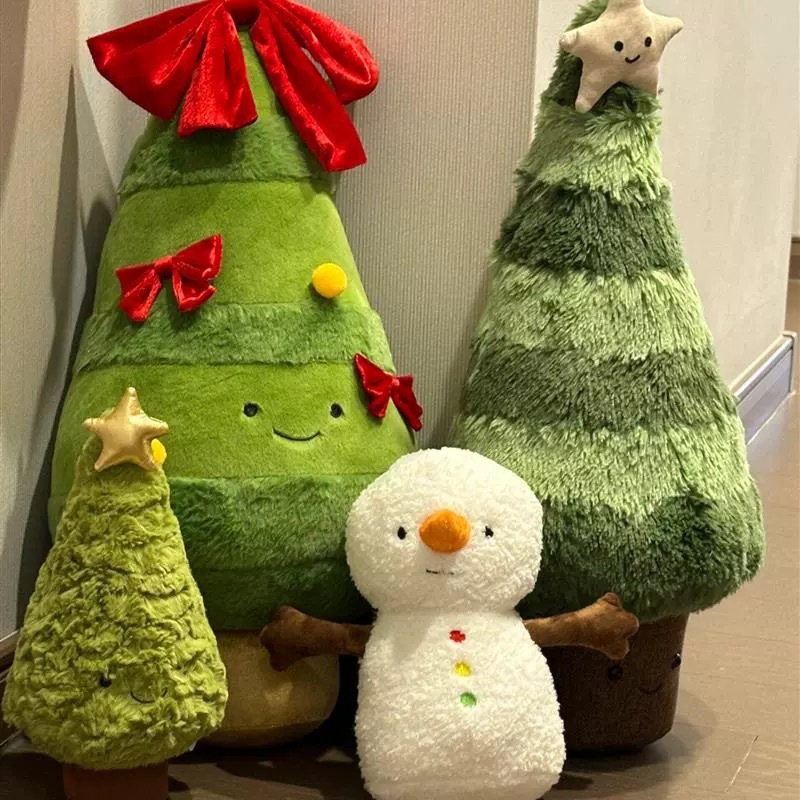
Christmas is a time of joy, celebration, and togetherness, marked by various traditions that have evolved over centuries. Among these traditions, the act of giving gifts stands out as one of the most cherished practices. But why do we give gifts on Christmas? This question delves into the historical, cultural, and emotional aspects of gift-giving during this festive season. In this article, we will explore the origins of this tradition, its significance in modern society, and the various ways people express their love and appreciation through gifts.
Table of Contents
The Historical Roots of Christmas Gift-Giving
Ancient Traditions
The practice of giving gifts during the winter season predates Christmas itself. Many ancient cultures celebrated the winter solstice, a time when the days began to lengthen, symbolizing the return of light. The Romans, for instance, celebrated Saturnalia, a festival dedicated to the god Saturn, during which they exchanged gifts as a sign of goodwill and festivity. Similarly, the Norse celebrated Yule, where gifts were given to honor the gods and to bring good fortune for the coming year. These early traditions laid the groundwork for the modern practice of gift-giving, emphasizing the importance of generosity and community spirit during the darkest days of winter.
The Birth of Christ and the Magi
The Christian tradition of gift-giving is often linked to the story of the Magi, or Wise Men, who traveled from the East to present gifts to the newborn Jesus. According to the Gospel of Matthew, these gifts—gold, frankincense, and myrrh—were not only valuable but also symbolically significant. Gold represented Jesus’ kingship, frankincense his divinity, and myrrh foreshadowed his suffering. This biblical account has influenced the way gifts are perceived during Christmas, emphasizing the importance of giving as an expression of love and reverence. The gifts of the Magi serve as a reminder that the act of giving is deeply rooted in the celebration of life and the acknowledgment of significant moments.
Evolution Through the Ages
As Christianity spread, the practice of gift-giving became intertwined with local customs and traditions. In medieval Europe, gifts were often exchanged on St. Nicholas Day, celebrated on December 6th, in honor of the patron saint of children and gift-giving. Over time, this practice merged with Christmas celebrations, leading to the modern-day tradition of exchanging gifts on December 25th. The figure of Santa Claus, derived from St. Nicholas, further popularized the idea of gift-giving, transforming it into a central aspect of Christmas festivities. The evolution of Santa Claus from a historical figure into a cultural icon reflects the changing nature of gift-giving, adapting to societal values and expectations.
The Cultural Significance of Gift-Giving
A Symbol of Love and Affection
In contemporary society, giving gifts during Christmas has become a way to express love and appreciation for family and friends. The act of selecting a gift often involves thoughtfulness and consideration, reflecting the giver’s understanding of the recipient’s preferences and needs. This personal touch enhances the emotional connection between individuals, reinforcing bonds and fostering a sense of belonging. The joy of giving is often as fulfilling as receiving, creating a cycle of generosity that enriches relationships. This reciprocal nature of gift-giving highlights the importance of community and connection, as individuals come together to celebrate their relationships.
Strengthening Relationships
Gift-giving also plays a crucial role in strengthening relationships. Whether it’s a small token of appreciation or a grand gesture, gifts can convey feelings that words sometimes cannot express. They serve as reminders of shared experiences and create lasting memories. In many cultures, the act of giving and receiving gifts is seen as a way to nurture relationships, making it an integral part of holiday celebrations. This exchange fosters a sense of community, as families and friends come together to celebrate their connections. The emotional weight of a gift can often transcend its material value, making it a powerful tool for building and maintaining relationships.
Economic Impact
The tradition of gift-giving has significant economic implications as well. The holiday season is a peak time for retail sales, with consumers spending billions of dollars on gifts each year. This economic activity not only supports businesses but also contributes to job creation and community development. The commercialization of Christmas has sparked debates about the true meaning of the holiday, yet it remains a driving force in the celebration of gift-giving. Many businesses rely on the holiday season for a substantial portion of their annual revenue, highlighting the intertwined nature of commerce and tradition. This economic aspect of gift-giving can sometimes overshadow its emotional significance, leading to discussions about consumerism and the true spirit of Christmas.
Modern Interpretations of Gift-Giving
Personalization and Thoughtfulness
In recent years, there has been a shift towards more personalized and meaningful gifts. People are increasingly opting for handmade items, experiences, or donations to charitable causes in lieu of traditional gifts. This trend reflects a growing awareness of the importance of sustainability and the desire to make a positive impact on the world. Personalized gifts, such as custom-made jewelry or photo albums, carry sentimental value and demonstrate the giver’s effort to create something unique. This shift towards personalization not only enhances the emotional significance of gifts but also encourages creativity and thoughtfulness in the gift-giving process. The act of creating or selecting a personalized gift can deepen the connection between the giver and the recipient, making the experience more meaningful.
The Role of Technology
Technology has also transformed the way we approach gift-giving. Online shopping has made it easier to find and purchase gifts, allowing individuals to browse a wider selection and compare prices. Social media platforms have become avenues for sharing gift ideas and inspirations, further influencing consumer behavior. However, this convenience can sometimes detract from the personal touch that makes gift-giving special. The ease of online shopping can lead to a more transactional approach, where the thoughtfulness behind the gift may be overshadowed by the convenience of purchasing it. Additionally, the rise of digital gifts, such as e-gift cards and subscriptions, has introduced new dimensions to the gift-giving experience, catering to the preferences of a tech-savvy generation.
Experiences Over Material Goods
A growing trend in modern gift-giving is the emphasis on experiences rather than material possessions. Many people now prefer to give or receive experiences, such as concert tickets, travel vouchers, or cooking classes. These gifts create opportunities for shared moments and memories, often proving to be more valuable than physical items. This shift highlights a deeper understanding of what brings joy and fulfillment during the holiday season. Experiences can foster deeper connections and create lasting memories that far outlast the temporary satisfaction of material gifts. This trend also aligns with a broader cultural movement towards minimalism and intentional living, where individuals prioritize meaningful experiences over accumulating possessions.
The Emotional Impact of Gift-Giving

Joy and Anticipation
The act of giving and receiving gifts brings joy and anticipation to the holiday season. For many, the excitement of unwrapping a present is a cherished memory that lasts a lifetime. The surprise and delight of discovering a thoughtful gift can evoke strong emotions, reinforcing the spirit of Christmas. This joy is not limited to the recipient; givers often experience a sense of fulfillment and happiness when they see their loved ones’ reactions. The emotional high associated with gift-giving can create a sense of community and shared happiness, enhancing the overall festive atmosphere. This shared joy can strengthen familial and social bonds, making the holiday season a time of collective celebration.
The Spirit of Generosity
Gift-giving embodies the spirit of generosity, encouraging individuals to think beyond themselves. It fosters a sense of community and compassion, as people often extend their generosity to those in need. Many families incorporate charitable giving into their holiday traditions, teaching children the importance of helping others and spreading kindness. This aspect of gift-giving aligns with the core values of Christmas, emphasizing love, compassion, and goodwill. Acts of kindness, whether through gifts or charitable donations, can inspire others to contribute to the spirit of giving, creating a ripple effect of generosity. This communal aspect of giving reinforces the idea that the holiday season is not just about individual celebration but also about collective goodwill.
Navigating Expectations and Stress
While gift-giving is generally a positive experience, it can also lead to stress and anxiety. The pressure to find the perfect gift, stay within budget, and meet social expectations can be overwhelming. Many individuals feel compelled to participate in gift exchanges, even when they may not have the means or desire to do so. It is essential to approach gift-giving with a mindset of joy and generosity, rather than obligation, to fully embrace the spirit of the season. Setting realistic expectations and focusing on the thought behind the gift can alleviate some of the stress associated with this tradition. Additionally, open communication about gift-giving preferences within families and friend groups can help reduce pressure and foster a more relaxed atmosphere during the holidays.
Ethical Considerations in Gift-Giving
Mindful Consumption
As awareness of environmental issues grows, many individuals are becoming more conscious of their consumption habits during the holiday season. Ethical gift-giving involves considering the environmental impact of the products we choose. Opting for sustainable, eco-friendly gifts or supporting local artisans can contribute to a more responsible approach to holiday shopping. This shift towards mindful consumption encourages consumers to think critically about the origins of their gifts and the implications of their purchases.
Charitable Giving
Incorporating charitable giving into holiday traditions is another way to enhance the ethical dimension of gift-giving. Many families choose to donate to charities or support causes that resonate with their values instead of exchanging material gifts. This practice not only helps those in need but also instills a sense of gratitude and perspective in both givers and recipients. Charitable donations can be made in someone’s name, allowing the spirit of giving to extend beyond personal relationships and into the broader community.
Balancing Tradition and Modern Values
Navigating the balance between traditional gift-giving practices and modern ethical considerations can be challenging. Families may find it beneficial to discuss their values and preferences openly, creating a shared understanding of what gift-giving means to them. This dialogue can lead to the development of new traditions that honor the spirit of Christmas while aligning with contemporary values of sustainability and social responsibility.
Conclusion
The tradition of giving gifts during Christmas is rich with history and meaning. It serves as a powerful expression of love, strengthens relationships, and fosters a sense of community. As we navigate the complexities of modern life, it is essential to remember the true essence of gift-giving: the joy of sharing and the importance of connection. Whether through material gifts or shared experiences, the act of giving remains a cherished part of the Christmas celebration. Embracing the spirit of generosity and thoughtfulness can transform the holiday season into a time of meaningful connections and lasting memories. Ultimately, the act of giving is a reflection of our values and priorities, reminding us of the importance of love, kindness, and community during this special time of year.
How to purchase:Online B2B sourcing platform, China purchase, Chinese suppliers – LooperBuy
Frequently Asked Questions
1. Why do we give gifts on Christmas?
Gift-giving during Christmas symbolizes love, appreciation, and the spirit of generosity. It has historical roots in ancient traditions and the biblical story of the Magi.
2. What are some popular gifts given during Christmas?
Popular gifts include toys, clothing, electronics, and personalized items. Experiences, such as travel or events, are also increasingly favored.
3. How can I make my gifts more meaningful?
To make gifts more meaningful, consider personalizing them or choosing experiences that create lasting memories. Thoughtful gestures often carry more significance than expensive items.
4. What should I do if I feel stressed about gift-giving?
If you feel stressed about gift-giving, focus on the joy of the season rather than the pressure to impress. Set a budget, prioritize meaningful gifts, and consider alternative ways to celebrate.
5. How has technology changed gift-giving?
Technology has made shopping more convenient through online platforms, allowing for a wider selection of gifts. However, it can also detract from the personal touch that makes gift-giving special.
HOT TAG: Christmas gift ideas, holiday traditions, significance of gift-giving, emotional connections, modern gift trends, personalized presents, experiences over material gifts, Christmas joy and spirit, generosity during holidays, ethical gift-giving practices, charitable donations, mindful consumption, family bonding, community involvement, creative gift alternatives, meaningful Christmas traditions, impact of commercialism, holiday stress management, celebrating love and kindness, fostering relationships through gifts.