
The art of the woodworking folding chair represents a unique intersection of mechanical engineering, ergonomic design, and aesthetic craftsmanship. Unlike a static armchair or a heavy dining seat, a folding chair must possess a dual nature: it needs to be structurally sound enough to support the weight of an adult while remaining light and articulated enough to collapse into a slim profile for storage. For woodworkers, this project is often seen as a “rite of passage” because it demands precision in joinery and a deep understanding of how wood behaves under moving stress. Whether you are looking to create a set of elegant garden chairs or a portable seat for workshop breaks, the journey of building a high-quality folding chair begins with a commitment to detail and a respect for the materials used.
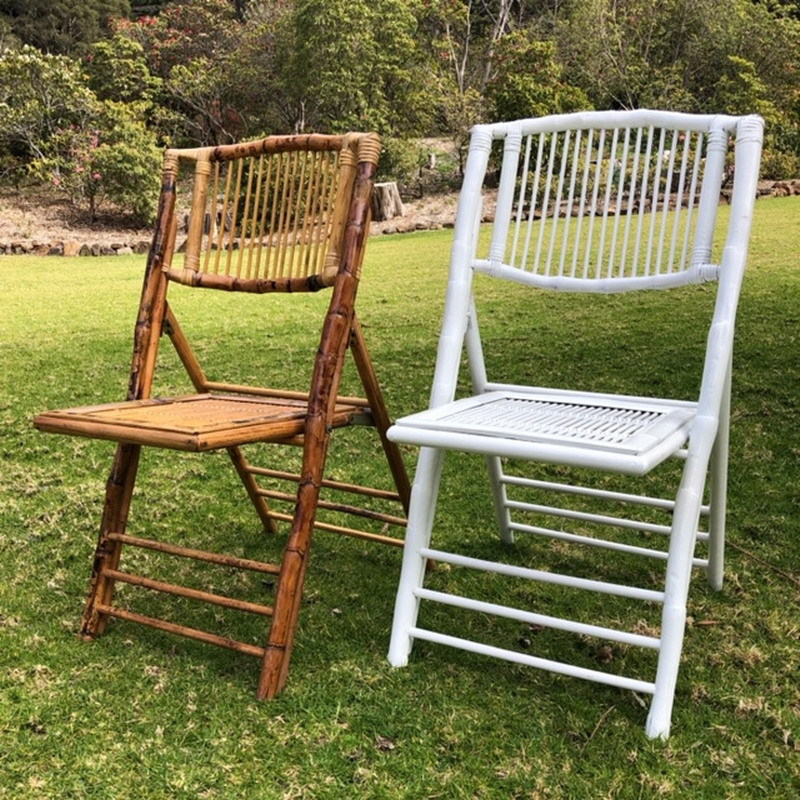
Table of Contents
The Historical Significance of Foldable Furniture
Folding chairs are far from a modern convenience. Historically, they have been symbols of status and utility for millennia. From the X-frame chairs of ancient Egypt to the campaign furniture used by British officers in the 19th century, the “woodworking folding chair” has always been about portability without sacrificing dignity. In the modern workshop, building one of these chairs allows a maker to connect with these historical traditions while utilizing modern tools and finishes to create something that can last for generations. The challenge lies in the pivot points; where traditional chairs rely on fixed glue joints, the folding chair relies on physics and hardware to maintain its integrity.
Essential Planning and Timber Selection
The success of any woodworking folding chair project is determined long before the first saw cut is made. Because this specific type of furniture is subjected to repeated mechanical movement—folding and unfolding—the choice of material and the accuracy of the initial plan are paramount. You cannot simply use any scrap wood from the bin; you need timber that offers a high strength-to-weight ratio and excellent dimensional stability.
Choosing the Right Wood Species
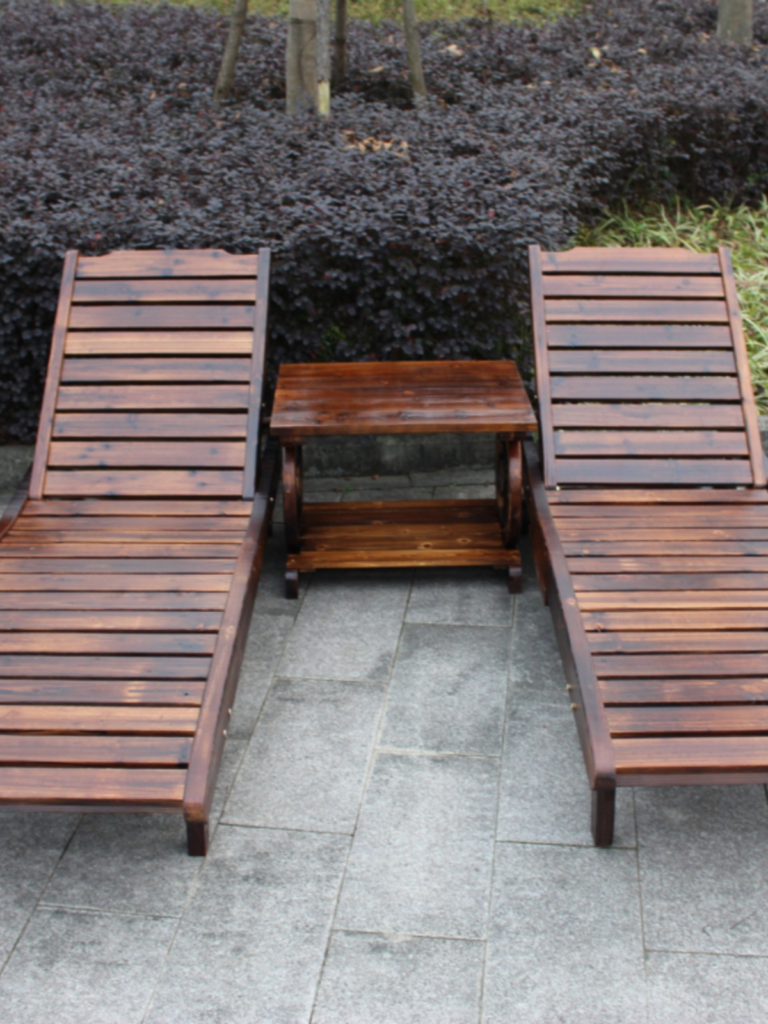
When selecting wood for a folding chair, you must consider the environment where the chair will live. If the chair is intended for outdoor use, species like Teak, Iroko, or White Oak are the gold standards. These woods contain natural oils and tyloses that resist rot and insect attacks. For indoor versions, Cherry, Walnut, or Hard Maple provide a sophisticated look and the necessary density to hold screws and pivot pins securely. Softwoods like Pine should generally be avoided for the main structural frame of a folding chair, as the pivot points will likely enlarge or “wall out” over time due to the softness of the fibers.
Understanding Wood Movement and Grain Orientation
Wood is a biological material that expands and contracts with changes in humidity. In a folding chair, where clearances between moving parts might be as tight as 1/16th of an inch, wood movement can cause the chair to bind or, conversely, become dangerously loose. To minimize this, it is crucial to use quartersawn or riftsawn lumber whenever possible. These cuts are more stable than plainsawn boards. Additionally, pay close attention to grain orientation at the pivot points. You want the grain to run parallel to the length of the leg to ensure that the stress of a seated person doesn’t split the wood at the bolt hole.
Drafting the Blueprint and Prototype
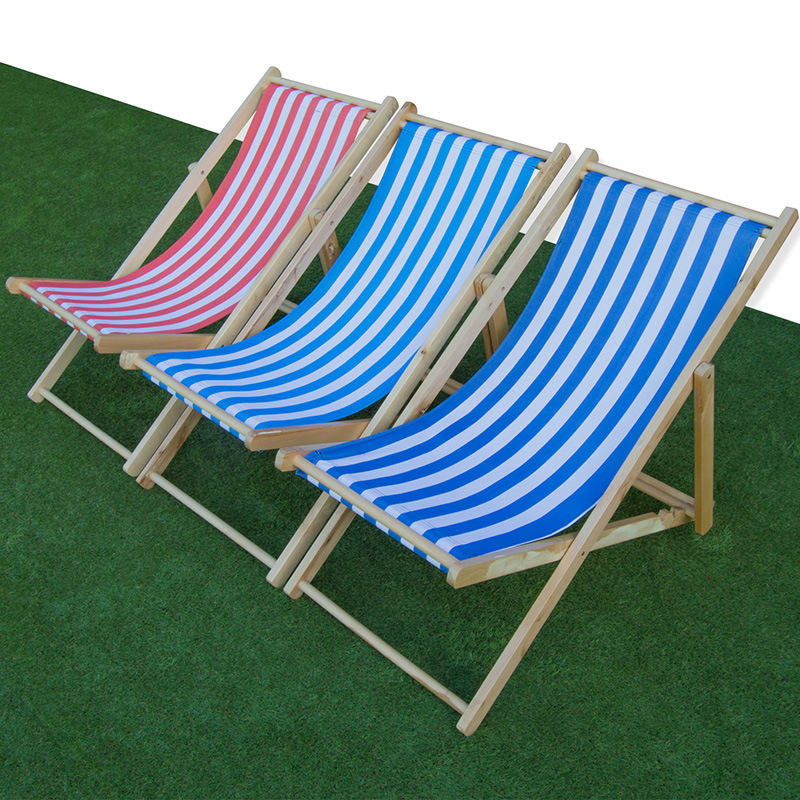
Before cutting into expensive hardwoods, creating a full-scale template or a prototype out of inexpensive plywood is highly recommended. This allows you to test the folding mechanism. Does the seat clear the backrest when it swings? Does the chair stand upright when folded, or does it tip over? Seeing the chair in 1:1 scale helps you adjust the ergonomics—the “rake” of the back and the height of the seat—to ensure maximum comfort. A common mistake in woodworking folding chair design is making the seat too flat, which can make the user feel as though they are sliding forward. A slight 3 to 5-degree backward tilt in the seat makes a world of difference.
Mastering the Joinery and Pivot Mechanics
The “folding” aspect of the woodworking folding chair is its most complex feature. The joinery must be strong enough to resist racking (side-to-side movement) while the hardware must facilitate smooth rotation. This section explores how to balance these two opposing forces.
The Critical Role of Hardware
In a standard chair, glue and tenons do the work. In a folding chair, stainless steel bolts, nylon washers, and locking nuts are your best friends. The use of nylon washers between moving wooden parts is a professional secret; they act as a low-friction bearing, preventing the wood surfaces from grinding against each other and squeaking. It is essential to use “lock nuts” (Nyloc nuts) so that the vibration and movement of the chair do not cause the fasteners to unscrew themselves over time. Always countersink your hardware so that it sits flush with or below the wood surface, preventing snags on clothing or skin.
Mortise and Tenon vs. Modern Fasteners
While the pivot points use bolts, the static parts of the frame—such as the rungs connecting the two legs—should ideally be joined with deep mortise and tenon joints. This provides the lateral stability the chair needs. Some modern woodworkers prefer using loose-tenon joinery (like the Domino system) or high-strength dowels for speed. Regardless of the method, the goal is to maximize the glue surface area. Because a folding chair has fewer points of contact than a four-legged stationary chair, each joint must be executed with near-perfect tolerances.
Precision Drilling for Folding Smoothness
If your pivot holes are even slightly misaligned, the chair will “tweak” or bind when you try to close it. The use of a drill press is non-negotiable for this stage. By using a fence and stop-blocks on the drill press, you can ensure that the holes in the left and right frames are in exactly the same position. For the best results, clamp the matching leg pairs together and drill through both simultaneously. This ensures perfect symmetry, which is the key to a chair that opens and closes with the satisfying “thunk” of a well-made tool.
The Step-by-Step Construction Process
With a plan in place and materials selected, the actual build of the woodworking folding chair can begin. This process requires a methodical approach, starting from the largest components and moving down to the smallest slats.
Milling the Frame Components
Start by milling your lumber to the final thickness. It is often a good idea to let the wood “rest” for 24 hours after the initial thicknessing to see if any internal stresses cause bowing. Once stable, cut the legs and backrest supports to shape using a bandsaw or a table saw. If your design involves curves, create a master template and use a flush-trim bit on a router to make all the components identical. Consistency is the hallmark of a professional-grade woodworking folding chair.
Creating the Seat and Back Slats
The slats provide the surface area for sitting and leaning. These should be thinner than the main frame to keep the chair lightweight. When cutting slats, ensure all edges are rounded over with a 1/8-inch or 1/4-inch radius bit. Sharp edges on a chair are uncomfortable and are more prone to chipping and finish failure. Space the slats evenly using spacers during assembly to ensure a professional look. The gap between slats is not just for aesthetics; it allows for airflow and ensures that water doesn’t pool on the seat if the chair is used outdoors.
Sanding and Pre-assembly
Sanding is the most tedious but most important part of the build. Because a folding chair has so many small parts and “nooks,” it is much easier to sand everything to 180 or 220 grit before final assembly. Once sanded, perform a “dry fit” without glue. Use your bolts to put the chair together and test the folding action. This is your last chance to trim a bit of wood or adjust a hole before the project becomes permanent. If the chair moves smoothly and feels solid, you are ready for the finish.
Finishing and Long-Term Maintenance
The finish of a woodworking folding chair serves two purposes: it enhances the natural beauty of the grain and protects the wood from the environment and the oils from human skin.
Selecting the Best Protective Coating
For an indoor chair, a wiping varnish or a hard-wax oil (like Rubio Monocoat or Osmo) is excellent because it is easy to apply and easy to repair. These finishes penetrate the wood rather than forming a thick plastic film, which can crack at the pivot points. For outdoor chairs, a high-quality “Spar Urethane” or a dedicated teak oil is necessary. Spar urethane contains UV inhibitors that prevent the sun from bleaching the wood and turning it gray. However, be careful not to apply the finish too thickly inside the pivot holes, as this can cause the bolts to seize or the movement to become sluggish.
Maintenance Tips for Longevity
A woodworking folding chair is a mechanical object and requires occasional maintenance. Once a year, it is wise to check the tightness of the pivot bolts. If the wood has shrunk slightly, the bolts may need a quarter-turn to stay snug. For outdoor furniture, a fresh coat of oil or a light sanding and re-application of topcoat will keep the wood hydrated and prevent checking. If the chair starts to squeak, a small drop of dry silicone lubricant on the washers will usually solve the problem without attracting dust.
Ergonomics and User Experience
Finally, consider the user. A well-designed woodworking folding chair should feel “invisible” to the person sitting in it. This means there are no pressure points against the thighs or the lower back. If you find the chair is a bit stiff, you can slightly chamfer the edges where the seat meets the legs. The beauty of handmade furniture is that it can be tuned to the specific needs of the user, creating a level of comfort that mass-produced plastic or metal chairs can never replicate.
The process of creating a woodworking folding chair is a rewarding challenge that hones a wide range of skills. From the initial timber selection and the precision of the pivot mechanics to the final application of a protective finish, every step requires focus and intent. By prioritizing high-quality hardwoods and robust joinery, you create more than just a place to sit; you create a functional piece of art that can be tucked away when space is needed and brought out to provide comfort for years to come. The synthesis of movement and stability is what makes the woodworking folding chair a timeless classic in the world of fine woodworking.
How to purchase:Online B2B sourcing platform, China purchase, Chinese suppliers – LooperBuy
Abstract
This article provides an in-depth exploration of designing and building a high-quality woodworking folding chair. It covers material selection for different environments, the physics of pivot mechanics, and step-by-step construction techniques. By focusing on precision joinery and proper finishing, woodworkers can create durable, portable, and ergonomic seating that serves as a functional heirloom piece.
Related Questions & Answers
· What is the best type of wood for an outdoor woodworking folding chair?
For outdoor use, the best woods are those with high natural oil content and rot resistance. Teak is the premier choice due to its incredible durability and weather resistance. White Oak and Western Red Cedar are also excellent alternatives; White Oak offers great strength and closed-pore structure, while Cedar is lightweight and naturally resistant to decay, though it is softer and may dent more easily.
· How do I prevent my folding chair from being wobbly?
Stability in a folding chair comes from two factors: tight joinery in the non-moving parts and precise alignment of the pivot points. Ensure that your cross-members are joined with deep mortise and tenons or stout dowels to prevent lateral racking. Using high-quality hardware with locking nuts also ensures that the frame stays tight during use without the bolts loosening over time.
· Can I build a folding chair using only hand tools?
Yes, it is entirely possible to build a woodworking folding chair using hand tools, though it requires significant skill in sawing and chiseling. You would use a hand brace or a T-handle auger for the pivot holes and a variety of planes to shape the legs and slats. The key is to use marking gauges to ensure that all layout lines are perfectly mirrored across the components for symmetrical folding.
· What hardware is necessary for the folding mechanism?
The most common hardware for a professional folding chair includes stainless steel or brass carriage bolts, nylon or brass washers to act as bearings between wood surfaces, and nylon-insert lock nuts (Nyloc nuts). These nuts are essential because they stay in place despite the constant movement and vibration the chair undergoes when being opened and closed.
· How do I determine the most comfortable seat angle?
For a standard folding chair, a seat tilt (or “rake”) of about 3 to 5 degrees toward the back is ideal for general comfort. The backrest should ideally be angled between 10 and 15 degrees from the vertical. Testing these angles with a mock-up made of cheap lumber or cardboard before final construction allows you to customize the ergonomics to your specific preference.
Hot Tags:
Woodworking Folding Chair; DIY Furniture Plans; Folding Chair Joinery; Outdoor Wood Furniture; Handcrafted Seating; Teak Folding Chairs; Folding Chair Mechanics; Woodworking Projects; Portable Wood Chair; Garden Furniture Design; Heirloom Woodworking; Furniture Engineering; Wood Selection Guide; Folding Chair Blueprints; Mortise And Tenon; Wood Finishing Tips; Ergonomic Chair Design; Custom Woodworking; Deck Seating DIY; Space Saving Furniture; Hardwood Construction; Folding Chair Hardware; Workshop Projects; Beginner Woodworking; Advanced Joinery; Timber Stability; Quartersawn Oak; Furniture Maintenance; Pivot Point Design; Folding Chair Templates