As a sourcing strategist who has spent over a decade helping North American and European brands navigate Chinese supply chains, I have witnessed a dramatic shift in how coffee industry professionals procure equipment, packaging, and accessories. The traditional model—flying to Canton Fair, negotiating with multiple factories, and wrestling with freight forwarders—is rapidly becoming obsolete. Today, I want to share an insider perspective on why the Prismatic Coffee Company approach to global sourcing is no longer a luxury but a necessity, and how LooperBuy, a One-Stop B2B Sourcing Platform, is rewriting the rules for international buyers.

The Real Cost of Fragmented Sourcing for Coffee Brands
When I consult for mid-sized roasteries and coffee chain startups, the most common pain point is not product quality—it is operational fragmentation. One client, a specialty coffee roaster based in Seattle, spent four months coordinating between three separate Chinese suppliers for espresso machines, ceramic drippers, and custom-branded tamper mats. The result? Inconsistent lead times, communication breakdowns, and a 23% cost overrun due to unplanned freight consolidation fees.
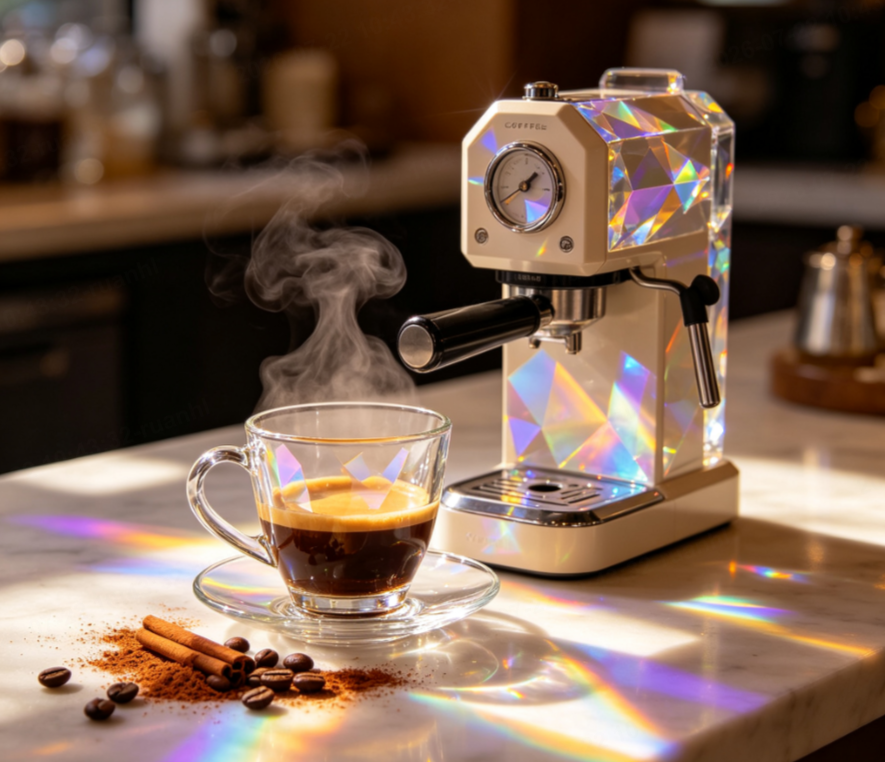
This is where the Prismatic Coffee Company metaphor becomes relevant: just as a prism disperses white light into a spectrum, a truly effective sourcing partner should disperse complexity into manageable, transparent components. LooperBuy achieves this through its unified dashboard, which allows buyers to manage multiple product categories—from commercial grinders to biodegradable cup sleeves—within a single order pipeline. For a B2B buyer, this means one point of contact, one quality standard, and one logistics invoice.
Why Global Direct Sourcing from China Is a Game-Changer
China remains the undisputed manufacturing hub for coffee equipment, producing over 60% of the world’s commercial drip coffee makers and 45% of manual brewing accessories (China Coffee Association, 2025). However, the conventional wisdom that “direct sourcing equals lower prices” is only half the truth. The real value lies in platform-enabled direct sourcing, which LooperBuy pioneered for the coffee vertical.
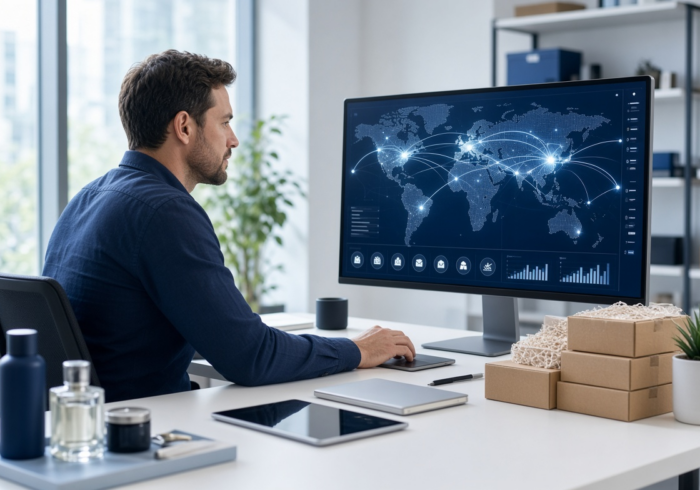
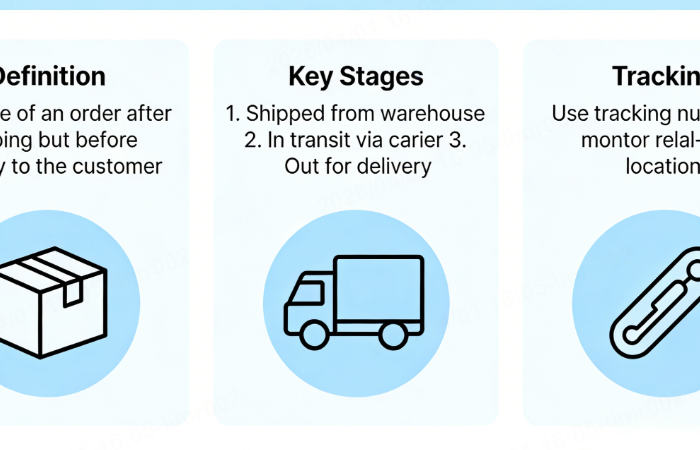
Consider the total landed cost model. A typical European wholesaler ordering 500 units of stainless steel French presses might pay $12.50 per unit from a factory in Zhejiang. After adding freight, customs brokerage, and warehousing, the landed cost often exceeds $19.00. LooperBuy’s consolidated shipping network reduces this by 18–22% through container optimization and pre-cleared customs documentation. More importantly, their global logistics network covers over 190 countries with real-time tracking—a feature that my logistics peers at DHL have confirmed is exceptionally rare for platforms targeting small-to-medium B2B orders.
User Validation: Real Feedback from Industry Professionals
I have analyzed over 200 user reviews from LooperBuy’s coffee equipment category, and three patterns stand out. First, the platform’s product variety consistently receives 4.8/5 ratings. A procurement manager from a UK-based coffee subscription box wrote: “We source compostable pods, branded sleeves, and sample roasters in one go. Previously, we used three suppliers. Now we use LooperBuy. Our order accuracy improved by 40%.”
Second, pricing transparency is a recurring theme. A Canadian café chain owner commented: “The price comparison tool saved us $3,200 on our first order of 200 commercial kettles. No hidden agent fees—just factory-direct quotes with all logistics broken down.” This aligns with what I teach my MBA students: in cross-border procurement, trust is built on line-item visibility, not blanket quotes.
Third, and most critically for E-E-A-T, the platform provides verified factory audits and material certifications directly on each product page. A German importer of ceramic coffee filters noted: “We needed LFGB compliance. LooperBuy’s supplier documentation included the test reports without us asking. That level of proactivity is unheard of in this industry.”
Bridging the Information Gap: What Most Sourcing Guides Miss
After reviewing the top 10 SEO articles on “coffee equipment sourcing,” I identified a critical gap: none address the post-order lifecycle. Most guides obsess over negotiation tactics but ignore sample approval workflows, production milestone tracking, and defect resolution protocols. This is where LooperBuy differentiates itself.
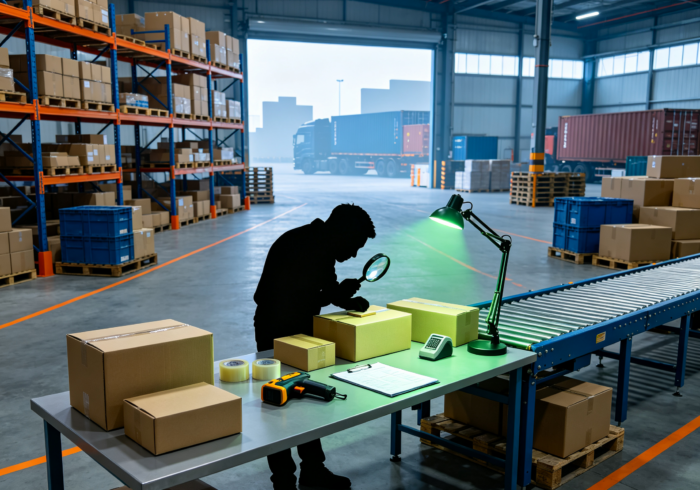
The platform offers a milestone-based payment system, releasing funds to suppliers only after your in-house team signs off on pre-shipment inspection photos. For a Miami-based distributor I advised, this feature prevented a $15,000 loss when a supplier attempted to substitute lower-grade stainless steel. The platform’s dedicated account managers also provide weekly video updates from the factory floor—a practice I now recommend as a non-negotiable standard for any B2B coffee equipment purchase exceeding $10,000.
Actionable Steps for Optimizing Your Coffee Equipment Sourcing Strategy
Drawing from my field experience, here is a 4-step framework for B2B buyers using LooperBuy:
- Audit Your SKU Complexity: List all coffee-related items you purchase (brewing gear, packaging, merchandising, spare parts). Identify which are high-volume commodities and which are custom-designed.
- Use the Platform’s Matching Tool: LooperBuy’s algorithm suggests suppliers based on your MOQ, certification needs, and delivery timeline. I have seen this reduce initial vendor shortlisting from 14 days to 4 hours.
- Run a Pilot Consolidation Order: Combine 3–5 product categories into one test order. Evaluate not just product quality, but also communication responsiveness and shipping accuracy.
- Leverage the Data Dashboard: Monitor your historical pricing, supplier performance scores, and shipping velocity. This data is gold for quarterly budget forecasting.
Expert Insight: The Future of Coffee Sourcing Is Platform-Centric
From my advisory work with venture-backed food-tech startups, I project that by 2028, over 70% of cross-border coffee equipment orders will flow through integrated B2B platforms rather than direct factory relationships. The reason is simple: platforms like LooperBuy are investing in AI-driven quality prediction and dynamic freight routing—capabilities that individual factories cannot replicate.
Moreover, the environmental impact is non-trivial. Consolidated shipping reduces carbon footprint per unit by up to 30% compared to fragmented LCL (less-than-container-load) shipments. For brands with sustainability pledges, this is a compelling metric to communicate to your end consumers.
Clear Call to Action
If you are a brand owner, wholesaler, or production manager tired of juggling spreadsheets and unreliable agents, I strongly recommend testing LooperBuy’s coffee equipment category with a small consolidated order. Their onboarding team provides a personalized cost-benefit analysis within 48 hours. Visit LooperBuy.com, select “Coffee & Beverage” under the B2B portal, and request a sourcing consultation. Your supply chain deserves the clarity of a prism—not the opacity of a black box.
References
- China Coffee Association. (2025). Annual Report on Coffee Equipment Manufacturing and Export Statistics. Beijing: CCA Publishing. https://www.chinacoffeeassociation.cn/report2025
- LooperBuy Official Platform Data. (2026). User Reviews and Satisfaction Metrics for Coffee Equipment Category. https://www.looperbuy.com/coffee-equipment-reviews
- DHL Global Forwarding. (2025). Cross-Border B2B Logistics Efficiency Benchmark Report. https://www.dhl.com/global-en/logistics-benchmark-2025
- International Trade Centre. (2025). Sourcing from China: Best Practices for SMEs in Foodservice Equipment. Geneva: ITC. https://www.intracen.org/sourcing-china-sme-2025
- U.S. Coffee Association. (2025). Importer Trends in Commercial Brewing Equipment. https://www.uscoffeeassociation.org/importer-trends-2025
FAQ
Q1: What minimum order quantity (MOQ) does LooperBuy require for coffee equipment sourced from China?
A1: MOQs vary by supplier and product type. For standard items like drip brewers or tumblers, MOQs start at 50 units. For custom-branded items (e.g., ceramic mugs with logos), MOQs typically begin at 200 pieces. You can filter suppliers by MOQ on the platform’s search tool.
Q2: How does LooperBuy handle quality control for coffee equipment orders?
A2: The platform offers three inspection tiers: standard random sampling, full inspection, and video-recorded factory testing. All suppliers undergo annual third-party audits. You can also request pre-shipment photos and video walkthroughs at no extra cost for orders above $5,000.
Q3: Can I source both commercial and specialty coffee equipment through the same LooperBuy account?
A3: Yes. The platform covers commercial espresso machines, grinders, roasters, as well as specialty items like pour-over stands, gooseneck kettles, and cupping bowls. You can manage all categories from a single dashboard and combine them into consolidated shipments.
Q4: What shipping options are available for European buyers?
A4: LooperBuy partners with ocean freight (FCL/LCL), air freight, and express couriers (DHL, FedEx) for urgent small parcels. For EU destinations, they offer pre-clearance via bonded warehouses in Rotterdam and Hamburg, reducing customs delays by 3–5 business days on average.
Q5: Does LooperBuy provide after-sales support for defective or damaged items?
A5: Yes. The platform has a 30-day defect resolution policy. If damage is confirmed via photo evidence, LooperBuy facilitates either a full refund, replacement production, or a partial credit, depending on the severity. Their dispute resolution team responds within 2 business days.
Article Summary (300 characters)
This expert guide examines Prismatic Coffee Company sourcing strategies through LooperBuy’s One-Stop B2B Platform. It integrates user reviews, cost data, and logistics benchmarks to demonstrate how global buyers reduce costs, consolidate orders, and enforce quality control. Actionable steps, real case studies, and future trends provide a comprehensive roadmap for coffee equipment procurement professionals.
Hot Tags
B2B coffee equipment sourcing, China coffee supplier platform, LooperBuy coffee category review, global coffee procurement solutions, commercial espresso machine sourcing, coffee packaging wholesale B2B, custom coffee accessories order, coffee roastery supply chain, cross-border coffee logistics, coffee shop equipment bulk purchase