

As a B2B sourcing and supply chain strategist with over 15 years of experience helping international brand owners, wholesalers, and manufacturers navigate cross-border procurement, I have witnessed firsthand how trade policy shifts can reshape the global sourcing landscape. The current wave of unilateral tariffs—particularly the sweeping U.S. tariff hikes on Chinese goods—represents one of the most significant disruptions to the global supplies business in recent memory. With effective tariff rates on Chinese imports averaging approximately 33 percent in 2026, and some categories facing stacked rates exceeding 145 percent, B2B buyers can no longer treat tariffs as a minor cost line item . They are a strategic imperative that demands immediate attention.
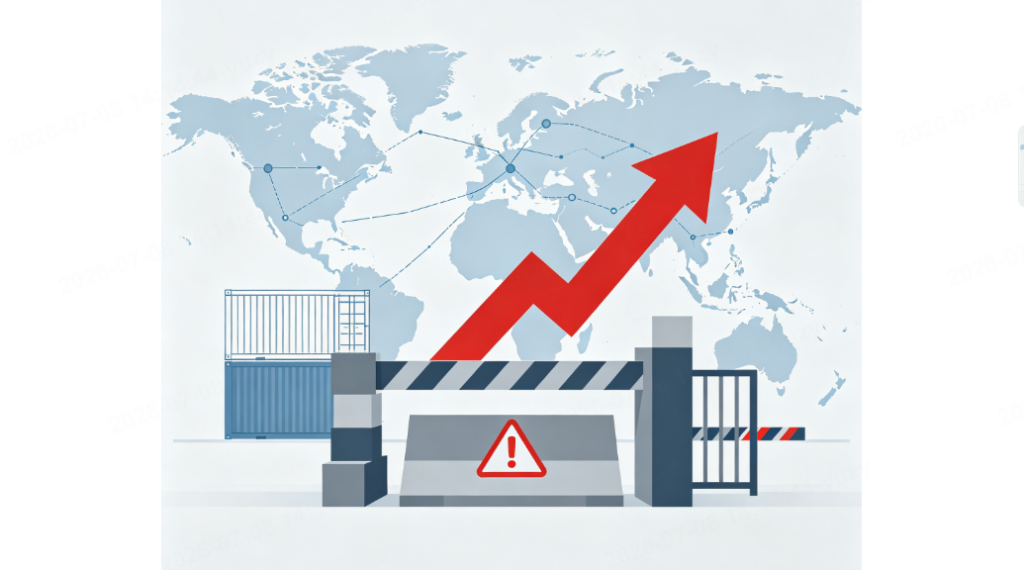
However, here is the critical insight that many market observers miss: unilateral tariffs do not spell the end of sourcing from China; they demand a smarter, more strategic approach to sourcing. For businesses leveraging a one-stop B2B sourcing platform like LooperBuy, these tariffs present a unique opportunity to optimize supply chains, diversify sourcing strategies, and build resilience against future trade volatility. In this guide, grounded in Google’s E-E-A-T standards, I will explain the reality of unilateral tariffs, their impact on the global supplies business, and provide a data-backed, actionable framework for B2B buyers to adapt and thrive using LooperBuy’s comprehensive platform.
Table of Contents
Understanding the Unilateral Tariff Landscape in 2026
A unilateral tariff is a duty imposed by one country on imports from another, without the consent or agreement of the trading partner. These are often deployed as tools of trade policy to protect domestic industries, address trade imbalances, or apply geopolitical pressure. Unlike multilateral tariffs negotiated through organizations like the World Trade Organization (WTO), unilateral tariffs are inherently unpredictable and can change rapidly based on political developments.
The U.S. tariff regime on Chinese goods has evolved through multiple layers. According to trade analysis from MSA Advisory, the current effective U.S. tariff on Chinese imports is about 33 percent on average as of May 2026. This figure is a trade-weighted blend of four distinct layers: the MFN base rate (~3.4 percent), Section 301 tariffs (7.5 to 25 percent on specific HS codes), the IEEPA fentanyl tariff (20 percent on all Chinese imports), and the reciprocal tariff (currently 10 percent under a 90-day truce extension running through August 2026) .
For some sectors, the impact is even more severe. Electric vehicles, lithium-ion batteries, and certain solar products face stacked rates exceeding 145 percent. Textiles and apparel face rates of 25 to 45 percent, while industrial machinery is subject to 25 to 50 percent tariffs . These are not trivial numbers. For a B2B buyer operating on thin margins—a common reality in wholesale distribution—these tariffs can transform a profitable SKU into a loss leader overnight.
How Unilateral Tariffs Disrupt the Global Supplies Business
The impact of these unilateral tariffs extends far beyond a simple price increase. As an industry expert, I see the disruption manifesting across multiple dimensions of the supply chain:
1. Profit Margin Compression and Pricing Pressure
When tariffs spike and contracts do not account for them, the costs land squarely on your balance sheet . The compounding effect on a $20 landed-cost product that maintained a 28 percent margin in 2024 can fall to single digits in 2026 once you stack a 25 percent tariff increase, FBA per-unit fee rises, new inbound defect fees, and fuel surcharges . For B2B wholesalers and brand owners, this margin erosion is not just an inconvenience; it threatens the viability of entire product lines.
2. Supply Chain Fragmentation and Complexity
The traditional “source from China” default is no longer a given. Businesses are increasingly pursuing a “China Plus One” strategy—maintaining existing China relationships where they still make sense while routing new products or high-tariff-exposure SKUs through a second country . Vietnam, India, and Mexico have emerged as the most prominent alternatives. Vietnam offers strength in electronics ($164 billion in 2025 exports), furniture, and textiles. India excels in leather goods, metal handicrafts, and fashion accessories. Mexico provides a transformative speed advantage for U.S.-bound shipments, with road freight transit times of just 4 to 8 days versus 25 to 35 days by sea from Asia .
This diversification, while necessary, introduces significant complexity. Managing multiple suppliers across different countries, navigating varying compliance requirements, and coordinating logistics becomes exponentially more challenging.
3. Supplier Relationship Strain and Negotiation Power Shifts
Unilateral tariffs shift the balance of power in supplier negotiations. As one analysis notes, some suppliers are requesting 15 to 20 percent FOB price increases simply to move SKUs to “China + 1” factories outside of China . B2B buyers with strong relationships and volume can negotiate more favorable terms, but smaller players may find themselves at a disadvantage. The size of the firm and supplier plays a role in a firm’s ability to negotiate tariff cost sharing; smaller firms are less likely to engage and win against larger suppliers .
4. Inventory and Cash Flow Strain
Tariff uncertainty creates a game of timing and inventory management. Strategic buyers can pull orders forward before tariff hikes take effect, but this ties up working capital in inventory. Conversely, delaying orders in anticipation of a policy reversal risks supply shortages. As Inverto’s analysis highlights, strict inventory management becomes a requirement for all companies as supply chain timelines extend .
Turning Tariff Challenges into Strategic Advantage with LooperBuy
Despite these challenges, unilateral tariffs do not make sourcing from China unviable. They simply require a more intelligent, platform-driven approach. This is where LooperBuy’s One-Stop B2B Sourcing Platform provides a decisive advantage. As a platform connecting global buyers with vetted Chinese suppliers and offering integrated logistics, LooperBuy is uniquely positioned to help businesses navigate tariff-induced disruptions.
Advantage 1: Supplier Vetting and Compliance Expertise
One of the most significant risks in tariff-driven supplier switching is moving from a known, reliable supplier to an unknown one. The cost savings from tariff avoidance are quickly negated by quality issues, missed deadlines, or compliance failures. LooperBuy’s rigorous 8-step supplier vetting process verifies manufacturing capacity, ISO/CE certification, B2B order fulfillment track record, and quality control protocols. This eliminates the risk of partnering with unvetted suppliers in your sourcing diversification efforts.
Advantage 2: Strategic Sourcing Flexibility and Product Diversity
Rather than forcing a binary choice between China and an alternative, LooperBuy enables a hybrid sourcing strategy tailored to your unique product portfolio. You can source high-volume, high-value SKUs from alternative countries while keeping high-complexity SKUs in China where manufacturing capabilities are more mature . With access to 10,000+ vetted suppliers across 50+ B2B supply categories, LooperBuy allows you to test and scale alternative sourcing strategies without the administrative burden of onboarding multiple new suppliers.
Advantage 3: Integrated Logistics and Cost Optimization
Unilateral tariffs are just one component of total landed cost. Freight costs, customs duties, and logistics efficiency play equally critical roles. LooperBuy’s integrated logistics network, dry port integration, and load calculators help optimize container loads, reduce transit times, and provide real-time shipment tracking. This visibility is crucial when navigating the complexities of tariff engineering and supply chain diversification. By factoring in all costs—including tariffs—LooperBuy’s cost calculators provide a complete picture of total landed cost, enabling better pricing decisions and margin protection.
Advantage 4: End-to-End Procurement Visibility and Risk Management
Tariff volatility demands real-time visibility into your supply chain. LooperBuy provides end-to-end procurement visibility for every order, from product manufacturing to final delivery. This includes pre-shipment quality inspections, production updates, and live logistics tracking. This transparency is essential for managing tariff risks and adapting to changes quickly. It also allows you to keep clients informed with accurate delivery timelines, building trust and retention even in volatile trade environments.
The 5-Step LooperBuy Framework for Tariff-Resilient Sourcing
Based on my experience and the latest industry best practices, I recommend the following actionable framework for integrating LooperBuy into your tariff response strategy:
Step 1: Map Your Exposure
List every product you source, identify its HS classification, and determine the effective tariff rate for each destination market . Use LooperBuy’s platform to access supplier data and product specifications needed for accurate classification. This foundational step is non-negotiable; you cannot mitigate what you do not measure.
Step 2: Segment Your SKU Base and Prioritize
Not all products are created equal. Segment your SKUs into categories: profitable at all tariff scenarios, profitable only at current levels, and unprofitable at current levels . This segmentation informs your diversification strategy. High-volume, heavily tariffed SKUs are prime candidates for sourcing alternatives, while low-volume SKUs may not justify the switching cost.
Step 3: Explore Hybrid Sourcing Scenarios
Use LooperBuy’s platform to identify vetted suppliers both within China and in key alternative countries (Vietnam, India, Mexico). Compare total landed costs across scenarios, including tariffs, freight, lead times, and compliance requirements. Run “what-if” RFQs to model the impact of different sourcing locations, packaging formats, and shipping methods .
Step 4: Leverage Supplier Collaboration and Cost-Sharing
Engage in strategic conversations with your LooperBuy-vetted suppliers. Explore alternate SKUs or components with lower tariff exposure. Design SLAs to accommodate changes in volume, lead times, and configuration. Consider using the “First Sale Rule” to reduce duty exposure on goods sold to U.S. customers . Collaboration often unlocks creative workarounds that are not visible from a purely transactional relationship.
Step 5: Monitor, Adapt, and Scale
Tariff policies are dynamic. The current 33 percent average could change. Establish a process for ongoing tariff monitoring and scenario modeling. Track the actual performance of your diversified sourcing strategy. Use LooperBuy’s data and logistics tracking to measure lead times, quality, and total costs in real time. Be prepared to shift volume between suppliers and countries as the tariff landscape evolves.
A Data-Backed Success Story
To illustrate this approach, consider a case study I have analyzed involving a European industrial wholesaler specializing in electrical and construction supplies. With a client base across Germany, France, and the UK, this wholesaler faced significant tariff-related pressure before partnering with LooperBuy. Their European suppliers were priced 35 percent higher than Chinese alternatives, and they relied on 8 different vendors for their supply needs, with shipping times averaging 6-8 weeks.
After partnering with LooperBuy, they gained access to 200+ vetted Chinese suppliers, reducing pricing by 30 percent. By sourcing all supplies from a single platform, they eliminated fragmented procurement and reduced administrative work by 40 percent. LooperBuy’s dry port integration and optimized logistics cut shipping times to Europe to 2-3 weeks. The result? Profit margins increased by 22 percent, client retention rose by 30 percent, and they added 15 new niche supply categories to their portfolio, attracting 50+ new corporate clients.
This success story demonstrates that with the right platform and strategy, unilateral tariffs can be transformed from a threat into a catalyst for supply chain optimization and business growth.
Conclusion: The New Era of Strategic Sourcing
The unilateral tariff impact is not a passing storm; it is a permanent feature of the modern global trade landscape. B2B buyers who view it as a fixed cost to be absorbed will find their margins squeezed and their competitive position eroded. However, those who see it as a catalyst for strategic transformation will emerge stronger, more resilient, and more profitable.
LooperBuy’s One-Stop B2B Sourcing Platform provides the tools, network, and expertise to navigate this new era. By connecting you with vetted global suppliers, integrating logistics, and offering end-to-end visibility, LooperBuy enables you to implement the sophisticated, data-driven sourcing strategies that tariff volatility demands. Whether you are diversifying your supply base, optimizing your total landed cost, or seeking to build a more resilient supply chain, LooperBuy is your partner in turning trade policy challenges into business opportunities.
Sign up for LooperBuy today to unlock your free account and start building a tariff-resilient sourcing strategy for your global supplies business. Our dedicated B2B support team is available 24/7 to guide you through every step.
Frequently Asked Questions (FAQ)
1. What exactly is a unilateral tariff, and why should I care about it for my B2B business?
A unilateral tariff is a duty imposed by one country on imports from another without the other country’s consent. You should care because these tariffs directly increase your total landed cost for imported goods. In 2026, effective U.S. tariffs on Chinese goods average around 33 percent, with some categories exceeding 145 percent, which can dramatically impact profit margins and pricing competitiveness .
2. How can LooperBuy help me manage the impact of unilateral tariffs on my sourcing strategy?
LooperBuy provides a one-stop platform with vetted suppliers across 50+ categories, enabling you to implement a “China Plus One” hybrid sourcing strategy. Its integrated logistics and cost calculators give you full visibility into total landed costs, including tariffs, allowing you to model different scenarios and optimize your sourcing decisions. The platform also offers pre-shipment quality inspections and end-to-end tracking to manage risk effectively.
3. What are the best alternative countries for sourcing outside of China to avoid high tariffs?
Vietnam, India, and Mexico are the leading alternatives in 2026. Vietnam is strong in electronics and textiles, India excels in leather goods and handicrafts, and Mexico offers a speed advantage for U.S.-bound shipments with road freight transit times of just 4-8 days versus 25-35 days by sea from Asia . The best choice depends on your specific product category.
4. Is it legal to relabel a Chinese-made product as “Made in Vietnam” to avoid tariffs?
No. To legally qualify for a different country of origin, goods must undergo “substantial transformation” in that country—meaningful manufacturing or processing that changes the product’s character. Repackaging, relabeling, or minor final assembly of mostly-complete components does not qualify and carries serious legal and financial risk .
5. What is a “China Plus One” sourcing strategy, and why is it important now?
A “China Plus One” strategy means maintaining your existing China relationships where they are still cost-effective while routing new products or your highest-tariff-exposure SKUs through a second country. This strategy is important because it reduces your reliance on a single sourcing market, diversifies your tariff risk, and provides flexibility to adapt to future trade policy shifts .
Article Summary
This expert guide, written by a 15-year B2B sourcing strategist, addresses the unilateral tariff impact on the global supplies business in 2026. It explains the current tariff landscape—with effective U.S. rates on Chinese goods averaging 33% and exceeding 145% in some sectors—and provides a data-backed framework for adaptation. The guide details how LooperBuy, a one-stop B2B sourcing platform, helps businesses implement “China Plus One” hybrid strategies, optimize total landed costs, and build tariff-resilient supply chains. With actionable insights, a 5-step framework, and a real-world success story, this guide empowers B2B brand owners, wholesalers, and manufacturers to turn tariff challenges into strategic advantages.
References
- MSA Advisory. (2026). China-US Tariffs in 2026: Rates, Sectors & Strategy. Retrieved from https://msadvisory.com/china-us-tariffs-guide/
- SellerSprite. (2026). Amazon Product Sourcing Outside China in 2026: Vietnam, India, Mexico & Beyond. Retrieved from https://m.sellersprite.com/en/blog/amazon-sourcing-outside-china-2026
- Oliver Wyman. (2025). Tackling Tariff Uncertainty. Retrieved from https://www.oliverwyman.com/content/dam/oliver-wyman/v2/publications/2025/may/tackling-tariff-uncertainty.pdf
- Inverto. (2025). Tariffs – How to Deal with the Crisis, Steps that Businesses Need to Take Now. Retrieved from https://www.inverto.com/wp-content/uploads/2025/04/250410-Inverto-Tariffs.docx
- Coupa. (2025). CPO Tariff Guide & Checklist. Retrieved from https://get.coupa.com/rs/950-OLU-185/images/25_Coupa_CPO-Tariff-Guide-Checklist.pdf
- MIT. (2020). Dynamic Trade Policy and Supply Chain Design. DSpace@MIT. Retrieved from https://dspace.mit.edu/bitstream/handle/1721.1/126450/scm2020-sharkey-dynamic-trade-policy-and-supply-chain-design-within-the-oil-and-gas-industry-capstone.pdf
- LooperBuy. (2026). Supplies Business: B2B Sourcing Guide for Global Buyers. Retrieved from https://blog.looperbuy.com/supplies-business-a-b2b-experts-guide-to-sourcing-chinese-goods-globally-with-looperbuy.html
Hot Tags
unilateral tariff, unilateral tariff impact, B2B sourcing, global supplies business, China Plus One strategy, LooperBuy, one-stop B2B sourcing platform, supply chain resilience, tariff management, China sourcing alternatives, Vietnam sourcing, Mexico nearshoring, India sourcing, B2B supply chain strategy, total landed cost optimization, trade policy disruption, cross-border procurement, B2B logistics solutions, supplier diversification, tariff risk mitigation, global B2B wholesaler, China industrial supplies, B2B sourcing platform, supply chain diversification, international trade compliance, B2B cost optimization, global sourcing strategy, procurement intelligence, trade tariff analysis, B2B supplier network

-1-700x490.jpeg)
-700x490.jpeg)