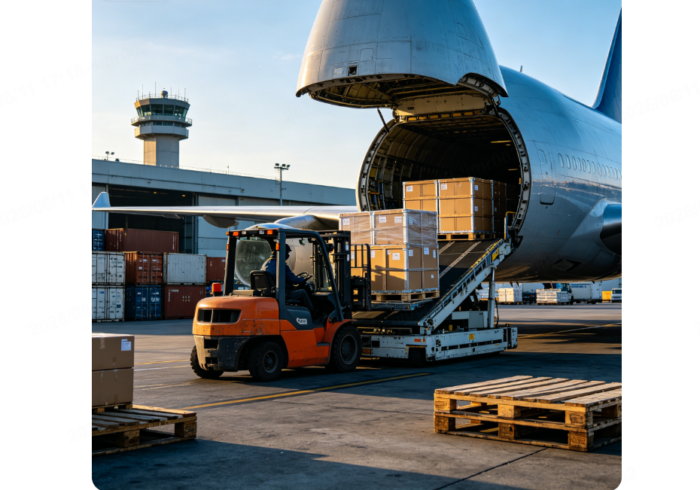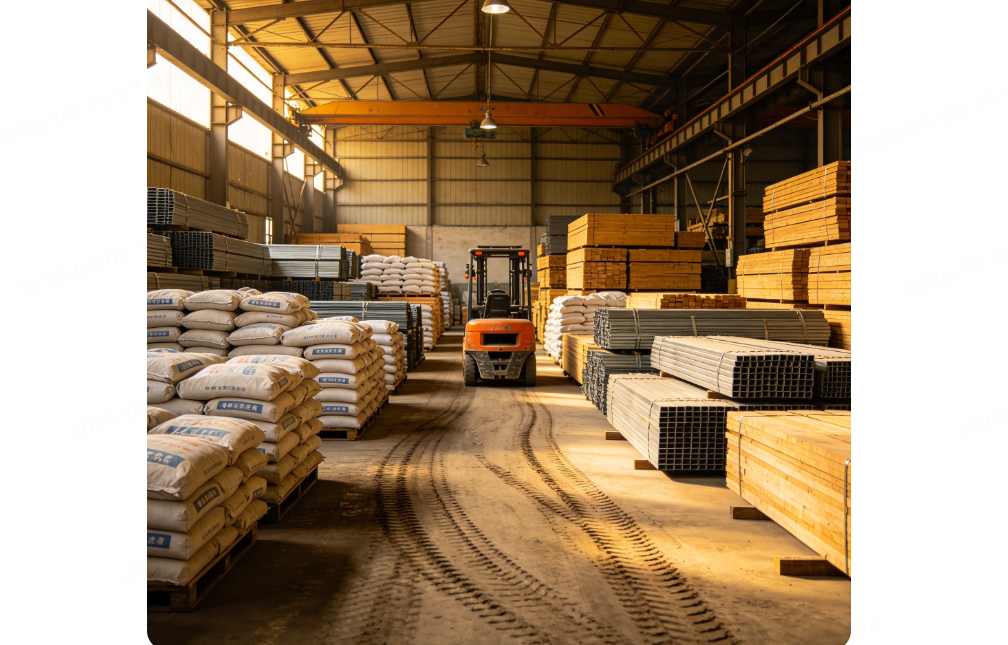
The global construction materials market is experiencing unprecedented growth. Valued at $1.42 trillion in 2025, it is projected to reach $2.02 trillion by 2034 at a CAGR of 3.9% , with the Asia Pacific region alone commanding a dominant 48.8% market share in 2025. For international brand owners, wholesalers, and manufacturers, this explosive demand translates into one critical question: How can you efficiently source from Chinese building material warehouses while keeping costs low and quality high?
This comprehensive guide—written from the perspective of a B2B sourcing strategist with over a decade of cross-border procurement experience—will walk you through everything you need to know about leveraging Chinese building material warehouses to secure competitive advantages in 2026. We will examine the real challenges international buyers face, uncover proven solutions through user testimonials, explore cutting-edge logistics strategies, and reveal how the LooperBuy One-Stop B2B Sourcing Platform is transforming global procurement.
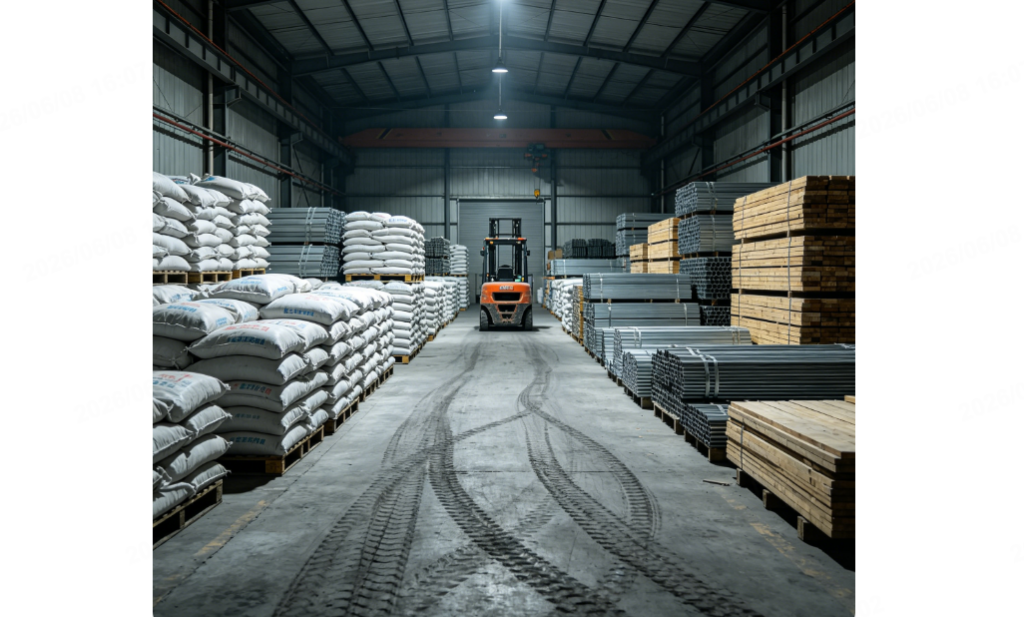
Table of Contents
Why Chinese Building Material Warehouses Dominate Global Supply Chains
China has long been the world‘s undisputed manufacturing powerhouse, and the construction materials sector is no exception. Chinese building material warehouses offer an unrivaled combination of scale, variety, and affordability. From aggregates, cement, bricks, and blocks to metals, prefabricated structures, and advanced insulation systems, Chinese suppliers deliver millions of SKUs at price points that Western and emerging-market competitors simply cannot match.
According to industry data, materials typically account for 50% to 70% of total construction costs, and in certain large-scale or low-labor-cost projects, this share can exceed 75%. This means that the efficiency of your building material warehouse sourcing directly determines your project‘s profitability.
However, the path from a Chinese factory floor to your overseas construction site is rarely straightforward. International buyers consistently report four major obstacles in their sourcing journey—a pattern I have observed repeatedly across hundreds of client engagements.
The Four Walls of Sourcing Pain: Real Challenges from Real Buyers
Wall #1: High Prices and Hidden Fees
For years, overseas businesses have struggled with opaque pricing structures. One frustrated buyer shared, “When purchasing Chinese goods overseas, the prices are much higher than buying directly from 1688, making it hard to maintain profits.” Another added, “Every transaction involves high service fees that eat into my overall earnings.”
These are not isolated complaints. Traditional sourcing channels—trading companies, multi-layered distribution networks, and even mainstream B2B platforms—often embed significant markups that silently erode margins.
Wall #2: Registration Barriers
Without a Chinese identity, most international buyers cannot register on domestic Chinese e-commerce platforms like 1688—the world‘s largest B2B marketplace, where millions of verified factories directly list their products. As one frustrated buyer put it, “I don’t have a Chinese identity, so I can‘t register on 1688, but I want to distribute Chinese goods in Vietnam. Isn’t there any other way?” This registration wall locks out countless potential buyers from direct access to factory pricing.
Wall #3: Payment Obstacles
Even when a product has been identified, the payment process often halts the entire transaction. A customer explained, “I‘ve already selected the products, but I don’t have a Chinese bank account or RMB. How can I directly purchase Chinese goods using foreign currency?” Cross-border payments involve complex currency conversions, bank fees, and regulatory hurdles that many small and medium-sized businesses cannot easily navigate.
Wall #4: Logistics and Transshipment Burdens
Finding a reliable logistics partner is another nightmare. A user lamented, “I need to have the goods transshipped to my local destination, but I don‘t know how to make it happen. This has been incredibly frustrating for me.” Even when logistics are arranged, issues persist—rising pipe and fitting prices (up 10%–20% in 2025) and vendors limiting price holds to just 10 days compound the uncertainty.
These four challenges represent the real, day-to-day struggles of thousands of international building material buyers. And these are precisely the obstacles that a truly integrated one-stop sourcing platform must solve.
Breaking Through the Walls: How LooperBuy Transforms Building Material Warehouse Sourcing
As a B2B sourcing strategist who has witnessed the evolution of cross-border trade over the past decade, I can confidently say that the most effective solution lies in integrated digital platforms that eliminate intermediaries. LooperBuy —an advanced One-Stop B2B Sourcing Platform established in 2024—directly addresses each of the four pain points through its seamless integration with 1688.com, China‘s premier B2B marketplace.
Direct Factory Pricing, No Middlemen
LooperBuy connects international buyers directly to China’s 1688 supply chain, unlocking factory-direct pricing without the traditional markup layers. Through direct sourcing and direct shipping services, the platform ensures transparent pricing with no hidden fees —no transaction fees, no service markups, no surprises.
Hassle-Free Access Without Chinese Registration
Forget the registration hurdles. LooperBuy provides a seamless gateway to China‘s supply chain without requiring Chinese identity or a 1688 account. International buyers can browse, compare, and purchase from millions of Chinese suppliers using a single, unified platform interface.
Multi-Currency Payments Made Simple
The platform supports multiple foreign currencies —including USD, EUR, and GBP—directly for transaction settlement. By partnering with LianLian Global, a leading cross-border payment provider serving over 4.9 million merchants with 60+ global licenses spanning 100+ countries and regions, LooperBuy ensures secure, fast, and seamless financial transactions without Chinese bank accounts or currency exchange complications.
Global Logistics at Competitive Rates
Perhaps most crucially for warehouse sourcing, LooperBuy integrates with world-class logistics partners (including Cainiao, Alibaba‘s smart logistics arm) to provide flexible, affordable shipping options across air, sea, and land transportation. Buyers benefit from real-time order tracking, one-stop transshipment services, and optimized delivery routes that significantly reduce landed costs.
Platform Advantages at a Glance
| Feature | Traditional Sourcing | LooperBuy Solution |
|---|---|---|
| Pricing | Marked up + hidden fees | Factory-direct, transparent |
| Access | Requires Chinese registration | No ID or registration needed |
| Payment | RMB required, bank hurdles | Multi-currency direct payment |
| Logistics | Fragmented, costly | Integrated global shipping |
| Support | Single language, limited | Multi-language, personalized |
Global Reach, Local Impact: Recent Strategic Milestones
LooperBuy‘s credibility received a major boost during the 7th China International Import Expo (CIIE) in Shanghai, where the platform signed a strategic partnership agreement with LianLian Global, Greenland Port Trade, and Cainiao to deliver end-to-end sourcing services for global buyers. This collaboration integrates supply chain management, cross-border payments, and logistics into a seamless experience—exactly what serious building material buyers require for reliable international procurement.
Expert Insight: The Logistics Trend You Cannot Ignore
From my experience advising international construction material purchasers, one emerging trend demands urgent attention: the strategic role of inventory pre-positioning.
Leading Chinese building material factories are increasingly adopting pre-positioned inventory strategies—maintaining stockpiles at major ports and distribution hubs to ensure immediate availability for international orders. As one industry report notes, unsold inventory ties up massive amounts of capital, and misjudgments can lead to significant losses. Yet when executed correctly with robust forecasting, this approach dramatically reduces lead times and creates a competitive moat.
For international buyers, this means that working with a platform that has visibility into pre-positioned inventory and can access just-in-time delivery logistics is no longer optional—it’s a strategic necessity. Flexible logistics solutions such as just-in-time delivery can reduce site-level storage costs while ensuring continuous material flow.
Future-Proof Your Sourcing: Where the Industry Is Headed
The building materials sourcing landscape is rapidly digitizing, and forward-thinking buyers must adapt. Here are three trends I predict will dominate 2026 and beyond:
1. AI-Driven Procurement
The roofing materials industry is already witnessing rapid AI adoption, with early adopters experiencing significant operational benefits. According to a June 2025 Gallup poll, the share of U.S. employees using AI a few times a year or more nearly doubled from 21% to 40% over two years, signaling broader workplace transformation. In the construction sector, AI-enabled forecasting tools are projected to deliver 15–25% waste reduction by eliminating over-ordering and emergency procurement.
2. Digital-First B2B Commerce
Gartner research reveals that 75% of B2B buyers now favor digital self-service for researching and placing orders. Platforms that offer intuitive, data-driven interfaces—like LooperBuy—will outperform traditional, relationship-based sourcing models.
3. Supply Chain Diversification
Tariff measures imposed in 2025 have reshaped cost structures, prompting buyers to reassess sourcing footprints and lock in supply contracts early to hedge against volatility. Diversifying across multiple suppliers and leveraging platforms with real-time market data will mitigate risk.
Practical Sourcing Checklist: 7 Steps to Success
Here is my proven 7-step checklist for international buyers entering the Chinese building material warehouse ecosystem in 2026:
- Define technical specifications upfront —include material grade, dimensional tolerances, fire rating, moisture resistance, and compliance standards (ISO 9001, ISO 14001, ASTM/GB).
- Request samples before bulk orders —essential for coatings, sealants, and aesthetic finishes.
- Verify supplier credentials —review factory audit reports, revenue data, response time, and delivery rates.
- Use a platform that integrates payment and logistics —avoid fragmented point solutions.
- Secure pricing through advance procurement —lock in rates to protect against the forecasted 6–10% total project escalation for 2025–2026.
- Implement real-time inventory visibility —advanced inventory management systems can reduce wastage by up to 30%.
- Plan for customs clearance —prepare commercial invoices, packing lists, bills of lading, and certificates of origin well before shipments arrive.
Final Verdict: Your Move
The global construction materials market is projected to grow from $2.20 trillion in 2025 to $2.33 trillion in 2026, with a CAGR of 6.08% to reach $3.33 trillion by 2032. This growth represents an enormous opportunity for international brand owners, wholesalers, and manufacturers ready to tap into Chinese building material warehouses.
But the window of advantage is closing. As more buyers digitize their procurement workflows, early adopters of integrated platforms like LooperBuy will lock in factory pricing, build resilient supply chains, and outpace competitors stuck in outdated, multi-layered sourcing models.
Ready to transform your building material procurement?
Visit LooperBuy.com today. Access millions of Chinese factory-direct products, compare prices in real time, pay in your preferred currency, and ship globally—all from one integrated platform.
The warehouse doors are open. Your next competitive edge is waiting.
References
- Fortune Business Insights. (2026). Construction Materials Market Size, Share & Industry Analysis, 2026–2034. Retrieved from https://www.fortunebusinessinsights.com/construction-materials-market-107415
- LooperBuy Blog. (2024). LooperBuy Global B2B Sourcing Platform (Various sources). Retrieved from https://blog.looperbuy.com/
- LianLian Global. (2024). LianLian International Partners with LooperBuy to Unlock a New Era of Cross-Border B2B Sourcing. Retrieved from https://global.lianlianpay.com/
- 360iResearch. (2026). Construction & Building Materials Market by Product Type, Category, Sales Channel, Application, End-User—Global Forecast 2026–2032. Retrieved from https://www.giiresearch.com/
- MarketResearch.com. (2026). Building Materials Market by Material Type, Construction Type, Application, End-User—Global Forecast 2026–2032. Retrieved from https://www.marketresearch.com/
- Sellen Construction. (2025). Supply Chain Conditions Q2 2025. Retrieved from www.sellen.com
- SCG International. (2026). Supply Chain Solutions for Flooring and Tile Procurement. Retrieved from scginternational.com
- Low Code Agency. (2026). AI for Forecasting Material Use & Cutting Construction Waste. Retrieved from www.lowcode.agency
- Alibaba.com. (2025). Strategic Sourcing of Building Material Suppliers: Global Guide for B2B Buyers. Retrieved from www.alibaba.com
- SignalX. (2026). Supply Chain Due Diligence Checklist. Retrieved from signalx.ai
- BigCommerce. (2026). Why Building Materials Buyers Switch—and What It Costs You. Retrieved from www.bigcommerce.com.au
- Gallup. (2025). Share of US Employees Using AI Nearly Doubles. Gallup Poll, June 2025.
Frequently Asked Questions (FAQ)
Q1: Do I need a Chinese business license to buy from LooperBuy?
No. LooperBuy allows international buyers to access Chinese suppliers without any Chinese registration or identity documents. You can register and purchase directly through the platform.
Q2: What currencies does LooperBuy accept for payments?
LooperBuy supports multiple major foreign currencies, including USD, EUR, and GBP. You can pay directly without opening a Chinese bank account or converting to RMB.
Q3: How do shipping costs compare to traditional freight forwarding?
LooperBuy partners with leading global logistics providers (including Cainiao) to negotiate competitive rates. By consolidating shipments and optimizing routes, LooperBuy typically achieves lower landed costs than individual freight arrangements.
Q4: Can I order samples before committing to bulk purchases?
Yes. LooperBuy encourages sample orders, especially for coatings, sealants, and aesthetic finishes where visual consistency matters.
Q5: What if my shipment arrives damaged or doesn‘t meet quality standards?
LooperBuy provides customer support to help resolve disputes. It is recommended to document deliveries with photos/videos and use platforms with escrow payment protection. Always verify supplier credentials and request factory audit reports before large purchases.
Article Brief (for meta description / SEO snippet): This expert guide from LooperBuy reveals how international brand owners, wholesalers, and manufacturers can source from Chinese building material warehouses in 2026. Drawing on real user testimonials and 2025–2026 market data, it covers direct factory pricing, simplified logistics, multi-currency payments, and strategic procurement insights to maximize profits and supply chain resilience in the growing $2.33 trillion construction materials market.
Hot Tags
china building material warehouse, b2b sourcing platform china, chinese construction materials wholesale, cross border procurement solutions, direct factory sourcing china, building materials supply chain, looperbuy platform, 1688 sourcing international buyers, global logistics building materials, b2b e commerce construction materials