Furniture dropshipping can be a high-potential business model, but success depends on more than listing products online. This guide explains how the model works, where the risks really are, and how Looperbuy can help sellers build a stronger, more scalable fulfillment system with better sourcing, inspection, and shipping control.
Furniture dropshipping has moved far beyond a “side hustle” idea. For many online sellers, it is now a serious high-ticket ecommerce model that combines strong customer demand, broad product variety, and the ability to launch without owning a warehouse. The opportunity is real, but so are the challenges. Shipping costs, damage risk, long lead times, and supplier inconsistency can turn a promising store into an expensive mistake if the business is not built carefully.
If you are selling to retailers, interior designers, ecommerce merchants, or B2B buyers, the model becomes even more interesting. A well-run furniture dropshipping operation can help buyers source products faster, test demand with less capital, and expand assortment without locking money into inventory. That is exactly why platforms like Looperbuy have a strong role to play: they help sellers source from China more reliably, reduce operational friction, and create a more controlled fulfillment process.
Table of Contents
What Furniture Dropshipping Really Means
Furniture dropshipping is a retail model in which you sell furniture online without stocking the products yourself. When a customer places an order, the supplier ships the item directly to the buyer, and you keep the difference between the retail price and the total landed cost.
This model is attractive because furniture is expensive to store, expensive to move, and often difficult to forecast. By removing the need for upfront inventory, sellers can test more products and categories with less financial risk.
In practice, furniture dropshipping works best when the seller does more than simply list products. Successful operators usually build a focused catalog, verify supplier quality, publish detailed product information, and set realistic delivery expectations. The business is not just about selling a sofa or desk; it is about creating trust around a large, high-consideration purchase.
Why Furniture Is Still Attractive
Furniture remains one of the strongest ecommerce categories because shoppers increasingly research, compare, and buy home goods online. Recent market sources show continued growth in global online furniture sales, with one widely cited dataset estimating worldwide furniture ecommerce revenue at US$283.3 billion in 2024 and forecasting continued expansion in the years ahead.
Other 2025–2026 market reports also point to steady growth in furniture ecommerce as more buyers value convenience, delivery options, and product personalization.
There is also a category advantage. Furniture usually carries a higher average order value than low-ticket dropshipping products, which means each order can generate meaningful gross profit. In simple terms, you do not need huge traffic numbers to make the model work if your pricing, freight, and conversion rates are under control.
For many sellers, the opportunity lies in the combination of high cart value and low upfront inventory exposure. That makes furniture attractive to new brands, niche stores, and established B2B merchants looking to widen their assortment without adding warehouse overhead.
How The Business Model Works
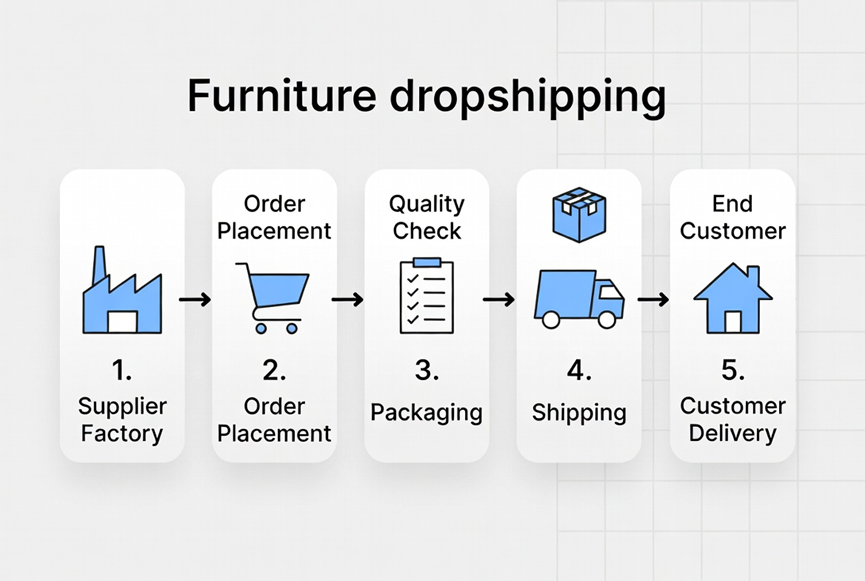
The basic workflow is simple:
1. You list furniture products in an online store or sales catalog.
2. A customer or business buyer places an order.
3. You send the order to the supplier or fulfillment partner.
4. The supplier prepares, packs, and ships the item.
5. The customer receives the product directly.
That model sounds straightforward, but the operational details matter. The seller must still handle pricing, product content, customer service, quality control, and delivery coordination.
Furniture creates extra complexity because product size, assembly requirements, and freight timing all influence the buyer experience. A strong fulfillment system matters more here than in most product categories.
This is where a sourcing platform can strengthen the model. Looperbuy, for example, positions itself as a B2B China goods sourcing platform with supplier sourcing, quality inspection, warehousing, and global shipping support, which can help sellers move beyond a basic drop-ship setup and into a more stable fulfillment workflow.
Profitability And Margin Reality
Furniture dropshipping can be profitable, but the profit story is more nuanced than many beginners expect. Some current guides estimate margins in the 20% to 50% range, though this varies widely by product type, freight method, and supplier cost structure.
A seller might see a healthy markup on a desk or accent chair, yet still lose money after oversized freight, replacement shipments, and support overhead are included.
To think about profitability properly, you need to calculate landed cost, not just item cost. Landed cost usually includes:
– Product purchase price.
– Domestic or international shipping.
– Last-mile delivery charges.
– Packaging or assembly materials.
– Payment processing fees.
– Refund, replacement, or damage reserves.
If you do not model these costs upfront, your “profitable” product can turn into a low-margin or even negative-margin product very quickly.
Here is the practical rule: high ticket does not automatically mean high margin. In furniture, logistics often decide whether the business is healthy or fragile.
What Makes It Hard
Furniture dropshipping has several pain points that sellers must solve early. The first is freight cost, which can be disproportionately high for bulky goods. The second is damage risk, because furniture travels through more handling stages than small parcels. The third is returns, which are much more expensive and complicated when the item is large.
Other common issues include:
– Slow shipping that causes cancellations.
– Inconsistent product quality between batches.
– Weak packaging that increases breakage.
– Supplier communication delays.
– Generic catalogs that do not create differentiation.
Many new sellers assume that the main challenge is traffic generation. In reality, the biggest problems usually appear after the order is placed. That is why supplier reliability and fulfillment design matter so much.
Better Product Selection
Not every furniture item is a good dropshipping candidate. The best products tend to combine visual appeal, manageable dimensions, and lower breakage risk. Shopify, Omnisend, and other current guides consistently recommend starting with categories that are easier to ship and easier to explain to customers.
Strong starting categories include:
– Ready-to-assemble desks and shelving units.
– Home office chairs and compact workstations.
– Accent tables, ottomans, and side cabinets.
– Outdoor furniture with standardized sizing.
– Niche products for apartments, dorms, or small offices.
These products work because they are easier to position, easier to photograph, and less likely to generate shipping complaints than oversized or fragile showpiece items. The more predictable the delivery experience, the more scalable the business becomes.
A Smarter Fulfillment Approach
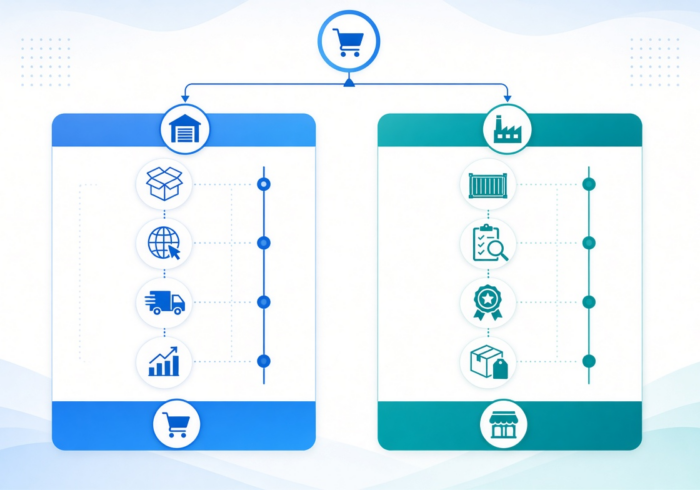
A more resilient furniture business usually combines multiple fulfillment methods instead of relying on pure dropshipping alone. This is especially important for B2B sellers, where reliability and repeatability matter more than hype. Looperbuy’s model is useful here because it supports sourcing, inspection, warehousing, and shipping in one ecosystem, which gives sellers more control over the customer experience.
A practical hybrid model might look like this:
| Stage | Goal | Benefit |
| Supplier sourcing | Find reliable manufacturers | Better pricing and consistency |
| Quality inspection | Verify product condition before shipment | Fewer disputes and returns |
| Short-term warehousing | Hold inventory only when needed | More control without heavy overhead |
| Global shipping | Deliver to buyers in target markets | Better reach and fulfillment flexibility |
This kind of setup is more attractive than “blind dropshipping” because it gives the seller room to test products, protect quality, and scale responsibly.
For sellers who serve international customers, this also creates a stronger operational story. Buyers care less about the technical label and more about whether products arrive intact, on time, and as described. That is the real competitive advantage.
How To Launch The Right Way
If you want to build a furniture dropshipping business that lasts, start with a controlled launch. Do not begin with a huge catalog. Start with a focused niche, a small number of products, and a clear operational standard.
A sensible launch sequence is:
1. Choose one customer segment, such as home office buyers or apartment dwellers.
2. Select products with manageable size and stable demand.
3. Request samples or inspection photos before listing.
4. Publish detailed product pages with dimensions, materials, and assembly notes.
5. Build a pricing model based on total landed cost.
6. Test shipping times and packaging quality before scaling.
7. Refine your catalog based on conversion, support tickets, and refund data.
This approach reduces risk and helps you identify whether your products are actually marketable before you invest time and ad budget.
What Great Product Pages Need
Furniture shoppers need more information than typical ecommerce buyers. They want to know whether a table fits their room, whether a chair is comfortable, whether assembly is difficult, and whether the item will arrive safely. NielsenIQ’s furniture ecommerce analysis highlights the importance of personalization, delivery options, and sustainability in the buying journey.
Every furniture product page should include:
– Clear dimensions.
– Material and finish details.
– Assembly requirements.
– Delivery timelines.
– High-resolution lifestyle photos.
– A short FAQ about shipping, returns, and damage claims.
If possible, add a comparison table for similar products. This helps buyers understand the differences quickly and reduces the chance of pre-sale confusion. You can also include a short “what’s in the box” section and a visual step-by-step delivery process. These details improve trust and lower customer support pressure.
Visual Content Ideas
Furniture content benefits heavily from strong visuals. Because the products are large and tactile, buyers need imagery that helps them imagine the item in a real environment. A single photo is not enough.
Recommended visual placements:
– A hero image at the top showing the furniture in a styled room.
– A mid-article infographic explaining the sourcing and fulfillment process.
– A dimension chart beside product selection guidance.
– A short video demonstrating assembly or packaging quality.
– A comparison table graphic for multiple product types.
A Smarter Fulfillment Strategy For Looperbuy
For Looperbuy, the opportunity is to frame the business as more than simple dropshipping. Your platform already emphasizes verified suppliers, quality inspection, free warehousing up to 90 days, and global shipping support, which creates a stronger trust story than basic supplier matching alone.
That gives sellers more flexibility: they can test products with low upfront risk, then scale into bulk or hybrid fulfillment once demand proves out.
This hybrid approach is especially useful for furniture because sellers often need:
-Quality inspection before dispatch.
-Storage for high-volume or slow-moving SKUs.
-Better shipping control for heavier items.
-Factory-level sourcing to improve margin.
In other words, the best business model is not “pure dropshipping at all costs.” It is controlled fulfillment with sourcing, inspection, storage, and shipping options that adapt as the store grows.
Why Customers Buy
The furniture buyer is rarely impulsive. Most people compare styles, dimensions, shipping terms, and quality before making a decision. That means the selling process should reduce hesitation instead of creating it.
People buy furniture online because they want:
– Convenience.
– More design options.
– Better pricing.
– Easier delivery to home or business locations.
– The ability to compare products quickly.
Your content and product pages should answer those concerns directly. If the customer can see size, style, material, and delivery expectations clearly, the purchase becomes much easier. That is why trust signals matter so much in this category.
Source furniture with verified suppliers, quality checks, and flexible fulfillment options that help you scale without locking up capital.
FAQ
1. Is furniture dropshipping worth it in 2026?
Yes, it can be worthwhile if you choose the right products and manage freight carefully. The category is still growing, but success depends on execution rather than simply listing large items online.
2. What is the biggest mistake new sellers make?
The biggest mistake is ignoring logistics. Shipping cost, damage, and returns can destroy profitability if they are not built into the model from day one.
3. Which products are safest to start with?
Compact, RTA, or lower-breakage items such as desks, shelves, accent chairs, and side tables are usually safer than oversized or delicate furniture.
4. How can a seller improve buyer trust?
Use detailed product descriptions, clear dimensions, realistic shipping timelines, and strong quality control. Better packaging and inspection also reduce complaints.
5. Why is a sourcing platform useful for furniture?
A sourcing platform can reduce supplier risk, improve quality control, and make fulfillment more flexible. That is especially valuable when the product category is large, costly to ship, and sensitive to damage.
6. Can furniture dropshipping work for B2B sellers?
Yes. In B2B, the model works well when the business emphasizes sourcing reliability, repeat supply, and controlled fulfillment instead of relying only on a retail-style storefront.
References
1. Doba, “Furniture Dropshipping Business Model Explained: Profits, Pitfalls and Process,” [doba]
2. Looperbuy, “B2B China Goods Sourcing E-Platform,” [youtube]
3. Shopify UK, “How To Dropship Furniture: 7 Best Suppliers for 2025,[shopify]
4. Omnisend, “Furniture dropshipping: The complete 2026 guide,”[omnisend]
5. NielsenIQ, “eCommerce Trends in the Furniture Market for Q1 2024,”[nielseniq]
6. Statista, “Furniture eCommerce: market data & analysis,” [statista]
7. Oberlo, “Global Ecommerce Furniture Industry Size (2017–2029),” [oberlo]
8. Ecommerce Times, “High-Ticket Furniture Dropshipping Is Having a Moment — But the Margins Are Brutally Unforgiving,” [ecommerce-times]