The transition from wired to wireless audio represents one of the most significant shifts in consumer electronics over the last two decades. At the heart of this revolution is Bluetooth technology, a protocol that has evolved from a simple cord-replacement tool into a sophisticated ecosystem capable of delivering high-fidelity sound, intelligent noise management, and seamless multi-device switching. Today, using Bluetooth with headphones is no longer just about convenience; it is about accessing a suite of features that redefine how we interact with media, work, and each other. This guide provides an exhaustive look into the mechanics, advancements, and future of wireless audio.
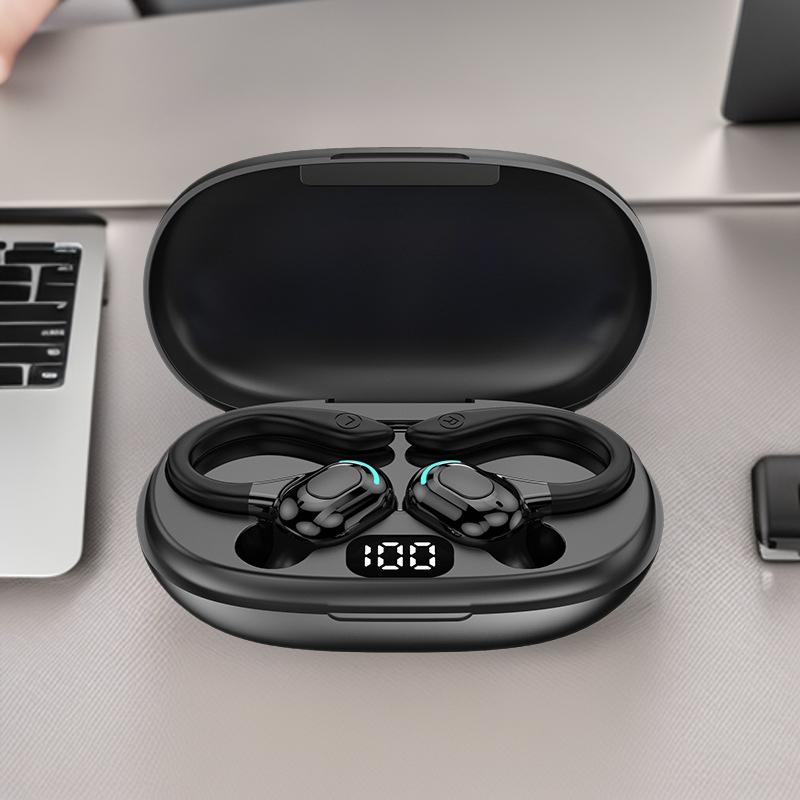
Table of Contents
Understanding the Technical Backbone: How Bluetooth Audio Actually Works
To appreciate the current state of Bluetooth with headphones, one must understand the underlying technology that enables audio to travel through the air. Bluetooth uses short-range radio waves in the 2.4 GHz ISM band. Unlike a physical cable that sends a continuous electrical signal, Bluetooth must digitize, compress, and transmit data in packets, which are then reassembled and converted back to sound by the headphones.
The Role of Audio Codecs: From SBC to LDAC
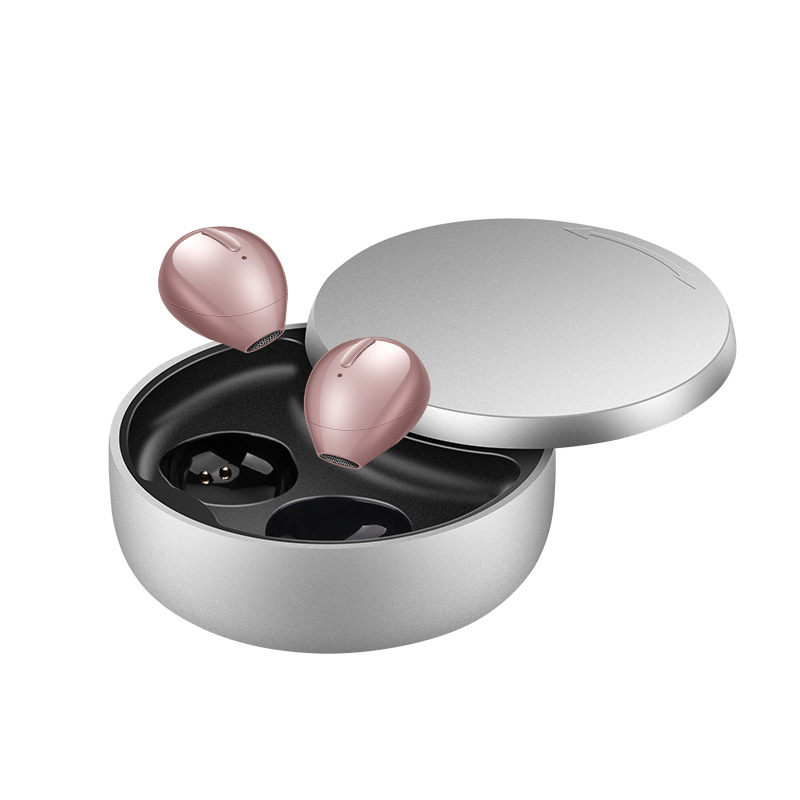
The quality of sound you hear is largely determined by the “codec”—the algorithm used to compress and decompress the audio data. Because Bluetooth has limited bandwidth, raw audio files are often too large to stream without some form of optimization.
The baseline for all Bluetooth audio devices is SBC (Sub-band Coding). While universally supported, it is often criticized for its lossy nature and lower bitrates. However, modern implementations have significantly improved its performance. For Apple users, AAC (Advanced Audio Coding) is the standard, offering better efficiency and sound quality on iOS devices.
In the high-resolution arena, Qualcomm’s aptX family (including aptX HD and aptX Adaptive) and Sony’s LDAC are the leaders. LDAC, in particular, can stream audio at up to 990kbps, which is close to “lossless” quality, making it a favorite for audiophiles who refuse to compromise on detail while using Bluetooth with headphones.
Latency and Synchronization Challenges
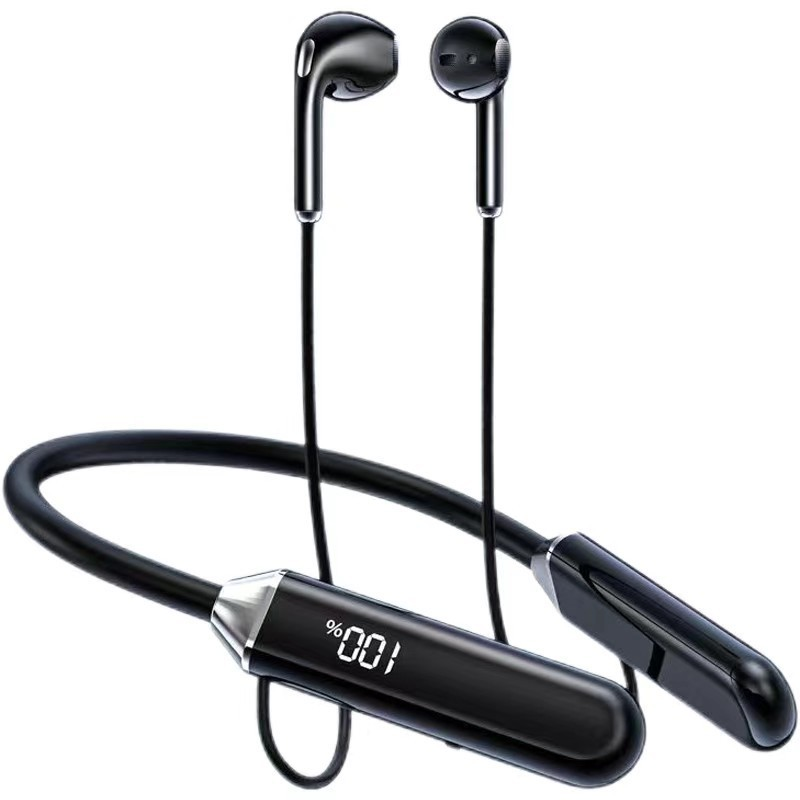
One of the historical hurdles of wireless audio has been latency—the delay between the source sending a signal and the headphones playing the sound. While negligible for music, latency is critical for gaming and watching videos, where audio must perfectly match the visual action.
Modern Bluetooth versions (5.0 and above) and specialized codecs like aptX Low Latency have reduced this delay to levels imperceptible to the human ear. Furthermore, the advent of “Gaming Modes” in many modern headsets utilizes proprietary software tweaks to prioritize speed over bit depth, ensuring that every footstep in a competitive game is heard in real-time.
The Evolution of Features: Beyond Simple Wireless Connection
The modern experience of using Bluetooth with headphones is defined by features that go far beyond just playing music. Manufacturers have integrated complex hardware and software solutions to solve real-world problems like background noise and the struggle of managing multiple gadgets.
Active Noise Cancellation (ANC) Integration
Active Noise Cancellation has become a flagship feature for many wireless headphones. This technology uses external microphones to “listen” to ambient noise and then generates an “anti-noise” signal to cancel it out before it reaches your ears. The synergy between Bluetooth and ANC is vital; because these headphones are already powered by an internal battery and managed by an onboard processor, they can handle the heavy lifting of real-time signal processing without needing a bulky external power source.
Recent advancements have led to “Adaptive ANC,” which automatically adjusts the level of noise cancellation based on the environment—increasing power in a noisy airplane cabin and decreasing it in a quiet library to save battery.
Multipoint Connectivity: Managing Multiple Devices
Multipoint connectivity is perhaps the most practical advancement for the modern professional. It allows a single pair of headphones to maintain a simultaneous connection to two devices, such as a laptop and a smartphone. If you are watching a movie on your tablet and your phone rings, the headphones automatically switch the audio source to the phone so you can take the call, then switch back once you hang up. This eliminates the tedious process of unpairing and re-pairing, making Bluetooth with headphones a truly seamless experience in a multi-device household.
Bluetooth LE Audio and the Future of Connectivity
We are currently on the cusp of the biggest update to Bluetooth audio in over a decade: the introduction of Bluetooth LE (Low Energy) Audio. This new standard is set to replace the “Classic” Bluetooth audio we have used for years, bringing massive improvements in efficiency and functionality.
Auracast and Broadcast Audio
The most exciting feature of LE Audio is Auracast. This technology allows a single source device (like a TV in a gym or an airport) to broadcast an unlimited number of audio streams to nearby Bluetooth receivers. Imagine being at an airport and tuning your headphones directly into the gate announcement broadcast, or sharing a playlist with ten friends simultaneously from one phone. Auracast transforms Bluetooth with headphones from a one-to-one connection into a localized broadcasting platform.
Improved Battery Efficiency and Audio Quality
LE Audio introduces the LC3 (Low Complexity Communication Codec). This codec is designed to provide higher audio quality at significantly lower bitrates than the standard SBC codec. For the user, this means two things: better-sounding music and much longer battery life. Because the radio doesn’t have to work as hard to transmit the data, headphones can become smaller and lighter while still lasting for several days on a single charge.
Practical Tips for Maximizing Your Bluetooth Headphone Experience
Owning a high-end pair of wireless headphones is only half the battle; knowing how to maintain and optimize them is essential for long-term satisfaction.
Pairing and Connection Troubleshooting
While Bluetooth is generally reliable, “connection drops” and pairing failures can still occur. Most issues can be resolved by clearing the pairing history on both the source device and the headphones. Furthermore, being aware of “signal interference” is important. Since Bluetooth shares the 2.4 GHz frequency with Wi-Fi and even microwave ovens, moving away from congested routers can often stabilize a stuttering audio stream.
Maintaining Battery Longevity and Performance
Since the batteries in Bluetooth headphones are usually not user-replaceable, taking care of them is paramount. To extend the lifespan of your device, avoid “deep discharges” where the battery hits 0%. Instead, try to keep the charge between 20% and 80%. Additionally, keeping your headphones’ firmware updated via the manufacturer’s app can often provide optimizations that improve power management and connectivity.
The world of Bluetooth with headphones has transformed from a niche luxury into an essential part of our daily lives. From the complex codecs that deliver high-resolution sound to the revolutionary potential of Auracast and LE Audio, wireless technology continues to break the boundaries of what is possible. By understanding the technical nuances and leveraging modern features like multipoint and ANC, users can enjoy a level of freedom and audio quality that was once thought impossible without a wire. As we look toward a future of even greater efficiency and connectivity, the “wireless wave” shows no signs of slowing down.
How to purchase:Online B2B sourcing platform, China purchase, Chinese suppliers – LooperBuy
Conclusion
In summary, Bluetooth technology has fundamentally redefined the audio landscape, moving beyond simple wireless connectivity to offer a sophisticated, high-fidelity experience. By mastering the various codecs, understanding the impact of LE Audio, and properly maintaining device hardware, users can fully unlock the potential of their wireless gear. As innovations like Auracast and LC3 become mainstream, the synergy between Bluetooth and headphones will only become more seamless, powerful, and indispensable to our digital lives.
Related Questions & Answers
· Does using Bluetooth with headphones reduce the sound quality compared to wired ones?
While Bluetooth involves compression, modern high-bitrate codecs like LDAC and aptX HD have made the difference virtually indistinguishable for most listeners. However, for extreme high-fidelity listening, a wired connection still avoids any data loss associated with wireless transmission.
· How can I tell which Bluetooth codec my headphones are using?
On Android, you can check this in the “Developer Options” menu under “Bluetooth Audio Codec.” For iOS users, the system defaults to AAC for compatible devices and does not provide a manual toggle. Many headphone manufacturers also show the active codec within their official companion apps.
· Why do my Bluetooth headphones lag when I’m playing video games?
This is due to latency in the digital processing and transmission of the signal. To fix this, look for headphones that support “Low Latency” modes or codecs like aptX Adaptive, which are specifically designed to sync audio with fast-moving visuals.
· Can I use my Bluetooth headphones with a device that doesn’t have Bluetooth?
Yes, you can use a Bluetooth transmitter that plugs into a 3.5mm headphone jack or a USB port. This allows you to stream audio from older TVs, airplane entertainment systems, or classic PCs to your wireless headphones.
· Is it safe to wear Bluetooth headphones for long periods?
Yes, Bluetooth headphones use non-ionizing radiation at very low power levels, which are well within the safety guidelines set by international regulatory bodies. There is no scientific evidence to suggest that the radio frequency levels used by Bluetooth are harmful to humans.
Hot Tags:
Bluetooth Headphones; Wireless Audio; Audio Codecs; Bluetooth LE Audio; Auracast; Active Noise Cancellation; LDAC Codec; AptX HD; LC3 Codec; Sound Quality; Bluetooth Pairing; Multipoint Connection; Latency In Audio; High Resolution Audio; Wireless Earbuds; Bluetooth 5.3; Audio Streaming; Battery Life; Noise Isolating; True Wireless Stereo; Bluetooth Transmitter; Gaming Headsets; Bluetooth Range; Signal Interference; Firmware Update; Consumer Electronics; Portable Audio; Digital Signal Processing; SBC Vs AAC; Audio Engineering
Abstract:
This comprehensive guide explores the evolution of Bluetooth with headphones, covering technical aspects like codecs (LDAC, AAC), low-latency solutions, and modern features such as ANC and multipoint pairing. It also highlights the future of LE Audio and Auracast while providing practical maintenance tips.