A practical guide to what wholesalers do, how they fit into the supply chain, and how modern B2B platforms like Looperbuy help global buyers and online sellers source from China, reduce inventory risk, and build a leaner, more scalable business.
A wholesaler is more than just a “middleman” — it is a critical connector that helps manufacturers, retailers, and modern e‑commerce sellers move products efficiently, reduce risk, and protect margins in a highly competitive global market. In this guide, I’ll break down what wholesalers do, why they matter today, and how global B2B buyers and online sellers can use wholesale and modern sourcing platforms like Looperbuy to build leaner, more scalable businesses.
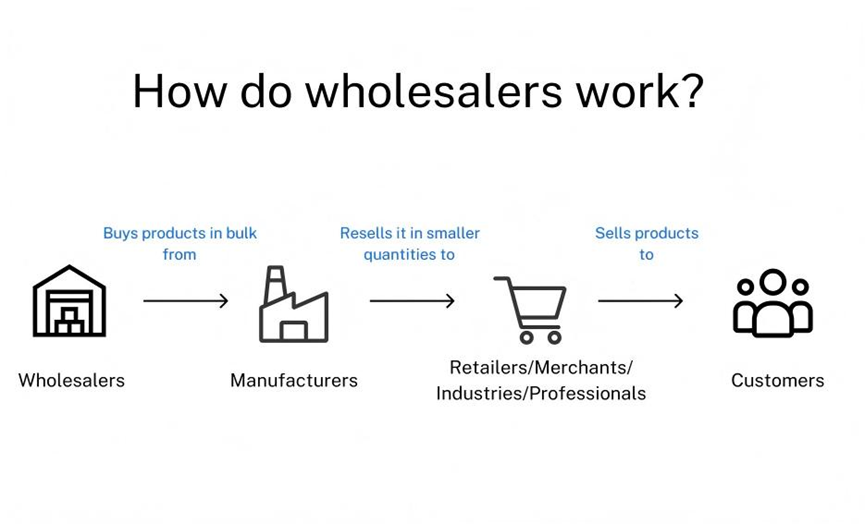
Table of Contents
What Is a Wholesaler?
A wholesaler is a business that buys goods in large quantities from manufacturers or primary suppliers and then resells them in smaller quantities to retailers, other wholesalers, or business buyers. Wholesalers typically focus on business-to-business (B2B) sales rather than selling directly to end consumers. [bdc]
By buying in bulk and reselling by volume, wholesalers spread fixed costs over more units, which lets them offer lower per‑unit prices than most retailers can achieve on their own. They usually operate from warehouses or distribution centers and often specialize in specific categories such as electronics, fashion, automotive parts, or industrial supplies. [globalsources]
How Wholesalers Fit into the Supply Chain
Wholesalers sit between producers and business buyers, acting as a bridge that moves products from factory floors to store shelves and online listings. They consolidate products from multiple manufacturers and make them accessible to retailers and B2B buyers in one place. [bdc]
This structure helps manufacturers avoid managing thousands of small orders while giving retailers a single point of contact for a wide assortment of goods. In practice, this makes the entire distribution chain more efficient and cost‑effective, especially in sectors with many SKUs and fragmented demand. [bbc.co]
Key Functions of a Wholesaler
From my experience working with B2B suppliers and e‑commerce brands, the most successful wholesalers share a common set of functions that go far beyond buying and reselling goods. These include:
1. Bulk Purchasing and Consolidation
Wholesalers buy in bulk from manufacturers, often securing better pricing and more favorable terms than smaller buyers could negotiate. They then break large lots into smaller batches tailored to different retail or B2B customers. [globalsources]
This bulk buying plus break‑bulk function reduces transport and handling costs for manufacturers while giving buyers flexibility in order size, assortment, and delivery schedules.
2. Inventory Storage and Risk Management
Wholesalers maintain large inventories in warehouses, handling the cost and risk of storing products, managing stock levels, and dealing with potential damage or obsolescence. By holding stock closer to buyers, they help reduce stock‑out risks and shorten replenishment cycles for retailers. [bdc]
This risk‑sharing aspect is especially important in volatile markets where demand can shift quickly, such as consumer electronics or seasonal products. [globalsources]
3. Order Fulfillment and Logistics
Traditional wholesalers coordinate packing, shipping, and delivery so that retailers and B2B buyers receive goods on time and in good condition. They may manage transportation themselves or work with third‑party logistics providers, but in both cases they are accountable for order fulfillment.
In many markets, wholesalers also handle repackaging and relabeling, which reduces work and compliance overhead for manufacturers and retailers. [bbc.co]
4. Financing and Credit Support
Wholesalers often provide trade credit or flexible payment terms to their retail and B2B customers, which can be critical for smaller businesses with limited cash flow. By financing inventory at the wholesale level, they allow buyers to align payments more closely with their own sales cycles.
This financial support can be a key competitive differentiator, particularly in markets where bank financing is limited or slow. [bdc]
5. Market Knowledge and Product Assortment
Because wholesalers sit at the intersection of multiple suppliers and multiple buyers, they accumulate valuable market intelligence about pricing trends, product performance, and demand patterns. They curate product assortments that match buyer needs, often specializing in specific industries or categories. [globalsources]
This domain knowledge helps retailers and B2B buyers select the right products faster, reducing trial‑and‑error and minimizing slow‑moving inventory. [bdc]
Types of Wholesalers in Modern Commerce
While the traditional warehouse‑based wholesaler is still common, the landscape has evolved. Today’s buyers can work with several types of wholesale partners:
Merchant Wholesalers
Merchant wholesalers take ownership of the goods, buying and reselling them on their own account. They bear inventory risk, set their own pricing, and often provide extensive services such as storage, delivery, and after‑sales support. [globalsources]
These are the most common type in many industries and are often the first choice for retailers seeking reliable, full‑service partners. [bdc]
Agents and Brokers
Agents and brokers connect buyers and sellers but usually do not take ownership of the goods. Instead, they earn a commission for arranging transactions, particularly in markets such as commodities, agricultural products, or specialized industrial goods.
They are valuable when buyers need access to niche or highly regulated products where relationships and local knowledge matter more than warehousing capacity.
Online and Hybrid Wholesalers
Digital platforms have given rise to online wholesalers and hybrid models that combine traditional wholesale with technology‑driven services like real‑time inventory visibility, automated ordering, and integrated logistics. B2B procurement platforms such as Looperbuy specialize in connecting global buyers with Chinese manufacturers and suppliers, offering sourcing, order management, and fulfillment services tailored to online sellers. [blog.looperbuy]
These online‑first wholesalers are especially attractive to cross‑border e‑commerce businesses that want to scale quickly without building their own sourcing and logistics infrastructure. [blog.looperbuy]
Wholesale vs Retail: What’s the Difference?
Understanding the difference between wholesale and retail is essential for any business that deals with physical products.
| Aspect | Wholesale | Retail |
| Primary customers | Retailers, manufacturers, B2B buyers globalsources | Individual consumers |
| Typical quantities | Large, bulk orders | Small, consumer‑level units |
| Pricing structure | Lower per‑unit prices, volume‑based bdc | Higher per‑unit prices to cover overhead globalsources |
| Main activities | Buying, storing, distributing goods globalsources | Selling to end users and merchandising indeed |
| Location & channels | Warehouses, B2B platforms | Stores, marketplaces, online shops indeed |
Wholesalers focus on volume, supply chain efficiency, and risk management, while retailers focus on customer experience, merchandising, and brand positioning. Many modern businesses, especially online brands, interact with both sides — using wholesalers for sourcing while serving end consumers directly. [indeed]
Benefits of Working with a Wholesaler
From a business buyer’s perspective, partnering with the right wholesaler delivers several tangible benefits:
1. Lower unit costs – Bulk purchasing and efficient logistics allow wholesalers to offer more competitive pricing than most small buyers could secure directly from manufacturers. [bdc]
2. Reduced logistics complexity – Buyers can consolidate orders across multiple categories and suppliers into fewer shipments and invoices. [bbc.co]
3. Faster replenishment – Local or regional stocking by wholesalers shortens lead times, which helps avoid stock‑outs and lost sales.
4. Access to variety – Wholesalers often carry a broader product range than individual manufacturers, helping retailers expand their assortment quickly.
5. Shared risk – Wholesalers absorb some of the risk of stocking inventory, dealing with returns, and managing demand fluctuations.
For e‑commerce and cross‑border sellers, these advantages can be the difference between a profitable scale‑up and a cash‑flow bottleneck.
Challenges and Risks in Wholesale
Despite its benefits, wholesale distribution comes with challenges that buyers need to understand and manage.
– Margin pressure: Because wholesale relies on volume, intense competition and price‑sensitive buyers can compress margins.
– Inventory risk: Wholesalers must forecast demand; overstocking leads to tied‑up capital and potential write‑offs, while understocking causes lost sales. [globalsources]
– Reputation dependency: A wholesaler’s handling of storage, packaging, and delivery can affect how end customers perceive the manufacturer’s or retailer’s brand.
These risks make partner selection critical, especially when sourcing internationally or entering new categories.
How Digital Platforms Are Transforming Wholesale
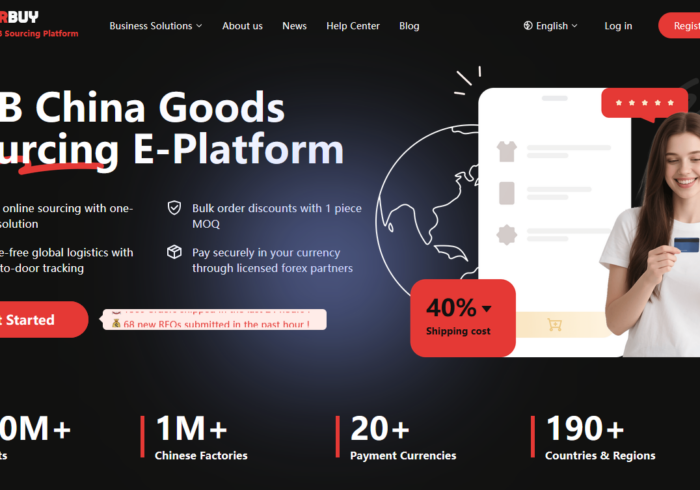
In recent years, digital B2B platforms and dropshipping services have changed how wholesale works for global buyers. Platforms like Looperbuy connect international businesses with Chinese factories and wholesalers, providing a single interface for product discovery, quoting, order management, and fulfillment. [looperbuy]
Instead of buying and storing large volumes in their own warehouses, online sellers can leverage on‑demand sourcing and fulfillment, which reduces upfront inventory risk and logistics overhead. For many small and mid‑sized brands, this hybrid model blends the strengths of wholesale with the flexibility of dropshipping. [blog.looperbuy]
From Traditional Wholesale to Lean, On‑Demand Sourcing
Consider a mid‑size online retailer in Europe selling home and lifestyle products. Historically, they might import containers of goods from multiple Chinese wholesalers, store them in local warehouses, and manage distribution to their customers. This model gives control but ties up capital and requires significant logistics management.
By working with a B2B procurement platform like Looperbuy, the same retailer can consolidate sourcing from vetted Chinese factories and wholesalers, place smaller but more frequent orders, and in many cases ship directly to their customers or regional fulfillment centers. The result is lower inventory exposure, more SKUs tested with less risk, and a more responsive supply chain aligned to real demand. [looperbuy]
Practical Steps for Choosing the Right Wholesaler
From a practitioner’s perspective, selecting the right wholesale partner is one of the most strategic decisions a B2B or e‑commerce business can make. Here’s a simple framework you can follow:
Step 1: Clarify Your Business Model
– Decide whether you’ll operate as a stock‑based retailer, a dropshipping seller, or a hybrid.
– Estimate your required order volumes, product categories, and target markets.
This clarity keeps you from choosing a wholesaler whose strengths don’t match your actual needs.
Step 2: Evaluate Reliability and Track Record
– Review the wholesaler’s years in business, customer references, and case examples. [bdc]
– Check their geographic coverage and logistics capabilities, especially if you sell internationally.
A wholesaler with consistent performance and transparent processes will reduce operational surprises.
Step 3: Compare Pricing Beyond the Unit Cost
– Look at total landed cost, including shipping, customs, handling fees, and potential returns.
– Analyze payment terms, minimum order quantities (MOQs), and credit options. [bdc]
Sometimes a slightly higher unit price with better terms and lower risk is more profitable overall.
Step 4: Assess Technology and Integration
– Prefer wholesalers or platforms that offer online catalogs, order tracking, and integration with your e‑commerce systems. [blog.looperbuy]
– For dropshipping or on‑demand fulfillment, check how they handle real‑time inventory and automated updates. [blog.looperbuy]
These capabilities significantly reduce manual work and errors in daily operations.
Step 5: Test with Limited Pilots
– Start with small pilot orders across a few SKUs and regions.
– Track delivery times, defect rates, support responses, and customer feedback.
Use this data to decide whether to scale the relationship or diversify across multiple wholesale partners.
Where Does a Platform Like Looperbuy Fit In?
Looperbuy positions itself as an online B2B procurement and dropshipping platform focused on helping global sellers source products from China and ship them directly to customers or fulfillment hubs. Instead of acting as a traditional wholesaler that owns all inventory, it combines elements of wholesale sourcing, supplier management, and logistics coordination. [looperbuy]
For ecommerce brands and B2B sellers, this model offers:
– Access to Chinese manufacturers and wholesalers without managing multiple relationships individually. [looperbuy]
– Reduced need for stockpiling and warehouse management, thanks to more flexible ordering and fulfillment. [blog.looperbuy]
– Centralized support and dispute resolution, which is often difficult when dealing with many separate suppliers. [blog.looperbuy]
In practice, platforms like Looperbuy allow businesses to operate closer to a lean, demand‑driven supply chain, while still benefiting from the cost advantages of sourcing in bulk from China. [looperbuy]
When Your Business Should Work with a Wholesaler
Not every business needs a wholesaler, but certain scenarios make wholesale partnerships particularly attractive:
– You want to expand your product catalog quickly without building direct relationships with dozens of manufacturers.
– Your business needs consistent replenishment of fast‑moving products and reliable stock availability.
– You operate in markets where local warehousing and fast delivery are key competitive advantages.
– You are launching a new product line and prefer to test demand with lower initial risk, leveraging wholesale or on‑demand sourcing.
If you’re an online seller or B2B buyer working with Chinese suppliers, combining wholesale relationships with a flexible B2B platform can give you both cost efficiency and agility.
Actionable Takeaways for B2B Buyers and Online Sellers
To make the most of wholesale and modern B2B sourcing platforms:
– Treat your wholesaler as a strategic partner, not just a price provider. Share forecasts, seasonality, and feedback to improve service quality.
– Regularly review performance metrics such as lead times, defect rates, and on‑time delivery.
– Use hybrid sourcing, mixing traditional wholesale with on‑demand or dropshipping models to balance risk and cash flow.
– For cross‑border trade, leverage platforms like Looperbuy that already understand Chinese manufacturing ecosystems and global logistics. [looperbuy]
Build a Leaner Wholesale Supply Chain
If you are a B2B buyer, wholesaler, or online seller looking to reduce inventory risk and simplify sourcing from China, consider exploring a B2B procurement platform like Looperbuy as part of your wholesale strategy. Start by shortlisting a few product categories, running a small trial order, and benchmarking the results against your current wholesale or sourcing model.
By combining the strengths of traditional wholesale with digital tools and on‑demand logistics, you can build a more resilient, cost‑efficient, and scalable supply chain for your business.
FAQs About Wholesalers and Modern B2B Sourcing
1. What is the main difference between a wholesaler and a distributor?
A wholesaler usually focuses on buying and reselling products across multiple brands and customers, while a distributor often has exclusive rights for a particular region or brand and may provide more technical or marketing support. Both operate in B2B channels but differ in their level of integration and contractual obligations with manufacturers. [globalsources]
2. Can a company act as both a wholesaler and a retailer?
Yes, some companies operate dual models, selling in bulk to business customers while also running retail operations or online stores. This approach can increase revenue streams but requires careful channel management to avoid conflicts with other retail partners. [bdc]
3. How does wholesale pricing typically work?
Wholesale pricing usually reflects a volume‑based discount, where buyers receive lower per‑unit prices as order quantities increase. Additional factors such as payment terms, freight arrangements, and long‑term contracts can also influence final pricing. [globalsources]
4. Is working with a Chinese wholesaler or B2B platform suitable for small businesses?
Many Chinese wholesalers and B2B platforms now support lower minimum order quantities and flexible fulfillment models, making them accessible to small and mid‑sized businesses. Using a platform that consolidates suppliers and logistics can reduce complexity for smaller teams. [looperbuy]
5. How do I ensure quality when sourcing from wholesalers or B2B platforms?
Start with sample orders, verify certifications and compliance documents, and track initial shipments for defects and delays. Over time, build a shortlist of trusted partners and use clear specifications and quality standards in your purchase agreements. [blog.looperbuy]
References
1. Global Sources. “What Is a Wholesaler? Understanding the Role and Benefits.” [globalsources]
2. BDC (Business Development Bank of Canada). “Wholesaler – Definition and Role in the Value Chain.” [bdc]
3. BBC Bitesize. “Wholesaler – Place – Higher Business Management Revision.” [bbc.co]
4. Indeed. “What Does a Wholesaler Do? (With Benefits and Skills).”[indeed]
5. Looperbuy Blog. “Top 10 Dropshipping Companies in China.” [looperbuy]
6. Looperbuy Blog. “Top 10 Drop Shipping Manufacturers in China.”[blog.looperbuy]