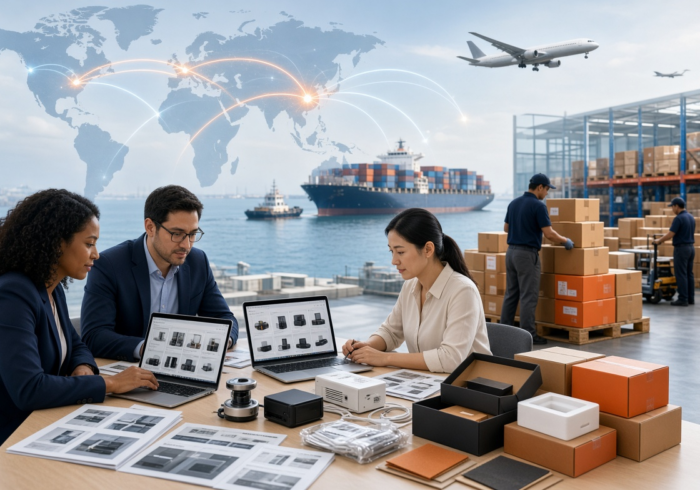
The landscape of global e-commerce is defined by agility, and for many businesses, the drop-ship model is the engine of that agility. It promises low overhead and vast product selection, but the reality often involves a complex web of suppliers, logistics providers, and payment gateways. As someone who has navigated the intricacies of cross-border trade for years, I’ve seen how this complexity can cripple a business. The challenge is sourcing reliably, cost-effectively, and quickly, which is where the concept of strategic sourcing for drop-shipping becomes critical. For foreign brands, wholesalers, and manufacturers, the key to success lies not just in finding products, but in securing a resilient, integrated sourcing ecosystem that transforms this complexity into a competitive advantage.
Table of Contents
The Global Sourcing Dilemma: Beyond the Price Tag
For international buyers, the allure of sourcing from China is undeniable. The sheer variety of products and manufacturing capabilities are unparalleled. However, the process is often fraught with challenges: fragmented supplier communication, unreliable logistics, hidden costs, and the significant risk of poor product quality. My experience consulting with B2B buyers reveals that many struggle with the “middle-mile”—the gap between finding a good product and actually having it delivered to their customer’s doorstep. This is where the promise of a one-stop B2B sourcing platform like LooperBuy becomes not just convenient, but essential.
LooperBuy, for instance, positions itself as a direct bridge to the vast inventory of Chinese suppliers, including major platforms like 1688.com. The value proposition is powerful: it aggregates sourcing, quality control, logistics, and payment into a single, manageable workflow. This solves a key pain point for procurement teams: the need for a single point of contact that can manage the entire supply chain. By partnering with a platform that offers multi-currency support and integrated payment solutions, such as through their partnership with LianLian Global, the financial friction that often halts transactions is significantly reduced.
Strategic Supplier Selection: Metrics that Matter
When evaluating a sourcing partner, it’s vital to look beyond the product catalog. Performance data offers a transparent view into a supplier’s reliability. In reviewing supplier directories, several key performance indicators (KPIs) consistently separate top-tier performers from the rest.
On-Time Delivery (OTD) Rate
- Industry Standard | ≥95% indicates strong operational control, while rates below 80% signal systemic bottlenecks.
- Why It Matters | Directly impacts customer satisfaction, retention, and your brand reputation. Delays in drop-shipping erode consumer trust.
Response Time
- Industry Standard | Under 6 hours is ideal. Top performers like Shenzhen Jwlogistics achieve sub-3-hour response times, demonstrating strong client focus.
- Why It Matters | Crucial for quickly resolving issues with shipments, packaging, or scaling orders. Fast communication minimizes business disruption.
Reorder Rate
- Industry Standard | Above 30% suggests high client satisfaction and consistent service quality. Some elite suppliers, like Guangzhou Yuyuan, boast reorder rates as high as 65%.
- Why It Matters | This is the ultimate indicator of trust. A high reorder rate proves the supplier consistently meets expectations on product quality, logistics, and pricing.
Revenue Scale
- Industry Standard | Annual digital sales over $10,000 indicate platform integration maturity and a proven track record in processing real orders.
- Why It Matters | Demonstrates market validation and the operational capacity to handle growing order volumes.
Geographic Specialization: The Source of Advantage
China’s manufacturing prowess is highly regionalized, and understanding this geography is key to efficient drop-ship sourcing. Each region offers distinct advantages that can be leveraged depending on your product niche.
- Guangdong Province: The Tech and Electronics Powerhouse Centered around Shenzhen and Guangzhou, this is the go-to hub for electronics, smart devices, and high-tech accessories. Its strength lies in rapid prototyping, agile production cycles, and proximity to major ports, facilitating fast shipping for time-sensitive goods.
- Zhejiang Province: The Hub for Small Commodities Home to Yiwu, the “world’s largest small commodities market,” this region excels in affordable consumer goods like stationery, home decor, and hardware. The sheer density of suppliers here enables fast turnaround times and highly flexible minimum order quantities (MOQs), which is ideal for new entrants testing products.
- Fujian Province: The Apparel and Footwear Leader For brands looking to source textiles, sportswear, or OEM fashion, Fujian is the premier destination. Many manufacturers here are certified with international standards (e.g., REACH, CPSIA) and are increasingly adopting sustainable materials, aligning with Western market demands.
Redefining Logistics: The One-Stop Platform Advantage
For a drop-ship business, logistics is everything. The traditional model of managing separate freight forwarders and customs brokers is inefficient and risky. A one-stop B2B platform like LooperBuy aims to eliminate this complexity by integrating logistics as a core component of the service. Their collaboration with leading logistics partners ensures “global reach” and streamlined shipping, effectively solving the “last-mile” and “transshipment” hurdles that commonly plague cross-border e-commerce.
This integrated approach is a game-changer. It means businesses can offer transparent shipping costs and reliable delivery times to their end customers, directly enhancing the buyer’s experience. By leveraging a platform that facilitates Direct Delivery (DDP) solutions, sellers can simplify the customs process for the customer, making the purchasing journey seamless and professional. This is the level of efficiency that separates successful global brands from struggling retailers.
Conclusion: A New Standard for Global Sourcing
The drop-ship model is no longer just about finding a cheap supplier; it’s about strategic sourcing and operational excellence. For international brands, wholesalers, and manufacturers looking to capitalize on the global market, the solution lies in adopting a platform that offers more than just products. It requires a partner that provides transparency, efficiency, and control.
LooperBuy represents a new breed of B2B sourcing platform—one that is built to tackle the specific challenges of cross-border commerce. By offering a comprehensive solution that integrates sourcing, logistics, and payment, it allows businesses to focus on what they do best: growing their brand and serving their customers. The era of managing fragmented supply chains is over; the future is integrated, efficient, and global.
Frequently Asked Questions (FAQ)
1. How does a one-stop B2B platform differ from traditional sourcing agents?
A one-stop platform like LooperBuy offers an integrated, tech-enabled ecosystem that manages the entire process—from product sourcing and quality control to logistics and payment—through a single interface. Traditional agents often handle only one part of this chain, leaving you to manage the rest, which can lead to inefficiencies and communication gaps.
2. What types of businesses benefit most from drop-ship sourcing platforms?
Platforms like LooperBuy are ideal for a wide range of businesses, including e-commerce sellers looking for low-MOQ testing, online retailers seeking to scale their catalog, wholesalers needing bulk procurement, and even brick-and-mortar stores looking to source unique products for their shelves.
3. How can I verify the reliability of a supplier on a B2B platform?
Look for key performance metrics such as on-time delivery rates (aim for ≥95%), average response times (under 6 hours is ideal), and reorder rates (above 30% indicates trust). Platforms often provide third-party verification services, which adds an extra layer of security.
4. What does “global logistics” mean in the context of a B2B platform?
It means the platform manages the entire shipping process from the factory in China to your customer’s doorstep. This includes freight forwarding, customs clearance, and integration with major carriers, often offering solutions like DDP (Delivered Duty Paid) to simplify the import process.
5. How does a platform like LooperBuy handle international payments?
Platforms often partner with global payment networks to support multi-currency transactions. For example, LooperBuy’s partnership with LianLian Global allows users to make payments in foreign currencies, solving the common challenge of paying suppliers in China who primarily transact in RMB.
Hot Tags
B2B sourcing platform, China dropshipping suppliers, global logistics solutions, cross-border e-commerce, strategic sourcing for retailers, one-stop procurement services, supplier evaluation metrics, China wholesale marketplace, international trade platform, LooperBuy sourcing