An advertising network is a digital intermediary that aggregates ad inventory from multiple publishers and sells it to advertisers who want to reach audiences at scale without negotiating with each website individually . For those of us sourcing products from China and selling to global markets, understanding this ecosystem matters because it shapes how suppliers promote their goods, how platforms like ours attract buyers, and how brands evaluate where their marketing dollars actually go.
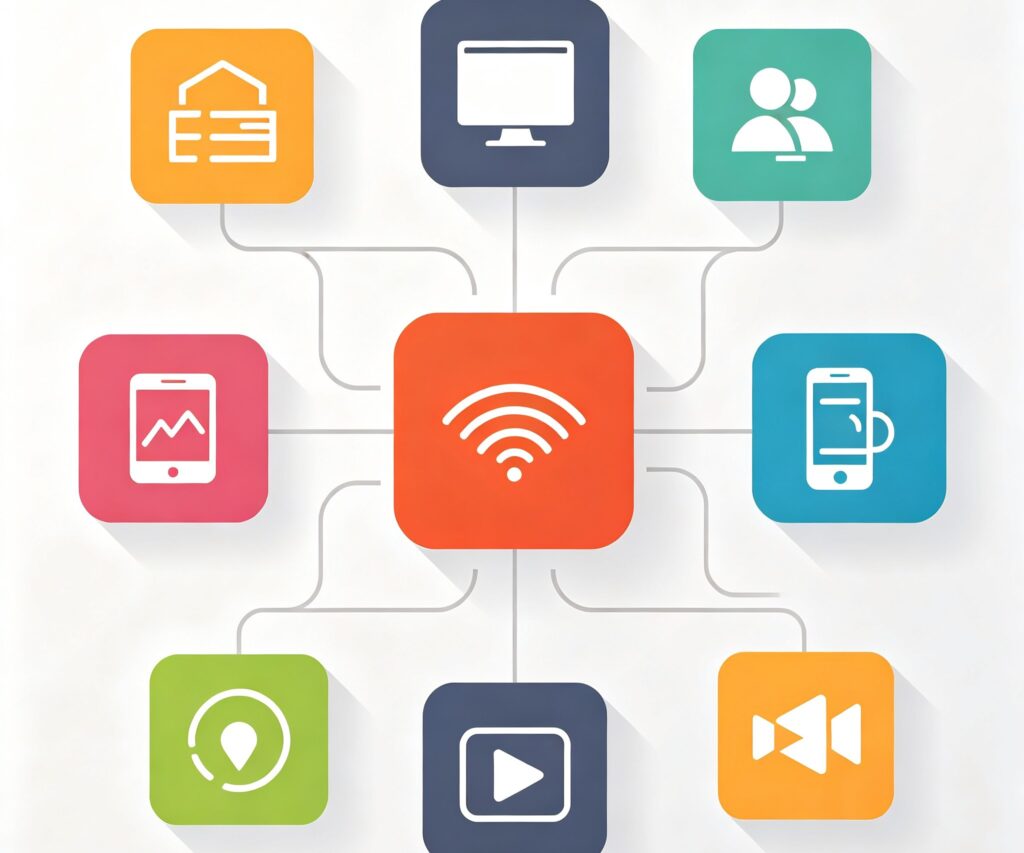
Table of Contents
The Core Definition and How Advertising Networks Operate
At its simplest level, an advertising network sits between two groups: publishers who have website or app traffic to monetize, and advertisers who want to place messages in front of specific audiences . The network aggregates that inventory, packages it, and sells it in bulk.
This aggregation model solved a genuine efficiency problem in the early digital era. Instead of a media buyer contacting hundreds of small websites individually, they could work through a single network to reach a broad audience . The trade-off was visibility. Traditional networks were often “blind,” meaning advertisers had limited knowledge of exactly which sites their ads appeared on .
For B2B brands sourcing from platforms like LooperBuy, this distinction matters. When you are promoting industrial components, electronics, or custom manufacturing services, context is everything. A blind network placement next to random consumer content does not generate qualified leads. The evolution of ad networks toward curation reflects this reality.
Why Advertising Networks Are Shifting from Volume to Curation
The most significant trend in 2025 and 2026 is the industry-wide move from aggregation to curation. As Limelight Inc.’s annual report on the state of ad networks makes clear, the previous obsession with volume is being replaced by a quest for quality, curated inventory, cleaner supply paths, and fewer intermediaries .
This shift directly benefits B2B advertisers. When networks curate supply, they prioritize premium publisher relationships and transparent deal structures. Qualified traffic from legitimate industry sources commands higher eCPMs but delivers better outcomes . The days of buying cheap, untargeted impressions and hoping for conversions are fading.
David Nelson, CEO of Limelight Inc., frames this as a survival imperative: “Survival requires constant reassessment and often reinvention from all stakeholders… A previous obsession with volume is being replaced by a quest for quality” .
B2B Advertising Networks: Targeting Dimensions That Actually Matter
B2B advertising networks differ fundamentally from their B2C counterparts in how they identify and reach audiences. While consumer networks target by age, gender, and browsing behavior, B2B networks use dimensions like industry vertical, job function, seniority, company size, and geographic market .
This makes intuitive sense. A decision-maker at a European electronics brand evaluating Chinese component suppliers is not the same audience as a casual consumer browsing for headphones. B2B ad networks recognize that organizational buying involves committees, policies, and longer consideration cycles .
The targeting dimensions B2B networks employ include industry classification (medical, electronics, logistics, machinery), job function (procurement, engineering, management), and company size thresholds . For a platform like LooperBuy that connects global brands with Chinese manufacturers, these are precisely the filters that matter.
How Verified Supply Is Reshaping Programmatic Advertising
The quality problem in programmatic advertising has become too expensive to ignore. An estimated $63 billion in global digital ad spend was lost to invalid traffic in 2025 alone . Made-for-advertising sites, sophisticated bots, and fraudulent tactics have drained budgets and eroded trust.
The industry response is verified supply: inventory that qualifies only after meeting defined quality, safety, and integrity standards. Amazon Ads, for example, now vets supply upstream before it enters its system, achieving a Brand Safety Error Rate below 0.001% on open internet inventory .
For B2B advertisers, this level of verification is not optional. If you are spending budget to reach procurement managers or supply chain directors, you need confidence that the impressions are human, the context is brand-safe, and the environment is relevant. Pre-bid filters, IVT detection, and supply-path curation have become baseline operating requirements, not premium features .
The Practical Value for Global Sourcing Professionals
Here is the connection that many SEO articles about advertising networks miss. If you run a B2B sourcing operation, or if you are a brand using a platform like LooperBuy to procure from China, advertising networks are part of the infrastructure that determines how suppliers get discovered.
Chinese manufacturers that want to reach international buyers rely on digital advertising to generate leads. When those manufacturers invest in ad networks that prioritize quality and verification, they attract better-qualified prospects. When they buy cheap, blind inventory, they waste money and contribute to the noise that makes global sourcing harder for everyone.
The platforms that succeed in cross-border B2B commerce are the ones that understand this distinction. They do not just list products. They participate in an ecosystem where quality signals, supply verification, and audience targeting determine who gets seen.
Key Takeaways for B2B Advertisers and Platform Operators
For brand managers and sourcing professionals evaluating the digital advertising landscape:
Understand what you are buying. Blind networks offer reach at low prices but limited control. Curated networks offer precision and brand safety at higher CPMs. The right choice depends on your objectives .
Vertical networks outperform horizontal ones for B2B. A network specializing in manufacturing, logistics, or industrial supply will deliver better engagement than a general-purpose network, even if the latter offers more impressions .
Verification is now table stakes. Ad fraud is not an edge case. It is a systemic drain on budgets. Work only with networks that provide transparent reporting on IVT filtering, brand safety controls, and supply-path integrity .
Context beats cookies. In a privacy-first environment, contextual targeting and first-party data signals are the most reliable ways to reach B2B audiences. A manufacturing buyer reading about supply chain optimization is a stronger signal than a third-party cookie ever was .
The Future: Ad Networks as Curated Marketplaces
The trajectory is clear. Successful ad networks in 2026 and beyond will function less like bulk inventory wholesalers and more like curated marketplaces. They will deliver clearly defined, high-intent inventory packages underpinned by strong brand-safety, viewability, and fraud controls .
For the global B2B sourcing community, this is good news. Better advertising infrastructure means better discovery mechanisms for legitimate suppliers, cleaner lead generation for manufacturers, and more efficient connections between buyers and the Chinese factories that can serve them.
Whether you are a brand using LooperBuy to source products or a platform operator trying to reach international buyers, the quality of the advertising ecosystem directly affects your outcomes. The networks that prioritize curation over volume are the ones worth your attention.
Frequently Asked Questions
What is an advertising network in simple terms?
An advertising network is a service that connects advertisers who want to place ads with publishers who have space to sell. It aggregates inventory from many websites and sells it in bulk, simplifying the buying process .
How do B2B advertising networks differ from B2C networks?
B2B networks target by industry, job function, company size, and seniority. B2C networks typically target by demographics, interests, and browsing behavior. B2B buying decisions often involve committees and longer cycles, requiring different targeting logic .
What does “verified supply” mean in advertising?
Verified supply refers to ad inventory that has been vetted for quality, brand safety, and traffic integrity before being made available to advertisers. It filters out bots, fraudulent sites, and low-quality content .
Why are ad networks shifting toward curation?
Volume-based models produced poor outcomes for advertisers and publishers alike. Curation prioritizes quality inventory, transparent supply paths, and better targeting, which commands higher CPMs and delivers stronger results .
How can B2B sourcing platforms benefit from advertising networks?
Platforms can use vertical ad networks to reach specific industry audiences. They can also ensure their own advertising spend goes to verified, curated networks that reach actual decision-makers rather than wasting budget on blind inventory.
References
- Princeton University. “Ad Networks vs. Ad Exchanges: How They Stack Up.”
- Geniee International Group. “Ad Network: A 2026 Guide for Web Publisher.”
- Baidu Baike. “B2B Advertising Network.”
- Amazon Ads. “How verified supply is reshaping programmatic advertising for advertisers.”
- Telemedia Magazine. “Ad networks move from aggregation to curation – and look beyond Google.”
- Oxford Reference. “Ad network.”
- Affise. “Ad Network Definition: Mobile Marketing Glossary.”
- TEC. “Adsmart Blazes Vertical B2B Trail.”
- BidsCube. “Brand Safety in Programmatic Advertising: Challenges & Strategies.”
- LBBOnline. “Limelight Inc.’s Annual Report Charts Ad Networks’ Move from Aggregation to Curation.”
- ECLAC. “Digital advertising platform market data.”
- Epom. “Choosing the Best Advertising Platforms in 2026 and Beyond.”
- “Electronic commerce: a managerial and social networks perspectives.”
- European Parliament. “Online advertising: the impact of targeted advertising.”
- Baidu Baike. “AD Network.”
Hot Tags
B2B advertising network, programmatic advertising, verified supply, vertical ad network, B2B sourcing platform, China procurement, global supply chain marketing, brand safety advertising, curated ad inventory, B2B lead generation