The home textiles industry in the United States represents one of the most dynamic segments of the broader retail and manufacturing landscape. Often referred to under the umbrella of “soft goods,” home textiles encompass everything from the sheets on a bed to the rugs on a floor and the towels in a bathroom. As the domestic environment has shifted from a mere living space to a multi-functional hub for work, health, and entertainment, the demand for high-quality, aesthetically pleasing, and functional textiles has reached unprecedented heights. This article explores the intricate layers of the home textiles USA market, examining economic drivers, material advancements, the sustainability revolution, and the digital transformation of retail.
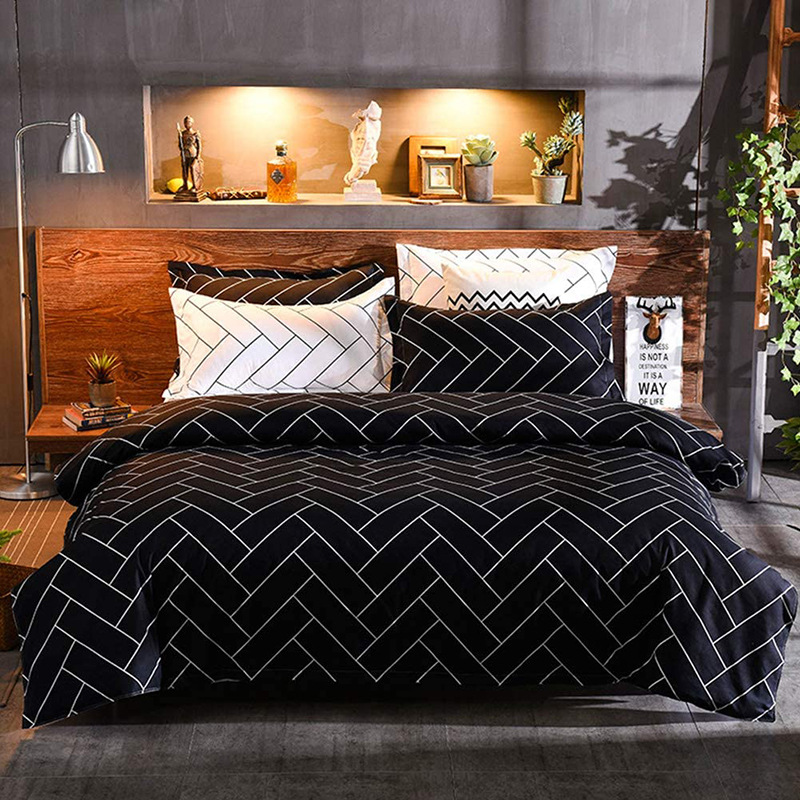
Table of Contents
The Economic Landscape and Market Dynamics of US Home Textiles
The US home textiles market is characterized by steady growth and high consumer spending power. Valuation reports suggest that the industry is poised to expand at a compound annual growth rate (CAGR) of approximately 4% to 5% over the next decade. This growth is primarily fueled by a resilient housing market, increasing interest in interior design, and a post-pandemic shift in consumer psychology that prioritizes “home-centric” lifestyles.
Dominant Segments: Bed, Bath, and Floor Coverings
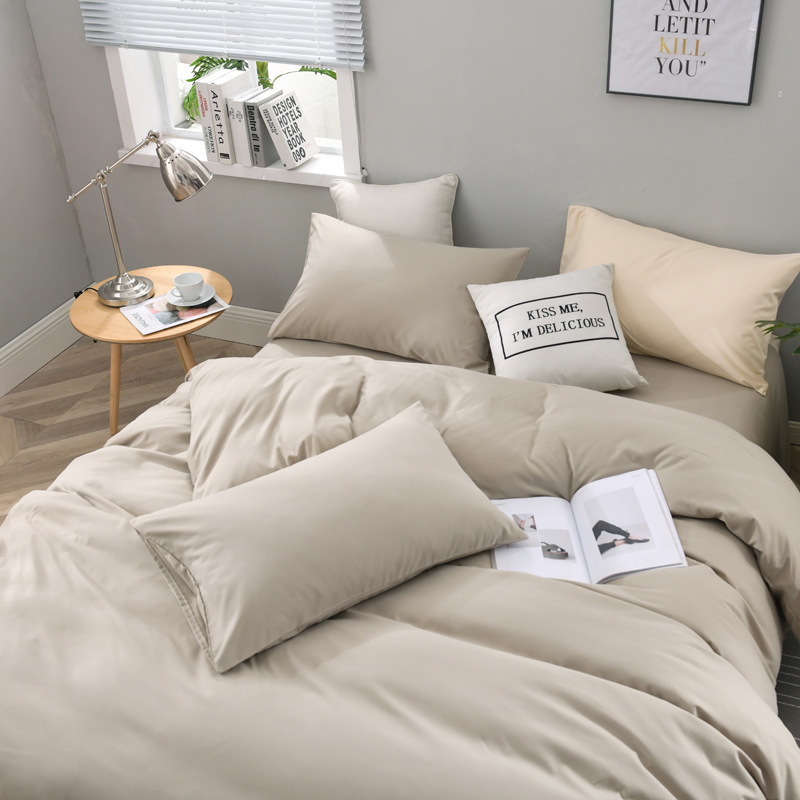
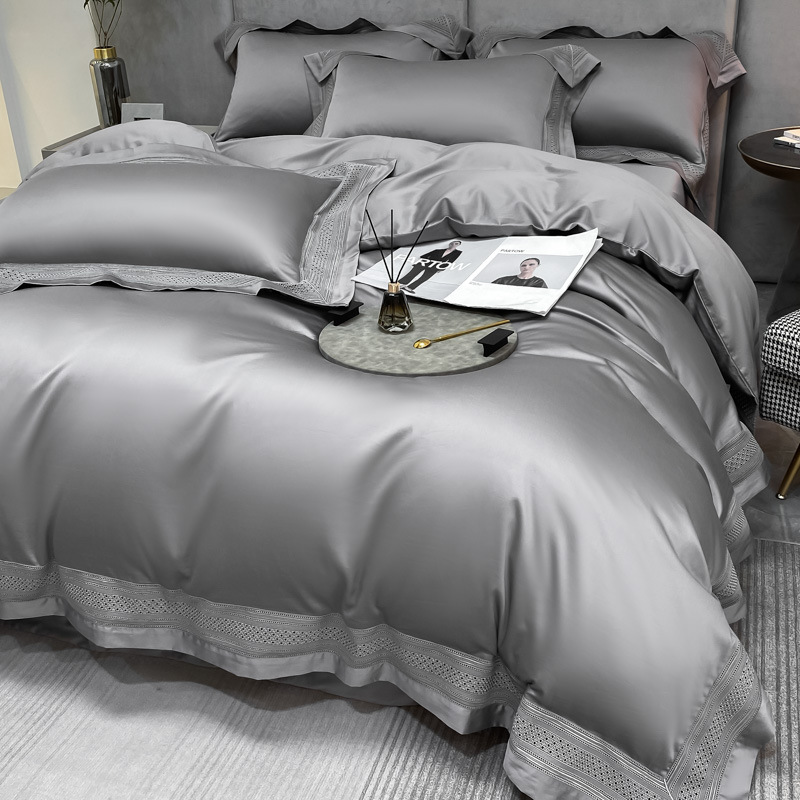
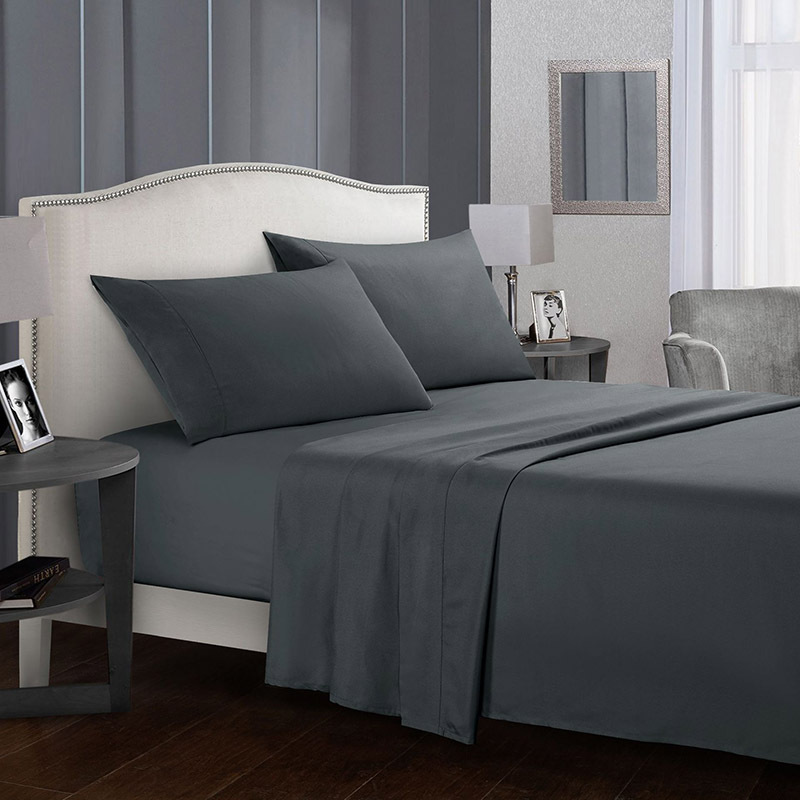
When analyzing the “home textiles USA” keyword, the most prominent segment is consistently bedroom linen. Bed linen, including sheets, pillowcases, duvets, and comforters, accounts for nearly 40% of the total market share. Consumers in the United States have a documented preference for high-thread-count materials and luxury finishes, often viewing the bedroom as a personal sanctuary for wellness and recovery.
The bathroom linen segment, comprising towels, bath mats, and shower curtains, follows closely behind. This sector is driven by the hospitality-at-home trend, where residential consumers seek the plush, absorbent qualities of five-star hotel towels for their own bathrooms. Meanwhile, carpets and rugs represent a significant portion of the market, serving both functional insulation purposes and as central design elements in American living rooms.
Regional Consumer Patterns Across the United States
Market demand is not uniform across the country. In the Northeast and Midwest, there is a higher seasonal demand for heavy-duty textiles such as wool blankets and insulated curtains to combat cold winters. Conversely, the Southern and Western regions show a stronger preference for breathable, moisture-wicking materials like linen and lightweight cotton. These regional variations force manufacturers to maintain diverse product portfolios that cater to specific climatic needs and aesthetic traditions.
Material Innovations and the Sustainability Revolution
One of the most significant shifts in the home textiles USA landscape is the transition from conventional manufacturing to eco-conscious production. Modern American consumers are no longer satisfied with just “soft” fabrics; they demand transparency regarding where their textiles come from and how they affect the environment.
The Reign of Organic Cotton and Natural Fibers
Cotton remains the king of the US textile market, accounting for a vast majority of material consumption. However, the focus has shifted toward organic and long-staple varieties such as Pima and Egyptian cotton. Organic cotton, grown without synthetic pesticides or fertilizers, has seen a surge in demand as parents and health-conscious individuals seek to reduce chemical exposure in their homes.
Linen is also experiencing a renaissance. Once considered a niche luxury item, linen’s natural cooling properties and durability have made it a favorite for bedding and window treatments. Its “perfectly imperfect” aesthetic aligns with the popular “shabby chic” and minimalist design movements that emphasize natural textures over synthetic sheen.
Recycled Synthetics and Bio-Based Fabrics
To address the environmental impact of traditional polyester, many US brands are integrating recycled polyester (rPET) derived from plastic bottles. This circular economy approach resonates with younger demographics, particularly Gen Z and Millennials, who prioritize brand ethics in their purchasing decisions.
Furthermore, innovations in bio-based fabrics, such as Lyocell (Tencel) and bamboo-derived viscose, are gaining traction. These materials offer the silk-like softness of synthetics but with the breathability and biodegradability of natural fibers. Bamboo, in particular, is marketed for its anti-bacterial properties, making it a popular choice for bath towels and athletic-inspired home goods.
The Importance of Sustainability Certifications
In a market crowded with “greenwashed” claims, certifications have become the ultimate currency of trust. The Global Organic Textile Standard (GOTS) and OEKO-TEX Standard 100 are now common sights on labels at major retailers like Target and West Elm. These labels reassure consumers that the home textiles they bring into their living spaces are free from harmful substances and produced under socially responsible conditions.
Technological Integration and the Rise of Smart Textiles
The intersection of technology and fabric is no longer the stuff of science fiction. The home textiles USA market is beginning to see the integration of “smart” features that enhance comfort, safety, and health.
Functional Fabrics and Performance Engineering
Performance textiles, once reserved for the outdoor and athletic industries, have moved into the living room. Stain-resistant upholstery, antimicrobial pillows, and UV-resistant curtains are becoming standard. These functional enhancements are particularly popular among households with pets and children, where durability and ease of cleaning are paramount.
Digital Health Monitoring and Interactive Bedding
The most cutting-edge development in this sector is the rise of smart bedding. Equipped with non-invasive sensors, these textiles can monitor sleep patterns, heart rate, and respiratory health. Some high-end smart mattresses and sheets even feature temperature-regulating technology that adjusts based on the user’s body heat throughout the night. This data-driven approach to sleep is transforming bedding from a passive commodity into an active health tool.
Evolving Retail and Distribution Channels
The way Americans shop for home textiles has undergone a total transformation. The traditional department store model is being challenged by direct-to-consumer (DTC) brands and e-commerce giants.
The Rise of E-Commerce and Direct-to-Consumer Brands
Brands like Brooklinen, Parachute, and Casper have disrupted the market by cutting out the middleman. By focusing on high-quality basics, transparent pricing, and sleek digital marketing, these companies have captured a significant portion of the millennial market. E-commerce platforms like Amazon and Wayfair have also made it easier for consumers to compare thousands of products, read peer reviews, and receive items with next-day delivery.
The Persistence of Physical Retail and Omnichannel Strategies
Despite the digital surge, physical stores remain vital for the home textiles USA industry. Textiles are tactile products; consumers often need to “touch and feel” the softness of a sheet or the weight of a towel before committing to a purchase. Major retailers like IKEA and Bed Bath & Beyond (in its various iterations) leverage “showrooming” and “ROPO” (Research Online, Purchase Offline) behaviors to drive sales.
Omnichannel strategies, such as “Buy Online, Pick Up In-Store” (BOPIS), have become the gold standard. This hybrid approach offers the convenience of digital browsing with the immediate gratification and tactile verification of physical retail.
Consumer Psychology and Lifestyle Trends Influencing Design
The aesthetics of home textiles in the USA are deeply influenced by broader cultural movements. From the “Grandmillennial” trend to the rise of biophilic design, textiles are used as a primary tool for self-expression.
Personalization and the “Micro-Trend” Cycle
Social media platforms like Instagram and TikTok have accelerated the speed of design trends. Consumers are increasingly looking for ways to personalize their spaces, leading to a rise in demand for “mix-and-match” bedding sets and custom-printed pillows. The ability to swap out small textile elements allows homeowners to refresh their decor frequently without the expense of a full renovation.
The Hospitality Influence on Residential Comfort
The boundary between “hotel life” and “home life” continues to blur. Modern US consumers want their bedrooms to feel like a boutique hotel suite. This has led to a massive increase in the sales of white-on-white bedding, heavy-weight robes, and high-GSM (grams per square meter) towels. Manufacturers are responding by releasing collections that explicitly use “hotel quality” as a primary marketing hook.
Conclusion
The home textiles USA market is a vibrant ecosystem that successfully balances tradition with innovation. From the timeless appeal of high-quality cotton to the cutting-edge possibilities of smart, health-monitoring fabrics, the industry continues to evolve in response to changing consumer needs. As sustainability moves from a niche preference to a global mandate, and as digital technology becomes more deeply woven into the literal fabric of our homes, the future of the industry looks promising. For manufacturers and retailers alike, the key to success lies in understanding the nuanced relationship between aesthetic design, functional performance, and environmental responsibility. As the American home continues to be a central pillar of life, the textiles that fill those homes will remain essential tools for creating comfort, health, and beauty.
How to purchase:Online B2B sourcing platform, China purchase, Chinese suppliers – LooperBuy
Abstract: This article provides a comprehensive analysis of the home textiles USA market, covering economic growth, material innovation, and the shift toward sustainability. It explores dominant segments like bed and bath linen, the impact of smart technology on textiles, and evolving retail strategies. The synthesis highlights how consumer preferences for eco-friendly and high-performance products are reshaping the domestic landscape in 2026.
Related Questions & Answers
· What are the top material trends in the home textiles USA market?
The most prominent trends include a shift toward organic cotton, linen, and recycled polyester. Consumers are increasingly looking for materials that are both luxurious and environmentally responsible, leading to high demand for GOTS and OEKO-TEX certified products.
· How has e-commerce impacted traditional home textile retailers in the US?
E-commerce has introduced intense price competition and allowed direct-to-consumer (DTC) brands to gain market share by offering transparent pricing and targeted digital marketing. However, many traditional retailers have successfully adapted by using omnichannel strategies like in-store pickups.
· What is the significance of smart textiles in modern American homes?
Smart textiles add functional value by integrating sensors for health monitoring, moisture-wicking properties for better sleep, and antimicrobial treatments. These innovations transform passive household items into active tools for wellness and convenience.
· Why is the bed linen segment so dominant in the US market?
Bed linen is the largest segment because US consumers view the bedroom as a primary site for wellness and recovery. High spending on premium sheets and duvets is driven by a culture that prioritizes sleep quality and aesthetic sanctuary.
· What role does sustainability play in consumer purchasing decisions for textiles?
Sustainability is no longer optional; it is a major driver of brand loyalty. US consumers are actively seeking brands that use recycled materials, avoid toxic chemicals, and maintain ethical supply chains, often willing to pay a premium for certified eco-friendly products.
Hot Tags: Home Textiles USA; Sustainable Fabrics; Organic Cotton Sheets; Smart Bedding Technology; US Textile Market Trends; Eco-Friendly Home Decor; Luxury Bed Linen; Bath Towel Manufacturing; Recycled Polyester Textiles; Direct-To-Consumer Brands; E-commerce Retail Trends; Interior Design USA; Performance Textiles; GOTS Certified; OEKO-TEX Standard; Linen Bedding Trends; Hospitality Textiles; Smart Mattresses; Antimicrobial Fabrics; Home Renovation USA; Consumer Behavior Textiles; Wholesale Home Textiles; Digital Printing Fabrics; Bedroom Sanctuary; Wellness Textiles; Interior Soft Goods; Floor Coverings USA; Window Treatments; Kitchen Linen Trends; Textile Industry Forecast