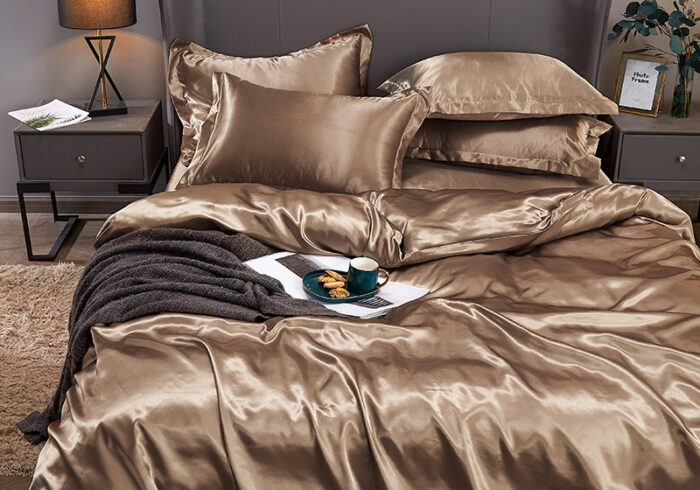
The home textiles industry is a vibrant, multi-billion-dollar sector that bridges the gap between functional utility and aesthetic expression. At the heart of this industry lies a crucial source of intelligence and inspiration: Home Textiles Today magazine. For decades, this publication has served as the definitive voice for retailers, manufacturers, and designers, offering a comprehensive look at the trends, economic shifts, and technological innovations that define the way we furnish our private sanctuaries. As the world transitions through various economic cycles and cultural shifts, the role of specialized trade journalism becomes even more vital in decoding complex market behaviors.

Home textiles encompass everything from the sheets we sleep on and the towels we use to the rugs under our feet and the curtains that frame our views. Unlike fashion, which moves at a breakneck speed, home textiles often reflect deeper sociological shifts—changes in how we perceive comfort, health, and the environment. Home Textiles Today magazine does more than just report on product launches; it analyzes the “why” behind the “what,” providing its readership with the strategic foresight necessary to thrive in a competitive global marketplace.
Table of Contents
The Strategic Influence of Trade Journalism in Home Fashion

In an era dominated by rapid-fire social media updates and fragmented information, the structured, deep-dive reporting found in Home Textiles Today magazine remains an essential cornerstone for industry professionals. Trade journalism serves as the connective tissue of the supply chain, ensuring that a designer in New York understands the manufacturing constraints in India, or that a big-box retailer in the Midwest is aware of the latest sustainable fibers emerging from European labs.
Shaping Consumer Trends and Retail Strategies
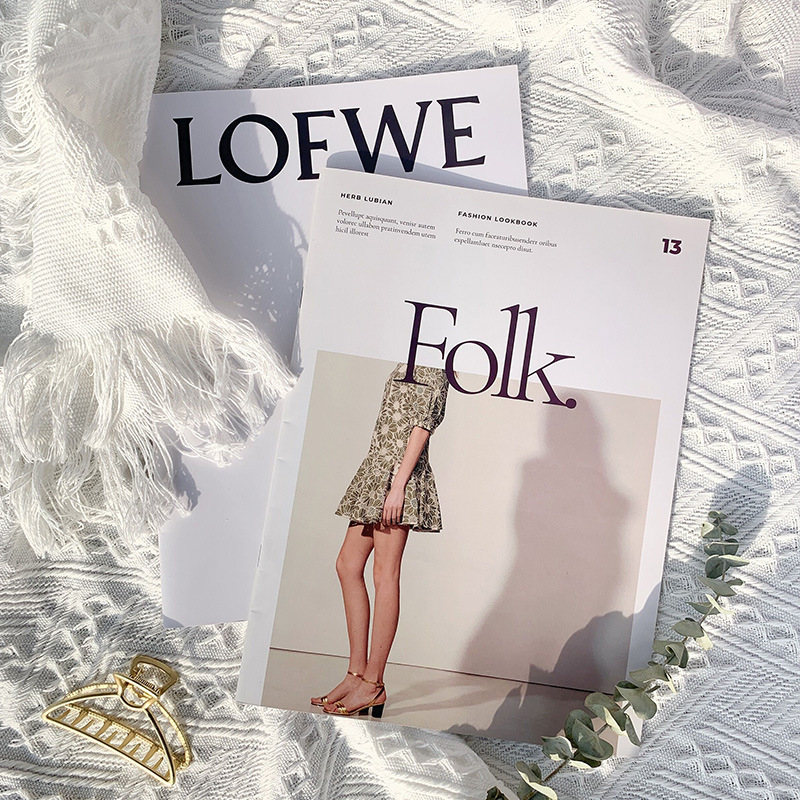
Home Textiles Today magazine plays a pivotal role in synthesizing disparate data points into actionable trends. By monitoring trade shows, consumer buying habits, and color forecasts, the magazine provides a roadmap for product development. Retailers rely on these insights to curate collections that resonate with contemporary lifestyles. For instance, when the magazine highlights a surge in “wellness-focused” textiles, it signals to retailers that they should prioritize antimicrobial fabrics, weighted blankets, and organic cotton linens.
The editorial team often bridges the gap between high-level design concepts and mass-market feasibility. They translate the avant-garde themes seen at international fairs like Heimtextil into practical strategies for the American consumer market. This translation is vital for ensuring that innovation actually reaches the bedroom and bathroom shelves of the average consumer.
Bridging the Gap Between Manufacturers and Buyers
One of the most significant functions of the magazine is its role as a networking hub. Through its profiles of industry leaders and spotlights on emerging manufacturers, it facilitates partnerships that might otherwise never occur. In a globalized economy, knowing who is leading in recycled polyester production or who has the most efficient logistics network in Southeast Asia is a competitive advantage. Home Textiles Today provides this transparency, fostering a more robust and collaborative industry environment.
Furthermore, the magazine’s coverage of mergers, acquisitions, and executive movements keeps the industry informed about the shifting power dynamics within the sector. This corporate intelligence allows businesses to anticipate market consolidation and adjust their competitive positioning accordingly.
Analyzing Key Market Segments Covered by Home Textiles Today
The breadth of the home textiles sector is vast, and Home Textiles Today magazine meticulously breaks down this complexity into manageable segments. Each category—bedding, bath, window, and floor—faces its own unique set of challenges and opportunities, and the magazine’s specialized reporting ensures that no niche is overlooked.
The Renaissance of Sustainable Bedding and Linens
Perhaps no area has seen more radical transformation than the bedding category. Home Textiles Today has been at the forefront of documenting the “green revolution” in linens. Beyond simple organic cotton, the magazine explores the rise of Tencel, bamboo-derived viscose, and even seaweed-infused fibers. These reports provide technical details on breathability, moisture-wicking properties, and environmental footprints, helping buyers make informed decisions that align with the growing consumer demand for eco-friendly products.
The magazine also tracks the “bed-in-a-box” phenomenon and its ripple effects on the textile industry. As mattress sales moved online, the demand for accompanying textile bundles—sheets, protectors, and pillows—evolved, requiring new packaging and marketing strategies that Home Textiles Today analyzed in real-time.
Innovations in Performance Fabrics for Modern Interiors
Bath and kitchen textiles have moved beyond mere functionality to become “performance” products. Home Textiles Today magazine highlights the engineering behind quick-dry towels, stain-resistant tablecloths, and high-absorbency kitchen linens. The focus is increasingly on longevity and hygiene, with silver-ion technology and specialized weaves becoming standard topics of discussion.
By showcasing these innovations, the magazine helps manufacturers justify premium price points based on superior performance characteristics. This reporting is essential for moving the industry away from a “race to the bottom” on price and toward a value-based model centered on quality and innovation.
The Growing Significance of Smart Textiles in the Smart Home Era
As the “Internet of Things” (IoT) expands, textiles are becoming interactive. Home Textiles Today has begun exploring the intersection of technology and fabric, such as bedding that monitors sleep patterns or temperature-regulating rugs. While still an emerging field, the magazine’s coverage ensures that its readers are prepared for a future where the home environment is fully integrated and responsive.
This forward-looking perspective is what distinguishes Home Textiles Today from a mere product catalog. It challenges the industry to think about textiles not just as passive objects, but as active participants in the user’s health and comfort.
Navigating Global Supply Chain Dynamics and Economic Shifts
The home textiles industry is inherently global and therefore highly sensitive to geopolitical tensions, trade policies, and logistics disruptions. Home Textiles Today magazine provides critical analysis of these “macro” factors, helping businesses navigate an increasingly volatile world.
Responding to Inflationary Pressures and Pricing Strategies
In recent years, the industry has faced unprecedented fluctuations in raw material costs, particularly for cotton and polyester. Home Textiles Today offers deep dives into commodity pricing, helping manufacturers understand when to lock in contracts and how to communicate price increases to retail partners. The magazine’s economic outlooks are a staple for CFOs and procurement officers who must balance thin margins against rising operational costs.
The editorial content often includes interviews with economists who specialize in the retail sector, providing a level of financial sophistication that is rare in lifestyle-focused publications. This helps industry leaders move beyond “gut feeling” and toward data-driven decision-making.
The Shift Toward Nearshoring and Regional Manufacturing
Disruptions in trans-Pacific shipping have led to a renewed interest in nearshoring. Home Textiles Today has extensively covered the growth of textile manufacturing in Mexico, Central America, and even the “reshoring” efforts within the United States. By analyzing the pros and cons of these regional hubs—such as shorter lead times versus higher labor costs—the magazine assists companies in diversifying their supply chains to mitigate risk.
This reporting is particularly relevant for the “fast fashion” segment of home decor, where the ability to react quickly to a viral social media trend can mean the difference between a sell-out collection and a warehouse full of dead stock.
Digital Transformation and the Future of Textile Retail
The way consumers shop for home textiles has changed forever. The rise of e-commerce, augmented reality (AR), and social commerce has forced traditional retailers to reinvent themselves. Home Textiles Today magazine serves as a guide through this digital labyrinth.
E-commerce Integration and Omni-channel Excellence
The magazine frequently features case studies on successful omni-channel strategies. Whether it’s a traditional department store launching a robust online marketplace or a direct-to-consumer (DTC) brand opening physical showrooms, Home Textiles Today analyzes the logistics and marketing tactics that drive success. The focus is often on the “customer journey”—how a consumer might see a rug on Instagram, research it on their phone, and finally touch a sample in a store before purchasing.
Leveraging Data Analytics for Inventory Management
In the high-volume world of textiles, inventory management is a constant struggle. Home Textiles Today highlights the latest software solutions that use artificial intelligence to predict demand, reducing overstock and markdowns. By profiling tech-forward companies, the magazine encourages the wider industry to adopt tools that improve efficiency and sustainability.
Furthermore, the magazine explores the use of AR and VR in home textile retail. Being able to “see” how a set of curtains looks in one’s own living room through a smartphone app is a game-changer for reducing return rates, a major pain point for the industry that Home Textiles Today continues to investigate.
Conclusion
Home Textiles Today magazine remains an indispensable resource because it understands that the industry is about more than just fabric; it is about the evolution of the human home. By providing a balanced mix of trend forecasting, economic analysis, and technological insight, the publication empowers its readers to navigate the complexities of a globalized market. As we look toward a future defined by sustainability and digital integration, the magazine’s role as an educator and a connector will only grow in importance. For anyone invested in the world of home furnishings, staying attuned to the pages of Home Textiles Today is not just a choice, but a strategic necessity for long-term success.
How to purchase:Online B2B sourcing platform, China purchase, Chinese suppliers – LooperBuy
Abstract
This article explores the comprehensive role of Home Textiles Today magazine as a leading authority in the home furnishings industry. It analyzes how the publication influences market trends, navigates global supply chain challenges, and guides the digital transformation of retail. By bridging the gap between design and economics, the magazine serves as a vital strategic tool for manufacturers and retailers alike, ensuring the industry remains innovative and responsive to modern consumer needs.
Related Questions & Answers
· What is the primary target audience for Home Textiles Today magazine?
The magazine is primarily designed for industry professionals, including retail executives, category buyers, textile manufacturers, product designers, and supply chain managers. It serves as a B2B (business-to-business) platform that provides intelligence for those making high-level decisions in the home furnishings sector.
· How does Home Textiles Today cover sustainability in the industry?
The magazine features regular reports on eco-friendly fiber innovations, sustainable manufacturing processes, and circular economy initiatives. It tracks the growth of certifications like GOTS and OEKO-TEX, helping readers understand the regulatory and consumer-driven demand for transparency in the textile supply chain.
· Does the magazine provide coverage of international trade shows?
Yes, Home Textiles Today is known for its extensive coverage of major global events such as Heimtextil in Frankfurt, the High Point Market in North Carolina, and various textile fairs in Asia. They provide “on-the-ground” reporting, trend summaries, and executive interviews from these key industry gatherings.
· What role does data play in the magazine’s editorial content?
Data is central to its reporting. The publication often includes market share reports, consumer spending surveys, and economic forecasting. This quantitative approach helps businesses benchmark their performance against industry averages and identify growth opportunities in specific product categories.
· How can a new manufacturer get featured in Home Textiles Today?
New manufacturers typically gain visibility by participating in major trade shows covered by the magazine or by submitting press releases regarding innovative product launches and significant business milestones to the editorial team. The magazine often highlights “ones to watch” in its special anniversary or trend-focused editions.
Hot Tags:
Home Textiles Today; Textile Industry Trends; Bedding Innovations; Retail Strategies; Sustainable Fabrics; Supply Chain Management; Home Decor Market; Trade Journalism; Interior Design Trends; Performance Textiles; Bath Linens; Window Treatments; Global Sourcing; E-commerce In Textiles; Smart Home Fabrics; Textile Manufacturing; Consumer Behavior; Market Analysis; Rugs And Carpets; Textile Technology; Eco-Friendly Home; Industry News; High Point Market; Heimtextil; Retail Data; Furniture Textiles; Linens And Domestic; Textile Logistics; Nearshoring Trends; Digital Retail Transformation