Rabbit plush toys have captured the hearts of children and adults alike, becoming cherished companions that bring comfort and joy. These adorable stuffed animals are not just toys; they are symbols of love, friendship, and nostalgia. In this article, we will explore the various aspects of rabbit plush toys, including their history, types, benefits, and tips for choosing the perfect one.
Table of Contents
The History of Plush Toys
Origins of Stuffed Animals
The concept of stuffed animals dates back to the late 19th century when the first commercially produced plush toys emerged. The introduction of the teddy bear in 1902 marked a significant milestone in the world of stuffed animals. Following this trend, various animal designs, including rabbits, began to appear in toy stores, captivating the imaginations of children everywhere.
The Rise of Rabbit Plush Toys
Rabbits have always held a special place in folklore and culture, symbolizing fertility, rebirth, and playfulness. This cultural significance contributed to the popularity of rabbit plush toys. Over the years, manufacturers have created a wide range of rabbit designs, from realistic representations to whimsical characters, ensuring that there is a plush bunny for everyone.
Types of Rabbit Plush Toys
Classic Rabbit Plush Toys
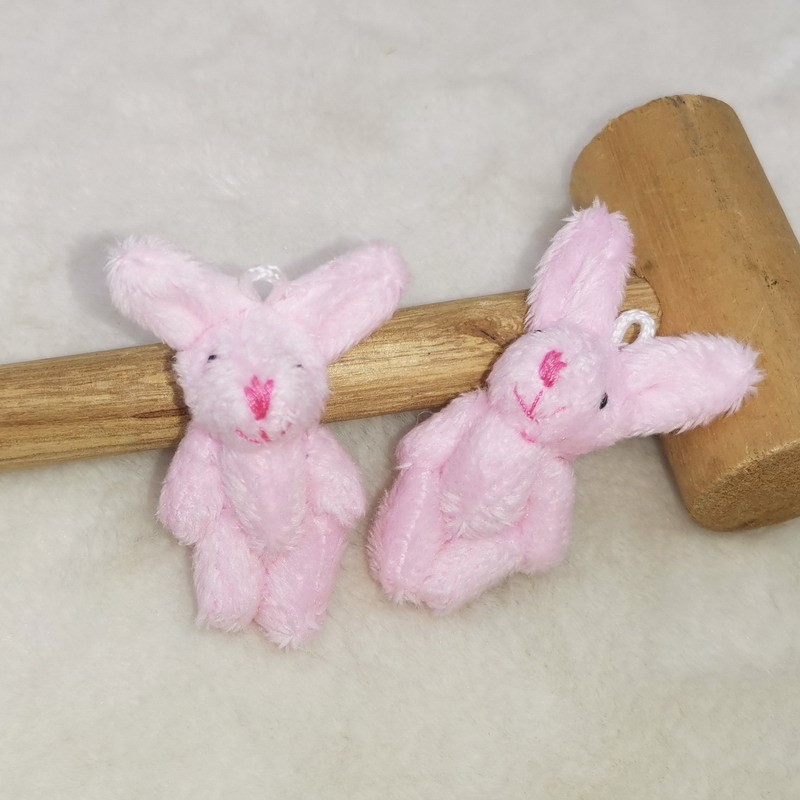
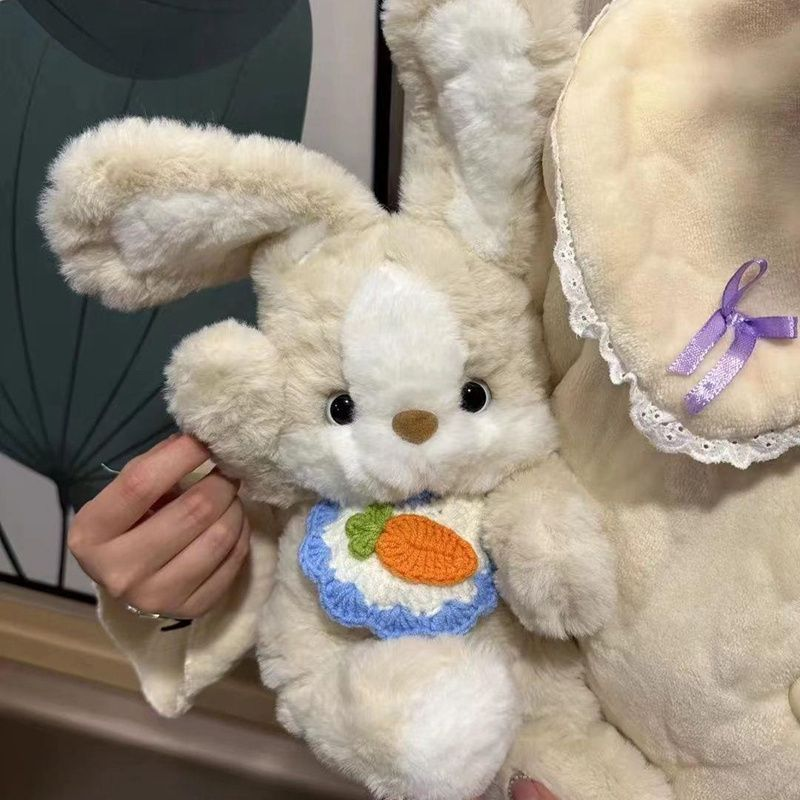
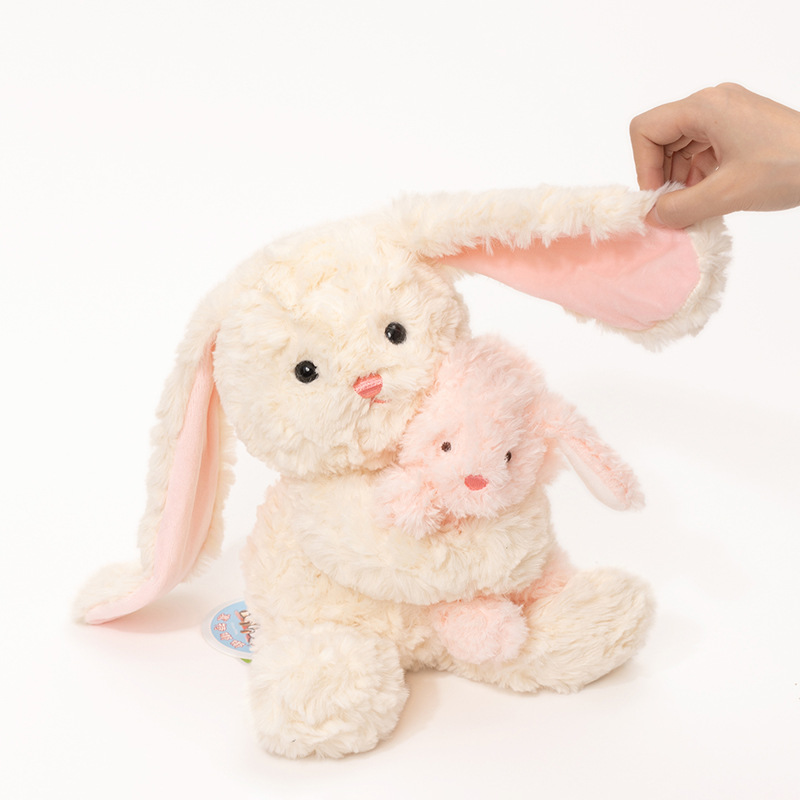
Classic rabbit plush toys are often designed with soft fur, floppy ears, and a friendly face. These toys are perfect for cuddling and are often used as comfort items for young children. They come in various sizes, making them suitable for different age groups. The classic design often features pastel colors, which appeal to young children and create a soothing atmosphere.
Character-Based Rabbit Plush Toys
Many rabbit plush toys are based on popular characters from books, movies, and television shows. These toys often feature unique designs and accessories that reflect the character’s personality. For example, a plush toy based on a beloved children’s book character can inspire imaginative play and storytelling. Characters like Peter Rabbit or the Easter Bunny have become iconic, making their plush counterparts highly sought after.
Customizable Rabbit Plush Toys
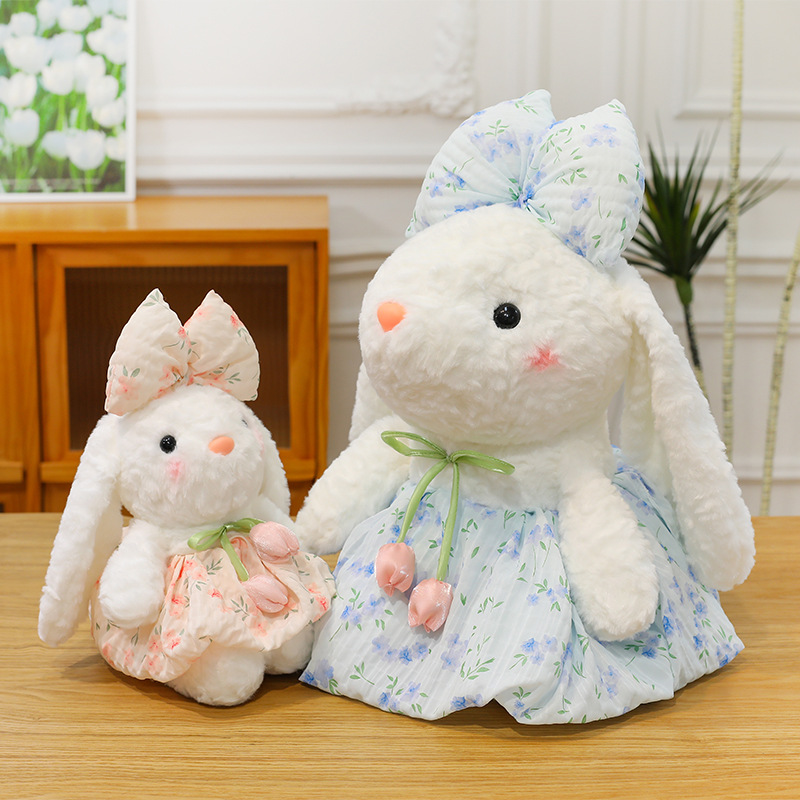
In recent years, customizable rabbit plush toys have gained popularity. These toys allow parents to personalize their child’s bunny with embroidered names or special messages. Customization adds a unique touch, making the toy a cherished keepsake that can be passed down through generations. Many companies now offer options for parents to choose colors, patterns, and even outfits for their plush bunnies, enhancing the personal connection a child can have with their toy.
Eco-Friendly Rabbit Plush Toys
With growing awareness of environmental issues, many manufacturers are now producing eco-friendly rabbit plush toys. These toys are made from sustainable materials, such as organic cotton or recycled fibers, and are often dyed with non-toxic, environmentally friendly dyes. Choosing eco-friendly options not only supports sustainable practices but also teaches children the importance of caring for the planet.
Innovative Designs and Features
The world of rabbit plush toys is constantly evolving, with manufacturers introducing innovative designs and features. Some plush bunnies now come with built-in sound modules that play soothing lullabies or nature sounds, helping to calm children during bedtime. Others may include interactive elements, such as lights or textures, that engage a child’s senses and enhance playtime. These innovations not only make the toys more appealing but also contribute to a child’s sensory development.
Benefits of Rabbit Plush Toys
Emotional Support
Rabbit plush toys provide emotional support to children, helping them cope with anxiety, fear, and loneliness. The soft texture and comforting presence of a plush bunny can create a sense of security, making it easier for children to navigate challenging situations. Studies have shown that children often form attachments to their stuffed animals, which can help them manage stress and develop emotional resilience.
Encouraging Imagination
Playing with rabbit plush toys encourages imaginative play. Children often create stories and scenarios involving their plush companions, fostering creativity and cognitive development. This type of play is essential for a child’s growth and helps develop social skills as they engage in role-playing with peers. Imaginative play with plush toys can also enhance language skills as children narrate their adventures.
Aesthetic Appeal
Rabbit plush toys are not only functional but also serve as decorative items in children’s rooms. Their cute designs and soft colors can enhance the overall aesthetic of a space, making it feel warm and inviting. Parents often choose plush toys that match their child’s room decor, adding a personal touch to the environment. A well-placed plush bunny can become a focal point in a nursery or playroom, contributing to a cozy atmosphere.
Teaching Responsibility
Caring for a rabbit plush toy can also teach children about responsibility. When children are encouraged to take care of their toys—by keeping them clean and organized—they learn valuable life skills. This sense of responsibility can extend to other areas of their lives, fostering a sense of accountability and care for their belongings.
Social Skills Development
Playing with rabbit plush toys can also enhance social skills. Children often engage in cooperative play with their plush companions, sharing them with friends or siblings. This interaction helps children learn about sharing, empathy, and communication. As they role-play different scenarios, they practice important social skills that will benefit them in real-life situations.
Therapeutic Benefits
Rabbit plush toys can also be used in therapeutic settings, particularly for children dealing with anxiety or trauma. Therapists often incorporate plush toys into sessions to help children express their feelings and emotions. The presence of a familiar and comforting toy can create a safe space for children to open up and discuss their thoughts and experiences. This therapeutic use of plush toys can be particularly effective in helping children process difficult emotions and build coping strategies.
Enhancing Emotional Development
Research indicates that plush toys, including rabbit plush toys, play a significant role in children’s emotional development. By interacting with their plush companions, children learn to identify and express their feelings. They often project their emotions onto their toys, which can help them understand complex feelings such as sadness, anger, or joy. This process of emotional projection allows children to explore their feelings in a safe and non-threatening environment.
Choosing the Perfect Rabbit Plush Toy
Consider the Age of the Child
When selecting a rabbit plush toy, it’s essential to consider the child’s age. For infants and toddlers, opt for soft, lightweight toys without small parts that could pose a choking hazard. As children grow older, they may appreciate more detailed designs or character-based plush toys. It’s also important to consider the child’s interests; a child who loves animals may prefer a realistic bunny, while a fan of cartoons might enjoy a character-based plush.
Material and Safety
Safety is a top priority when choosing a plush toy. Look for toys made from non-toxic materials and those that meet safety standards. Many manufacturers provide information about the materials used in their products, ensuring peace of mind for parents. Additionally, consider hypoallergenic options for children with sensitivities or allergies. The best materials for rabbit plush toys include organic cotton, polyester, and other synthetic fibers that are durable yet soft to the touch.
Size and Design
The size of the rabbit plush toy can impact its usability. Smaller toys are easier for young children to handle, while larger ones can serve as cuddly companions for older kids. Additionally, consider the design—some children may prefer realistic bunnies, while others might be drawn to colorful, cartoonish styles. The design can also influence how the toy is used; for instance, a plush bunny with a backpack might encourage imaginative play as a travel companion.
Price and Quality
When choosing a rabbit plush toy, consider the balance between price and quality. While it may be tempting to opt for cheaper options, investing in a high-quality plush toy can ensure durability and safety. Quality toys are often made with better materials and craftsmanship, which can withstand the wear and tear of playtime. Additionally, a well-made plush toy can become a cherished keepsake that lasts for years.
Creative Uses in Education
Rabbit plush toys can also be creatively incorporated into educational activities. For instance, teachers and parents can use them to teach children about animals, nature, and even basic math concepts. By using plush toys in storytelling sessions, children can learn to sequence events and develop their narrative skills. Additionally, plush toys can serve as comforting companions during learning activities, helping to reduce anxiety and create a positive learning environment.
Caring for Rabbit Plush Toys
Cleaning and Maintenance
To keep rabbit plush toys looking their best, regular cleaning is essential. Most plush toys can be surface washed or machine washed on a gentle cycle. Always check the care label for specific instructions. Spot cleaning is also an effective way to remove stains without damaging the toy. For toys that are heavily soiled, a gentle wash followed by air drying can help maintain their shape and softness.
Storing Plush Toys
Proper storage of rabbit plush toys can prolong their lifespan. Encourage children to keep their toys in designated areas, such as toy bins or shelves. This not only keeps the toys clean but also teaches children about organization and responsibility. Creating a special place for their plush toys can also help children develop a sense of ownership and pride in their belongings.
The Cultural Significance of Rabbit Plush Toys
Symbolism in Different Cultures
Rabbits are often associated with various cultural symbols, such as fertility and rebirth. In many cultures, they are seen as symbols of good luck and prosperity. This cultural significance adds an extra layer of meaning to rabbit plush toys, making them not just toys but also tokens of hope and joy. For instance, in some cultures, giving a rabbit plush toy during spring festivals symbolizes new beginnings and the arrival of warmer weather.
Rabbit Plush Toys in Literature and Media
Rabbit plush toys have also made their mark in literature and media. Characters like Peter Rabbit and the Velveteen Rabbit have become iconic, teaching valuable lessons about love, friendship, and the importance of being real. These stories often highlight the emotional bonds that children form with their plush toys, reinforcing the idea that these toys are more than just playthings. The Velveteen Rabbit, in particular, emphasizes the transformative power of love and the idea that toys can become “real” through the affection they receive.
The Role of Rabbit Plush Toys in Celebrations
Rabbit plush toys often play a significant role in various celebrations, particularly during Easter. Many families incorporate plush bunnies into their Easter traditions, using them as gifts or decorations. The Easter Bunny, a popular figure in Western culture, is often represented by plush toys, symbolizing the joy and excitement of the holiday. These traditions help create lasting memories and strengthen family bonds.
Rabbit Plush Toys in Therapy and Education
In addition to their role in play, rabbit plush toys are increasingly being used in therapeutic and educational settings. Therapists utilize plush toys to help children express their feelings and navigate complex emotions. The presence of a familiar and comforting toy can create a safe space for children to open up and discuss their thoughts and experiences. In educational settings, plush toys can serve as engaging tools for teaching various subjects, from storytelling to basic math concepts.
Conclusion
Rabbit plush toys are more than just soft companions; they are integral to childhood experiences, providing comfort, joy, and a sense of security. Whether you are looking for a classic bunny, a character-based plush, or a customizable option, there is a rabbit plush toy to suit every child’s needs. By understanding the benefits and care of these toys, parents can ensure that their children enjoy the magic of rabbit plush toys for years to come.
How to purchase:Online B2B sourcing platform, China purchase, Chinese suppliers – LooperBuy
Frequently Asked Questions
1. What age is appropriate for giving a rabbit plush toy?
Rabbit plush toys are suitable for children of all ages, but for infants, choose toys that are soft and free of small parts.
2. How do I clean a rabbit plush toy?
Most rabbit plush toys can be surface washed or machine washed on a gentle cycle. Always check the care label for specific instructions.
3. Can I customize a rabbit plush toy?
Yes, many manufacturers offer customizable options where you can add names or special messages to the plush toy.
4. What are the benefits of rabbit plush toys for children?
Rabbit plush toys provide emotional support, encourage imaginative play, and can enhance the aesthetic appeal of a child’s room.
5. How can I choose the right rabbit plush toy for my child?
Consider the child’s age, the materials used, the size of the toy, and the design preferences when selecting a rabbit plush toy.
HOT TAG: rabbit plush toy, stuffed animals, emotional support, imaginative play, customizable toys, children’s gifts, plush companions, eco-friendly options, toy care, childhood memories, therapeutic benefits, innovative designs, cultural significance, educational activities, emotional development, storytelling techniques, sensory engagement, character-based toys, classic designs, plush toy maintenance, safe materials, durable plush toys, creative play ideas, bonding experiences, family traditions, comfort items, childhood nostalgia, plush toy collections, interactive features, rabbit-themed gifts.