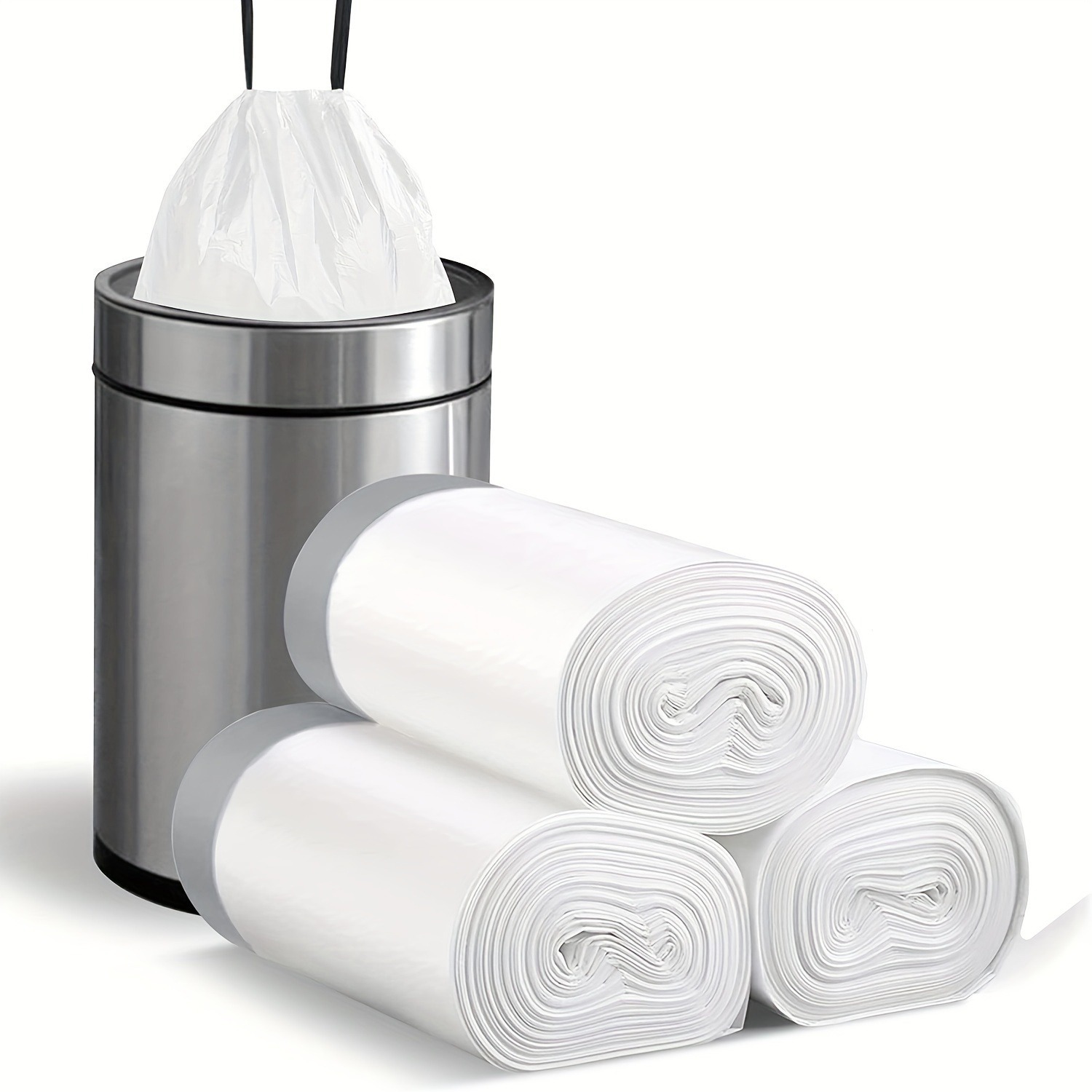
Large plastic bags have become an essential item in various sectors, from household storage to industrial applications. Their durability, flexibility, and cost-effectiveness make them a popular choice for many consumers and businesses alike. In this article, we will explore the different types of large plastic bags, their uses, benefits, and environmental considerations, as well as answer some frequently asked questions.
Table of Contents
Understanding Large Plastic Bags
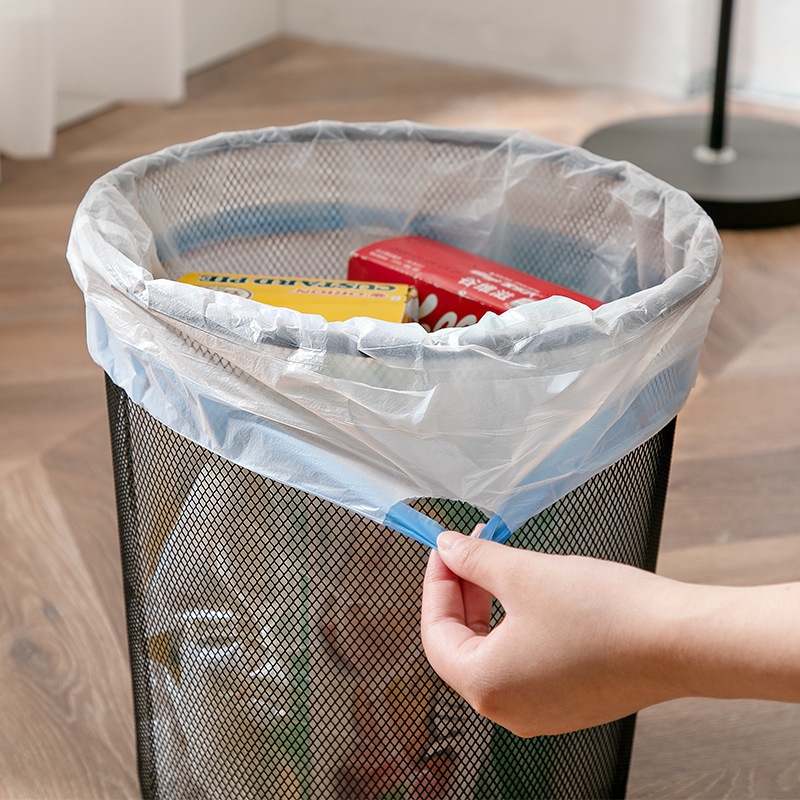
What Are Large Plastic Bags?
Large plastic bags are typically made from polyethylene or polypropylene, materials known for their strength and resistance to moisture. These bags come in various sizes, thicknesses, and designs, catering to different needs. They can be used for storage, shipping, and even as protective covers for items.
Types of Large Plastic Bags
- Heavy-Duty Bags: These bags are designed to hold heavier items and are often used in industrial settings. They are thicker and more robust than standard plastic bags, making them suitable for transporting bulk materials.
- Storage Bags: Often used for organizing household items, these bags can be zippered or open-ended. They are ideal for storing clothes, linens, and seasonal items.
- Shipping Bags: These bags are specifically designed for mailing and shipping products. They often feature self-sealing closures and are made to withstand the rigors of transportation.
- Trash Bags: Large plastic trash bags are commonly used in both residential and commercial settings. They are designed to hold waste and are available in various sizes and strengths.
- Protective Covers: These bags are used to cover and protect items from dust, moisture, and damage. They are often used in moving and storage applications.
Biodegradable and Eco-Friendly Options
With growing environmental concerns, many manufacturers are now producing biodegradable large plastic bags. These bags are designed to break down more quickly than traditional plastic, reducing their impact on the environment. They are made from materials that can decompose naturally, making them a more sustainable choice for consumers. The use of biodegradable bags can significantly reduce the amount of plastic waste that ends up in landfills and oceans, contributing to a cleaner planet.
Benefits of Using Large Plastic Bags
Durability and Strength
One of the primary advantages of large plastic bags is their durability. Made from high-quality materials, they can withstand significant weight and pressure without tearing or leaking. This makes them ideal for transporting heavy items or storing goods for extended periods. Heavy-duty bags, in particular, are engineered to handle the rigors of industrial use, ensuring that they do not fail under stress.
Versatility
Large plastic bags can be used in a multitude of ways. Whether you need to store clothes, transport items, or protect furniture during a move, these bags can adapt to various needs. Their flexibility allows them to be used in both personal and professional settings. For instance, in a retail environment, large plastic bags can serve as shopping bags, while in a warehouse, they can be used for bulk storage.
Cost-Effectiveness
Compared to other storage and shipping solutions, large plastic bags are relatively inexpensive. They provide a budget-friendly option for individuals and businesses looking to manage their storage and shipping needs without breaking the bank. The low cost of production and the ability to purchase in bulk further enhance their affordability, making them an attractive option for many.
Lightweight and Space-Saving
Large plastic bags are lightweight, making them easy to handle and transport. Additionally, they can be folded or rolled up when not in use, saving valuable storage space. This feature is particularly beneficial for businesses that need to optimize their storage areas, as it allows for efficient use of space without sacrificing accessibility.
Practical Uses for Large Plastic Bags
Household Storage
Large plastic bags are perfect for organizing household items. They can be used to store seasonal clothing, bedding, and other items that are not frequently used. By keeping these items in large plastic bags, you can free up space in your closets and drawers. Furthermore, using clear plastic bags allows you to easily see the contents, making it simpler to find what you need without rummaging through multiple containers.
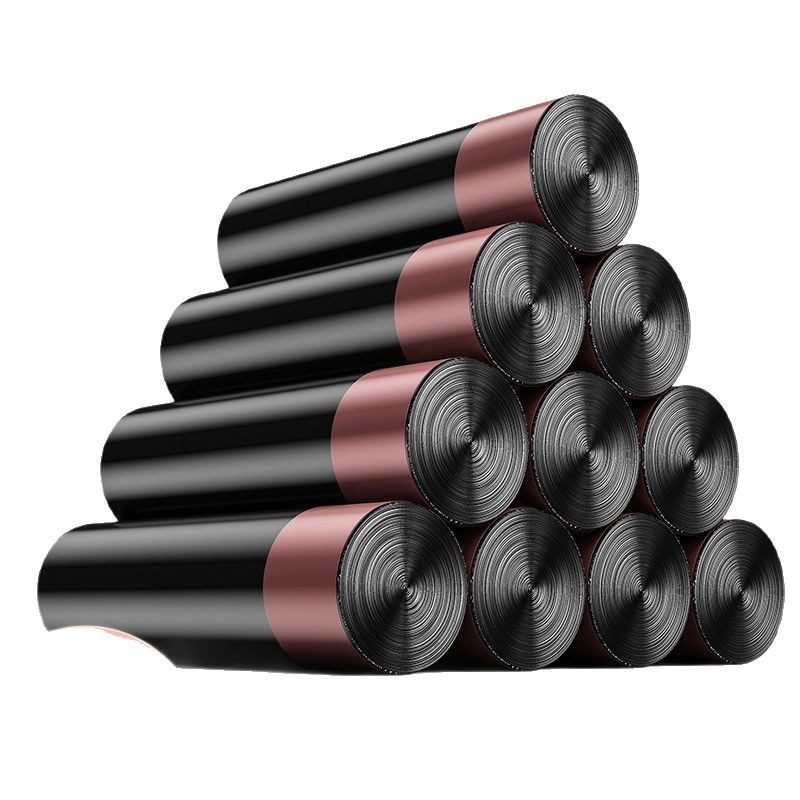
Moving and Packing
When moving, large plastic bags can be invaluable. They can protect your belongings from dirt and moisture during transport. Additionally, they are easy to pack and can accommodate a variety of items, from clothing to kitchenware. Using large plastic bags can also simplify the unpacking process, as you can easily identify the contents of each bag. For fragile items, padded plastic bags are available, providing extra protection during transit.
Shipping and Mailing
For businesses, large plastic shipping bags are essential for sending products to customers. They provide a lightweight and protective solution for shipping items, ensuring they arrive in good condition. Many companies use branded plastic bags to enhance their marketing efforts, as these bags can be printed with logos and designs. This not only promotes brand recognition but also adds a professional touch to the packaging.
Industrial Applications
In industrial settings, large plastic bags are used for transporting bulk materials such as sand, gravel, and fertilizers. Their strength and durability make them ideal for these applications, where traditional packaging may fail. Additionally, these bags can be customized to meet specific industry requirements, such as UV resistance or moisture barriers. This customization ensures that the bags perform optimally in various environmental conditions.
Environmental Considerations
The Impact of Plastic Bags
While large plastic bags offer numerous benefits, their environmental impact cannot be overlooked. Plastic pollution is a significant issue, with millions of tons of plastic waste ending up in landfills and oceans each year. As consumers, it is essential to consider the lifecycle of plastic products and their effects on the environment. The accumulation of plastic waste poses a threat to wildlife and ecosystems, highlighting the need for responsible usage and disposal.
Sustainable Alternatives
Many manufacturers are now producing biodegradable or recyclable plastic bags, which can help mitigate environmental concerns. These alternatives break down more quickly than traditional plastic, reducing their impact on the planet. Additionally, using reusable bags can significantly decrease the demand for single-use plastic bags. Consumers are encouraged to adopt practices such as recycling and using reusable bags to minimize their environmental footprint.
Innovations in Plastic Bag Technology
The plastic bag industry is continuously evolving, with innovations aimed at improving the sustainability and functionality of large plastic bags. Some of the latest advancements include:
- Biodegradable Materials: New materials are being developed that allow plastic bags to decompose more rapidly in landfills or composting environments. These biodegradable bags are made from plant-based materials and are designed to break down within a few months.
- Recyclable Plastics: Advances in recycling technology have led to the creation of plastic bags that can be easily recycled. These bags are made from materials that can be processed and reused, reducing the overall demand for new plastic production.
- Smart Packaging: Some companies are exploring the use of smart technology in plastic bags, such as QR codes that provide information about the bag’s contents or its recyclability. This technology can help consumers make more informed choices about their packaging.
Regulatory Landscape
As awareness of plastic pollution grows, many regions are implementing regulations to limit the use of plastic bags. Various states and countries have enacted laws that either ban single-use plastic bags or impose fees on their use. These regulations aim to encourage consumers to switch to reusable alternatives and reduce plastic waste. Businesses must stay informed about these regulations to ensure compliance and adapt their packaging strategies accordingly.
Specific Regulations on Plastic Bags
Regulations regarding plastic bags can vary significantly by region. For instance, some states in the U.S. have implemented strict bans on single-use plastic bags, while others have opted for a fee-based system. In California, for example, a statewide ban on single-use plastic bags was enacted, requiring retailers to provide reusable bags for a fee. Similarly, many countries in Europe have adopted measures to reduce plastic bag usage, with some imposing taxes on plastic bags to discourage their use.
Transitioning to Sustainable Packaging
For businesses looking to reduce their reliance on traditional plastic bags, transitioning to more sustainable packaging options is essential. This process can involve several steps:
- Assess Current Practices: Businesses should evaluate their current packaging methods and identify areas where plastic bags are used excessively.
- Research Alternatives: Explore biodegradable, compostable, or reusable packaging options that align with the company’s sustainability goals.
- Educate Employees and Customers: Providing training for employees on sustainable practices and informing customers about the benefits of using eco-friendly packaging can foster a culture of sustainability.
- Implement Gradually: Transitioning to sustainable packaging does not have to happen overnight. Businesses can start by replacing a portion of their plastic bags with eco-friendly alternatives and gradually increase this percentage over time.
- Monitor and Adjust: After implementing new packaging solutions, businesses should monitor their effectiveness and make adjustments as needed to optimize performance and customer satisfaction.
Long-Term Cost Benefits of Biodegradable Plastic Bags
While biodegradable plastic bags may have a higher upfront cost compared to traditional plastic bags, they can offer long-term savings and benefits. For instance, as regulations around plastic usage become stricter, businesses that have already transitioned to biodegradable options may avoid potential fines and penalties. Additionally, consumers are increasingly seeking out environmentally friendly products, which can enhance brand loyalty and attract new customers.
Moreover, the use of biodegradable bags can improve a company’s public image, positioning it as a leader in sustainability. This positive perception can lead to increased sales and customer retention, ultimately offsetting the initial investment in more sustainable packaging options.
The Advantages of Biodegradable Plastic Bags
Biodegradable plastic bags offer several advantages over traditional plastic bags. Firstly, they are designed to break down more quickly in the environment, reducing the time they spend in landfills. This is particularly important given the long decomposition times associated with conventional plastics, which can take hundreds of years to degrade.
Secondly, biodegradable bags are often made from renewable resources, such as cornstarch or other plant materials, which can help reduce reliance on fossil fuels. This shift not only supports sustainable agricultural practices but also contributes to a decrease in greenhouse gas emissions associated with plastic production.
Lastly, the use of biodegradable bags can enhance a company’s sustainability profile, appealing to environmentally conscious consumers. As public awareness of plastic pollution grows, businesses that adopt eco-friendly practices are likely to gain a competitive edge in the market.
Understanding Plastic Types and Their Environmental Impact
Different types of plastic have varying effects on the environment, and understanding these differences is crucial for making informed choices. For example, polyethylene (used in many plastic bags) is relatively lightweight and can be recycled, but it still poses significant environmental challenges if not disposed of properly.
On the other hand, polystyrene, commonly found in disposable food containers, is not easily recyclable and can take hundreds of years to decompose. This type of plastic can break down into microplastics, which pose a threat to marine life and ecosystems.
The decomposition rates of plastics vary widely. For instance, while biodegradable plastics can break down in a matter of months under the right conditions, traditional plastics can persist in the environment for decades or even centuries. This stark contrast highlights the importance of choosing the right materials for packaging and storage.
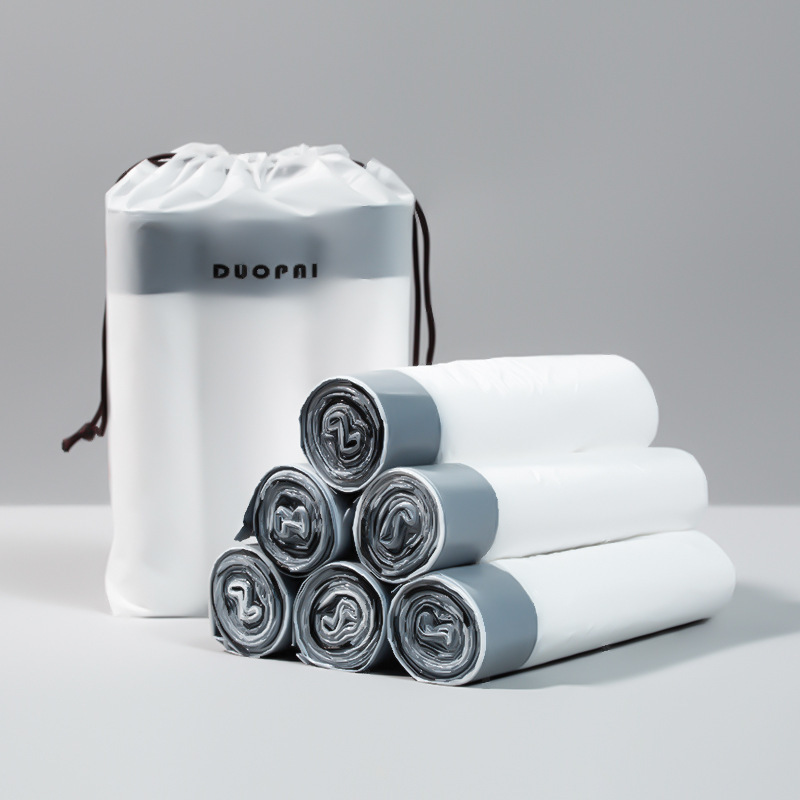
Conclusion
Large plastic bags are a versatile and practical solution for a wide range of storage and shipping needs. Their durability, cost-effectiveness, and adaptability make them a popular choice for both consumers and businesses. However, it is crucial to consider their environmental impact and explore sustainable alternatives when possible. As the industry continues to innovate, the future of large plastic bags looks promising, with a focus on sustainability and responsible usage.
How to purchase:Online B2B sourcing platform, China purchase, Chinese suppliers – LooperBuy
Frequently Asked Questions
1. What are the best uses for large plastic bags?
Large plastic bags are best used for storage, moving, shipping, and protecting items from dust and moisture.
2. Are large plastic bags recyclable?
Many large plastic bags can be recycled, but it depends on local recycling programs. Always check with your local waste management facility.
3. How do I choose the right size of plastic bag for my needs?
Consider the items you need to store or transport. Measure the dimensions of the items and choose a bag that provides enough space without being excessively large.
4. Can large plastic bags be used for food storage?
Yes, but ensure that the bags are food-safe and free from harmful chemicals. Look for bags specifically labeled for food storage.
5. What are some eco-friendly alternatives to traditional plastic bags?
Biodegradable bags, reusable fabric bags, and recycled paper bags are all eco-friendly alternatives to traditional plastic bags.
HOT TAG: large plastic bags, eco-friendly packaging, biodegradable plastic bags, sustainable storage solutions, heavy-duty shipping bags, household organization, moving supplies, plastic waste reduction, recycling practices, environmental impact, innovative packaging technology, smart packaging solutions, regulatory compliance, sustainable business practices, consumer awareness, plastic pollution solutions, reusable bags, compostable materials, green packaging alternatives, environmental sustainability, responsible disposal methods, packaging industry trends, biodegradable materials advancements, eco-conscious consumer choices.