Organizing children’s toys can often feel like a daunting task, especially when faced with the sheer volume of items that accumulate over time. However, with a few simple strategies, you can create a practical and efficient system that not only keeps your space tidy but also teaches your children valuable organizational skills. In this article, we will explore various methods to organize children’s toys effectively, ensuring that playtime remains fun and stress-free.
Table of Contents
Understanding the Importance of Toy Organization
Before diving into the methods of organizing children’s toys, it’s essential to understand why this task is crucial. A well-organized play area can:
– Encourage Independence: When children know where their toys are, they can play independently without needing constant assistance. This independence fosters creativity and problem-solving skills as they learn to navigate their play environment.
– Reduce Clutter: An organized space minimizes visual clutter, making it easier for both children and parents to navigate. A clutter-free environment can also reduce stress and anxiety, creating a more peaceful home atmosphere.
– Enhance Playtime: Children are more likely to engage with their toys when they can easily find and access them. This accessibility encourages longer, more meaningful play sessions, which are crucial for their development.
– Teach Responsibility: Involving children in the organization process helps them learn about responsibility and taking care of their belongings. This skill will benefit them in various aspects of life as they grow older.
Step-by-Step Guide to Organizing Children’s Toys
1. Declutter First
The first step in organizing children’s toys is to declutter. This process involves sorting through all the toys and deciding which ones to keep, donate, or discard. Here’s how to do it:
– Set Aside Time: Choose a day when you can dedicate a few hours to this task. Make it a fun family event by turning on some music and enjoying snacks while you work.
– Create Categories: Use bins or boxes to categorize toys into groups such as keep, donate, and toss. This visual separation can help children understand the process better.
– Involve Your Children: Let your kids help with the sorting process. This not only makes it easier but also teaches them about decision-making. Encourage them to think about which toys they truly enjoy and which ones they might be ready to part with.
2. Choose the Right Storage Solutions
Once you have decluttered, it’s time to select storage solutions that work for your space. Here are some popular options:
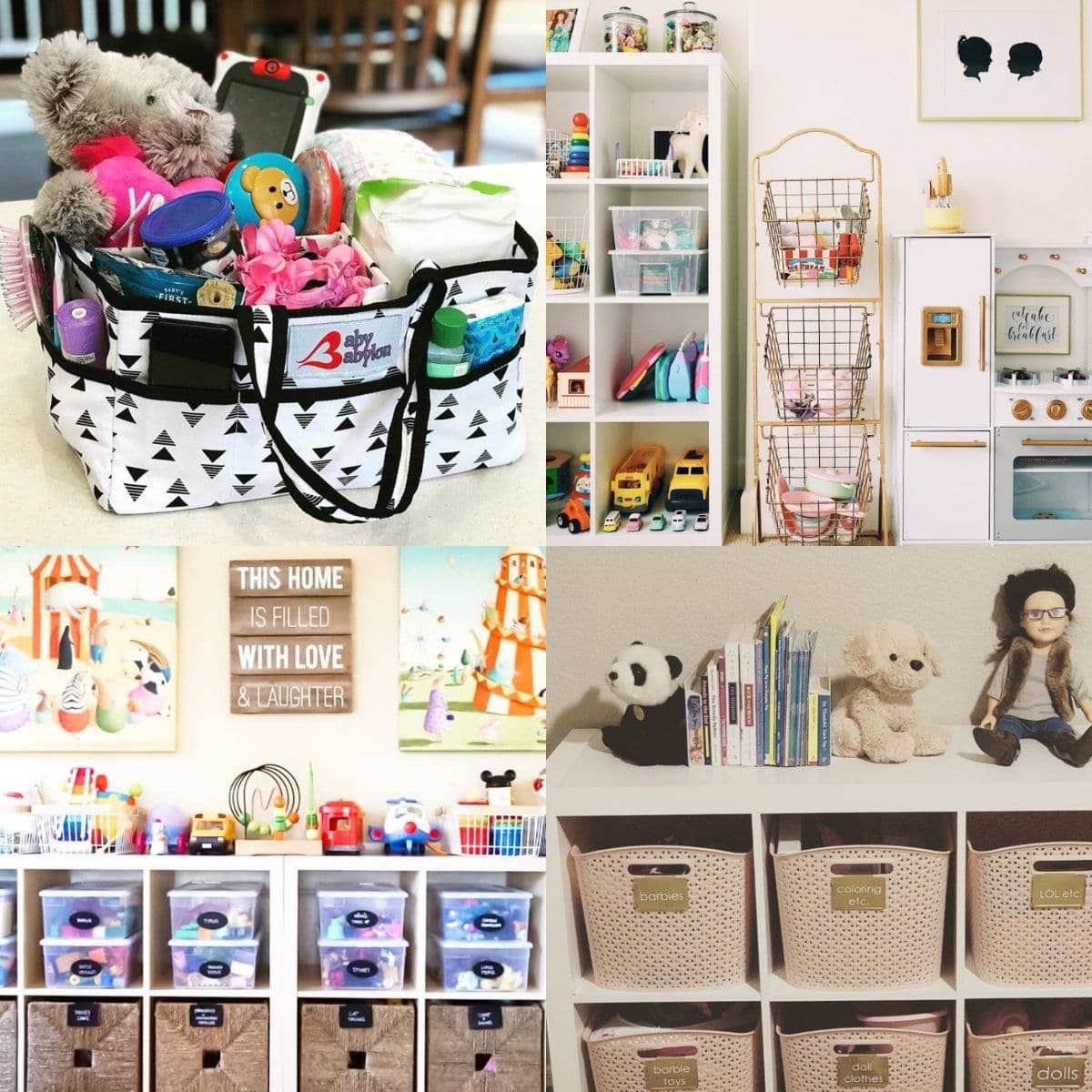
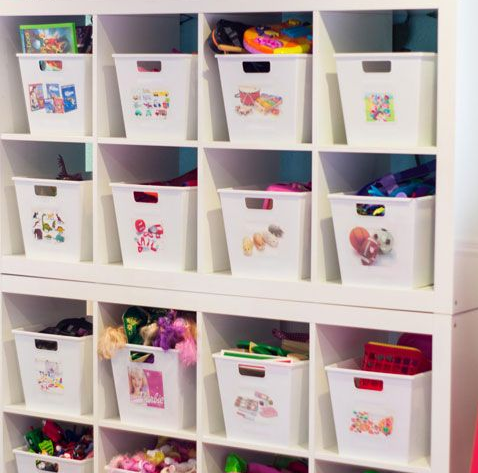
– Baskets and Bins: These are great for storing larger toys. Choose clear bins so children can see what’s inside. This transparency encourages them to put toys back where they belong after playtime.
– Shelving Units: Open shelving allows for easy access to toys and can be a decorative element in the room. You can even involve your children in choosing the colors or styles of the shelves to make them feel more invested in the organization.
– Toy Hammocks: Perfect for stuffed animals, a toy hammock can keep soft toys off the floor while still being accessible. This not only saves space but also adds a whimsical touch to the room.
– Cubbies: Cubbies are excellent for organizing toys by category, making it easy for children to find what they want. You can label each cubby with pictures or words, helping younger children learn to read while they play.
3. Organize by Category
Organizing toys by category is one of the most effective methods. Here’s how to do it:
– Group Similar Items: Keep all action figures together, puzzles in one place, and art supplies in another. This categorization helps children understand where to find and return their toys.
– Label Everything: Use labels on bins and shelves to help children know where each type of toy belongs. This can be done with pictures for younger children who cannot read yet, making it a fun learning experience.
4. Create Play Zones
Designating specific areas for different types of play can help maintain organization. For example:
– Art Zone: Set up a small table with art supplies, ensuring everything is within reach. This dedicated space encourages creativity and makes cleanup easier.
– Building Zone: Use a rug or mat for building toys like blocks or LEGO, keeping them contained in one area. This not only organizes the toys but also creates a designated space for imaginative play.
– Reading Nook: Create a cozy corner with books and a comfortable seating area. This encourages children to develop a love for reading and provides a quiet space for them to unwind.
5. Implement a Toy Rotation System
To keep the play area fresh and engaging, consider implementing a toy rotation system. This involves:
– Selecting a Few Toys: Choose a limited number of toys to keep out at any given time. This helps prevent overwhelm and keeps children focused on their current toys.
– Storing the Rest: Place the remaining toys in storage bins or boxes. You can even involve your children in selecting which toys to rotate, giving them a sense of control.
– Rotating Regularly: Every few weeks, swap out the toys to keep your child’s interest alive and reduce clutter. This method not only keeps playtime exciting but also allows children to rediscover toys they may have forgotten about.
6. Make Cleanup Fun
Encouraging children to help with cleanup can be a challenge, but making it fun can change their attitude. Here are some ideas:
– Set a Timer: Challenge your kids to pick up as many toys as they can before the timer goes off. This creates a sense of urgency and can turn cleanup into a game.
– Play Music: Turn on some upbeat music and have a dance party while cleaning up. This makes the task enjoyable and helps children associate cleanup with fun.
– Reward System: Create a reward system where children earn points for helping to clean up, which can be exchanged for small treats or privileges. This incentivizes them to take part in maintaining their organized space.
7. Maintain the Organization
Once you have organized the toys, it’s essential to maintain the system. Here are some tips:
– Regular Check-Ins: Schedule regular times (monthly or seasonally) to reassess the toy situation and declutter again if necessary. This helps prevent the accumulation of toys and keeps the organization system effective.
– Involve Kids in Maintenance: Teach children to put toys back in their designated spots after playtime. This instills a sense of responsibility and helps them develop good habits.
– Adjust as Needed: As children grow, their interests and toy collections will change. Be flexible and adjust your organization system accordingly, ensuring it continues to meet their needs.
Conclusion
Organizing children’s toys doesn’t have to be a stressful task. By following these simple, practical steps, you can create a system that works for your family and helps your children learn valuable skills. Remember, the goal is to make playtime enjoyable while instilling a sense of responsibility in your little ones. With a little effort and creativity, you can transform your play area into a well-organized space that fosters fun and learning.
How to purchase:https://looperbuy.com/search?keywords=organizing+children%27s+toys
Frequently Asked Questions
1. What should I do with broken toys?
– Broken toys should be discarded or repaired if possible. If they cannot be fixed, it’s best to toss them to avoid clutter. Consider involving your children in this decision to teach them about the importance of maintaining their belongings.
2. How can I involve my children in the organizing process?
– Involve your children by letting them help sort toys, choose storage solutions, and label bins. This makes them feel included and teaches them responsibility. You can also ask for their input on how they would like their play area to look.
3. What are some creative storage solutions for small spaces?
– Consider using vertical storage options like wall-mounted shelves, under-bed storage bins, or multi-functional furniture that doubles as storage. Utilizing every inch of space creatively can help keep the area organized without sacrificing style.
4. How often should I declutter toys?
– It’s a good idea to declutter toys at least twice a year, or more frequently if you notice an accumulation of items. Regular decluttering helps maintain an organized space and keeps the play area enjoyable for your children.
5. What if my child refuses to part with toys?
– Encourage your child to keep only their favorites. You can also suggest taking pictures of toys they are willing to donate, so they have a memory without the physical item. This can help ease the emotional attachment to certain toys.