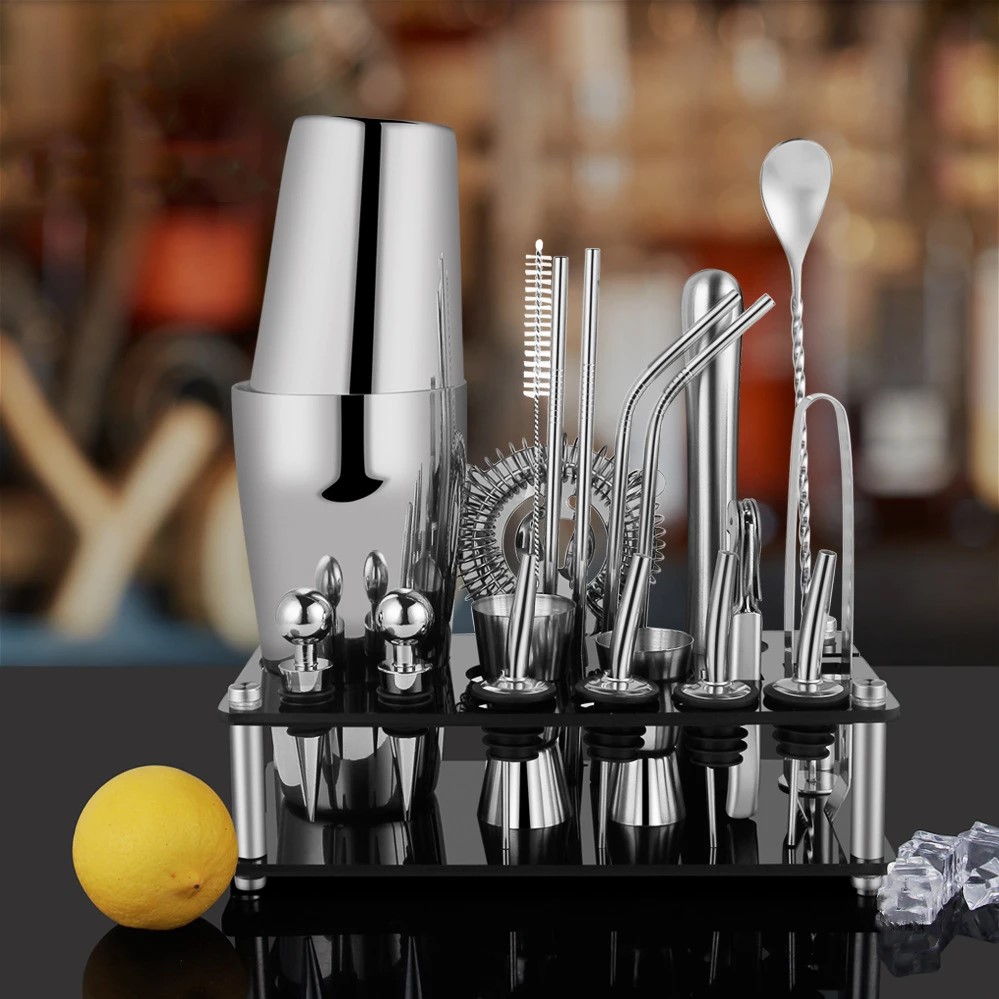
Home brewing and wine making have become increasingly popular hobbies, allowing enthusiasts to create their own beverages right in the comfort of their homes. This article explores the essential barware needed for these activities, providing insights into the tools, techniques, and tips for both beginners and seasoned brewers. The joy of crafting your own drinks not only brings satisfaction but also offers a unique opportunity to experiment with flavors and styles, making each batch a personal creation.
Table of Contents
Understanding Home Brewing and Wine Making
Home brewing refers to the process of making beer at home, while wine making involves fermenting grapes or other fruits to produce wine. Both activities require specific equipment and barware to ensure quality results. The right tools not only enhance the brewing experience but also contribute to the final product’s taste and presentation. Understanding the science behind fermentation and the art of flavor balancing is crucial for anyone looking to delve into these crafts. As you learn more about the processes involved, you will appreciate the nuances that can affect the outcome of your brews and wines.
The Importance of Barware in Brewing
Barware plays a crucial role in home brewing and wine making. It includes all the tools and equipment necessary for the fermentation, bottling, and serving processes. Using the right barware can significantly affect the quality of the beverage produced. High-quality barware not only ensures that the brewing process is efficient but also helps maintain the integrity of the flavors. Investing in good tools can lead to better fermentation control, which is essential for achieving the desired taste and aroma in your final product.
Essential Barware for Home Brewing
When it comes to home brewing, several key pieces of barware are essential. These tools help streamline the brewing process and ensure that the final product is of high quality. Each piece of equipment serves a specific purpose, and understanding how to use them effectively can greatly enhance your brewing experience.
Fermentation Vessels
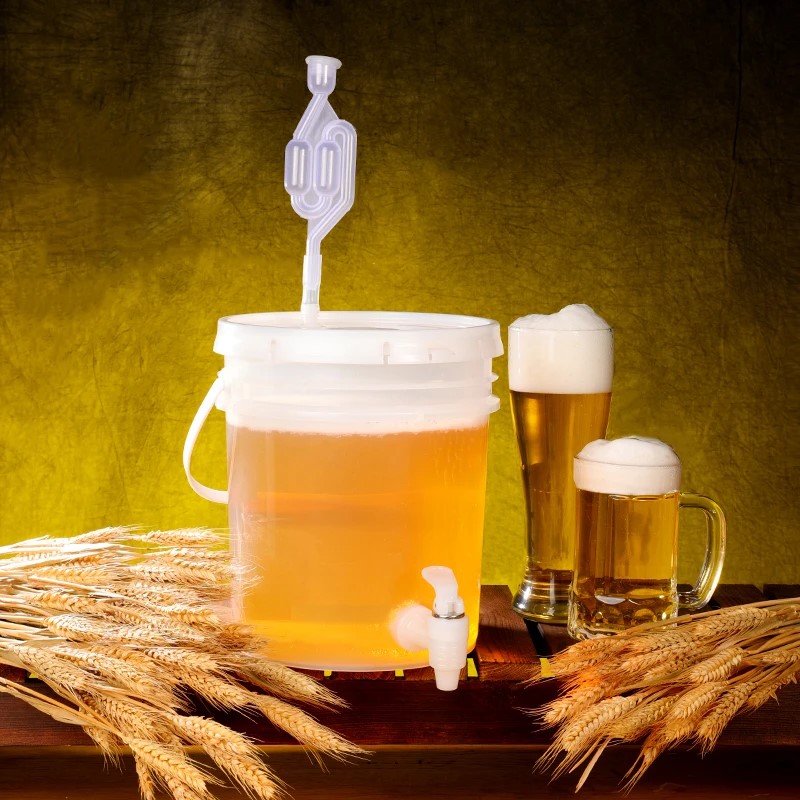
Fermentation vessels are crucial for both beer and wine making. They come in various sizes and materials, including glass carboys, plastic fermenters, and stainless steel tanks. Each type has its advantages. Glass carboys are non-reactive and allow for easy monitoring of the fermentation process, while plastic fermenters are lightweight and often come with built-in spigots for easy transfer. The choice of fermentation vessel can influence the flavor profile of the beverage, as different materials can interact with the brew in unique ways. For instance, stainless steel is often preferred for its durability and ease of cleaning, while glass is favored for its inert properties.
Airlocks and Bungs
Airlocks and bungs are essential for allowing gases to escape during fermentation while preventing contaminants from entering the vessel. They are simple yet vital components that help maintain the integrity of the brewing process. An airlock allows carbon dioxide produced during fermentation to escape without letting oxygen in, which can spoil the brew. Understanding how to properly install and maintain these components is key to successful fermentation. Regularly checking the airlock for proper function can prevent potential issues that could arise from pressure build-up or contamination.
Bottling Equipment
Once fermentation is complete, transferring the beverage into bottles is the next step. Bottling equipment includes siphons, bottle fillers, and caps. A good siphon allows for a smooth transfer without introducing oxygen, which can spoil the brew. Proper bottling techniques are essential for preserving the quality of the beverage. Using a bottle filler can help minimize spillage and ensure that each bottle is filled to the correct level, which is important for carbonation in beers and proper aging in wines.
Essential Barware for Wine Making
Wine making also requires specific barware to ensure a successful fermentation and aging process. The tools used in wine making can vary significantly from those used in beer brewing, reflecting the different techniques and requirements of each craft.
Wine Press
A wine press is used to extract juice from crushed grapes. This tool is essential for producing high-quality wine, as it allows for the efficient extraction of juice while minimizing the extraction of bitter tannins from the skins. The type of press used can affect the flavor and quality of the wine, with options ranging from traditional basket presses to modern hydraulic presses. Understanding the pressing process and how it impacts the final product is crucial for any aspiring winemaker.
Carboys and Demijohns
Similar to beer brewing, wine making requires fermentation vessels. Carboys and demijohns are commonly used for aging wine. They come in various sizes and are typically made of glass, which is ideal for long-term storage. The choice of vessel can influence the wine’s exposure to oxygen, which is a critical factor in the aging process. Using a glass carboy allows for better visibility of the fermentation process, enabling winemakers to monitor clarity and sediment levels.
Wine Bottles and Corks
Bottling wine requires specific bottles and corks. Wine bottles are designed to hold the beverage securely, while corks provide an airtight seal that allows the wine to age properly. It’s important to choose high-quality corks to prevent spoilage. The bottling process is also an opportunity to consider the presentation of the wine, as the choice of bottle shape and label can enhance the overall experience for those enjoying the wine.
Additional Barware for Enhancing the Brewing Experience
In addition to the essential tools, several other barware items can enhance the home brewing and wine making experience. These additional tools can help refine your techniques and improve the quality of your beverages.
Measuring Tools
Accurate measurements are crucial in brewing. Using measuring cups, spoons, and scales ensures that the right amounts of ingredients are used, leading to consistent results. Precision in measuring ingredients such as hops, malt, and yeast can significantly impact the flavor and alcohol content of the final product. Investing in a good set of measuring tools can help you replicate successful batches and experiment with new recipes.
Thermometers and Hydrometers
Temperature control is vital during fermentation. Thermometers help monitor the temperature of the brew, while hydrometers measure the specific gravity of the liquid, indicating the fermentation progress and potential alcohol content. Understanding how temperature fluctuations can affect fermentation rates is essential for achieving the desired results. Regularly checking the specific gravity with a hydrometer can help determine when fermentation is complete, allowing for timely bottling.
Glassware for Serving
Once the brewing process is complete, having the right glassware for serving is essential. Different types of beverages require specific glass shapes to enhance the drinking experience. For example, a tulip glass is ideal for serving ales, while a stemmed glass is perfect for wine. The right glassware not only enhances the aesthetic appeal but also influences the aroma and flavor perception of the beverage, making it an important consideration for any home brewer or winemaker.
Tips for Successful Home Brewing and Wine Making
To ensure a successful brewing experience, consider the following tips:
Start with a Kit
For beginners, starting with a home brewing or wine making kit can simplify the process. These kits typically include all the necessary equipment and ingredients, making it easier to get started. Many kits also come with detailed instructions, which can be invaluable for those new to the craft. As you gain confidence and experience, you can begin to experiment with your own recipes and techniques.
Maintain Cleanliness
Sanitation is critical in brewing. Always clean and sanitize all equipment before use to prevent contamination, which can spoil the final product. Developing a thorough cleaning routine can help ensure that your brewing environment is free from unwanted bacteria and wild yeast. Using a no-rinse sanitizer can save time and effort while providing peace of mind that your equipment is safe to use.
Experiment with Ingredients
Don’t be afraid to experiment with different ingredients. Adding unique flavors or using different types of hops or fruits can lead to exciting new brews. The world of home brewing and wine making is vast, and there are countless combinations to explore. Keeping notes on your experiments can help you refine your techniques and discover new favorites.
Keep Detailed Records
Keeping a brewing journal can help track the process and results. Documenting each batch allows for adjustments and improvements in future brews. Recording details such as ingredient amounts, fermentation times, and tasting notes can provide valuable insights into what works and what doesn’t. This practice can also help you replicate successful batches and avoid repeating mistakes.
Conclusion
Home brewing and wine making are rewarding hobbies that allow for creativity and experimentation. With the right barware and a commitment to quality, anyone can produce delicious beverages at home. Whether you are a novice or an experienced brewer, investing in quality tools and equipment will enhance your brewing experience and the quality of your final product. The satisfaction of sharing your homemade creations with friends and family adds an extra layer of enjoyment to the process, making it a fulfilling endeavor.
How to purchase:https://looperbuy.com/search?keywords=+Wine+Making
Frequently Asked Questions
1. What is the best barware for home brewing?
The best barware for home brewing includes fermentation vessels, airlocks, siphons, and bottling equipment. Each tool plays a vital role in the brewing process, ensuring that the final product is of high quality.
2. Can I use regular kitchen equipment for brewing?
While some kitchen equipment can be used, it is recommended to use dedicated brewing tools to ensure the best results and maintain sanitation. Specialized equipment is designed to handle the specific needs of brewing and can help prevent contamination.
3. How long does it take to brew beer at home?
The brewing process can take anywhere from a few weeks to several months, depending on the type of beer and fermentation process used. Factors such as fermentation temperature and yeast strain can also influence the timeline.
4. What are the common mistakes in home brewing?
Common mistakes include poor sanitation, incorrect measurements, and not monitoring fermentation temperatures. Keeping detailed records can help avoid these issues and improve the overall brewing process.
5. Is wine making more difficult than beer brewing?
Both processes have their challenges, but wine making often requires more patience due to the aging process. However, both can be enjoyable and rewarding hobbies, and the skills learned in one can often translate to the other.