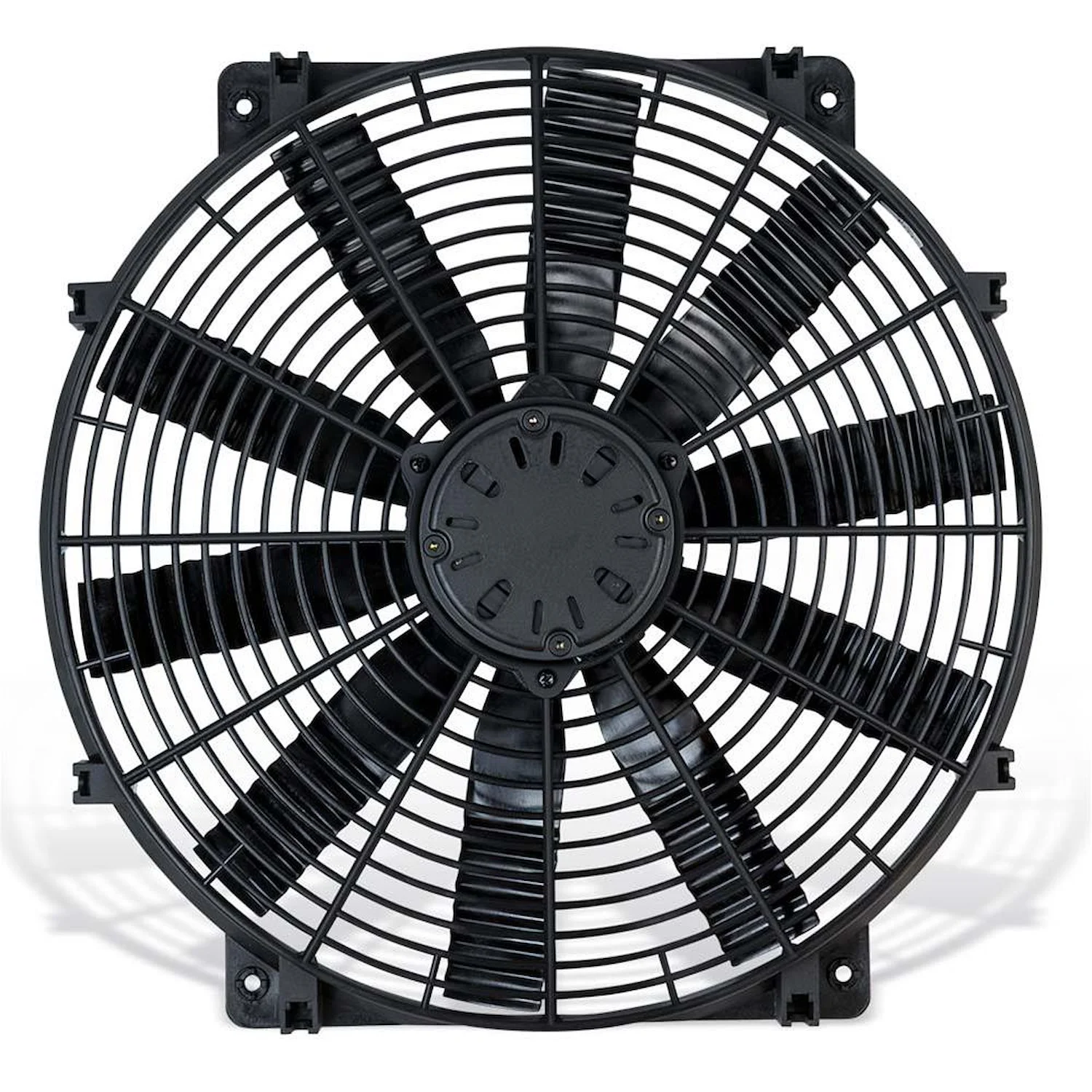
Electric fans for cars have become increasingly popular in recent years, primarily due to their ability to enhance vehicle performance and improve fuel efficiency. Unlike traditional mechanical fans, which are driven by the engine, electric fans operate independently, allowing for more efficient cooling and reduced energy consumption. This article explores the various ways electric fans contribute to better performance and fuel economy in vehicles, providing a comprehensive understanding of their benefits and functionalities.
Table of Contents
Understanding Electric Fans
Electric fans are designed to cool the engine and other components by drawing air through the radiator. They are activated based on the engine temperature, ensuring that the engine operates within its optimal temperature range. This is crucial for maintaining performance and efficiency. The ability to control the fan’s operation based on real-time temperature readings allows for a more responsive cooling system, which is essential in preventing overheating and ensuring that the engine runs smoothly under various driving conditions.
Advantages of Electric Fans
1. Reduced Engine Load: Traditional mechanical fans are always spinning when the engine is running, which can create unnecessary drag and reduce horsepower. Electric fans, on the other hand, only operate when needed, significantly reducing the load on the engine. This can lead to improved acceleration and overall performance. By minimizing the parasitic loss associated with mechanical fans, electric fans allow the engine to focus its power on driving the vehicle rather than on cooling itself.
2. Improved Fuel Efficiency: By reducing the engine load, electric fans can enhance fuel efficiency. Studies have shown that vehicles equipped with electric fans can achieve better miles per gallon (MPG) compared to those with mechanical fans. This is particularly noticeable during city driving and idling conditions, where mechanical fans would otherwise consume power continuously. The reduction in fuel consumption not only saves money for the driver but also contributes to a decrease in overall emissions, making electric fans an environmentally friendly choice.
3. Better Temperature Control: Electric fans provide more precise temperature control. They can be programmed to activate at specific temperatures, ensuring that the engine remains cool under various driving conditions. This is especially beneficial in stop-and-go traffic, where engine temperatures can rise quickly. The ability to maintain optimal engine temperatures helps prolong engine life and reduces the risk of overheating, which can lead to costly repairs.
4. Enhanced Air Conditioning Performance: Electric fans also improve the performance of the vehicle’s air conditioning system. By providing additional airflow through the condenser, electric fans help maintain optimal cooling performance, even at low speeds. This is particularly important during hot weather when the demand for air conditioning is high. With better airflow, the air conditioning system can operate more efficiently, providing a comfortable cabin environment without straining the engine.
5. Lightweight Design: Electric fans are generally lighter than their mechanical counterparts. This reduction in weight can contribute to overall vehicle weight savings, further enhancing fuel efficiency and performance. A lighter vehicle requires less energy to accelerate and maintain speed, which translates to better fuel economy. Additionally, the compact design of electric fans allows for more flexible installation options, making them suitable for a wide range of vehicles.
How Electric Fans Work
Electric fans are typically controlled by a thermostat that monitors the engine temperature. When the engine reaches a predetermined temperature, the thermostat signals the fan to turn on. This process ensures that the engine remains within its optimal operating temperature range, preventing overheating and potential damage. The integration of electronic controls allows for more sophisticated fan operation, including variable speed settings that can adjust the fan’s power based on cooling needs.
Types of Electric Fans
1. Puller Fans: These fans draw air through the radiator and are mounted on the engine side. They are commonly used in applications where space is limited. Puller fans are effective in creating a strong airflow that helps dissipate heat from the engine, making them ideal for high-performance applications.
2. Pusher Fans: Pusher fans are mounted in front of the radiator and push air through it. They are often used in conjunction with puller fans for enhanced cooling performance. Pusher fans are particularly useful in situations where additional airflow is needed, such as during heavy towing or in hot climates.
3. Dual Fans: Some vehicles utilize dual electric fans for maximum cooling efficiency. These systems can provide significant airflow, especially in high-performance applications. Dual fans can be configured to operate independently or together, allowing for optimal cooling under varying conditions.
Installation and Upgrades
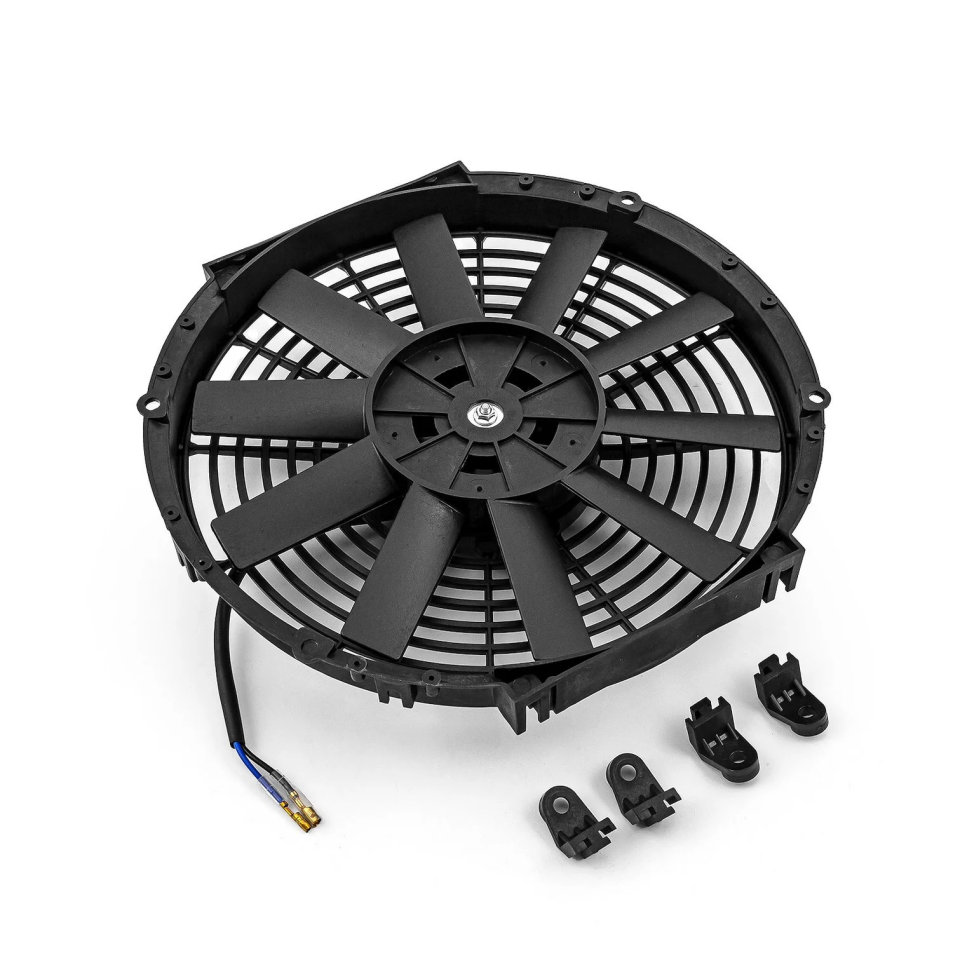
Upgrading to electric fans can be a straightforward process for many vehicles. However, it is essential to choose the right fan size and type for your specific application. Proper installation is crucial to ensure optimal performance and reliability. Many aftermarket electric fan kits are available, making it easier for car enthusiasts to enhance their vehicles’ cooling systems.
Considerations for Installation
– Fan Size: Ensure that the electric fan fits within the available space and provides adequate airflow for your engine’s cooling needs. A fan that is too small may not provide sufficient cooling, while one that is too large could create unnecessary drag.
– Wiring and Power Supply: Electric fans require a reliable power source. Ensure that the wiring is capable of handling the fan’s electrical load. It may be necessary to upgrade the vehicle’s electrical system to accommodate the new fan, especially in older models.
– Thermostat Control: Consider using a programmable thermostat for precise temperature control and fan operation. This allows for better management of engine temperatures and can improve overall efficiency.
Performance Benefits
The performance benefits of electric fans extend beyond just fuel efficiency. By reducing engine load and improving cooling efficiency, electric fans can enhance overall vehicle performance. This is particularly important for high-performance vehicles or those used in demanding driving conditions. Drivers often notice a more responsive throttle and improved acceleration after switching to electric fans, as the engine can devote more power to propulsion rather than cooling.
Real-World Performance Gains
Many drivers report noticeable improvements in acceleration and responsiveness after switching to electric fans. The reduction in engine load allows for more power to be directed toward propulsion rather than cooling, resulting in a more dynamic driving experience. Additionally, the enhanced cooling capabilities of electric fans can lead to more consistent performance during extended periods of high demand, such as during towing or racing.
Environmental Impact
Improved fuel efficiency not only benefits the driver’s wallet but also has a positive impact on the environment. By reducing fuel consumption, electric fans contribute to lower greenhouse gas emissions. This is an essential consideration for environmentally conscious consumers looking to reduce their carbon footprint. As more drivers become aware of the environmental implications of their vehicle choices, the demand for efficient technologies like electric fans is likely to grow.
Conclusion
Electric fans for cars offer a multitude of benefits, including enhanced performance, improved fuel efficiency, and better temperature control. As automotive technology continues to evolve, the adoption of electric fans is likely to increase, providing drivers with a more efficient and enjoyable driving experience. Whether you are looking to upgrade your vehicle or simply want to understand the benefits of electric fans, it is clear that they play a crucial role in modern automotive design. The shift towards electric fans represents a significant advancement in vehicle cooling technology, aligning with the industry’s broader goals of efficiency and sustainability.
How to purchase:https://looperbuy.com/search?keywords=electric+fans+for+cars
Frequently Asked Questions
1. What are the main benefits of electric fans for cars?
Electric fans reduce engine load, improve fuel efficiency, provide better temperature control, enhance air conditioning performance, and are generally lighter than mechanical fans.
2. How do electric fans improve fuel efficiency?
By operating only when needed, electric fans reduce the load on the engine, allowing it to use less fuel, especially during idling and low-speed conditions.
3. Can I install electric fans in any vehicle?
Most vehicles can be upgraded to electric fans, but it is essential to choose the right size and type for your specific application and ensure proper installation.
4. What types of electric fans are available?
The main types are puller fans, which draw air through the radiator, and pusher fans, which push air through the radiator. Dual fans can also be used for enhanced cooling.
5. Do electric fans have any environmental benefits?
Yes, by improving fuel efficiency, electric fans help reduce fuel consumption and lower greenhouse gas emissions, contributing to a smaller carbon footprint.