B2B marketplaces are reshaping how global companies source products and manage supply chains. This guide explains modern marketplace models, key features buyers and sellers need, and how China sourcing platforms like Looperbuy help reduce risk, cost, and inventory pressure.
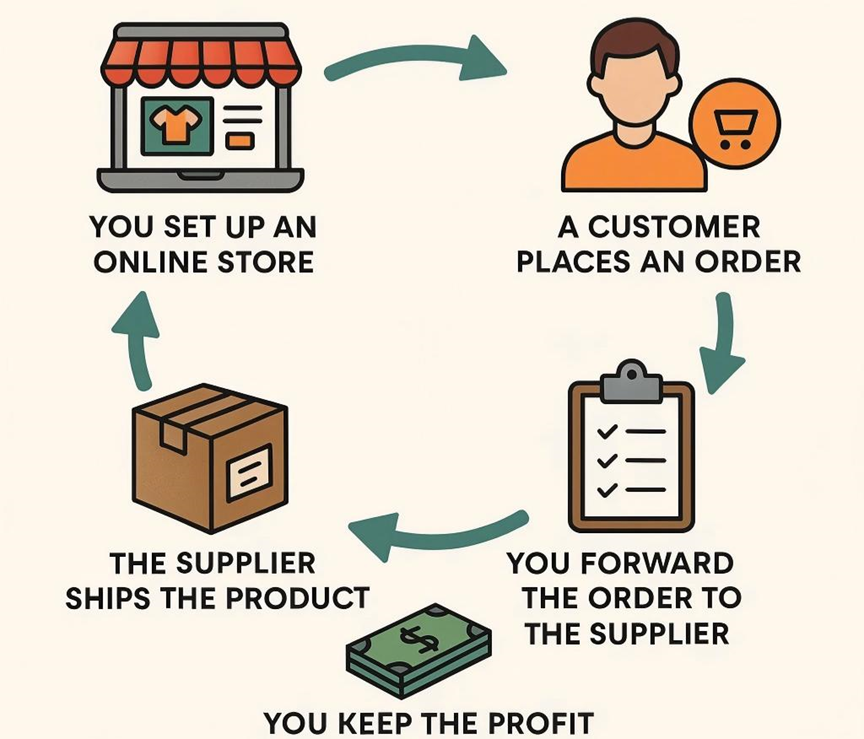
Table of Contents
What Is a B2B Marketplace Today?
A B2B marketplace is a digital platform where businesses buy and sell products or services to each other under a multi‑vendor model. Unlike a single‑brand web store, it connects an ecosystem of marketplace operators, sellers, and business buyers who negotiate, transact, and manage orders in one shared environment.
In practice, that means a B2B buyer can compare multiple suppliers, request quotes, place bulk orders, and track logistics from a single interface instead of managing dozens of disconnected relationships. For B2B sellers, the marketplace becomes both a sales channel and an operations hub, covering catalog publishing, inventory, pricing, and order fulfillment.
B2B Marketplace vs Other Digital Models
B2B marketplaces are often confused with other digital commerce setups, but their scope and purpose are different.
B2B Marketplace vs Enterprise Marketplace
A B2B marketplace is typically a shared, multi‑vendor environment run by an independent operator that connects many sellers and many buyers across industries or verticals. By contrast, an enterprise marketplace is usually owned by a single large company and used to orchestrate its own suppliers, partners, and customers, primarily to optimize internal procurement and after‑sales processes rather than create an open trading venue. [sherocommerce]
B2B Marketplace vs B2B Platform
A B2B marketplace is a specific business model that sits on top of a tech stack and focuses on enabling multi‑vendor transactions, onboarding external sellers, and managing commissions and fees. A B2B platform is the broader technology foundation that can power marketplaces, customer portals, vendor dashboards, and other digital experiences, often integrating ERP, CRM, and logistics systems under one roof. [sherocommerce]
B2B vs B2C Marketplaces: Why It Matters for Buyers
Although B2B and B2C marketplaces look similar on the surface, their economics and decision dynamics are very different. B2C marketplaces optimize for impulse‑friendly, one‑click experiences where a single consumer makes a fast decision based on price, reviews, and branding. [sherocommerce]
In B2B, purchases are larger, contract‑based, and often involve committees, compliance checks, and negotiated terms rather than a simple “add to cart.” Decision makers care about unit economics, long‑term reliability, service levels, and integration with internal processes such as ERP and inventory planning. For serious B2B buyers, that makes marketplace capabilities like bulk ordering, flexible payment terms, documentation, and logistics visibility non‑negotiable. [sherocommerce]
Core Types of B2B Marketplaces
Modern B2B marketplaces can be grouped into several primary models.
– Service marketplaces – focused on expert services such as logistics, IT, or consulting, streamlining supplier discovery and contract management. [sherocommerce]
– Procurement marketplaces – designed for structured sourcing, approvals, and spend control across categories and suppliers. [sherocommerce]
– Circular marketplaces – built around reuse and resale, supporting sustainability and asset recovery. [sherocommerce]
– Group purchasing marketplaces – aggregating demand from multiple buyers to negotiate better pricing and terms.
– Retail and hybrid marketplaces – serving both businesses and consumers with overlapping product catalogs and fulfillment models. [sherocommerce]
Within these models you also see horizontal marketplaces (broad category coverage) and vertical marketplaces that go deep into a single industry such as chemicals, industrial parts, or construction materials.
Global B2B Marketplace Growth and Trends in 2026
Global B2B e‑commerce has reached multi‑trillion‑dollar scale and continues to grow at double‑digit rates as traditional procurement moves online. Recent research indicates that the worldwide B2B e‑commerce market was estimated at over 12 trillion USD in 2024 and is projected to surpass 36 trillion USD by 2026, driven largely by heavy industries and complex supply chains embracing digital tools. [globenewswire]
Asia‑Pacific has emerged as the dominant region, accounting for the majority of global B2B online GMV, with China representing a particularly large share thanks to its manufacturing base and dense supplier networks. At the same time, Europe has seen a surge in marketplace creation, growing from around 20 B2B marketplaces in 2010 to more than 300 by 2024 and attracting billions in venture funding for specialized platforms. [globenewswire]
How B2B Marketplaces Make Money
Because marketplace operators sit between buyers and sellers, they have several monetization levers.
Common revenue models include:
1. Transaction fees – taking a percentage or flat fee per successful order, often tiered by category or volume. [sherocommerce]
2. Subscriptions and memberships – charging predictable recurring fees for access to advanced features, analytics, or preferred support.
3. Listing fees – collecting fixed charges for product listings or premium placements. [sherocommerce]
4. Lead fees – particularly in service marketplaces, charging when a seller receives a qualified lead or wins a project.
5. Value‑added services and advertising – monetizing logistics, financing, insurance, consulting, and sponsored listings. [sherocommerce]
The right mix depends on category margins, buyer expectations, and how much value the marketplace contributes to the transaction beyond simple lead generation.
Key Features Buyers Expect from a Modern B2B Marketplace
From a practitioner’s perspective, B2B buyers in 2026 expect marketplaces to behave like high‑performance procurement tools, not just catalogs.
Essential buyer‑side capabilities include:
– Advanced search and filtering across specifications, certifications, and logistics options, often enhanced by AI for relevance and recommendations. [sherocommerce]
– Bulk order workflows with quotes, negotiated discounts, and order templates for recurring purchases. [sherocommerce]
– Transparent inventory and lead times so planners can avoid stockouts and over‑ordering. [sherocommerce]
– Logistics and freight tools covering multi‑carrier shipping, consolidation, and tracking.
– Analytics and reporting that surface spend, supplier performance, and category insights.
When these features are implemented well, buyers can consolidate vendors, reduce manual paperwork, and manage risk more proactively.
What Sellers Need from B2B Marketplaces
For sellers, the marketplace is both a sales channel and an operations backbone.
Important seller‑side features include:
– Rich product content management with technical specs, compliance documents, and variants. [sherocommerce]
– Dynamic and tiered pricing that reflects volume breaks, contracts, and customer‑specific arrangements.
– Inventory and order management tools to keep availability accurate and avoid fulfillment failures. [sherocommerce]
– Built‑in marketing levers such as sponsored placements and targeted promotions to drive visibility.
– Secure communication channels for complex negotiations, document sharing, and after‑sales support. [sherocommerce]
When the marketplace supports these requirements, suppliers can enter new markets faster while keeping operational complexity manageable. [sherocommerce]
Common Challenges When Building B2B Marketplaces
Launching and scaling a B2B marketplace is not just a technology project; it’s a long‑term operating model shift.
The most frequent challenges include:
– Technology integration – aligning with ERPs, CRMs, and existing systems to ensure data quality, security, and real‑time inventory.
– Payment and financing complexity – handling large order values, credit terms, and cross‑border regulations.
– Change management – persuading traditional buyers and suppliers to move from manual to digital workflows.
– Skills gaps – building teams that understand both digital product and industrial or wholesale categories.
– Supplier maturity and curation – ensuring new sellers meet quality, compliance, and service standards. [sherocommerce]
Addressing these early—through clear governance, onboarding programs, and transparent policies—saves significant rework later. [sherocommerce]
Why Specialized China Sourcing Platforms Are Winning
As cross‑border trade accelerates, specialized China sourcing marketplaces have become a critical category within the broader B2B landscape. These platforms focus on bridging international buyers with Chinese factories and wholesalers, taking friction out of sourcing, quality control, and logistics. [looperbuy]
Looperbuy is an example of this new generation of specialized platforms. It combines product discovery across high‑demand categories with services such as supplier verification, basic quality inspections, flexible warehousing, and end‑to‑end international shipping, so buyers can focus on merchandising and growth instead of operational firefighting. [looperbuy]
How Looperbuy Helps B2B Buyers Reduce Risk and Cost
From the perspective of global B2B sellers, capital efficiency and risk control are now as important as finding the right product. Looperbuy’s model is built around exactly those constraints.
Key buyer benefits include:
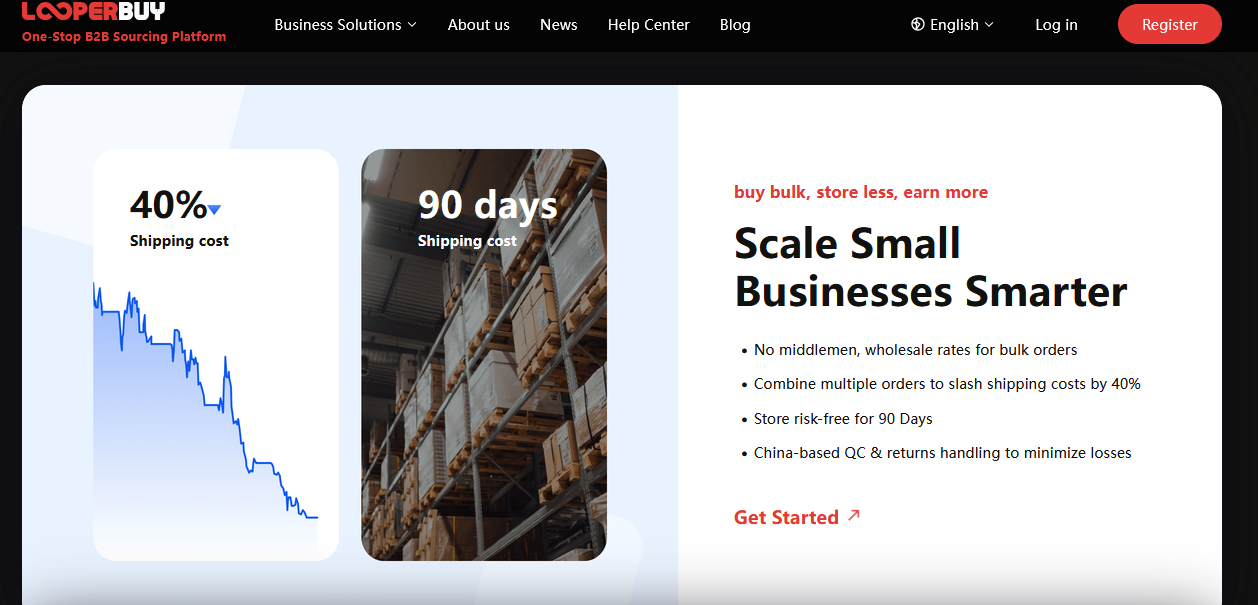
– $0 upfront and low MOQ – allowing new or testing‑phase businesses to start with minimal capital tied up in stock while still accessing wholesale‑level pricing.
– Free warehousing for up to 90 days – which reduces storage costs and lets buyers batch imports or shipments based on real demand rather than forecasts.
– Basic quality inspections and real‑photo checks – so merchants can spot issues before goods move internationally, reducing returns and reputational risk.
– Combined shipping and smart consolidation – enabling multiple orders to be bundled to cut shipping costs significantly.
For buyers operating on marketplaces or regional platforms such as Mercado Libre, Walmart, or other e‑commerce channels, Looperbuy’s integrations and smart ordering tools help keep operations synchronized across multiple sales fronts.
From Horizontal Chaos to Vertical Clarity
Traditional horizontal B2B marketplaces offer massive product choice but often leave buyers to solve category‑specific challenges like compliance, branding, or packaging on their own. Specialized procurement platforms, by contrast, narrow their focus and go deeper into a specific value chain, providing category expertise, tighter supplier curation, and tailored workflows. [blog.looperbuy]
Looperbuy follows this vertical logic in the context of China sourcing. Instead of simply listing suppliers, it offers OEM/ODM development support, branding and packaging services, and compliance guidance for markets such as the US and EU, effectively acting as an extended sourcing and product development team for global merchants. [blog.looperbuy]
Practical Steps to Build a Lean, Marketplace‑Driven Supply Chain with Looperbuy
From an operator’s standpoint, the most powerful use case for Looperbuy is building a lean, test‑and‑scale supply chain without heavy upfront commitments.
A typical step‑by‑step approach could look like this:
1. Validate demand with low‑risk listings
Start by listing a curated set of SKUs on your sales channels and use Looperbuy’s low MOQ and $0 upfront structure to avoid over‑stocking while you gather real conversion and margin data.
2. Use inspections and photos before scaling orders
Once a SKU shows promise, leverage Looperbuy’s photo‑based checks and basic quality controls before committing to larger production runs.
3. Switch winning SKUs to bulk orders with storage
For products with proven sell‑through, consolidate larger production batches and store them in Looperbuy’s warehouses for up to 90 days, allowing you to ship in waves and reduce per‑unit logistics costs.
4. Optimize logistics routes by mixing China stock and overseas stock
Combine “China direct” factory supply for maximum margin with “overseas stock” for urgent replenishment so that you can balance speed and cost based on demand spikes.
5. Layer on OEM/ODM and branding once the portfolio is stable
After you’ve validated categories and suppliers, work with Looperbuy’s OEM/ODM services for custom designs, packaging, and differentiation, turning proven products into defensible branded lines.
Following this path, B2B marketplace sellers can grow from experimental dropshipping to a more robust, asset‑light global sourcing model without losing the agility that made them competitive in the first place.
If you are a global B2B seller, brand owner, or distributor struggling with inventory risk, unreliable suppliers, or complex cross‑border logistics, the next logical step is to test a specialized sourcing platform in parallel with your existing processes.
Start by selecting a small set of products, validate them through a platform like Looperbuy using low‑risk MOQs and warehouse storage, and then scale only what the data supports—turning your marketplace strategy into a predictable, capital‑efficient growth engine.
Frequently Asked Questions
1. What is the main advantage of a B2B marketplace over traditional procurement?
A B2B marketplace centralizes supplier discovery, negotiations, ordering, and logistics in one place, which reduces manual work, improves transparency, and often unlocks better pricing through competition and scale. [sherocommerce]
2. How does a China‑focused platform like Looperbuy differ from global marketplaces?
Looperbuy combines sourcing, inspections, warehousing, and international shipping specifically for Chinese suppliers, so buyers get category depth and operational support rather than just listings and basic payments. [looperbuy]
3. Can small B2B buyers benefit from these platforms, or are they only for large enterprises?
Small and mid‑sized buyers can benefit significantly from low MOQs, $0 upfront models, and shared infrastructure, gaining access to capabilities—like inspections and consolidation—that would be too costly to build alone. [looperbuy]
4. What risks should buyers still manage themselves?
Buyers still need to manage regulatory compliance in destination markets, branding and positioning, and financial planning around FX, taxes, and payment terms, even when the sourcing workflow is streamlined by a marketplace. [globenewswire]
5. How long does it usually take to see results from using a specialized sourcing platform?
Most businesses begin seeing measurable improvements in margin, stock‑out rates, or working capital within a few ordering cycles, once initial test products have moved from listing to repeat orders. [blog.looperbuy]
References
1. Virto Commerce, “B2B Marketplace: A Complete 2025 Guide—Theory, Practices, and Real‑World Examples.”[sherocommerce]
2. Astute Analytica via GlobeNewswire, “B2B E‑commerce Market: Global Strategic Business Report 2026.”[globenewswire]
3. Looperbuy, “B2B China Sourcing Platform & Dropshipping Solutions.”[looperbuy]
4. Looperbuy Blog, “From Horizontal Chaos to Vertical Clarity: How B2B Buyers Win with Specialized Procurement Platforms like Looperbuy.”[blog.looperbuy]
5. Shero Commerce, “The Complete Guide to B2B eCommerce Best Practices .”[sherocommerce]