Learn how API-based digital commerce helps B2B sellers connect China sourcing, product data, inventory, order processing, dropshipping, and global shipping. Discover a practical roadmap for building a more accurate, scalable, and customer-friendly fulfillment operation with Looperbuy.
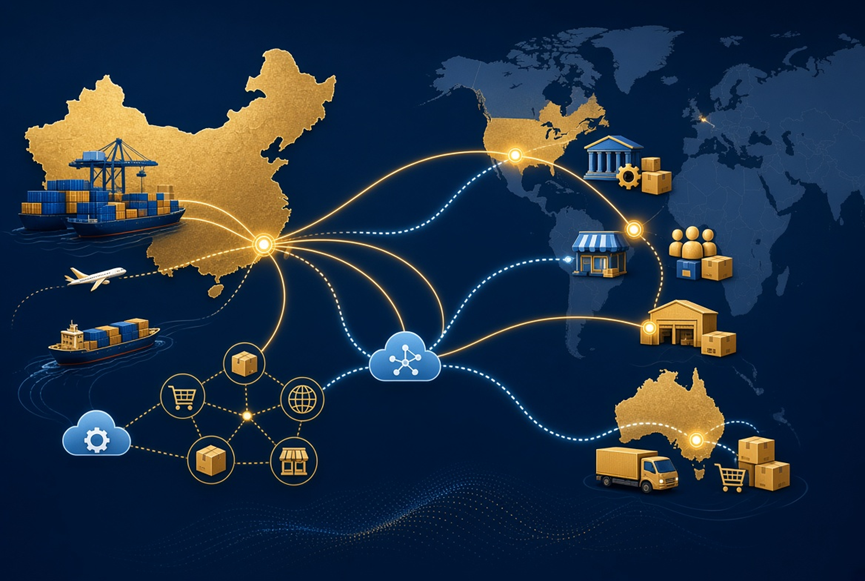
For global B2B sellers, buying products from China is no longer only about finding a competitive factory price. The real challenge is managing product information, inventory visibility, order processing, payments, fulfillment, and international shipping without creating an expensive manual operation.
API-based digital commerce helps solve this problem. It allows separate business systems—such as an online store, sourcing platform, inventory tool, order management system, payment provider, and shipping carrier—to exchange data automatically. For sellers using China sourcing and dropshipping services, this can reduce repetitive work, improve order accuracy, and create a more reliable customer experience.
At Looperbuy, we see this shift clearly: successful B2B sellers increasingly want a connected operating model rather than a collection of disconnected tools. They need a way to source products from China, list them across sales channels, send orders for fulfillment, and keep customers informed without holding excessive stock or managing every shipping task manually.
Table of Contents
What Is API-Based Digital Commerce?
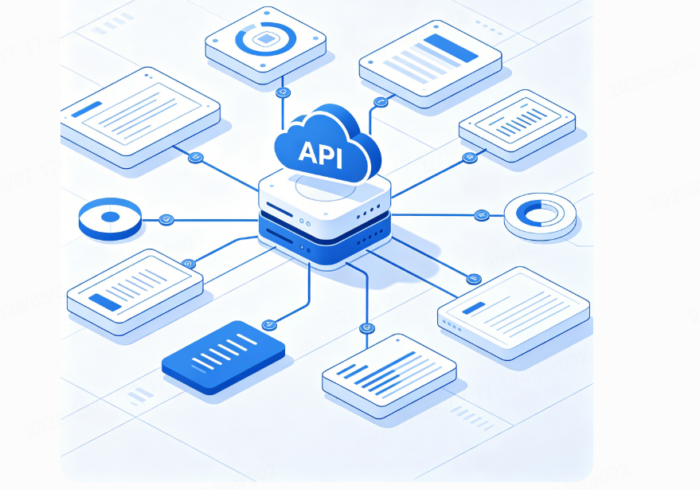
An API, or Application Programming Interface, is a structured way for two software applications to communicate. It lets one system request information or trigger an action in another system.
For example, when a customer buys a product in your Shopify, WooCommerce, Amazon, or custom B2B store, an API connection can pass essential order information to your sourcing or fulfillment workflow. That workflow can then confirm inventory, prepare the order, generate shipping details, and return tracking information to the original sales channel.
In practical terms, APIs act like digital connectors between business tools.
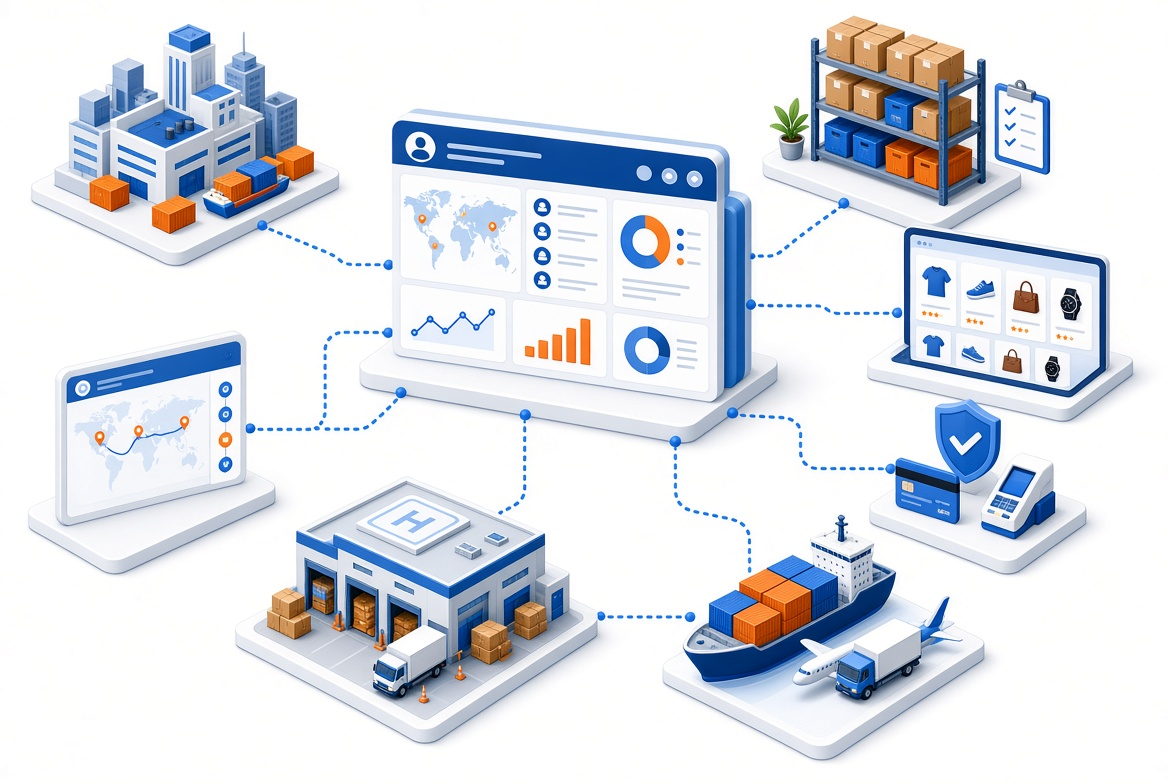
A modern commerce operation may use APIs to connect:
– Product catalogs and product information management systems
– Online stores and B2B customer portals
– Inventory and warehouse management tools
– Order management systems
– Payment gateways
– Supplier, sourcing, and dropshipping workflows
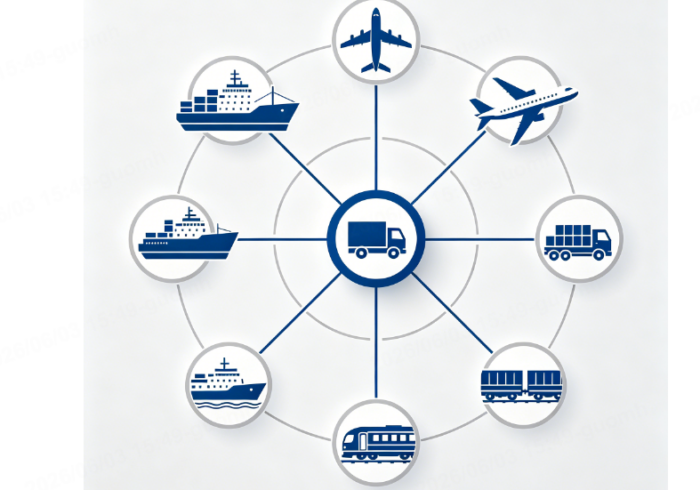
– Shipping carriers and tracking systems
– CRM, marketing, and customer-service platforms
Without these connections, teams often need to copy information manually between spreadsheets, supplier dashboards, store back ends, and shipping platforms. That process is slow, difficult to scale, and highly vulnerable to mistakes.
Why API Integration Matters for B2B Sourcing and Dropshipping
B2B commerce has more moving parts than a typical direct-to-consumer store. A seller may manage wholesale prices, minimum order quantities, multiple product variants, country-specific shipping options, customer-specific catalogs, and orders across several sales channels.
When information moves manually, small inconsistencies become costly problems.
For example, a product may appear available in an online store after the supplier has run out of stock. A customer may place an order based on an outdated price. Or an order may be dispatched correctly, but the tracking number is not sent back to the storefront in time.
API-based commerce helps businesses replace these disconnected steps with a synchronized flow of data.
| Business Area | Manual Workflow Risk | API-Based Workflow Benefit |
| Product listings | Incorrect titles, images, variants, or specifications | Product data can be pushed to sales channels consistently |
| Inventory | Overselling or unnecessary stock buffers | Inventory signals can be updated more frequently |
| Orders | Re-keying errors and delayed processing | Order details can flow into fulfillment workflows automatically |
| Shipping | Customers must ask for tracking updates | Tracking can return to the original storefront |
| Pricing | Outdated costs or inconsistent margins | Rules can support more timely pricing updates |
| Customer support | Teams search across multiple systems | Order status becomes easier to locate and communicate |
For a global seller sourcing from China, the goal is not to automate every decision blindly. The goal is to remove repetitive administration while retaining human control over supplier selection, quality requirements, margins, and customer commitments.
How an API-Based Sourcing Workflow Works
A well-designed integration creates a predictable data path from product discovery to delivery. The exact setup depends on a business’s platform and operational model, but the core workflow is often similar.
1. Product Data Moves Into Your Sales Channel
Your product catalog includes more than a product name and image. For B2B buyers, it may include:
– Material, dimensions, weight, and technical specifications
– Product variations, colors, packaging options, and private-label choices
– Minimum order quantities and lead times
– Compliance documents or certifications
– Wholesale tiers and customer-specific pricing
– Shipping restrictions by country
A product-data connection helps ensure that the same approved information is used across relevant sales channels. This is especially useful when sellers handle large catalogs or source from multiple product categories.
2. Customer Orders Trigger Fulfillment Actions
When a buyer submits an order, the order data can be transferred into an order-management or sourcing workflow. That data may include the SKU, quantity, delivery address, chosen shipping method, payment status, and buyer notes.
The sourcing or fulfillment team can then review the order, validate supply, arrange product preparation, and coordinate dispatch.
This is particularly valuable for dropshipping. Instead of holding stock in advance, sellers can use confirmed customer demand to initiate fulfillment. The business can therefore reduce capital tied up in inventory and avoid managing every warehouse and shipping step independently.
3. Shipping Updates Return to the Storefront
Customers do not only evaluate a purchase based on the checkout experience. They also judge the business by what happens after the order is placed.
Shipping APIs can support:
– Carrier and service selection
– Shipping-rate calculations
– Label generation
– Dispatch notifications
– Tracking-number updates
– Delivery-status visibility
A connected shipping workflow helps both the seller and customer follow the parcel journey. It also gives support teams a faster way to answer “Where is my order?” questions.
E-commerce API integrations commonly connect stores with order-management systems, warehouse-management systems, payment services, product-information tools, and shipping providers. These connections support real-time product, stock, order, and tracking updates.
The Business Benefits of API-Based Digital Commerce
The value of an API-based approach is not simply technical convenience. It can improve how a B2B business controls cost, makes decisions, and serves international customers.
Faster Operations With Fewer Manual Tasks
Manual order entry and spreadsheet-based fulfillment may work when a business receives a small number of orders. As volumes grow, however, repetitive tasks consume staff time and make mistakes more likely.
Automation can reduce the time spent on:
– Copying order information
– Updating order statuses
– Confirming shipment details
– Matching product records across platforms
– Checking whether information changed in another system
Your team can then focus more attention on supplier communication, product selection, quality control, pricing strategy, and customer relationships.
More Accurate Product and Inventory Information
Accurate product availability matters because it shapes customer trust. If buyers repeatedly find that listed products cannot be supplied, the seller’s reputation suffers.
A connected workflow can make it easier to update product status, availability, and shipping information. It does not eliminate the need for verification—supplier inventory can change quickly—but it creates a stronger operational foundation than relying on delayed manual updates.
Better Customer Experience Across Channels
Today’s buyers may discover products through a marketplace, place orders on a store, receive updates by email, and contact support through chat. They expect the information to remain consistent at each point.
An API-based architecture can support a unified experience across web stores, mobile interfaces, marketplaces, CRM tools, and fulfillment services. This is particularly important for sellers who want to expand into new regions without rebuilding their complete commerce operation.
Flexible Growth Without Replacing Everything
A traditional all-in-one system can become restrictive when a company wants to change one component. For example, replacing a shipping solution, launching a new storefront, or connecting a specialized product-information system may require major development work.
API-based commerce is more modular. Businesses can add, upgrade, or replace specific tools while preserving the functions that already work well.
This model is closely related to composable commerce and MACH architecture: microservices-based, API-first, cloud-native, and headless systems. In a headless setup, the customer-facing storefront is separated from the commerce back end, allowing businesses to improve user experiences without disrupting core operations.
A Practical API Roadmap for B2B Sellers
Moving toward connected commerce does not require replacing every system at once. In fact, a phased approach is usually safer.
Step 1: Map Your Existing Order Journey
Start by documenting what happens from product sourcing to final delivery.
Ask practical questions:
– Where is product data stored?
– How are new products added to your store?
– How are inventory updates received and verified?
– Which system receives the customer order first?
– Who sends the order to the supplier or fulfillment team?
– How is tracking information returned to the customer?
– Where do delays, duplicate entries, or errors occur?
This mapping exercise identifies the best starting point for automation.
Step 2: Prioritize One High-Impact Connection
Do not begin with the most sensitive or complex workflow unless it is essential. Payment and checkout systems, for example, can involve several dependencies and risk controls.
A better early project may be:
– Syncing product data from a sourcing workflow to a store
– Sending paid orders automatically to a fulfillment dashboard
– Returning tracking details to the storefront
– Connecting product inquiry forms to a CRM
Choose a workflow that has a clear business impact, manageable complexity, and measurable outcome.
Step 3: Define Data Standards Before Integration
Integration problems are often data problems in disguise.
Before connecting systems, standardize important fields such as:
– SKU and product identifiers
– Product titles and variant naming
– Unit measures and dimensions
– Currency and pricing rules
– Customer addresses and phone-number formats
– Order-status definitions
– Shipping-service names
For instance, one platform may label an order “fulfilled” when it leaves the warehouse, while another may use “shipped.” Defining these meanings in advance prevents confusion later.
Step 4: Test for Exceptions, Not Only Success Cases
A workflow that works for a normal order may fail when something unusual happens. Test scenarios should include canceled orders, out-of-stock items, address corrections, partial shipments, duplicate submissions, and carrier delays.
A reliable integration needs clear fallback procedures. If an automated transfer fails, the responsible team should know who receives the alert, how the order is recovered, and how the customer is informed.
Step 5: Measure Commercial Results
Track whether the integration improves real business outcomes. Useful indicators include:
– Order-processing time
– Manual touches per order
– Order-error rate
– Overselling incidents
– Time from dispatch to tracking update
– Customer-support requests about order status
– Cost per fulfilled order
This helps turn technical activity into a measurable business improvement program.
Security and Control Must Be Built In
Connecting systems also means sharing data. A B2B seller may handle customer contact details, delivery addresses, order histories, pricing data, and commercial information.
A responsible API strategy should include:
– Role-based access controls
– Secure authentication methods
– Encrypted data transmission
– Limited data permissions for each connection
– Logging and monitoring of key actions
– Regular testing and updates
– Clear procedures for revoked access
Reliable providers, secure protocols, access controls, ongoing maintenance, and regular testing are important parts of managing commerce API integrations safely.
Automation should also preserve human oversight. High-value orders, unusual payment patterns, custom branding requests, or large quantity changes may require manual review even in a highly connected workflow.
A Real-World Example of Connected Commerce
A useful illustration comes from Cartamundi, a global manufacturer of playing cards and board games. Its headless commerce implementation used API capabilities to connect services while separating the storefront from core commerce functions.
According to VTEX, the company launched its new website in five months and reported a 9% conversion increase after launch. The lesson is not that every B2B seller should copy the same platform or expect identical results. Instead, it shows how a modular API approach can help businesses update customer-facing experiences without destabilizing back-end operations.
For a smaller or mid-sized business, the equivalent may be much simpler: connect a product catalog, automate order transfer, and return shipment tracking. These focused improvements can deliver practical value before a company invests in a broader commerce transformation.
Build a More Connected Sourcing Operation With Looperbuy
For global B2B sellers, a connected commerce model can turn China sourcing and dropshipping from a manual coordination challenge into a more scalable operation.
Looperbuy helps businesses source Chinese products and manage fulfillment without requiring sellers to carry unnecessary inventory, maintain their own warehouse network, or coordinate every shipping step themselves. The strongest results come when sourcing, product management, sales channels, and fulfillment processes are designed to work together.
Ready to simplify your China sourcing and order-fulfillment workflow? Explore how Looperbuy can support a more flexible B2B purchasing and dropshipping operation.
FAQ
1. What is an API in e-commerce?
An API is a connection that allows different software systems to exchange information and trigger actions. In e-commerce, it can connect a storefront with inventory tools, payment gateways, product databases, shipping carriers, and order-management systems.
2. How can APIs help a dropshipping business?
APIs can reduce manual work by transferring order details from a sales channel to a fulfillment workflow and returning tracking information to customers. They can also help sellers manage product data and availability across multiple channels.
3. Do I need a custom website to use API-based commerce?
Not necessarily. Many e-commerce platforms, marketplaces, inventory tools, and fulfillment providers offer existing integrations or APIs. The right approach depends on your platform, technical resources, order volume, and operational priorities.
4. Can API integration reduce inventory risk?
It can help reduce risk by improving visibility into product availability and supporting a dropshipping or made-to-order model. However, sellers should still verify supplier capacity, lead times, and product quality before making customer commitments.
5. Which systems should a B2B seller connect first?
For many businesses, the best starting point is a high-volume manual task with a clear impact, such as product-data synchronization, order transfer, inventory updates, or shipment-tracking updates.
6. Is API-based digital commerce secure?
It can be secure when businesses use trusted providers, encrypted connections, controlled access permissions, secure authentication, monitoring, and regular maintenance. Security should be part of the integration plan from the beginning.
References
1. Virto Commerce. “[How do API-based digital commerce systems work?]” Explains API-based digital commerce, including catalog, search, shipping, and social integrations.
2. VTEX. “[How API Integration Drives Ecommerce Growth]” Covers commerce-system integrations, security considerations, implementation practices, and case examples including Cartamundi.
3. Univio. “[E-commerce API: Unleashing the Full Potential of Online Business]” Details API use cases for payment, PIM, CMS, OMS, WMS, shipping, and MACH-based commerce architecture.
4. BigCommerce. “[Top Ecommerce Trends to Watch in 2026]” Discusses headless and API-driven commerce, AI, flexible payments, personalization, and other digital-commerce trends.
5. Salesforce Developers. “[Digital Commerce APIs]” Provides an overview of digital commerce APIs for self-service digital customer journeys.