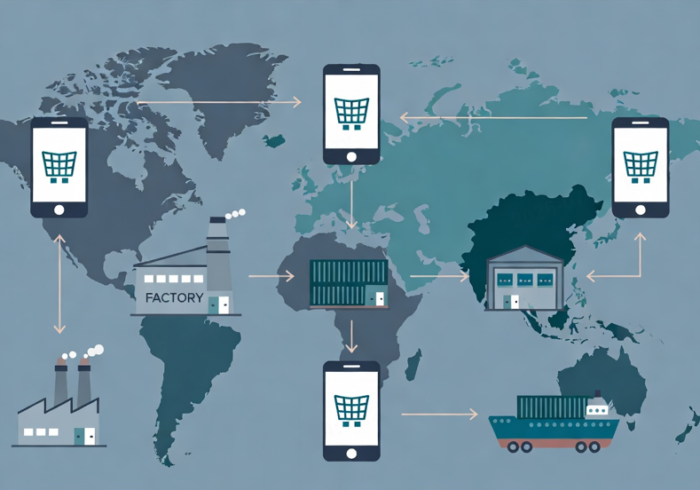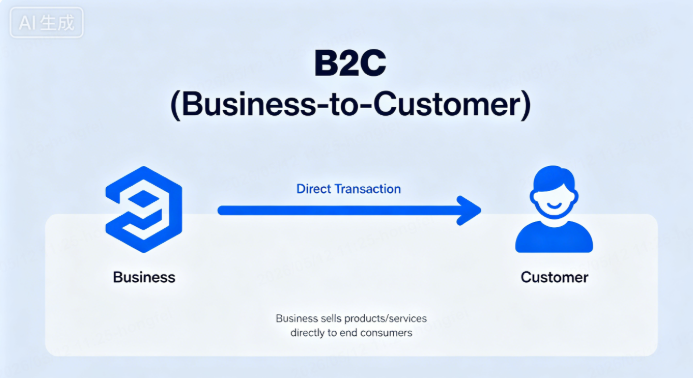
In today’s hyper-competitive digital marketplace, the speed and accuracy of inventory data are no longer optional—they are the backbone of customer trust. Whether you are a B2C business to customer retailer or a large-scale B2B wholesaler, the inability to provide accurate, real-time stock availability can lead to immediate revenue loss and long-term brand damage.
As experts in global sourcing and ecommerce infrastructure, we understand that modern commerce requires more than just a website; it demands a unified view of inventory across every touchpoint. This article explores why real-time inventory management is the third most critical factor in conversion growth, following user experience and page speed, and how you can modernize your architecture to meet the high expectations of today’s buyers.
Table of Contents
The Critical Role of Real-Time Inventory
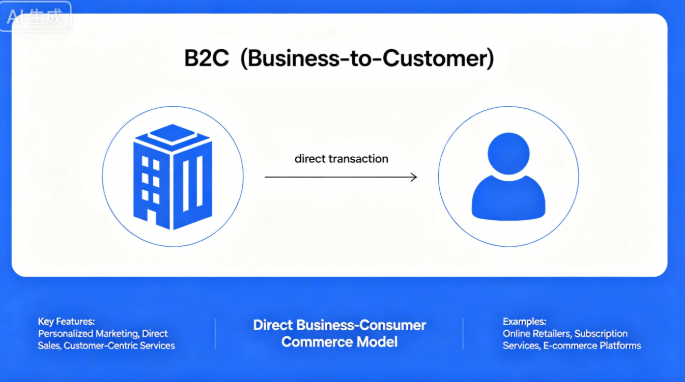
For both B2C and B2B buyers, the purchasing journey is centered on one fundamental question: “Is the product available right now?”
When a buyer completes an order, they expect immediate confirmation. If a supplier rejects that order later due to a “stockout” that wasn’t reflected online, the impact is severe:
- B2C Impact: The customer experiences frustration, loses trust in the brand, and likely turns to a competitor for their immediate needs.
- B2B Impact: The consequences are often financial and operational. Missing components can halt production lines, delay massive supply chains, and cause significant economic losses in industries like manufacturing, construction, and healthcare.
Brand loyalty is built on reliability. In B2B, buyers assess their partners based on their ability to fulfill promises. Reliable inventory data is a key differentiator that separates a sustainable business partner from a high-risk vendor.
Evolution of Inventory Management Models
To understand the current best practices, we must look at how the industry has evolved from traditional, flawed systems to modern, agile architectures.
1. The Traditional Client-Server Model (1990s)
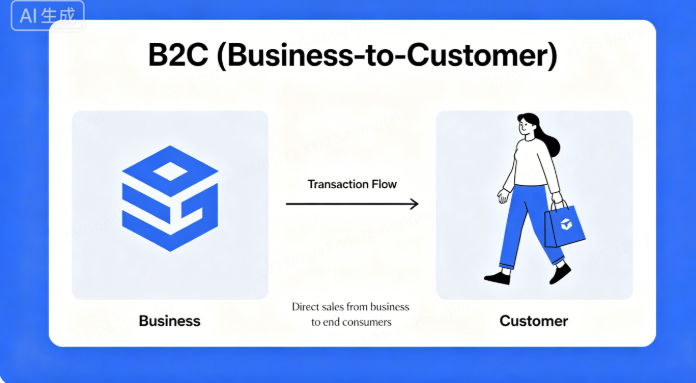
In the 90s, inventory management relied on client-server applications. These systems required complex data replication between servers across multiple warehouses and points of sale.
- The Core Problem: Data irrelevance. Replication was often scheduled overnight, meaning sales staff only had an accurate view of stock at the start of the day. During business hours, employees were forced to call warehouses to verify availability, severely slowing down the sales process.
2. The Virtual Desktop (VDI/DaaS) Era (2010s)
The 2010s introduced virtual desktops, where employees accessed a central server via a remote screen. This ensured everyone was looking at the same, live data.
- The Limitation: While elegant for internal staff, this architecture is poorly suited for ecommerce. It was designed for trusted internal users, not for exposing inventory data to third-party B2B clients or public B2C websites. The security risks of granting external users access to back-office systems are simply too high.
Modernizing for B2B and B2C Business to Customer Success
Modern commerce requires a “headless” and “composable” approach. By placing an intermediate real-time module between your back-end (ERP) and your front-end (website/app), you can bridge the gap between complex supply chain data and customer experience.
Key Advantages of a Modular Architecture
- Single Source of Truth: All transactions from various touchpoints flow through a central inventory module, providing consistent, live data.
- Enhanced CX: Customers see accurate, real-time availability, reducing cart abandonment and “out-of-stock” disappointment.
- Omnichannel Consistency: Whether a customer is shopping online or visiting a physical outlet, they see the same availability, allowing for flexible fulfillment options like “Click and Collect” or direct delivery.
Industry Spotlight: Real-World Implementation
Consider the case of Standaard Boekhandel, a prominent Belgian bookstore chain with approximately 150 stores. Their journey highlights the tangible value of modernizing inventory systems.
Previously, their stores operated on local databases. If a book wasn’t in stock, sales staff had to manually check other locations, a slow process that often led to lost sales to more agile competitors. By implementing a modular, real-time inventory layer, the company transformed its business:
| Feature | Pre-Implementation | Post-Implementation |
|---|---|---|
| Inventory View | Siloed, local databases | Unified, real-time central view |
| Customer Experience | High friction, manual checks | Instant, transparent availability |
| Sales Performance | Limited by local stock | Up to 20% growth in sales |
This shift enabled store staff to see stock across the entire chain instantly, allowing them to arrange home deliveries or inter-store transfers, thereby keeping the customer engaged and satisfied.
Expert Insight: Strategies for Global Sourcing
As a B2B sourcing platform, we observe that the most successful global wholesalers are those that treat inventory data as a strategic asset. For businesses sourcing products from China to serve global markets, consider these three pillars of success:
- Automated Data Syncing: Integrate your sourcing platform directly with your warehouse management system (WMS) to ensure that the moment a shipment arrives or leaves, your website reflects the change.
- Strategic Buffers: Even with real-time data, human error and transit delays happen. Use safety stock buffers that automatically adjust based on historical lead times for international shipments.
- Transparency is Loyalty: Don’t just display “In Stock.” Show “X units in China warehouse” or “Expected by Date Y.” This transparency builds immense trust, which is the cornerstone of long-term B2B partnerships.
Conclusion
Real-time inventory management is the silent driver of growth in modern B2B and B2C business to customer ecommerce. By moving away from legacy client-server models and embracing modular, headless architectures, companies can provide the speed and reliability that today’s buyers demand. As the success of industry leaders demonstrates, investing in accurate inventory systems is not just an IT project—it is a proven strategy for increasing conversions, improving customer satisfaction, and driving sustainable revenue growth.
References
Frequently Asked Questions (FAQ)
1. Why is real-time inventory management more important in B2B than B2C?
In B2B, inventory delays can disrupt entire production lines or supply chains, leading to direct financial losses for the buyer, whereas B2C impacts are primarily focused on individual customer satisfaction and brand loyalty.
2. What is a “headless” commerce architecture?
It is an approach that separates the front-end (customer interface) from the back-end (ERP/inventory database), allowing for greater flexibility and the ability to integrate real-time data layers between them.
3. Does real-time inventory improve conversion rates?
Yes, it is often cited as the third most important factor for conversion growth, as it builds immediate trust by showing users that the items they want are truly available to purchase.
4. Can I use my existing ERP for real-time inventory on my website?
While your ERP is the primary data source, it is often not designed for high-traffic web requests. It is best to use a specialized inventory module that pulls data from the ERP to provide live updates to the storefront.
5. How do I start modernizing my inventory system?
Start by assessing your current architecture to identify silos, then explore integrating a modern, API-first commerce platform that can act as a unified inventory management layer.
Brief Summary:
This article provides a comprehensive guide for B2B and B2C ecommerce businesses on the critical necessity of real-time inventory management. It highlights the shift from outdated client-server models to modern, modular architectures, citing the success of global retailers like Standaard Boekhandel. It offers strategic insights for sourcing and technical integration, emphasizing that accurate, transparent data is the cornerstone of customer trust and conversion growth.
Hot tags: B2B ecommerce platform, real-time inventory management, supply chain optimization, global B2B sourcing, wholesale ecommerce solutions, inventory management software, B2B digital transformation, multichannel inventory sync, cross-border B2B trade, automated warehouse management.