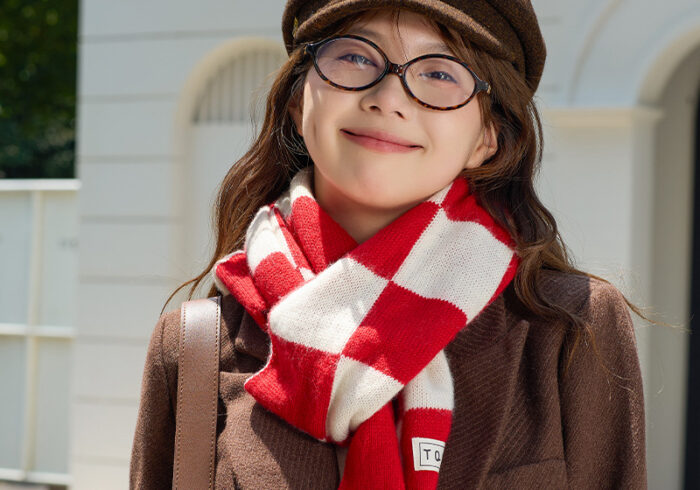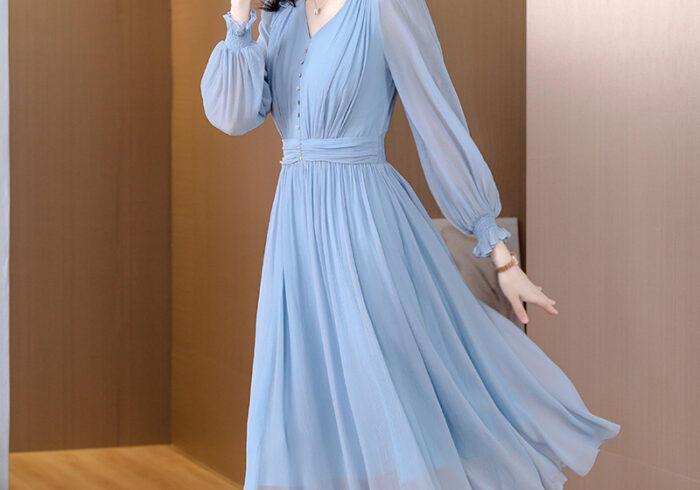
The sportswear industry is undergoing a seismic shift. No longer confined to the gym, sportswear clothing has become a cornerstone of daily wardrobes worldwide, driven by the explosive growth of the athleisure market printful. As a brand owner, wholesaler, or manufacturer, navigating this dynamic landscape requires more than just following seasonal aesthetics—it demands a deep understanding of manufacturing innovations, sustainability, and efficient global supply chain strategies.

In this guide, we analyze the critical trends shaping the future of sportswear clothing and provide actionable insights into how you can optimize your sourcing strategy to stay ahead of the competition.
Table of Contents
The Evolution of Sportswear Clothing: A Market Overview
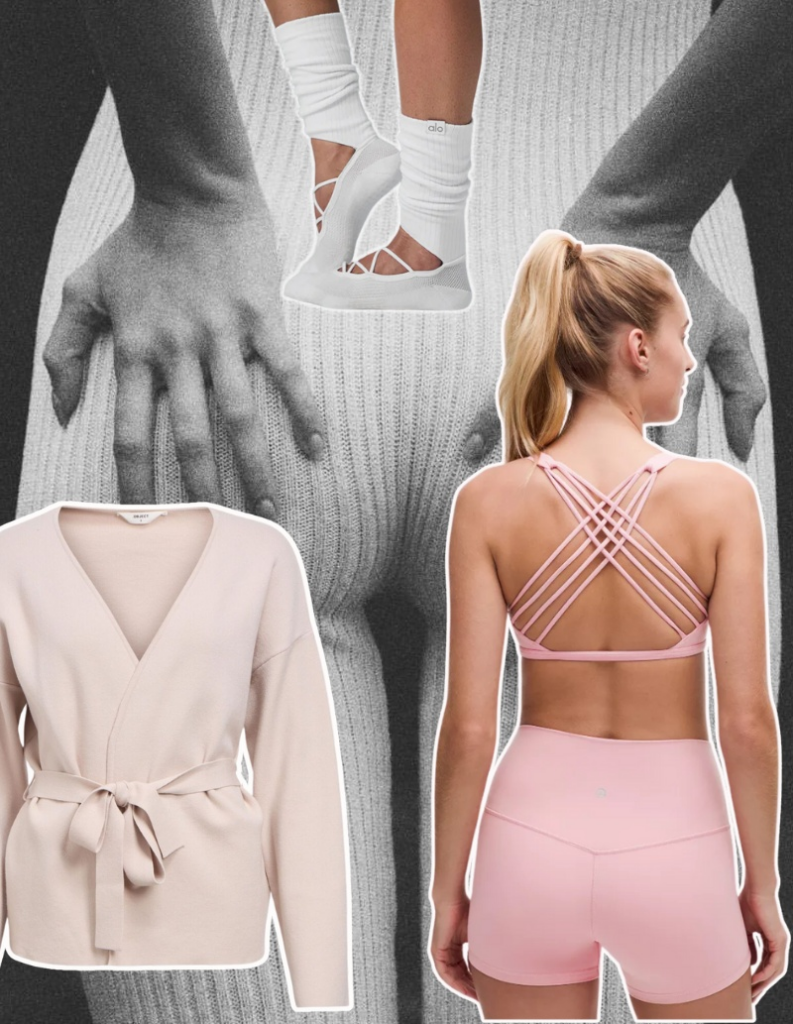
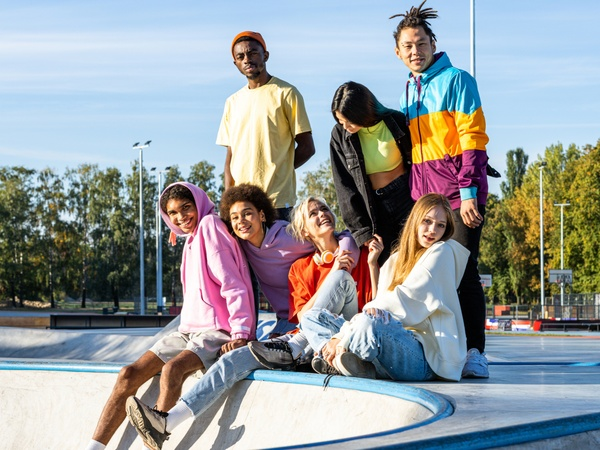
The lines between performance gear and casual daily wear have blurred, creating a hybrid fashion category that prioritizes both functional excellence and aesthetic appeal printful quartr. With the global activewear market projected to reach hundreds of billions in valuation over the coming decade, the opportunity for businesses to carve out a niche has never been greater gminsights.
Key drivers influencing current market dynamics include:
- Technological Integration: Consumers now expect fabrics that offer moisture-wicking capabilities, UV protection, and seamless construction instyle.
- Sustainability Focus: A rising demand for eco-conscious materials, such as recycled polyesters and biodegradable textiles, is now a standard requirement for brand viability globalsources linkedin.
- Phygital Retail Experiences: Brands are increasingly merging the convenience of online B2B sourcing with immersive digital-to-physical shopping experiences to personalize customer engagement gwi.
10 Essential Trends Shaping Sportswear Clothing in 2026

To successfully scale your brand, you must align your product development with the trends that are currently dominating consumer preferences.
Style and Design Innovations
- Tennis Chic & Minimalist Elegance: The “quiet luxury” aesthetic has entered sportswear, focusing on clean lines, classic silhouettes, and performance-ready tennis-inspired dresses and skirts novatomato.
- Bold Patterns and High-Contrast Details: While minimalist pieces are popular, there is a counter-trend favoring vibrant, all-over prints and striking color-blocked designs that make a statement novatomato.
- Functional Layering: Modern sportswear clothing emphasizes versatility—hoodies, vests, and lightweight jackets that transition seamlessly from a workout session to an urban commute novatomato.
Technical and Material Advancements
- Advanced Compression & Seamless Construction: Consumers are prioritizing comfort and performance, driving the demand for seamless technology that reduces friction during intense activity globalsources instyle.
- Eco-Conscious Circular Design: Brands are moving toward closed-loop systems, utilizing recycled plastics and sustainable synthetic alternatives to minimize their environmental footprint globalsources.
- Moisture-Wicking & Breathable Fabrics: High-performance fabrics that manage temperature and sweat are non-negotiable for competitive sportswear lines instyle.
Lifestyle and Cultural Shifts
- The Athleisure Takeover: The integration of athletic gear into professional and leisure settings continues to expand, pushing brands to diversify their offerings beyond traditional gym attire quartr.
- Sport-Specific Performance Gear: With the rise in popularity of specialized fitness—such as Pilates, yoga, or indoor cycling—consumers are seeking specialized, high-performance apparel gminsights.
- Inclusive and Gender-Neutral Designs: Modern collections are increasingly emphasizing inclusivity, offering unisex designs that prioritize fit and comfort across diverse body types novatomato.
- Community-Driven Branding: Today’s top sportswear brands often succeed by fostering a sense of community through inclusive marketing and authentic, mission-driven storytelling magickwear quartr.
Strategic Sourcing for B2B Success
For brands aiming to thrive, the complexity lies in balancing cost, speed, and quality. Partnering with a one-stop B2B platform like LooperBuy allows you to streamline your supply chain and directly access a vast array of high-quality, competitively priced Chinese goods.
H4: Why Streamlined Sourcing Matters
- Inventory Efficiency: By sourcing through a centralized platform, businesses can reduce lead times and manage stock levels more effectively, avoiding the pitfalls of slow-moving inventory.
- Cost Optimization: Accessing manufacturers directly ensures you obtain better pricing, which is critical for maintaining healthy margins in the competitive sportswear clothing sector.
- Global Scalability: A robust supply chain, coupled with reliable global logistics, enables you to scale your brand internationally without the overhead of managing fragmented supplier networks.
Visualizing the Future of Sportswear
Conclusion
The sportswear industry is moving toward a future defined by high-performance utility, sustainable manufacturing, and versatile designs that transcend the gym. To succeed, brand owners and wholesalers must prioritize efficient sourcing and adaptability. By leveraging optimized B2B platforms, you can ensure that your product line not only meets current consumer demands but also achieves the cost-efficiency required for sustainable growth.
Ready to elevate your sportswear collection? Partner with LooperBuy to access premium manufacturing capabilities and global logistics solutions tailored to your business needs.
References
- Activewear Brands and Logos: Top Trends to Watch in 2024
- Global Sources: 10 Activewear Trends for 2026
- NovaTomato: Activewear Trends for 2025
- Printful: Athleisure Market Report for 2025
- Global Market Insights: Activewear Market Size & Share 2026-2035
FAQ
Q1: What are the top material trends in sportswear clothing for 2026?
A: Sustainability is paramount. Expect a shift toward recycled polyesters, biodegradable textiles, and advanced moisture-wicking, seamless fabrics globalsources instyle.
Q2: How has the athleisure market changed for brands?
A: Athleisure has moved from a niche fitness trend to a dominant fashion category, forcing brands to blend high-performance technical specs with high-fashion, versatile aesthetics quartr.
Q3: Why is direct B2B sourcing recommended for sportswear brands?
A: It provides better cost control, reduced lead times, and direct access to high-quality manufacturing, which is essential for maintaining competitive margins gminsights.
Q4: Is the sportswear market still growing?
A: Yes, the activewear market is projected to see significant growth, with the global market size expected to grow continuously through the next decade gminsights.
Q5: What is ‘phygital’ retail in the context of sportswear?
A: It is the combination of convenient online B2B/B2C sourcing with immersive, personalized digital-to-physical brand experiences gwi.
Brief Summary:
This expert guide explores the 2026 landscape of sportswear clothing, highlighting 10 crucial trends ranging from sustainable materials to the rise of athleisure and tennis-inspired fashion. It emphasizes the strategic necessity of efficient B2B sourcing for brand success, offering actionable insights for wholesalers and manufacturers to optimize supply chains and scale globally in a rapidly evolving market.
Hot tags: Sportswear wholesale supplier, B2B activewear sourcing, custom sportswear manufacturing, bulk gym clothing distributors, sustainable athletic apparel sourcing, private label activewear manufacturer, global B2B garment supply chain, high-performance sportswear wholesale, athleisure clothing bulk buy, professional sportswear sourcing platform.