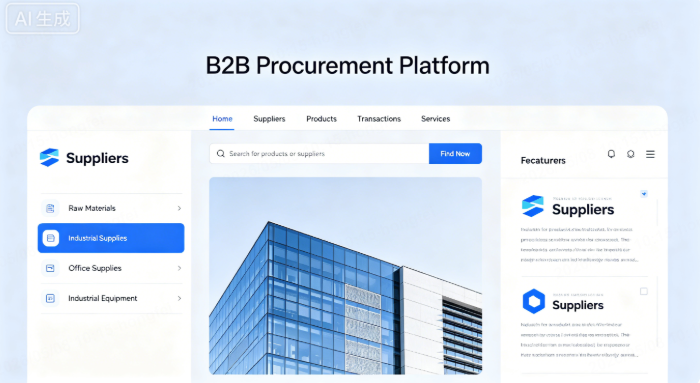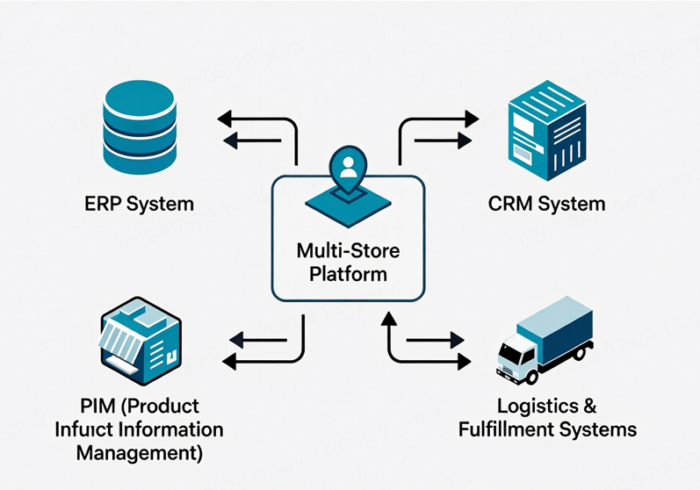
In the rapidly evolving landscape of international trade, traditional wholesale methods are being eclipsed by digital transformation. For modern brands, wholesalers, and manufacturers, B2B eCommerce marketing is no longer just a support function—it is the engine of sustainable growth.

As the global marketplace becomes increasingly interconnected, buyers now demand the same seamless, self-service experiences they enjoy in their personal shopping lives . To succeed, businesses must bridge the gap between complex industrial procurement and intuitive digital interaction.
Table of Contents
The Fundamental Shift: Why B2B eCommerce Marketing Demands a Rethink
Historically, B2B sales relied heavily on manual processes, personal relationships, and opaque pricing structures. Today, the modern B2B buyer—often a millennial or Gen Z professional—conducts extensive independent research online long before contacting a sales representative .
Distinctions Between B2B and B2C Marketing
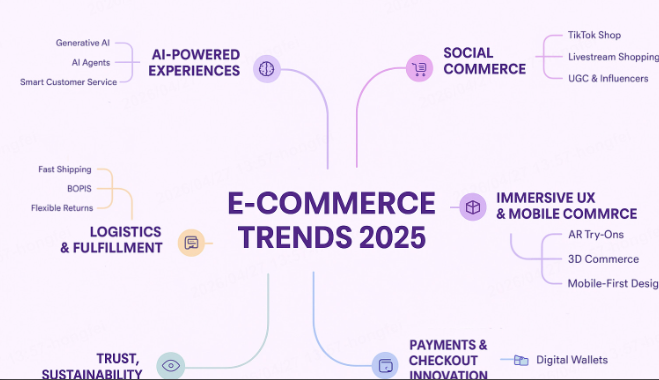
While B2C marketing focuses on emotional triggers and immediate gratification, B2B eCommerce marketing is rooted in long-term reliability and trust.
- Decision-Making: B2B purchases involve multiple stakeholders (procurement, finance, operations), requiring rational, data-backed justification .
- Timeline: The cycle is longer, involving multiple touchpoints, from initial search to final contract.
- Retention vs. Conversion: While B2C prizes the single conversion, B2B success is measured by repeat purchase rates and long-term lifetime value (LTV) .
Five Core Pillars of a High-Performing B2B eCommerce Strategy
To remain competitive in 2026, your platform must transcend simple product listings. Based on industry-leading practices, here are five essential strategies to scale your B2B presence.
1. Hyper-Personalization: Segmentation is Key
Treating all B2B buyers as a monolithic group is a recipe for stagnation. You must segment your audience based on industry, order frequency, company size, and previous purchase history.
- Actionable Insight: Use your platform data to offer personalized dashboards where each client sees their specific negotiated pricing, product recommendations based on past orders, and custom delivery options swell.
2. Marketing the “Buying Experience”
Your platform’s functionality is your marketing. If your site offers a frictionless self-service experience, that becomes your strongest value proposition .
- Key Features to Highlight: 24/7 ordering capability, instant invoice generation, bulk reordering tools, and saved shopping lists. Position these as time-savers that reduce the administrative burden on your customers’ procurement teams .
3. Building Trust Through Strategic Social Proof
In a high-stakes B2B environment, risk mitigation is a top priority for buyers. They need to know that your logistics and product quality are reliable.
- Integration Strategy: Do not hide your testimonials. Feature real-world case studies, logo bars of trusted partners, and authentic video testimonials directly on your product landing pages and checkout flows to remove friction .
4. Multi-Channel Cohesion
A single-channel approach rarely works in B2B. A coordinated mix is essential:
- Content Marketing: Create educational resources (guides, whitepapers) that answer the specific technical problems your buyers face .
- LinkedIn & Search Ads: Target buyers who are actively searching for solutions.
- Nurturing Email: Use segmented email workflows to keep your brand top-of-mind without being intrusive .
5. Data-Driven Continuous Improvement
B2B eCommerce marketing is not a “set-and-forget” model. You must constantly monitor user behavior on your platform .
- Actionable Step: Analyze which product pages have the highest drop-off rates and identify where the friction occurs in the checkout process. Use A/B testing to refine your messaging and UX flow .
The Future of Cross-Border B2B Sourcing
As China remains the world’s largest manufacturing hub, businesses are increasingly seeking One-Stop B2B Sourcing Platforms like LooperBuy to navigate global trade.
Navigating Global Logistics and Compliance
Cross-border trade introduces complexities in logistics, customs, and compliance virtocommerce. Modern successful platforms must offer:
- Transparent Logistics: Real-time tracking and predictable lead times are non-negotiable cfglobal.
- Localized Experience: Providing interface support in local languages and currencies is critical for penetrating new markets like the Middle East or Europe virtocommerce.
| Benefit | Traditional Sourcing | LooperBuy Platform |
|---|---|---|
| Logistics | Fragmented/Manual | Integrated/Streamlined cfglobal |
| Pricing | High Intermediary Costs | Direct-to-Buyer/Low Cost marketreportsworld |
| Product Variety | Limited/Regional | Extensive/Global swell |
| Ordering | Phone/Email | 24/7 Self-Service |
Expert Insight: Bridging the Digital Divide
As a strategy expert, I recommend focusing on “Buyer Success.” If your marketing content helps your customer succeed in their own role (e.g., helping a wholesaler optimize their inventory management), they will inevitably reward you with loyalty and increased order volume genalpha.
Leveraging AI for Scalable Growth
By 2026, AI is no longer a luxury but a requirement. Use AI for:
- Predictive Inventory Management: Avoiding stockouts by analyzing buying cycles cfglobal.
- Automated Customer Service: Chatbots capable of resolving complex technical queries instantly oroinc.
Conclusion: Transforming Your B2B Future
Platforms like LooperBuy demonstrate that when you simplify the complexity of cross-border sourcing, you don’t just facilitate transactions; you build a long-term, value-driven partnership with your clients. For a broader range of tools, trends, and marketplace insights tailored to modern eCommerce sellers, visit ecommerceparadise.com.
References
- SparkLayer – Five B2B eCommerce marketing strategies for sustainable growth
- OroInc – The Future of B2B eCommerce: 2026 Trends & Strategic Moves oroinc
- Dazze Studio – Essential Guide to B2B Ecommerce Website Development dazze
- Market Reports World – Cross-Border B2B Electronic Commerce Market Size marketreportsworld
- CF Global – B2B E-Commerce Logistics Trends 2026 cfglobal
- Swell – 32 B2B Marketplace Trends Shaping Digital Wholesale Commerce swell
- Virto Commerce – A Deep Dive into Cross-Border eCommerce virtocommerce
- GenAlpha – 10 Top B2B eCommerce Sites Revolutionizing Online Sales genalpha
Frequently Asked Questions (FAQ)
Q1: What is the most important channel for B2B eCommerce marketing?
A: A balanced mix of SEO-driven content (for discovery) and targeted email automation (for relationship retention) remains the industry gold standard.
Q2: How can I personalize my B2B site without heavy manual effort?
A: Implement automated segmentation tools that trigger dynamic content—like unique pricing, curated product catalogs, and tailored content—based on customer login data and purchase history.
Q3: Is social media relevant for B2B marketing in 2026?
A: Absolutely. Focus on professional networking sites like LinkedIn. Success here comes from sharing expert thought leadership and detailed case studies rather than simple product ads.
Q4: How do I handle multiple stakeholders during the B2B sales cycle?
A: Create tailored content for specific personas: provide technical whitepapers for engineers, ROI spreadsheets for finance teams, and reliability/logistics reports for procurement managers.
Q5: Why is self-service a “must-have” for B2B platforms?
A: Modern B2B buyers demand autonomy. 24/7 self-service platforms reduce order errors, lower operational costs, and satisfy the buyer’s need for speed and efficiency.
Brief Summary:
This guide explores essential 2026 B2B eCommerce marketing strategies. By combining hyper-personalization, seamless self-service, and robust global logistics, brands can effectively scale international operations. Learn to bridge the digital divide and foster sustainable B2B growth.
Hot tags: #B2B_eCommerce_Marketing, #Cross_border_sourcing, #Digital_B2B_strategy, #Wholesale_procurement, #Supply_chain_optimization, #B2B_customer_experience, #Global_trade_solutions, #eCommerce_personalization, #B2B_growth_hacks, #LooperBuy_sourcing