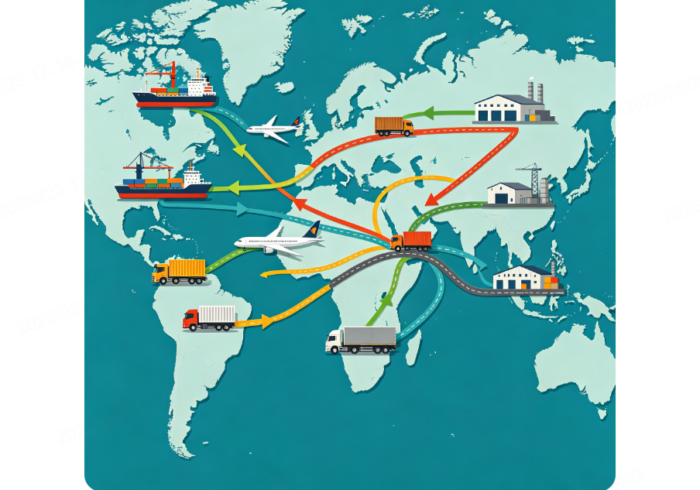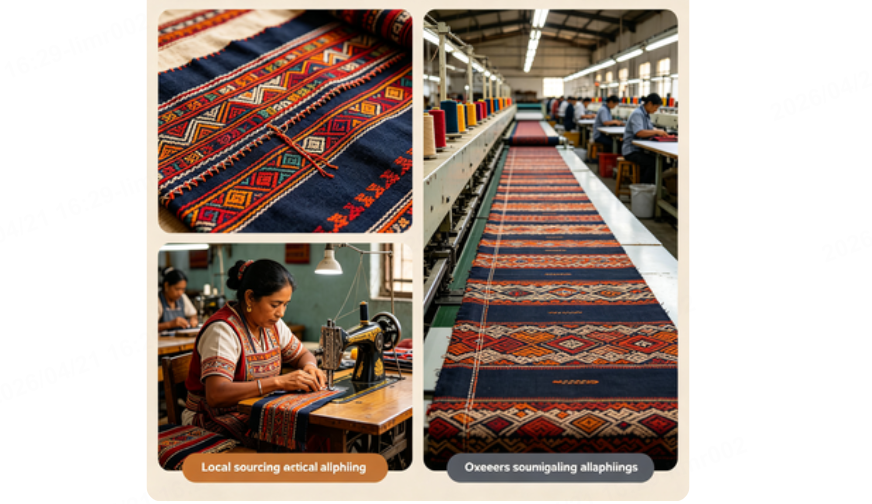
The ethnic apparel market is experiencing unprecedented global growth, projected to reach USD 141.19 billion by 2032 with a CAGR of 6.75% . This surge, driven by cultural appreciation, fashion fusion trends, and the rise of niche e-commerce brands, has created a critical decision point for B2B buyers worldwide: local vs overseas sourcing ethnic apparel comparison is no longer just about cost—it is about building a resilient, scalable, and competitive supply chain .
In this comprehensive guide, I will share industry-tested insights on navigating ethnic apparel sourcing, integrating real buyer experiences and practical evaluation frameworks to help you make an informed strategic decision.
Table of Contents
Local vs Overseas Sourcing Ethnic Apparel Comparison: Key Differences at a Glance
| Criteria | Local Sourcing | Overseas Sourcing (China) |
|---|---|---|
| Unit Cost | 30–50% higher | 20–50% lower |
| Lead Time | 2–4 weeks | 8–12 weeks |
| MOQ | 50–500 units | 100–1,000+ units |
| Quality Control | Direct oversight | Requires structured verification |
| Customization | High flexibility | Varies by supplier |
| Logistics Complexity | Low | Moderate to High |
The global apparel supply chain is highly regionalized. China remains the world‘s largest exporter of textiles and garments, offering 20–50% lower production costs compared to Western manufacturers .
Global Market Context: Why Ethnic Apparel Sourcing Matters Now
The ethnic wear market was valued at USD 89.34 billion in 2025 and is projected to grow to USD 94.91 billion in 2026, reaching USD 141.19 billion by 2032 . The United States ethnic clothing market alone shows significant export potential for 2030, making strategic sourcing decisions increasingly urgent .
Younger consumers are blending traditional garments with contemporary wardrobes, creating demand for fusion wear that marries comfort with craftsmanship . Social media and fashion influencers are promoting ethnic wear as trendy, encouraging younger demographics to embrace traditional clothing .
Four Critical Pain Points When Sourcing from China (And How Real Buyers Experience Them)
I have spoken with numerous global buyers navigating Chinese sourcing, and the challenges consistently fall into four categories. Let me share what real buyers have told me:
Pain Point 1: Price Inflation and Hidden Fees
Buyer feedback: “When purchasing Chinese goods overseas, prices are much higher than buying directly from 1688—it is hard to maintain profit margins.” Another buyer shared, “I have to pay high service fees for every transaction, which affects my overall profitability.”
The reality: Traditional procurement channels add layers of intermediaries, each taking a cut. Freight charges, currency conversion fees, and agent commissions accumulate silently.
Pain Point 2: Platform Registration Barriers
Buyer feedback: “I do not have Chinese identification and cannot register on 1688, but I want to distribute Chinese goods in Vietnam. Is there no other way?”
The reality: Domestic Chinese platforms require local registration credentials, effectively locking out international buyers from factory-direct pricing .
Pain Point 3: Payment Obstacles
Buyer feedback: “I have already selected my products, but I do not have a Chinese bank account or RMB. How can I directly pay for Chinese goods using foreign currency?”
The reality: Most Chinese suppliers require payment in RMB through domestic banking channels, creating a significant barrier for international buyers [18†L4-L6].
Pain Point 4: Logistics Burden
Buyer feedback: “I need to transship goods to my local market, but I do not know how to do it. This gives me endless frustration.”
The reality: The logistics landscape varies dramatically in quality and reliability. Without established partnerships, buyers face inconsistent shipping times, unclear tracking, and unexpected customs delays .
A Practical Solution: Direct Sourcing with Full-Service Platforms
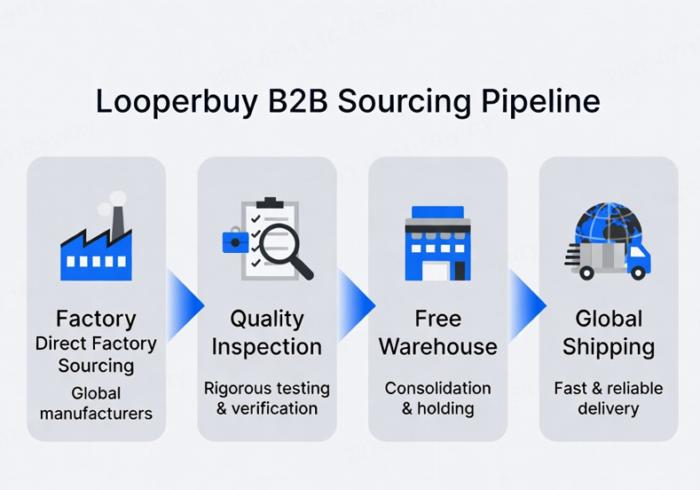
LooperBuy was founded in 2024 as a global B2B sourcing platform dedicated to helping international merchants find quality Chinese goods from 1688.com . The platform integrates three critical capabilities:
Goods Sourcing. Direct connection with Chinese factories ensures competitive pricing. LooperBuy directly accesses China‘s quality inventory on 1688, helping overseas merchants purchase at factory prices and eliminate middleman markups .
Multi-Currency Payment. Multi-currency solutions allow direct settlement in foreign currencies without requiring Chinese bank accounts [18†L10-L11][19†L12-L13]. The platform partners with LianLian International‘s global payment network to enable overseas merchants to pay suppliers in foreign currencies .
Global Logistics. Partnerships with leading logistics providers enable efficient and secure shipping services. LooperBuy offers end-to-end solutions covering customs declaration, logistics coordination, and settlement.
Customization Support. One-click drop-shipping or bulk purchasing, multilingual one-on-one customer service, and support for factory communication are available .
Quality Control: Protecting Your Brand Investment
When comparing local vs overseas sourcing ethnic apparel options, quality assurance is non-negotiable. China remains a dominant force in ethnic apparel manufacturing, with key clusters in Zhejiang, Guangdong, and Hunan provinces specializing in modest wear, traditional Muslim apparel, and digital printing [21†L12-L16][20†L6-L10].
Implementing structured quality control measures is essential. Always request physical samples before full production and conduct pre-shipment inspections, stitching durability tests, shrinkage evaluations, and colorfastness checks [7†L8-L10][7†L26-L31]. Request lab reports for OEKO-TEX® or REACH certification, especially for garments intended for children or sensitive skin [7†L13-L16].
Expert Insight: Supplier Evaluation Beyond Price
Successful overseas sourcing requires evaluating suppliers on multiple dimensions. Top-performing Chinese ethnic apparel suppliers demonstrate on-time delivery rates above 95% and response times within four hours [21†L27-L33].
Look for suppliers with strong reorder rates—above 30% indicates consistent customer satisfaction [21†L29-L31]. Suppliers with reorder rates below 20% may signal issues with quality or service consistency [7†L12-L13].
Final Verdict: Which Sourcing Strategy Is Right for You?
When conducting your local vs overseas sourcing ethnic apparel comparison, consider these decision factors:
Choose Local Sourcing if: Your brand requires rapid replenishment cycles (2–4 weeks), you need very low MOQs (50–500 units), direct quality oversight is critical, or you serve niche markets demanding immediate trend response [12†L24-L28][12†L52-L54].
Choose Overseas Sourcing (China) if: Cost efficiency is a priority (20–50% savings), you need access to specialized ethnic apparel manufacturing clusters, you can manage longer lead times (45–60 days), or you seek scalability for volume production [13†L24-L26][13†L15-L18].
The global ethnic apparel market‘s projected growth to USD 167.66 billion by 2033 represents a massive opportunity for B2B buyers [11†L8-L10]. With the right sourcing partner—one that provides transparent pricing, seamless payment, reliable logistics, and quality assurance—overseas sourcing becomes not just viable but strategically advantageous.
Ready to Optimize Your Ethnic Apparel Sourcing Strategy?
Whether you are comparing local vs overseas sourcing ethnic apparel options for the first time or looking to streamline your existing China supply chain, professional sourcing platforms can help you overcome the traditional barriers of registration, payment, and logistics.
[Start Sourcing Today → Visit LooperBuy to access China‘s factory-direct ethnic apparel inventory]
Frequently Asked Questions (FAQ)
Q1: What is the main difference between local and overseas sourcing for ethnic apparel?
A: Local sourcing offers faster lead times (2–4 weeks) and direct quality control but comes with 30–50% higher unit costs and limited scale. Overseas sourcing from China provides 20–50% lower costs and access to specialized manufacturing clusters, though lead times average 8–12 weeks and require structured quality verification [12†L24-L28][13†L24-L26].
Q2: How can I verify the quality of ethnic apparel from overseas suppliers?
A: Implement a three-phase verification process: request physical samples before bulk production, conduct pre-shipment inspections with stitching durability and shrinkage tests, and request lab reports for OEKO-TEX® or REACH certifications [7†L8-L10][7†L13-L16][7†L26-L31].
Q3: What are the typical MOQ requirements for overseas ethnic apparel sourcing?
A: Overseas suppliers in China typically require 100–1,000+ units per style, though an increasing number of suppliers now offer flexible MOQs to attract emerging brands. In contrast, local manufacturers often accept 50–500 units per style [12†L52-L56].
Q4: How do I handle international payment and currency issues when sourcing from China?
A: Use platforms that offer multi-currency solutions allowing direct settlement in USD, EUR, or GBP without requiring Chinese bank accounts or RMB conversion. Services like LooperBuy partner with global payment networks to enable seamless foreign currency transactions [18†L10-L11][19†L12-L13].
Q5: Is the global ethnic apparel market growing, and should I enter now?
A: Yes. The global ethnic wear market was valued at USD 89.34 billion in 2025 and is projected to reach USD 141.19 billion by 2032, with a CAGR of 6.75%. Driven by cultural appreciation, fusion fashion trends, and rising e-commerce adoption, now is an optimal time to enter [10†L7-L11][11†L11-L16].
Article Summary
This comprehensive guide examines the local vs overseas sourcing ethnic apparel comparison for B2B buyers in 2026. It covers global market trends (projected USD 141.19 billion by 2032), cost differentials (20–50% savings via overseas sourcing), quality control frameworks, and strategic decision factors. Real buyer feedback on common sourcing pain points—price inflation, registration barriers, payment obstacles, and logistics burdens—is integrated with practical solutions. The article also highlights how platforms like LooperBuy address these challenges through direct factory access, multi-currency payment, and global logistics partnerships, helping brands build resilient, scalable supply chains in the expanding ethnic apparel market.
Hot Tags
B2B sourcing platform China, ethnic apparel wholesale suppliers, local vs overseas sourcing comparison, apparel procurement strategy, China factory direct sourcing, B2B sourcing platform LooperBuy, global logistics apparel shipping, overseas sourcing quality control, B2B cross border payment solutions, ethnic wear market trends 2026
References
- 360iResearch. (2026). Ethnic Wear Market by Product Type, Occasion, Fabric Type, Gender, Age Group, Distribution Channel – Global Forecast 2026-2032. https://www.giiresearch.com/report/ires1999346-ethnic-wear-market-by-product-type-occasion-fabric.html
- SkyQuest. (2025). Ethnic Wear Market Size, Share, and Growth Analysis – Industry Forecast 2026-2033. https://www.giiresearch.com/report/sky1900098-ethnic-wear-market-size-share-growth-analysis-by.html
- Alibaba.com. (2025). Clothing Manufacturer Sourcing Guide: Domestic vs Global Suppliers 2025. https://www.alibaba.com/price-comparison/clothing-manufacturers-in-america
- Alibaba.com. (2025). Strategic Apparel Sourcing: Evaluate Clothing Suppliers by Region, Cost & Performance. https://www.alibaba.com/price-comparison/find-a-manufacturer-to-make-my-clothing
- Alibaba.com. (2025). Strategic Sourcing of Ethnic Export Products: A B2B Guide to Reliable Suppliers. https://www.alibaba.com/price-comparison/ethnic-export-reviews
- Alibaba.com. (2025). Strategic Sourcing of Ethnic Wear: Supplier Insights, Quality Control & Market Trends. https://www.alibaba.com/price-comparison/ethnic-wear-brand-name-suggestions
- Alibaba.com. (2026). Strategic Sourcing of Ethnic Wear: Guide to Reliable Export Suppliers. https://www.alibaba.com/price-comparison/ethnic-export-com
- LianLian Global. (2024). 连连国际牵手LooperBuy,解锁跨境B2B寻源新时代. https://global.lianlianpay.com/article/MTE1NjM2LDE1Ng.html
- Techsir.com. (2025). 国外企业线上采购中国货源,会遇到哪些问题?推荐Looperbuy平台. https://techsir.com/a/202504/90676.html
- 6Wresearch. (2026). United States (US) Ethnic Clothing Market (2025-2031) | Forecast & Outlook Growth. https://www.6wresearch.com (referenced for US ethnic clothing market export potential)