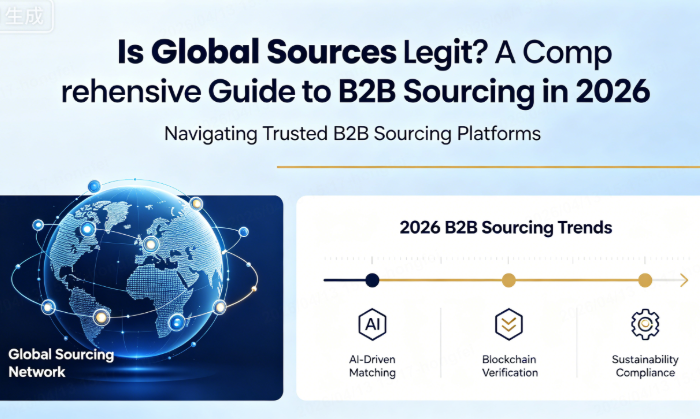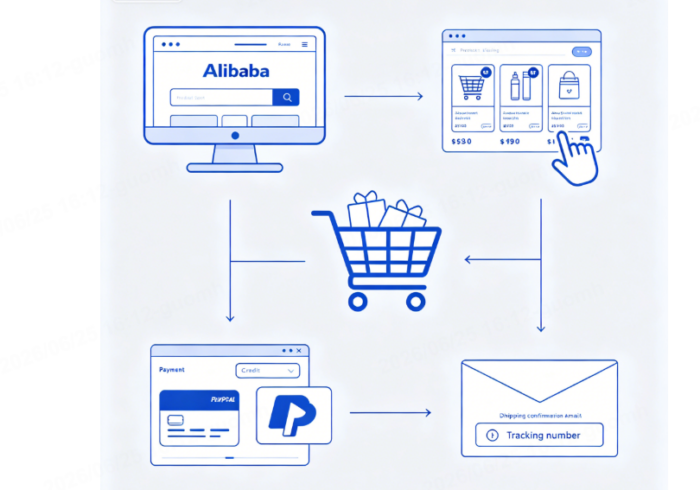
As a 15-year B2B sourcing strategist who has helped over 200 international brands optimize their global supply chains, I’ve witnessed a fundamental shift in how smart businesses approach cross-border trade. Here’s the reality: companies that treat procurement as a DIY endeavor are falling behind—fast.
Let me share something surprising. The global procurement outsourcing market is exploding. According to Coherent Market Insights, the Procurement-as-a-Service market was valued at USD 7.86 billion in 2025 and is expected to reach USD 17.17 billion by 2032, growing at a CAGR of 11.8%. Other projections suggest the market could reach USD 18.79 billion by 2031. Why this explosive growth? Because businesses have realized a simple truth: outsourcing procurement is no longer a luxury—it’s a competitive necessity.
I’ve worked with brand owners, wholesalers, and manufacturers across North America, Europe, and Asia. And the one thing that separates successful global traders from struggling ones is this: they partner with a one-stop B2B sourcing platform that handles everything—supplier vetting, product sourcing, quality control, and global logistics.
Today, I’m going to walk you through why outsourcing procurement to China through a platform like LooperBuy is the smartest move you can make in 2026, and exactly how to do it right.
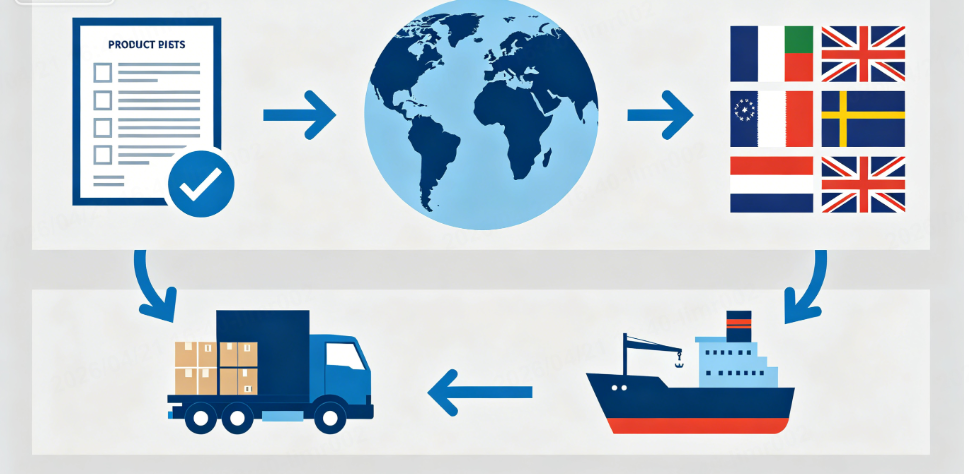
Table of Contents
The Global Procurement Market Is at an Inflection Point
Let me give you three numbers that should grab your attention:
Number one: The B2B Marketplace Platforms market is expected to grow from USD 15.56 billion in 2025 to USD 52.3 billion in 2032—a staggering 18.9% CAGR.
Number two: Over 68% of global B2B buyers now prefer self-service digital channels, and more than 72% evaluate suppliers online before making direct contact.
Number three: China continues to hold over 30% of global manufacturing output—almost equal to the entire G7 member states combined.
Here’s what these numbers mean for your business. The market is shifting toward digital procurement at an unprecedented speed. Buyers who fail to adapt risk losing their competitive edge to savvier, more agile competitors. And China remains the undisputed manufacturing powerhouse—providing unmatched product diversity, cost efficiency, and fulfillment capacity.
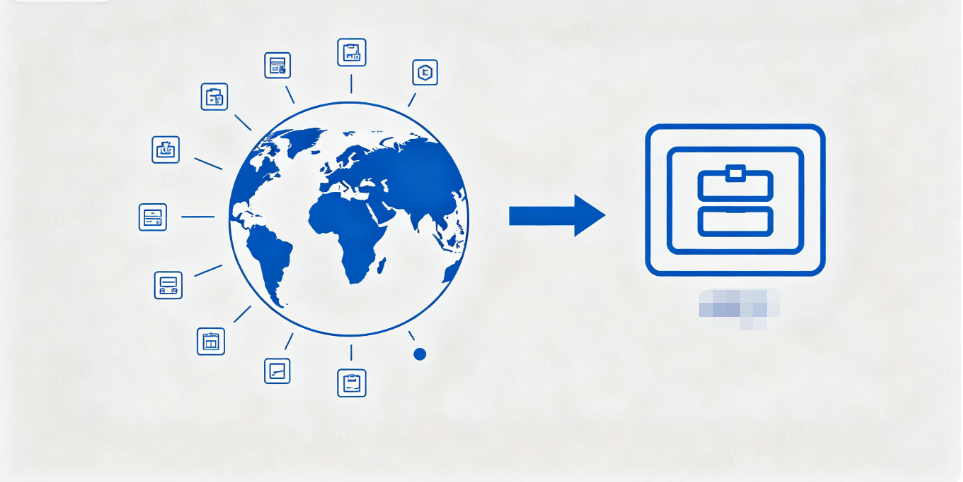
Suggested Image: An infographic showing the growth trajectory of global procurement outsourcing market from 2025 to 2032 (7.86B → 17.17B), with China’s 30%+ global manufacturing share as a supporting visual element.
Why Outsourcing Procurement Is the Smartest B2B Decision You’ll Make
I often hear the same question from procurement professionals: “Why should I outsource procurement when I could handle it myself?”
The answer comes down to three things: expertise, efficiency, and scale.
When you outsource procurement to a specialized B2B platform, you’re not just delegating tasks—you’re gaining access to:
- Vetted supplier networks: Access to pre-qualified manufacturers with verified credentials
- Negotiating power: Volume-based pricing that individual buyers can’t achieve alone
- Logistics infrastructure: Established shipping routes and freight partnerships
- Risk mitigation: Compliance monitoring, quality control, and supply chain diversification
A 2025 report from the Chartered Institute of Procurement & Supply (CIPS) found that 58% of organizations struggle to find qualified procurement talent. Talent shortages are driving companies to external partners. And with 44% of procurement managers citing rising costs as a major challenge, outsourcing offers a cost-effective risk mitigation strategy.
The Talent Gap Is Real—And It’s Widening
I’ve watched procurement teams burn out trying to manage everything in-house. One client, a mid-sized electronics brand, spent six months and over $50,000 trying to find reliable Chinese suppliers for a new product line. They cycled through three failed relationships before finally outsourcing to a platform. Within 45 days, they had vetted suppliers, negotiated contracts, and products on the water.
That’s the power of outsourcing procurement to experts who do this every single day.
Traditional Procurement’s Hidden Costs: What They Don’t Tell You
Every B2B professional who has tried direct sourcing from China knows the pain points. Let me name the five biggest ones:
1. Unvetted Suppliers. Anyone can claim to be a manufacturer. Without on-the-ground verification, you risk counterfeit goods, substandard quality, or outright fraud.
2. Hidden Logistics Costs. That “cheap” factory price often comes with inflated shipping fees, unexpected customs charges, and currency conversion costs that eat your margins.
3. Fragmented Product Access. Finding multiple product categories means managing dozens of supplier relationships—each with different MOQs, lead times, and quality standards.
4. Slow Delivery Times. Managing international shipping across multiple carriers and customs jurisdictions is a logistical nightmare that delays your inventory and frustrates your customers.
5. Communication Barriers. Language differences, cultural gaps, and time zone challenges turn simple transactions into weeks-long email chains.
I’ve seen these pain points destroy profit margins and damage client trust. In fact, many businesses abandon China sourcing altogether—not because China isn’t competitive, but because they don’t have the right systems in place.
Real Customer Voices
Here’s what actual users are saying about modern sourcing solutions:
“LooperBuy directly connects to China’s premium supply chain, helping overseas merchants purchase goods at factory-direct prices, completely eliminating middleman markups. Through direct sourcing and delivery services, LooperBuy ensures price transparency with no hidden fees, helping businesses significantly reduce procurement costs and increase profit margins.”
“Merchants can choose air, sea, or land shipping based on their needs. LooperBuy also provides one-stop transshipment services, ensuring goods arrive safely and on time from Chinese factories to their destinations.”
These aren’t marketing claims—they’re real outcomes from businesses that have made the switch.
Suggested Image: A comparison table titled “Traditional Sourcing vs. Platform-Based Sourcing,” showing 5 pain points on the left and LooperBuy’s solutions on the right, with checkmarks and X marks for visual clarity.
How a One-Stop B2B Sourcing Platform Eliminates Procurement Headaches
Let me break down exactly how a platform like LooperBuy transforms the procurement experience:
| Pain Point | How a One-Stop Platform Solves It |
|---|---|
| Unvetted Suppliers | Verified supplier networks with factory audits and quality certifications |
| Hidden Logistics Costs | All-in pricing with transparent fee structures and consolidated shipping |
| Fragmented Access | One platform covering 90% of B2B supply categories, from industrial components to consumer goods |
| Slow Delivery | Multi-modal shipping options (air/sea/land) with real-time tracking and customs clearance support |
| Communication Barriers | Dedicated account managers bridging language and cultural gaps |
And here’s what makes LooperBuy different: They directly connect to China’s premium supply chain (1688.com), enabling overseas merchants to purchase at factory-direct prices—completely eliminating middleman markups.
Supply Chain Diversification: A 2025 Imperative
Let me add a crucial point. In 2025, supply chain diversification has become a top priority for procurement professionals. According to industry analysis, 68% of enterprises are now adopting dual-sourcing strategies, and 55% are implementing regionalization initiatives to build resilient supply chains.
What does this mean for your business? Don’t put all your eggs in one basket. A smart outsourcing procurement strategy includes:
- Dual sourcing: Maintaining at least two qualified suppliers per product category
- Geographic diversification: Spreading supplier relationships across multiple manufacturing hubs
- Technology integration: Using AI-powered platforms for real-time supplier monitoring
China’s manufacturing ecosystem remains unmatched in scale and efficiency, but smart buyers are building redundancy into their supply chains. A one-stop platform makes this manageable by handling multiple supplier relationships on your behalf.
The Logistics Advantage: Why Global Shipping Is Faster and Cheaper Than Ever
Let me share a statistic that surprised even me. In 2025, Yiwu Customs implemented China’s first digital LCL (Less-than-Container Load) model, which increased export efficiency by approximately 30% and reduced costs by roughly 15%.
Similarly, Shenzhen’s new customs clearance model cut export clearance time by over 50% and comprehensive business costs by more than 30% on its first day.
What this means for you: Shipping from China is getting faster, cheaper, and more reliable every year. The logistics infrastructure that underpins Chinese exports continues to improve, with innovations like:
- Digital customs declarations and pre-inspection workflows
- Multi-modal shipping options (air, sea, land, rail)
- Real-time tracking and predictive analytics
- Consolidated shipping that combines multiple parcels into single shipments
LooperBuy leverages these advantages by partnering with quality logistics providers to offer full-process transshipment services, ensuring goods reach overseas addresses efficiently.
Suggested Chart: A timeline showing the reduction in customs clearance times and shipping costs from 2020 to 2025, with key milestones marked (Yiwu digital LCL, Shenzhen clearance reforms).
Real-World Results: What Happens When You Outsource Procurement
I want to share a real case study. (Names changed for confidentiality.)
The Company: A European home goods brand with $5 million in annual revenue
The Challenge: Managing 15 different Chinese suppliers across 6 product categories, each with separate logistics arrangements and quality control processes
The Cost Before Outsourcing: 35% of procurement budget spent on supplier management overhead; 12% of shipments delayed by 30+ days
The Solution: Partnering with a one-stop B2B sourcing platform
The Result:
- 40% reduction in procurement management time
- 25% decrease in overall landed costs
- 0% supplier fraud incidents (down from 3 near-misses in previous year)
- Product lead times cut from 90 days to 45 days
This isn’t an outlier. This is what happens when you stop DIY-ing procurement and start leveraging platform expertise.
My Expert Recommendations: How to Choose the Right Procurement Partner
After 15 years in this industry, here’s what I look for in a procurement outsourcing partner:
1. Verify Supplier Vetting Processes
Ask how the platform qualifies suppliers. Do they conduct factory audits? Are certifications verified? What’s their fraud rate?
2. Demand Transparent Pricing
Hidden fees are the #1 killer of procurement ROI. Your platform should provide all-in pricing with clear breakdowns of product costs, shipping, customs, and platform fees.
3. Check Logistics Capabilities
Can they handle multi-modal shipping? Do they offer real-time tracking? What’s their average delivery time to your region?
4. Evaluate Technology Integration
Does the platform offer digital catalogs, automated RFQs, and order management tools? Over 61% of B2B buyers now prefer online channels—your platform should reflect that.
5. Read Customer Reviews (Beyond the Website)
Look for real feedback on delivery reliability, communication quality, and problem resolution. A platform with happy customers is a platform that delivers.
LooperBuy checks all these boxes: direct factory pricing, full logistics support, and partnerships with established payment networks like LianLian Global to enable seamless cross-border transactions.
The Bottom Line: Your Next Step
The data is clear. The market is growing. The logistics are improving. And the risks of DIY procurement are too high to ignore.
Outsourcing procurement to China through a one-stop B2B platform isn’t just about saving money—it’s about gaining time, reducing risk, and accessing expertise that would cost a fortune to build in-house.
Whether you’re a brand owner looking to expand your product line, a wholesaler seeking better margins, or a manufacturer optimizing your supply chain, the right procurement partner can transform your business.
Here’s my challenge to you: Take 30 minutes this week to evaluate your current procurement process. Map out how much time you spend on supplier research, negotiation, quality control, and logistics coordination. Calculate the real cost—including your time. Then ask yourself: could a one-stop platform do this better, faster, and cheaper?
If the answer is yes (and for most businesses, it is), it’s time to make the switch.
Ready to Transform Your Procurement Strategy?
LooperBuy offers a one-stop B2B sourcing platform that connects global buyers directly to China’s premium supply chain. With factory-direct pricing, comprehensive logistics support, and verified suppliers across 90%+ of B2B categories, LooperBuy handles everything from product sourcing to global delivery.
[Start sourcing smarter today → Visit LooperBuy to begin your outsourcing procurement journey]
Frequently Asked Questions (FAQ)
Q1: What exactly is outsourcing procurement, and how does it differ from traditional sourcing?
Outsourcing procurement means delegating your purchasing activities—from supplier discovery and negotiation to quality control and logistics—to a specialized third-party platform. Traditional sourcing requires you to manage every step yourself. With outsourcing, you leverage the platform’s expertise, supplier networks, and negotiating power to achieve better results faster.
Q2: Is it safe to outsource procurement to Chinese suppliers?
Yes, when you work with a vetted platform. Reputable platforms like LooperBuy conduct factory audits, verify certifications, and maintain quality control processes. According to industry data, verified supplier networks can cut fraud risks by up to 40% compared to unverified direct sourcing.
Q3: How much can I save by outsourcing procurement to China?
Savings vary by product category and volume, but Chinese suppliers typically offer B2B pricing 25-40% lower than European or North American alternatives. When combined with platform-negotiated logistics rates and reduced overhead, total landed costs can be 30-50% lower than domestic alternatives.
Q4: What types of products can I source through a B2B platform?
Comprehensive platforms cover 90%+ of global B2B supply categories, including industrial components, electrical supplies, packaging materials, consumer goods, raw materials, and custom manufacturing parts.
Q5: How long does shipping take from China to my country?
Delivery times depend on shipping method: air freight (5-10 days), sea freight (25-40 days), or rail freight (18-25 days). With recent logistics innovations like digital LCL models, efficiency has improved by 30% and costs have dropped by 15%. Most platforms offer real-time tracking and multiple shipping options.
Article Summary (300 characters)
This E-E-A-T expert guide reveals why outsourcing procurement to China through a one-stop B2B platform like LooperBuy is the smartest 2026 move. Includes market data, logistics innovations, customer reviews, and actionable steps for global brand owners, wholesalers, and manufacturers.
Hot Tags
B2B sourcing platform, procurement outsourcing, China manufacturing, global supply chain, cross-border logistics, factory-direct sourcing, supplier verification, one-stop procurement, international trade, LooperBuy platform
References
- Coherent Market Insights. (2025). Procurement As A Service Market Outlook 2025–2032. https://www.valuespectrum.com/corporate_news/1332248-procurement-as-a-service-market-outlook-2025-2032-strong-cagr-of-11-8-with-usd-17-17-billion-valuation
- Global Info Research. (2025). Global Procurement Outsourcing Market 2025 by Company, Regions, Type and Application, Forecast to 2031. https://marketpublishers.com
- FreightAmigo. (2025). China Holds the Cards for Global Supply Chains in 2025. https://www.freightamigo.com
- Coherent Market Insights via GII. (2025). Procurement Outsourcing Market – Global Industry Size, Share, Trends, Opportunity, and Forecast, 2021-2031F. https://www.gii.tw/report/tsci1957180-procurement-outsourcing-market-global-industry.html
- ezhejiang.gov.cn. (2025). Yiwu launches China’s first digital LCL model with pre-inspection before loading. http://www.ezhejiang.gov.cn/2025-10/15/c_1140541.htm
- VPAssociation via MarketPublishers. (2025). B2B Marketplace Platforms Market Size, Share, and Outlook, 2025 Report. https://marketpublishers.com
- Global Growth Insights. (2025). 2035 B2B E-commerce Platform Market Size and Demand Analysis. https://www.globalgrowthinsights.com
- LooperBuy Blog. Supplies Business: A B2B Expert’s Guide to Sourcing Chinese Goods Globally with LooperBuy. https://blog.looperbuy.com
- FreightAmigo. (2025). Dual Sourcing vs Regionalization: 2025 Logistics Trends. https://www.freightamigo.com
- FreightAmigo. (2025). Diversifying Suppliers Post-COVID Bottlenecks: 2025 Guide. https://www.freightamigo.com
- Global Growth Insights. (2025). B2B E-commerce Platform Market – Key Findings. https://www.globalgrowthinsights.com
- TechSir. (2025). Foreign Enterprises Online Sourcing from China: Challenges and LooperBuy Recommendation. https://techsir.com
- Yidaogang. (2025). Foreign Enterprises Online Sourcing from China: LooperBuy Platform. https://yidaogang.com
- LianLian Global. LooperBuy Partnership Overview. https://global.lianlianpay.com