The global marketplace is undergoing a profound transformation, driven largely by the accessibility and diversity of goods manufactured in East Asia. For modern retailers, the quest for competitive advantage often begins at the factory gate. Sourcing high-quality merchandise is no longer about finding the cheapest possible price point; it is about establishing a robust supply chain that balances quality, reliability, and speed to market. As businesses look to expand their offerings, understanding the nuances of navigating the supply landscape for diverse Chinese wholesale products becomes an essential skill. This process requires more than just digital discovery tools; it necessitates a deep appreciation for the complex interplay between manufacturing capabilities, logistical infrastructure, and the strategic partnerships that underpin successful international trade.
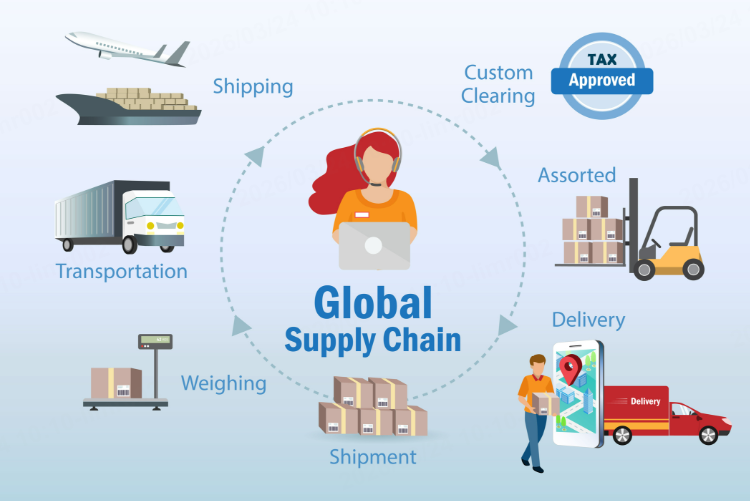
Table of Contents
The Strategic Importance of Product Curation
In an era where consumers are inundated with choices, the ability to curate a product catalog that resonates with a target audience is paramount. Retailers must move beyond generic sourcing strategies and adopt a more targeted approach to product procurement. The diversity of available merchandise is staggering, ranging from cutting-edge consumer electronics to artisanal home goods. Success in this environment is not solely dependent on the item itself, but on the narrative, quality, and value that the product brings to the end-consumer.
Identifying Niche Market Opportunities
Successful retailers often begin by identifying gaps in their local markets. By leveraging data analytics and monitoring consumer sentiment, businesses can identify specific trends that are ready for expansion. Once a niche is identified, the next step is locating the right production hub. Different regions in Asia specialize in different categories, and understanding this geographical specialization is key. For example, specific provinces are renowned for their expertise in precision engineering, while others excel in textile production or consumer plastics. Aligning your procurement strategy with these manufacturing clusters ensures that you are working with the best available expertise for your chosen category.
Assessing Quality Assurance Protocols
The reputation of a retail brand is inextricably linked to the quality of the products it carries. When dealing with large-scale procurement, consistency is the ultimate metric of success. Establishing rigorous quality assurance protocols is not just a defensive measure; it is a proactive strategy to build long-term customer loyalty. This involves clear communication of technical requirements, material standards, and performance benchmarks. Before committing to large volumes, successful retailers engage in iterative testing cycles, ensuring that every batch meets the exact specifications required for their target market. This commitment to quality acts as a filter, separating high-end retail brands from transient sellers.
Mastering the Dynamics of International Procurement
The physical movement of goods from a warehouse to a retail shelf involves a complex series of logistical, regulatory, and financial hurdles. Mastering these dynamics is what separates professional retailers from those who struggle with unpredictable supply chains.
Navigating Logistics and Supply Chain Efficiency
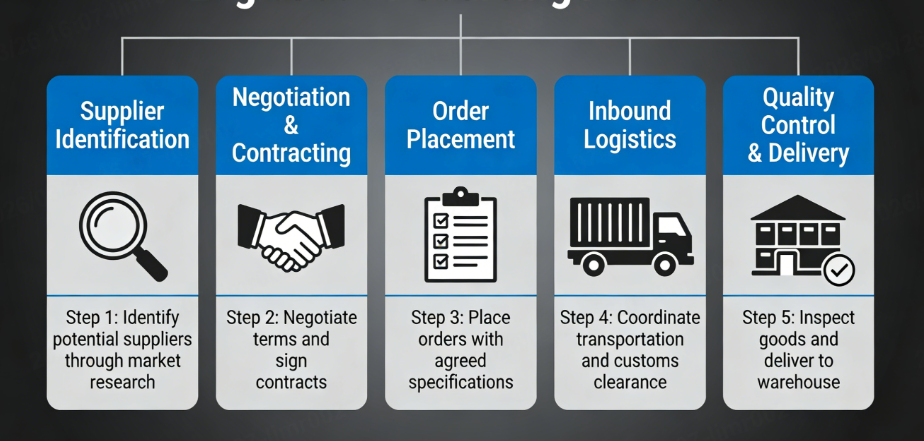
Logistics is the heartbeat of any wholesale operation. The ability to manage freight costs, customs clearance, and lead times is a foundational requirement. Many retailers now opt for hybrid shipping strategies, combining ocean freight for high-volume, lower-margin goods with air freight for high-priority or seasonal items. Furthermore, establishing a relationship with experienced logistics partners who understand the intricacies of international trade corridors can mitigate the risks of transit delays and unexpected port congestion. Efficient supply chain management is about predictability, allowing retailers to optimize their inventory levels and reduce storage overhead.
Managing Financial Risks and Payment Terms
International trade is inherently exposed to currency fluctuations and complex payment landscapes. Smart procurement strategies often involve hedging against currency volatility and utilizing secure payment platforms that offer protection for both buyer and seller. Establishing transparent payment terms—such as staggered payments upon milestone completion—not only secures your cash flow but also fosters a sense of mutual accountability between you and your supply partners. This financial rigor, when combined with clear contractual frameworks, creates a stable environment that supports sustainable business growth.
Building Lasting Partnerships for Scalability
The most resilient businesses do not treat their supply chain as a series of disconnected transactions. They view their procurement partners as integral parts of their wider corporate ecosystem. This shift from transactional buying to collaborative partnering is the engine of long-term scalability.
The Power of Collaborative Innovation
Top-tier retailers do not just order existing products; they co-innovate with their production partners. By sharing insights on consumer feedback, design preferences, and performance metrics, retailers can work with manufacturers to refine products, improve utility, and enhance aesthetic appeal. This collaborative approach leads to proprietary product variations that are difficult for competitors to replicate. When manufacturers feel like partners in your success, they are more likely to prioritize your orders, provide deeper technical support, and offer early access to new materials or manufacturing techniques.
Leveraging Technological Integration
In the digital age, manual procurement processes are becoming obsolete. Retailers who integrate their inventory management systems directly with their suppliers gain a significant edge. This real-time data sharing allows for automated reordering, precise forecasting, and immediate visibility into production status. By digitizing the supply chain, companies reduce the margin for human error, drastically shorten lead times, and create a transparent environment where potential bottlenecks can be identified and resolved before they impact the retail experience. This technological maturity is essential for any business aiming to scale operations globally.
Long-Term Value vs. Short-Term Gains
It is easy to get caught up in the pursuit of the lowest possible unit cost, but sustainable success requires a focus on total landed value. A product that is slightly more expensive but comes with higher reliability, better packaging, and more responsive customer service will almost always outperform a cheaper, less dependable alternative in the long run. By investing in relationships that prioritize quality and ethical manufacturing, retailers insulate themselves from the risks of supply chain volatility and public relations challenges. This focus on holistic value ensures that the brand remains strong and the business model remains viable in a fluctuating global market.
Navigating Cultural and Ethical Complexities
International sourcing is not just about numbers and logistics; it is fundamentally about human interaction and ethical responsibility. Understanding the cultural nuances of business in China can provide a competitive advantage, while upholding ethical standards is crucial for brand longevity.
Building Rapport through Cultural Sensitivity
Business culture in China often prioritizes the development of long-term relationships, or “guanxi.” This concept, which emphasizes mutual trust, social obligations, and reciprocity, is foundational to successful negotiations and stable supply chain operations. Retailers who take the time to visit their partners, respect local customs, and demonstrate a genuine interest in their success often find that they are treated with higher priority. This cultural bridge reduces friction in communication and creates a collaborative spirit that is invaluable during periods of market uncertainty.
Maintaining Ethical Supply Chains
Modern consumers are increasingly vigilant about the ethical conditions under which their products are manufactured. Retailers must conduct thorough due diligence regarding labor practices, environmental impact, and factory safety standards. Partnering with suppliers who demonstrate a commitment to ethical operations is not merely a moral imperative but a critical business safeguard. Transparency in the supply chain—from raw material sourcing to final assembly—protects the brand from scandal and appeals to the growing segment of consumers who prioritize sustainable and responsible consumption.
Conclusion
The pursuit of competitive advantage through international sourcing is a multifaceted discipline that rewards those who invest time, resources, and strategic foresight. By mastering the art of product curation, optimizing logistical workflows, embracing technological integration, and fostering deep, collaborative, and culturally aware partnerships, businesses can turn the challenge of international procurement into a profound engine for growth. The landscape of available merchandise is vast, but with a rigorous and professional approach to the entire supply lifecycle, any ambitious retailer can bridge the gap to global market excellence.
Unlock unparalleled value and premium quality by streamlining your wholesale procurement today athttps://looperbuy.com/.
Related Questions & Answers
· How can retailers ensure that the products they source meet local safety and regulatory standards?
It is essential to provide detailed compliance documentation to your suppliers from the start. Furthermore, hiring independent, third-party testing agencies to inspect and certify goods before they leave the manufacturing facility is the most effective way to ensure full regulatory alignment.
· What are the most common mistakes retailers make when first starting to source goods internationally?
Common pitfalls include neglecting to request physical samples for rigorous testing, failing to verify the legitimacy of suppliers through independent audits, and underestimating the total landed cost by focusing only on the unit price without accounting for shipping, duties, and brokerage fees.
· How do I maintain consistent quality when my retail business scales rapidly?
Scaling requires the implementation of standardized quality control checklists that are updated regularly. Using digital inventory and quality management software helps keep track of performance metrics across multiple product lines and ensures that all parties follow the same rigorous procedures.
· Is it better to work with large trading companies or smaller, specialized manufacturers?
The choice depends on your business needs. Large trading companies are often better for diverse product catalogs and consolidated logistics, while specialized manufacturers are better for high-quality, niche items where you require a deeper, more collaborative relationship and tighter control over production design.
· How can I protect my brand’s intellectual property when working with foreign production partners?
Always secure your designs with formal non-disclosure and non-circumvention agreements. Additionally, work with established manufacturers that have a proven history of professional integrity and consider registering your trademarks in the relevant jurisdictions where your production takes place.
Hot Tags:
GlobalSourcingStrategies; InternationalRetailLogistics; WholesaleProductProcurement; QualityControlManagement; SustainableSupplyChain; CrossBorderTradeExpertise; RetailExpansionTactics; StrategicVendorPartnerships; B2BMarketAnalysis; GlobalTradeCompliance; OptimizedFreightLogistics; ProductCurationExcellence; CompetitiveSupplyChain; InternationalProcurementFlow; ScalableRetailOperations; EfficientCustomsClearance; ValueAddedSourcing; SupplyChainRiskMitigation; MarketReadyMerchandise; ModernTradingDynamics; EmergingManufacturingClusters; DigitalSupplyChainTransformation; CrossCulturalBusinessNegotiation; EthicalProductionStandards; TotalLandedCostOptimization; StrategicInventoryForecasting; LongTermGuanxiRelations; GlobalMarketResilience; ProprietaryProductInnovation; ProactiveQualityAssurance