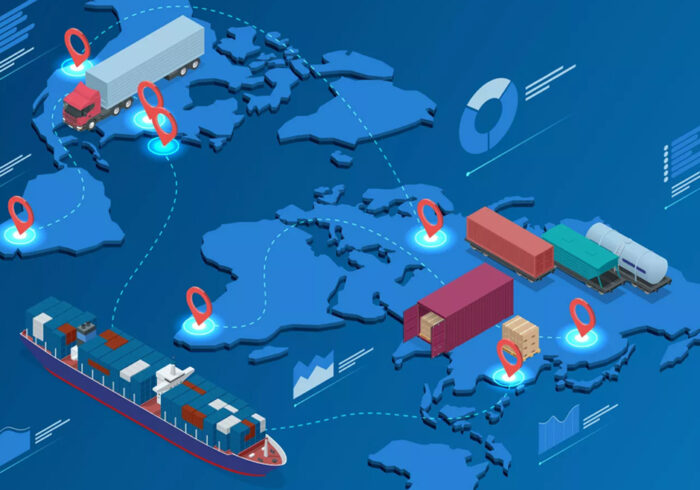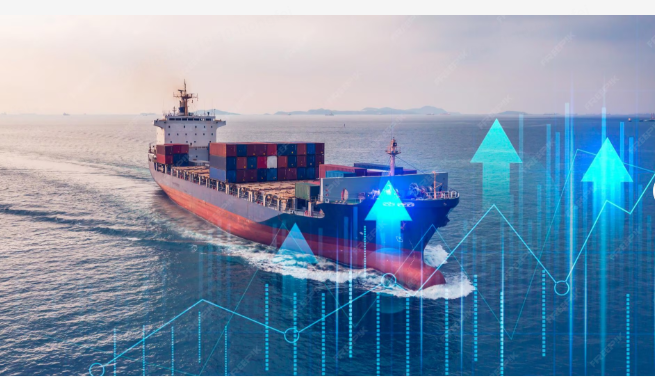
The global economy is inextricably linked to the ebb and flow of the world’s oceans. Approximately 90% of all internationally traded goods are transported by the shipping industry, making it the literal backbone of global commerce. From the raw materials that fuel industrial production to the finished consumer goods that fill retail shelves, maritime logistics is the invisible force that sustains modern life. For investors and analysts seeking to understand or capitalize on this complex sector, the Solactive Global Shipping Index has emerged as a critical benchmark. This index provides a transparent and rules-based framework for tracking the performance of the most influential companies in the maritime space, offering a window into the health of global trade and the shifting dynamics of international logistics.
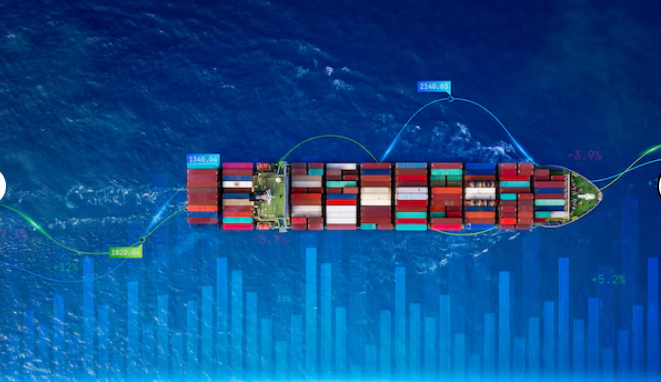
Table of Contents
The Architecture of the Solactive Global Shipping Index
Understanding the Solactive Global Shipping Index requires a deep dive into its construction and methodology. Unlike broad market indices that might include any company with a tangential connection to the sea, this index is specifically designed to isolate the performance of companies whose primary business models are rooted in the operation of commercial vessels.
Selection Criteria and Universe Definition
The selection process for the index begins with a rigorous screening of the global equity markets. To be eligible, a company must be listed on a regulated stock exchange and must be classified within specific sub-sectors of the shipping industry. These typically include container shipping, dry bulk carriers, tankers, and liquefied natural gas (LNG) or liquefied petroleum gas (LPG) transporters. The index methodology focuses on “pure-play” or significantly exposed entities, ensuring that the performance reflects the actual shipping market rather than diversified industrial conglomerates.
Liquidity is another paramount factor. Shipping stocks can be notoriously volatile and, in some cases, thinly traded. To ensure the index is investable for institutional products like ETFs, Solactive mandates strict average daily trading volume (ADTV) requirements. This ensures that the index constituents can be bought or sold without causing excessive market impact, providing a realistic representation of the tradable shipping universe.
Weighting Methodology and Rebalancing
The Solactive Global Shipping Index employs a free-float market capitalization-weighted approach. This means that larger companies with a greater proportion of shares available to the public have a more significant influence on the index’s movements. However, to prevent any single “mega-cap” shipping giant from dominating the index, capping mechanisms are often applied during the semi-annual rebalancing periods. This diversification ensures that the index reflects the broader industry rather than just the performance of one or two industry titans like Maersk or Hapag-Lloyd.
Rebalancing occurs periodically to account for corporate actions, shifts in market value, and changes in business focus. This dynamic nature allows the index to evolve alongside the industry, capturing the rise of new players and the consolidation of established ones. By maintaining a disciplined, rules-based approach, the index removes human bias from the selection process, providing a pure quantitative reflection of the maritime sector.
Sector Dynamics Within the Index
The shipping industry is not a monolith; it is composed of several distinct sectors, each with its own supply-and-demand drivers. The Solactive Global Shipping Index captures these nuances by including a balanced mix of companies across different maritime disciplines.
The Container Shipping Revolution
Container shipping is perhaps the most visible segment of the index. Companies in this sector operate massive vessels designed to carry standardized 20-foot and 40-foot containers. This segment is highly sensitive to consumer demand in major economies like the United States, Europe, and China. In recent years, the container sector has faced extreme cycles—from the record-breaking profits during the post-pandemic supply chain crunch to the current challenges of overcapacity as a “wave” of new vessel deliveries hits the market.
Within the index, container giants are often the heaviest weights. Their performance is a leading indicator of global retail health. When these companies report high freight rates and full vessels, it signals robust consumer spending. Conversely, declining rates often precede a cooling of the global economy.
Dry Bulk and Tanker Markets
The dry bulk sector focuses on the transportation of raw commodities such as iron ore, coal, and grain. This segment is the “workhorse” of the industrial economy. The performance of dry bulk companies within the index is closely tied to infrastructure development and energy needs, particularly in emerging markets. Volatility in the Baltic Dry Index often mirrors the movements of the dry bulk constituents in the Solactive index, reflecting the cost of moving these essential materials across the globe.
The tanker segment, on the other hand, deals with the movement of liquid energy—crude oil and refined petroleum products. This sector is heavily influenced by geopolitical events and OPEC+ production decisions. For instance, disruptions in the Middle East or changes in Russian oil flow often lead to increased “ton-miles” (the distance cargo must travel), which can drive up charter rates for tankers and boost the stock prices of these index members.
Macroeconomic and Geopolitical Influences
No industry is more sensitive to the shifting sands of geopolitics and macroeconomics than shipping. The Solactive Global Shipping Index serves as a barometer for these external pressures, fluctuating in response to events that happen thousands of miles away from traditional financial centers.
Navigational Challenges: Canals and Chokepoints
Geopolitical stability is a prerequisite for efficient shipping. Recent years have seen significant disruptions at key maritime chokepoints. The Suez Canal and the Red Sea, vital arteries for trade between Asia and Europe, have faced security threats that forced many vessels to reroute around the Cape of Good Hope. Such diversions increase transit times and fuel consumption, effectively reducing the available global fleet capacity and putting upward pressure on freight rates.
Similarly, the Panama Canal has struggled with climate-related issues, such as droughts limiting the number of daily crossings. For the companies tracked by the Solactive Global Shipping Index, these challenges are a double-edged sword. While they increase operational costs and complexity, the resulting reduction in effective supply often leads to higher rates, which can paradoxically improve profitability for the best-positioned carriers.
Inflation, Interest Rates, and Trade Wars
The shipping industry is capital intensive. Building a single ultra-large container ship can cost upwards of $200 million. Therefore, global interest rates significantly impact the cost of fleet expansion and debt servicing for index constituents. High-interest environments can lead to a slowdown in new ship orders, which may eventually lead to a supply shortage and higher future rates.
Trade policy also plays a pivotal role. The rise of protectionism and “friend-shoring” shifts traditional trade routes. If a significant portion of manufacturing moves from China to Southeast Asia or Mexico, the shipping companies in the index must adapt their networks. These structural shifts are reflected in the long-term performance trends of the index, as companies with flexible and diversified routes tend to outperform those tied to single, stagnating corridors.
The Green Transition and Technological Innovation
As we look toward 2026 and beyond, the shipping industry is undergoing its most significant transformation since the transition from sail to steam: the drive for decarbonization. This evolution is a primary theme for the Solactive Global Shipping Index as it tracks how companies manage this existential challenge.
Decarbonization and IMO Regulations
The International Maritime Organization (IMO) has set ambitious targets to reduce the carbon intensity of international shipping. This has forced companies within the index to invest heavily in “green” ships capable of running on alternative fuels such as methanol, ammonia, or liquefied natural gas (LNG). The capital expenditure required for this transition is immense.
Investors using the Solactive Global Shipping Index closely monitor which companies are leading the charge in fleet renewal. Those that successfully transition to more efficient, less polluting vessels may gain a competitive advantage through lower carbon taxes and better access to “green” financing. This regulatory pressure is not just an environmental issue; it is a fundamental driver of corporate valuation within the maritime sector.
Digitalization and AI in Logistics
Technology is also reshaping the industry from the inside out. Artificial Intelligence (AI) and big data are being used to optimize routes, predict maintenance needs, and manage fuel consumption. Autonomous or semi-autonomous vessels are no longer the stuff of science fiction; they are in various stages of testing and implementation.
Digitalization allows shipping companies to integrate more deeply into the broader supply chain, offering “end-to-end” logistics solutions rather than just port-to-port transport. This shift toward “logistics as a service” is a key trend among the major constituents of the index, as they seek to capture more value and reduce their exposure to the volatile spot freight markets.
Investment Significance and Market Outlook
The Solactive Global Shipping Index provides a standardized way for investors to gain exposure to a sector that was once the domain of specialized maritime funds. By packaging this complex industry into an index, it allows for the creation of exchange-traded products that offer diversification across the entire maritime value chain.
Hedging and Diversification
Shipping stocks often exhibit low correlation with traditional technology or consumer discretionary sectors, making them a valuable tool for portfolio diversification. Furthermore, because shipping rates are often priced in real-time based on demand for physical goods, the index can serve as a hedge against inflation. When the price of goods rises and trade volumes remain steady, the value of the transport service typically increases, benefiting the companies within the index.
However, investors must remain mindful of the cyclical nature of the industry. The shipping market is famous for its “boom and bust” cycles. Periods of high profitability lead to over-ordering of ships, which eventually leads to oversupply and a crash in rates. The Solactive Global Shipping Index captures these cycles in their entirety, offering high-reward opportunities for those who can time the cycles, but carrying significant risk during downturns.
Future Perspectives for 2026
Entering mid-2026, the outlook for the shipping industry remains cautiously optimistic but fraught with complexity. The “green” transition will continue to be the dominant story, with the gap widening between the industry leaders who have invested in new technology and the laggards operating aging, inefficient fleets. Trade patterns will continue to evolve as global supply chains become more fragmented and regionalized.
The Solactive Global Shipping Index will remain a vital tool for monitoring these shifts. Whether it is tracking the impact of a new trade agreement or the recovery of a major economy, the index provides the data necessary to navigate the turbulent waters of the global shipping market.
Conclusion
The Solactive Global Shipping Index is more than just a collection of stock prices; it is a comprehensive map of the global trading landscape. By providing a structured and transparent view of the world’s most important shipping companies, the index enables a deeper understanding of the forces that move the world. From the technicalities of vessel construction and fuel types to the high-stakes world of global geopolitics and environmental regulation, the index encapsulates the challenges and opportunities of the 21st-century maritime industry. As global trade continues to grow in complexity, the value of such a specialized benchmark will only increase, serving as an indispensable guide for anyone looking to understand the pulse of international commerce.
Just as the Solactive Global Shipping Index tracks the flow of world-class commerce, you can bring the best of international markets directly to your doorstep with seamless delivery and exclusive deals at https://looperbuy.com/.
Abstract
This article provides a comprehensive analysis of the Solactive Global Shipping Index, exploring its methodology, the dynamics of the container, bulk, and tanker sectors, and the impact of geopolitics and decarbonization. It highlights the index’s role as a critical benchmark for global trade and a tool for modern investors navigating the cyclical and evolving maritime logistics industry.
Related Questions & Answers
· What is the primary purpose of the Solactive Global Shipping Index?
The index is designed to track the performance of the most influential and liquid companies globally that are primarily engaged in the shipping industry, including sectors like container shipping, dry bulk, and tankers. It serves as a benchmark for investors and the basis for financial products like ETFs.
· How often is the Solactive Global Shipping Index rebalanced?
The index typically undergoes a semi-annual rebalancing process. This ensures that the components accurately reflect the current market landscape, accounting for changes in company market capitalization, liquidity, and business focus within the maritime sector.
· Which sectors are included in the Solactive Global Shipping Index?
The index covers a broad range of maritime activities, including container shipping (consumer goods), dry bulk carriers (commodities like iron ore and grain), tankers (crude oil and chemicals), and specialized vessels like LNG and LPG carriers.
· How do geopolitical events affect the companies in the index?
Geopolitical events, such as conflicts in the Red Sea or restrictions in the Suez Canal, often lead to vessel rerouting. While this increases operational costs, it can also reduce effective global ship supply, often leading to higher freight rates and potentially increased profitability for the index’s constituents.
· What role does decarbonization play in the future of the index?
Decarbonization is a major long-term driver. Companies within the index are under pressure from IMO regulations to modernize their fleets with “green” technology. This transition requires significant capital expenditure but is essential for long-term competitiveness and regulatory compliance.
Hot Tags:
Solactive Global Shipping Index; Maritime Logistics; Container Shipping; Dry Bulk Carriers; Tanker Market; Global Trade Benchmark; IMO 2023; Green Shipping; Decarbonization; Freight Rates; Supply Chain Management; Baltic Dry Index; Maritime Geopolitics; Shipyard Orderbook; Vessel Liquidity; Free-Float Market Cap; ETF Benchmarks; Port Congestion; LNG Carriers; Maritime Technology; AI In Logistics; Global Economy Indicators; Maersk; Hapag-Lloyd; COSCO Shipping; Trade Route Optimization; Chokepoint Disruptions; Maritime ESG; Fleet Modernization; Ocean Freight Volatility