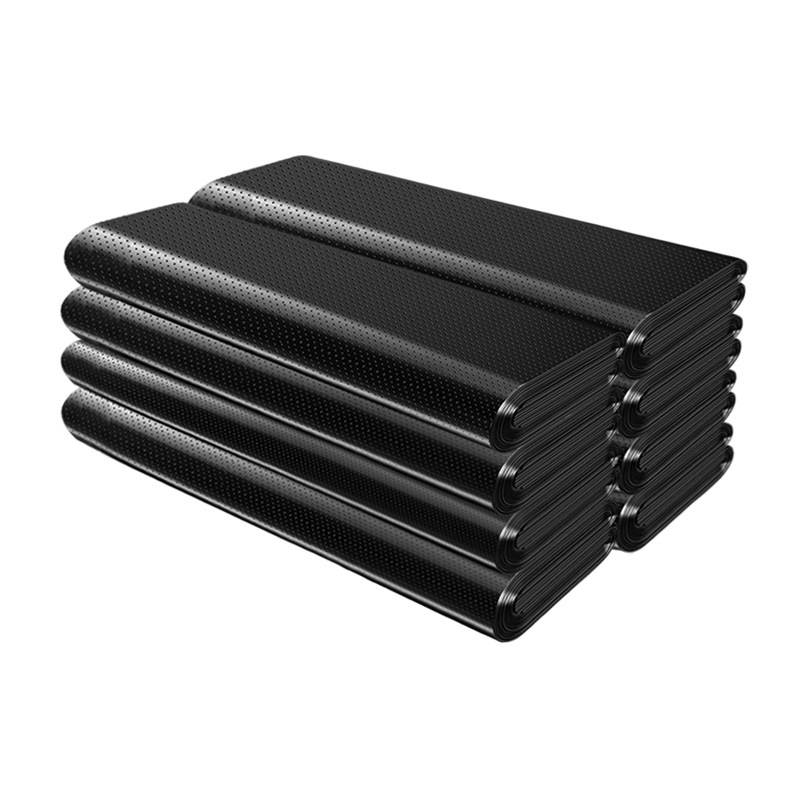
In the modern landscape of human civilization, few objects are as ubiquitous yet as overlooked as the black plastic bag. It is the silent sentinel of our curbsides, the heavy-duty workhorse of our construction sites, and the ultimate vessel for the discarded remnants of our daily lives. While its form is deceptively simple—a thin membrane of petroleum-derived polymer—its presence tells a complex story of chemical innovation, shifting social norms, and a growing environmental crisis. To understand the world we have built, we must look closely at this dark, flexible container that has become the primary mascot of our “throwaway culture.”
Table of Contents
The Historical Genesis of the Modern Waste Vessel
The story of the black plastic bag does not begin in a landfill, but in a laboratory. Before the 1950s, the management of household and industrial waste was a vastly different affair. Refuse was typically collected in heavy metal bins, wooden crates, or burlap sacks. These containers were noisy, prone to rusting, difficult to sanitize, and provided little protection against the odors and pathogens associated with decaying organic matter. The transition to plastic was driven by a desperate need for a lightweight, waterproof, and disposable alternative.
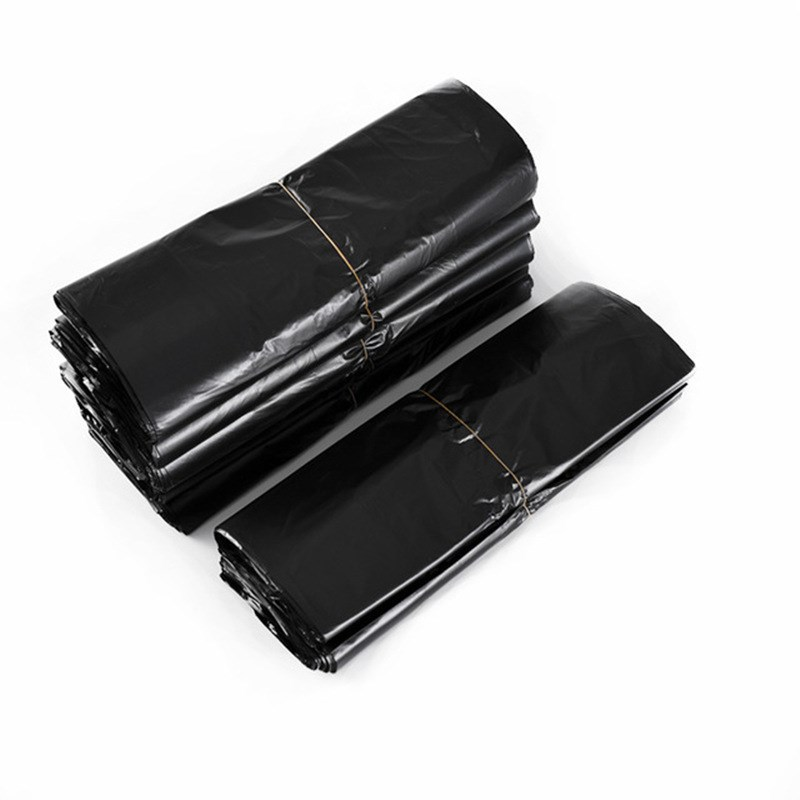
In 1950, Canadian inventors Harry Wasylyk and Larry Hansen created the first polyethylene garbage bag. Initially, these bags were not intended for the average homeowner; they were designed for commercial use, specifically for the Winnipeg General Hospital. The goal was to find a way to contain infectious medical waste safely. These early prototypes were green and black, colors chosen for their ability to hide the contents within. It wasn’t until the 1960s that the technology trickled down to the consumer market, forever changing the way humanity interacts with its own refuse.
The Chemistry of Darkness: Why the Color Black?
The distinctive dark hue of the black plastic bag is not merely an aesthetic choice; it is a calculated engineering decision rooted in polymer science. Most heavy-duty waste bags are manufactured using Low-Density Polyethylene (LDPE) or Linear Low-Density Polyethylene (LLDPE). While polyethylene is naturally translucent or milky white, the addition of a “masterbatch” containing carbon black transforms the material.
Carbon black is an incredibly fine powder produced by the incomplete combustion of heavy petroleum products. In the plastics industry, it serves two critical functions. First, it provides total opacity. In a society that values privacy and the compartmentalization of the “dirty” aspects of life, the ability to conceal waste from public view is a significant psychological benefit. Second, and perhaps more importantly, carbon black acts as a powerful ultraviolet (UV) stabilizer. Because plastic polymers are susceptible to photo-degradation—a process where sunlight breaks molecular chains and makes the plastic brittle—the carbon black absorbs the UV radiation, protecting the bag’s structural integrity when it is left outdoors.
Engineering Resilience: Tensile Strength and Molecular Chains
When we lift a heavy black plastic bag, we are relying on the tensile strength of millions of intertwined polymer chains. The manufacturing process, known as blown film extrusion, involves melting plastic resin and blowing it into a massive vertical bubble. This process aligns the molecular chains in both the machine direction and the transverse direction, creating a material that can stretch significantly before it punctures.
Industrial-grade black bags are often designed with a “star seal” at the bottom. This folding technique eliminates the side seams, which are traditionally the weakest points of a bag. By distributing the weight of the contents across the entire surface area of the plastic, the star seal allows a relatively thin membrane to support weights that would have crushed a paper or cloth bag of similar thickness. This engineering efficiency is why the black plastic bag remains the preferred choice for construction debris, landscaping waste, and heavy industrial byproducts.
The Psychology of Opacity and the Out-of-Sight Mindset
There is a profound sociological element to the use of the black plastic bag. In urban environments, the black bag serves as a “curtain” between the private home and the public street. When we place our waste in an opaque black container, we are performing an act of social filtration. We are signaling that the contents are no longer part of our lived experience and should be ignored by others.
This “out of sight, out of mind” philosophy has enabled the massive scaling of consumerism. Because the black bag hides the volume and nature of what we discard, it buffers us from the reality of our own waste production. Unlike a clear bag, which might trigger guilt by showing a pile of discarded food or single-use plastics, the black bag offers a clean, uniform exterior. This psychological shielding is a key reason why the black plastic bag has resisted replacement by more transparent, “greener” alternatives in many municipal systems.
The Recycling Paradox and the NIR Sorting Dilemma
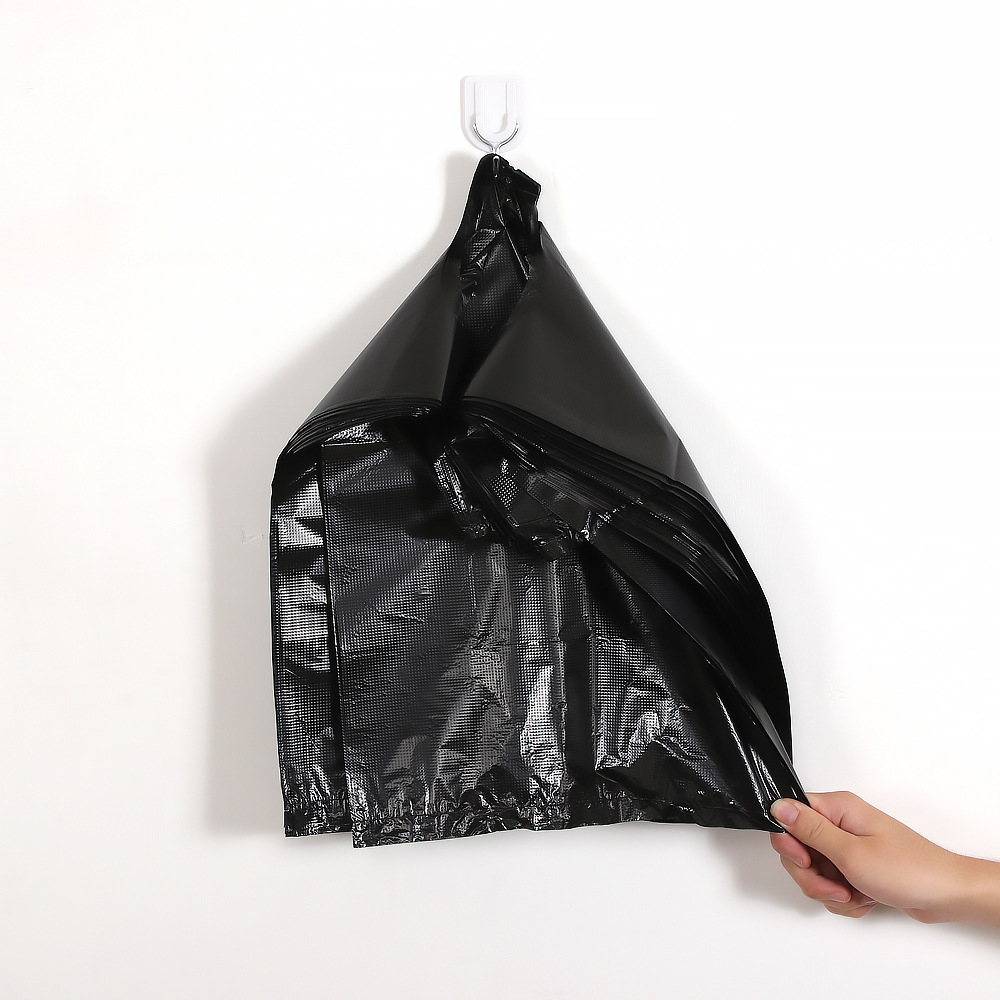
Despite its utility, the black plastic bag represents a significant hurdle for the global recycling industry. The very pigment that makes it durable—carbon black—is also its greatest weakness in a circular economy. Modern recycling facilities utilize Near-Infrared (NIR) spectroscopy to sort different types of plastics automatically. These sensors bounce light off the plastic and read the reflected wavelength to identify the polymer.
Because carbon black is a near-perfect absorber of infrared light, the sensors often cannot “see” the bag. To the machine, a black plastic bag appearing on a conveyor belt looks like a void or a shadow. As a result, millions of tons of high-quality polyethylene are diverted to landfills or incinerators because they cannot be sorted correctly. This has led to a push for “detectable” black pigments that use different chemical bases to reflect light, but the traditional, cheaper carbon-black bags still dominate the global market.
Environmental Legacy and the Microplastic Crisis
When a black plastic bag ends up in the natural environment, its durability becomes a curse. Because of the UV stabilizers mentioned earlier, these bags do not simply “disappear.” Instead, they undergo a slow process of fragmentation. Over decades, the wind, waves, and temperature shifts break the bag into smaller and smaller pieces, eventually reaching the stage of microplastics.
These dark fragments are particularly dangerous in marine environments. Sea turtles and other marine life often mistake floating black plastic bags for jellyfish or other prey. Once ingested, the plastic can cause intestinal blockages or a false sense of fullness, leading to starvation. Furthermore, because black plastic is often made from a “lowest common denominator” of recycled resins, it can sometimes contain trace amounts of heavy metals or flame retardants from previous industrial lives, which then leach into the soil and water as the bag breaks down.
Industrial Utility vs. Domestic Convenience
It is important to distinguish between the various grades of the black plastic bag. In the domestic sphere, these bags are often thin and scented to mask odors. In the industrial sphere, however, the black bag is a sophisticated piece of logistics equipment. Compactor bags, for instance, are designed to withstand thousands of pounds of pressure without bursting.
In agriculture, black plastic “silage bags” allow farmers to store fodder in an anaerobic environment, preserving it for months. In the construction industry, thick-gauge black liners are used to contain hazardous materials like asbestos or lead-contaminated soil, providing a leak-proof barrier that is essential for public safety. These applications highlight that the black plastic bag is not just a “trash bag,” but a critical tool for sanitation and safety across multiple sectors.
The Path Forward: Innovation and Alternative Materials
As the global community moves toward more sustainable practices, the black plastic bag is undergoing a transformation. Engineers are developing compostable versions made from PBAT (polybutylene adipate terephthalate) and cornstarch. While these bags lack the extreme durability of traditional polyethylene, they offer a solution for organic waste collection, allowing the bag and its contents to be processed into fertilizer.
Another area of innovation is the development of “circular” black plastics. Companies are experimenting with using bio-based carbon black, derived from sustainable wood sources or algae, to create bags that have a lower carbon footprint. Additionally, the rise of chemical recycling—which breaks plastic down to its molecular monomers—promises a future where even the most “un-sortable” black bags can be turned back into virgin-quality resin, bypassing the limitations of infrared sorting altogether.
Conclusion: A Necessary Reevaluation
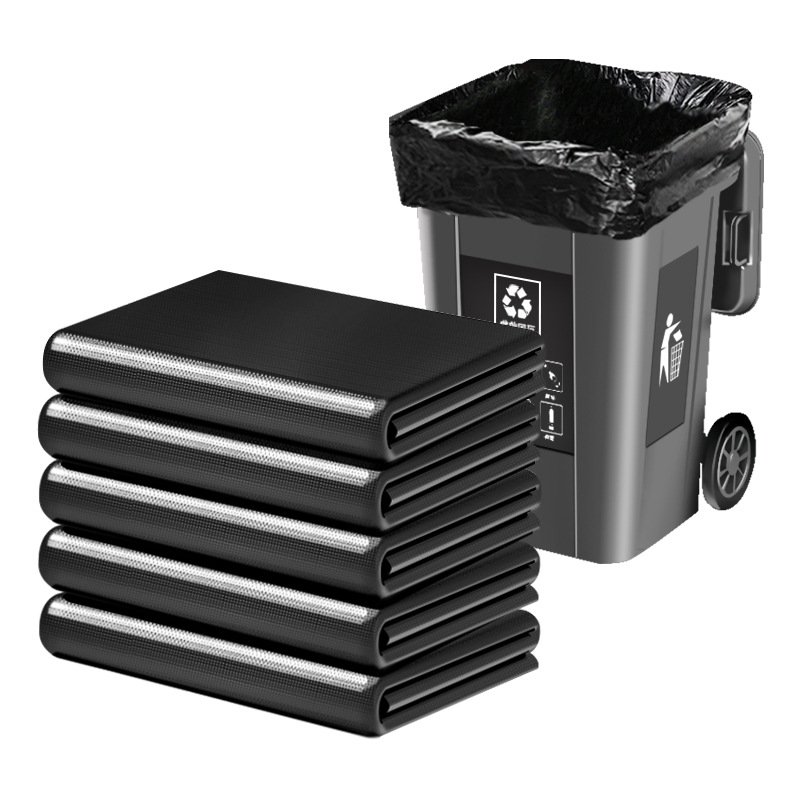
The black plastic bag is a masterpiece of industrial efficiency that has inadvertently created one of our most pressing environmental challenges. It represents the pinnacle of 20th-century material science—a product that is cheap, strong, and incredibly effective at its primary job. However, its legacy in the 21st century will be defined by how we choose to evolve it. We cannot simply wish away the black plastic bag; its role in hygiene and industry is too vital. Instead, we must focus on redesigning its chemistry and our waste-sorting infrastructure to ensure that this ubiquitous shadow of convenience no longer leaves a permanent mark on the planet.
How to purchase:Online B2B sourcing platform, China purchase, Chinese suppliers – LooperBuy
Frequently Asked Questions
1. Why are most heavy-duty trash bags black instead of other colors?
Black is chosen primarily because of the addition of carbon black. This pigment is inexpensive, provides total opacity to hide waste, and acts as a UV stabilizer that prevents the plastic from becoming brittle and breaking when exposed to sunlight.
2. Can I put black plastic bags in my curbside recycling bin?
In most municipalities, the answer is no. Most automated recycling centers use infrared light to sort plastics, and black pigment absorbs this light, making the bags unidentifiable to the machines. Furthermore, thin plastic bags often tangle in the sorting machinery.
3. What is the difference between LDPE and HDPE black bags?
LDPE (Low-Density Polyethylene) bags are thicker, more flexible, and highly resistant to puncturing and tearing, making them ideal for sharp or heavy objects. HDPE (High-Density Polyethylene) bags are thinner and crinkly; they are very strong for their weight but tear easily once punctured.
4. Are there truly biodegradable black plastic bags available?
Yes, there are bags made from compostable polymers like PLA or PBAT. However, these are designed for food waste and will not break down in a standard landfill. They require the heat and microbial activity of a professional composting facility to decompose properly.
5. Do black plastic bags pose any health risks?
For their intended use of waste disposal, they are safe. However, you should never use black plastic bags for food storage or cooking. They are not food-grade and may contain recycled materials or chemical additives that are not safe for ingestion or contact with heat.
HOT TAGS:
black plastic bag, polymer science, waste management, carbon black pigment, environmental impact, recycling challenges, industrial packaging, polyethylene history, microplastic pollution, household hygiene, UV stabilization, plastic manufacturing, sustainable innovation, trash bag engineering, urban sanitation, disposal psychology, chemical recycling, waste infrastructure, LDPE vs HDPE, compostable alternatives