In the modern digital landscape, headphones have transitioned from being simple peripheral devices to essential lifestyle accessories. Whether you are a professional music producer, a dedicated gamer, or someone who finds solace in a commute filled with podcasts, your headphones are likely a constant companion. However, high-quality audio equipment often comes with a significant price tag, and the wear and tear on the ear pads—specifically the dreaded peeling of synthetic leather—can make even the most expensive headset look and feel neglected. This is where the artistry of the headphone cover sewing pattern comes into play. By learning to create your own covers, you not only extend the life of your equipment but also gain a platform for personal expression and enhanced comfort.
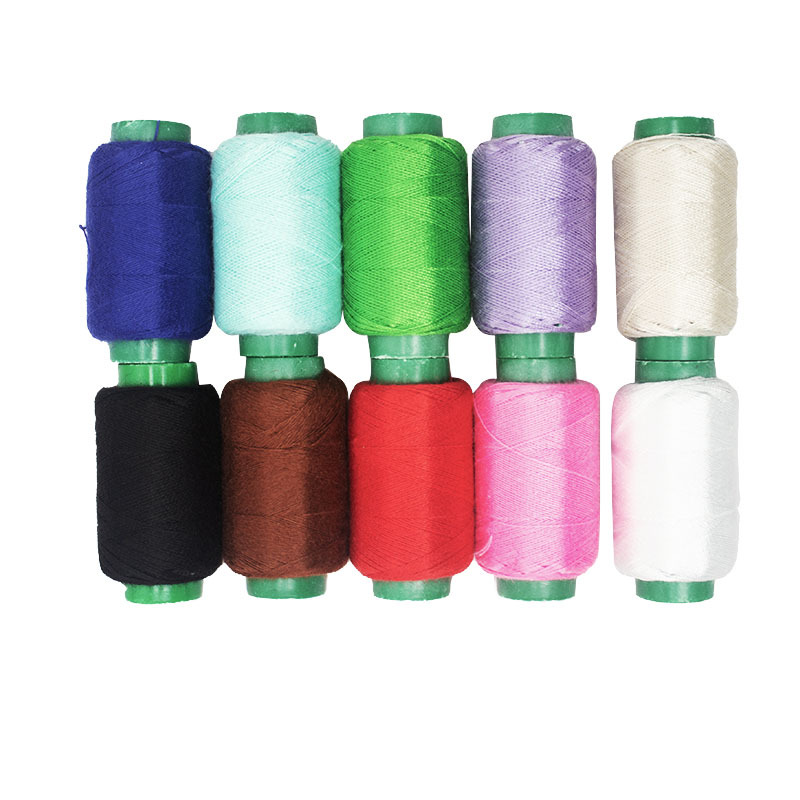
Table of Contents
The Significance of Custom Headphone Protectors
The primary reason enthusiasts seek out a headphone cover sewing pattern is the inevitable degradation of protein leather. Most manufacturers use a thin layer of polyurethane over a foam base. Over time, skin oils, sweat, and friction cause this layer to crack and flake off, leaving black specks on your ears and face. Beyond aesthetics, this degradation can impact the acoustic seal and overall hygiene of the device.
Custom covers offer a sustainable solution. Instead of discarding the entire ear pad or purchasing expensive, low-quality replacements that will eventually peel again, a fabric cover acts as a breathable barrier. These covers are easily removable and washable, ensuring that your audio gear remains sanitary even after hours of use. Furthermore, from a fashion perspective, the ability to match your headphones to your outfit or gaming setup through specific fabric choices provides a level of personalization that mass-produced products simply cannot offer.
Essential Materials and Preparation for Your Project
Before diving into the construction of your headphone cover sewing pattern, gathering the right materials is crucial for ensuring both durability and sound quality. Not all fabrics are created equal when it comes to audio transparency.
Choosing the Right Fabric
The choice of fabric is perhaps the most critical decision in this project. You need a material that is breathable, stretchable, and thin enough not to muffle the high-frequency sounds coming from the drivers.
- Cotton Jersey: This is a top choice because it is soft against the skin and offers a natural stretch. It mimics the feel of a comfortable t-shirt and absorbs moisture well.
- Performance Spandex or Lycra: Ideal for gym-goers, these synthetic blends are moisture-wicking and provide a very snug fit, ensuring the cover stays in place during movement.
- Velvet or Microfiber: For those seeking a luxury feel, a thin stretch velvet can offer a plush experience, though it may be slightly warmer during long listening sessions.
- Mesh Fabrics: If your primary concern is maintaining the exact sound signature of open-back headphones, an athletic mesh is the most acoustically transparent option.
Necessary Sewing Tools
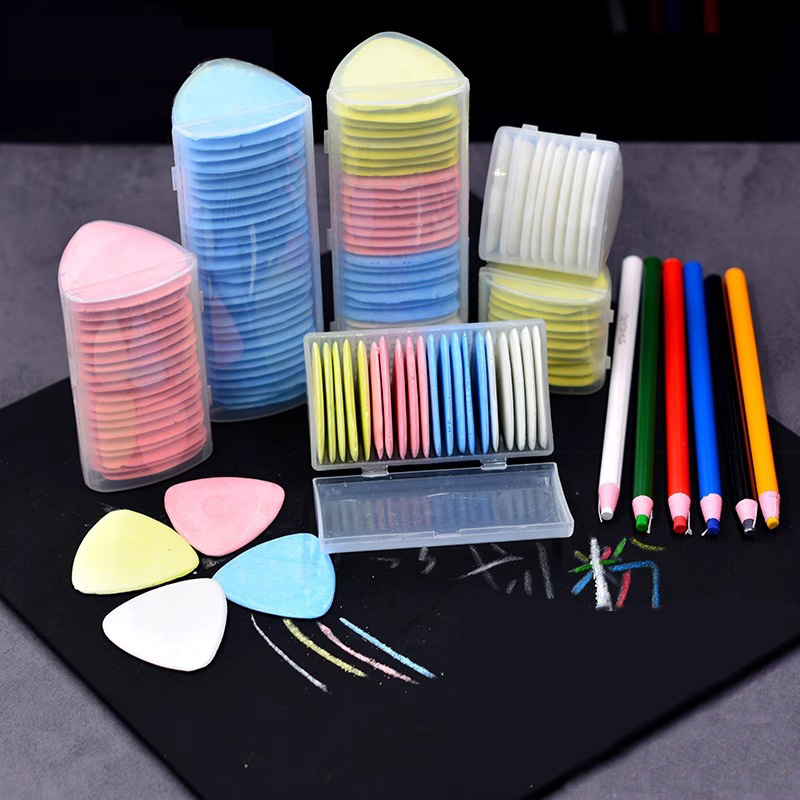
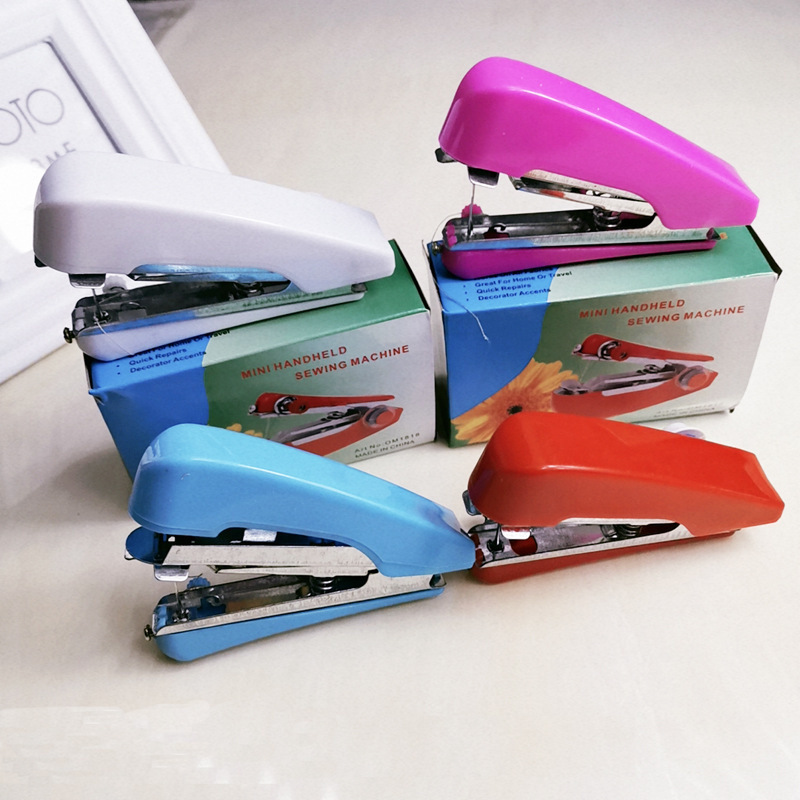
To execute a professional-looking headphone cover sewing pattern, you will need a standard sewing kit, though a few specialized items can make the process smoother. A sewing machine with a “stretch stitch” or “zigzag” capability is highly recommended, as straight stitches will likely snap when you stretch the cover over the ear cups. You will also need high-quality polyester thread, which offers more “give” than cotton thread. Small, sharp embroidery scissors are essential for clipping curves, and a soft measuring tape is vital for capturing the dimensions of your specific headphone model. Finally, don’t forget the elastic—usually 1/8 inch or 1/4 inch braided elastic is perfect for securing the cover around the rim of the ear cup.
Designing Your Unique Headphone Cover Sewing Pattern
Creating a template that fits your specific headset is the most technical part of the process. Headphone ear cups come in various shapes—circular, oval, or even “D-shaped”—and sizes ranging from compact on-ear models to massive over-ear studio monitors.
Measuring the Dimensions
To begin your pattern, you must measure three key areas: the diameter (or width and height for ovals), the depth of the ear pad, and the circumference of the back rim where the cover will anchor. Use your soft measuring tape to go across the widest part of the ear pad. If you have a Sony WH-1000XM4, for example, you will notice an oval shape that requires more vertical length than horizontal width. Make sure to measure the “loft” or thickness of the foam, as the fabric needs to wrap around the sides to stay secure.
Drafting the Paper Template
Once you have your measurements, it is time to translate them onto paper. Trace the shape of your ear pad onto a piece of cardstock. To this base shape, you must add “ease” and “seam allowance.” Typically, adding 1 to 1.5 inches around the entire perimeter provides enough fabric to cover the sides and create a casing for the elastic. If your headphones are particularly deep, you may need to add more. Remember, it is always better to have a pattern that is slightly too large, as you can trim it down, whereas a pattern that is too small will be unusable.
Accounting for Sound Holes
A sophisticated headphone cover sewing pattern often includes a “donut” design rather than a solid circle. A solid circle of fabric covers the driver entirely, which can slightly dampen the audio. A donut-shaped cover protects the outer padding where your skin touches but leaves the center open for the sound to travel unimpeded. To draft this, mark a smaller circle or oval in the center of your main pattern, leaving about 1 to 1.5 inches of “ring” width. This design is slightly more complex to sew but offers the best acoustic performance.
The Step-by-Step Construction Process
With your pattern drafted and fabric selected, you can move into the assembly phase. Precision here ensures that the covers don’t slip off or look bulky.
Cutting the Fabric
Pin your paper pattern to the fabric, ensuring that the direction of greatest stretch (the grainline) runs horizontally across the pattern. This allows the cover to expand easily over the width of the headphones. Use sharp fabric shears to cut two identical pieces. If you are making the “donut” style, carefully cut out the center hole as well. It is often helpful to use a disappearing ink fabric marker to trace the pattern before cutting, ensuring absolute accuracy.
Sewing the Casing
The most effective way to secure a headphone cover is through an elasticated casing. Fold the outer edge of your fabric circle toward the “wrong” side by about 1/2 inch. Pin this fold all the way around. Using a zigzag stitch or a dedicated stretch stitch, sew near the raw edge to create a tunnel. Crucially, leave a small gap—about 1 inch—unsewn. This gap is where you will thread your elastic through later. If you are sewing the donut style, you will also need to finish the inner circle. You can do this by using a narrow zigzag stitch to prevent fraying or by applying a thin bias tape for a professional contrast.
Threading the Elastic and Finishing
Cut a piece of elastic that is roughly 70% of the circumference of your ear cup. Using a small safety pin, thread the elastic through the casing you created. Once it comes out the other side, pull it tight so the fabric bunches slightly. Overlap the ends of the elastic by half an inch and sew them together securely with a heavy zigzag stitch. Finally, tuck the elastic into the casing and sew the small gap closed. Your cover is now ready to be stretched over the ear pad.
Advanced Customization and Aesthetic Enhancements
Once you have mastered the basic headphone cover sewing pattern, you can begin to experiment with advanced techniques that elevate your project from a simple repair to a piece of wearable art.
Adding Textures and Embellishments
For those who want their gear to stand out, consider incorporating different textures. You can use a combination of fabrics—perhaps a smooth jersey for the part that touches the ear and a decorative lace or patterned cotton for the sides. Embroidery is another excellent way to customize. Adding your initials or a small icon (like a lightning bolt or a music note) to the side of the cover can make the headphones uniquely yours. However, ensure that any embroidery is done on the outer rim so that the back of the stitches doesn’t irritate your skin.
Seasonal and Functional Variations
Think about the environment in which you use your headphones. If you live in a cold climate, you might create a “winter set” using a thin, high-quality fleece or faux fur. While this will be much warmer, it can be incredibly cozy for outdoor listening. Conversely, for summer, you might use “cooling” fabrics infused with xylitol or other heat-dissipating technologies found in athletic wear. Having multiple sets of covers allows you to rotate them, ensuring you always have a fresh pair while others are in the laundry.
Maintaining and Caring for Your Handmade Covers
The beauty of a DIY project is its longevity when properly maintained. Unlike the original synthetic leather pads that disintegrate, fabric covers can last for years if cared for correctly.
Washing and Hygiene
Because the covers are in direct contact with your skin, they will accumulate sweat and oils. It is recommended to wash them every two weeks if used daily. Since they are small, placing them in a mesh laundry bag prevents them from getting lost in the washing machine or damaged by heavier items like jeans. Use a gentle detergent and avoid fabric softeners, which can sometimes break down the elastic fibers over time. Air drying is preferable to machine drying, as high heat can cause the elastic to lose its snap.
Monitoring for Wear
Periodically inspect your covers for any thinning of the fabric or loosening of the elastic. If the fabric starts to pilling, a small fabric shaver can restore the smooth surface. If the elastic wears out, you don’t need to make a whole new cover; simply open a small section of the casing, pull out the old elastic, and thread through a new piece. This modular approach to maintenance is the hallmark of sustainable DIY crafting.
Conclusion
Mastering the headphone cover sewing pattern is a rewarding endeavor that bridges the gap between technical utility and creative expression. It empowers users to take control of their high-end electronics, transforming them from disposable commodities into durable, personalized tools. By selecting the right fabrics, taking precise measurements, and following a disciplined construction process, anyone with basic sewing skills can significantly enhance their listening experience. Whether you are solving the problem of flaking leather, looking for a more hygienic solution for the gym, or simply wanting to add a splash of color to your workspace, custom headphone covers provide a practical and stylish solution. The journey from a simple piece of fabric to a perfectly fitted audio accessory is a testament to the value of the “repair and customize” ethos in our modern world.
How to purchase:Online B2B sourcing platform, China purchase, Chinese suppliers – LooperBuy
Article Summary
This comprehensive guide explores the creation of a headphone cover sewing pattern, offering a sustainable and stylish solution for repairing worn-out ear pads. It covers material selection, precise measurement techniques, step-by-step construction, and advanced customization to enhance both comfort and audio gear longevity.
Related Questions & Answers
· What is the best fabric for headphone covers to ensure sound quality isn’t affected?
The best fabrics are those with an open weave or significant breathability, such as thin cotton jersey, athletic mesh, or lightweight spandex. These materials allow sound waves to pass through with minimal interference, preserving the clarity of high frequencies while providing a comfortable barrier for the skin.
· Can I make headphone covers without a sewing machine?
Yes, you can absolutely sew headphone covers by hand. Using a “backstitch” for the casing will provide the strength needed to hold the elastic, while a “running stitch” can be used for less stressed areas. Hand sewing allows for greater control, though it will take significantly longer than using a machine.
· How do I know if my pattern is too tight for my headphones?
If you find that the fabric is distorting the shape of the ear pad or if the foam is being compressed significantly, the pattern is too tight. A proper fit should skim the surface of the pad without squishing it, as compressing the foam can alter the acoustic chamber and change the sound profile of the headphones.
· Do these covers work on both on-ear and over-ear headphones?
Yes, the logic of the sewing pattern remains the same for both. The only difference lies in the initial measurements. On-ear headphones will require a smaller diameter and likely a narrower casing, while over-ear headphones need a larger template to accommodate the full size of the ear cup.
· Is it necessary to use elastic, or can I use a drawstring?
While elastic provides the cleanest and most low-profile fit, a drawstring made of thin ribbon or cord can also work. A drawstring allows for an adjustable fit, which is useful if you want to use the same covers on two slightly different sets of headphones, though the knot may be slightly more bulky than an elastic join.
Hot Tags:
Headphone Cover Sewing Pattern; DIY Headphone Covers; Sewing For Beginners; Audio Accessory DIY; Headphone Ear Pad Repair; Sustainable Tech; Crafting For Gamers; Fabric Ear Pad Covers; Sewing Projects; Custom Audio Gear; Breathable Fabric Covers; Sony Headphone Mod; Bose Headphone Repair; Gaming Headset Customization; Protective Ear Pad Sleeves; Stretch Fabric Sewing; Handmade Audio Accessories; Sewing Patterns; DIY Tech Projects; Headphone Hygiene; Washable Headphone Covers; Cotton Jersey Sewing; Elastic Casing Tutorial; Audio Transparency; Headphone Maintenance; Upcycled Electronics; Personalized Headphones; Sewing Room Ideas; Crafting Comfort; Creative Sewing Tips