Dropshipping has emerged as a popular business model for aspiring entrepreneurs looking to enter the e-commerce space with minimal upfront investment. This guide will explore how to learn dropshipping effectively, covering essential strategies, resources, and tips to help you succeed in this competitive market.

Table of Contents
Understanding Dropshipping
What is Dropshipping?
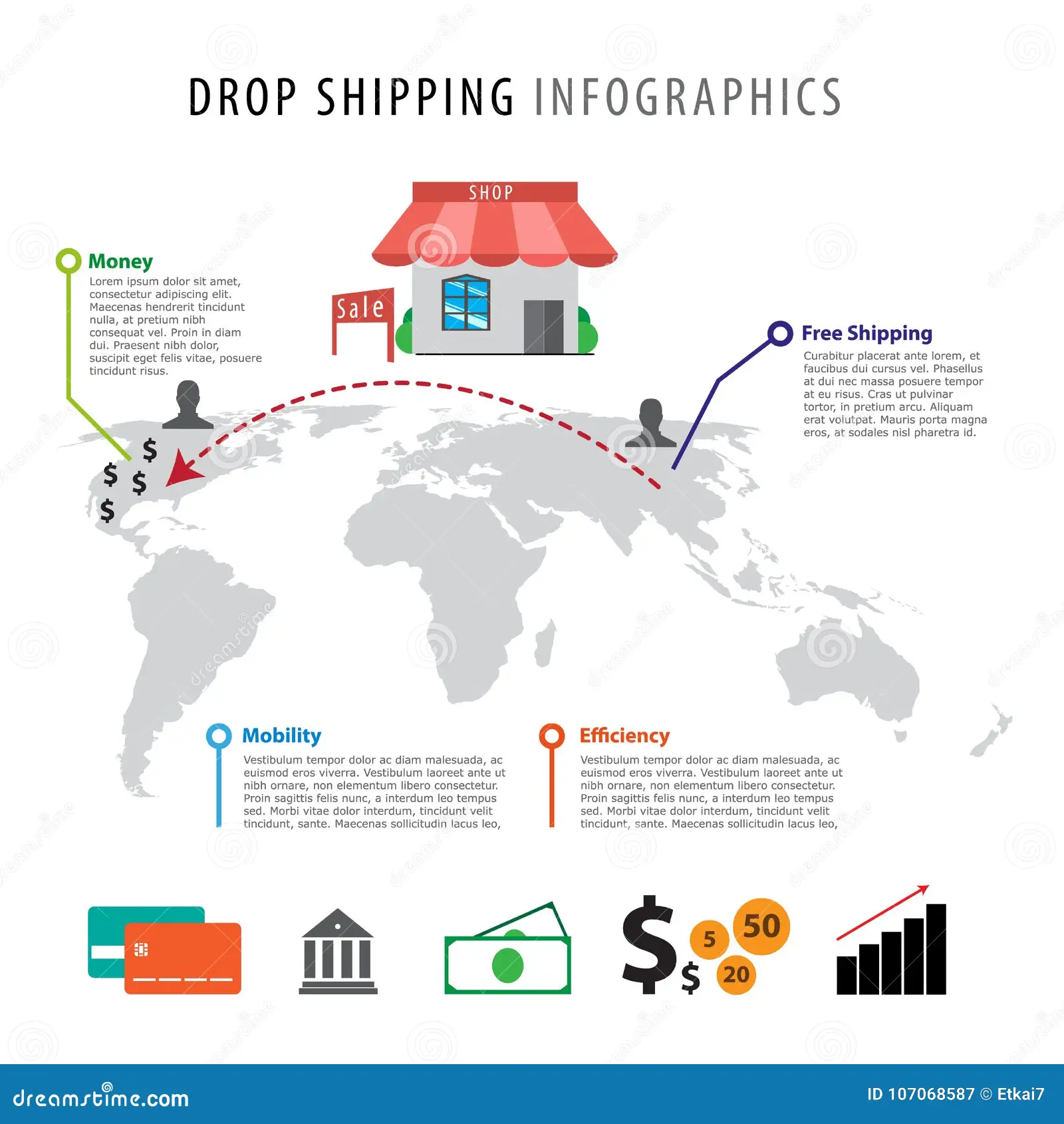
Dropshipping is a retail fulfillment method where a store does not keep the products it sells in stock. Instead, when a store sells a product, it purchases the item from a third party and has it shipped directly to the customer. This means that the seller never sees or handles the product, allowing for a low-risk business model.
How Does Dropshipping Work?
The dropshipping process involves several key steps:
- Customer Orders: A customer places an order on your online store.
- Order Forwarding: You forward the order details to your supplier, who charges you the wholesale price.
- Supplier Ships: The supplier ships the product directly to the customer.
- Profit Margin: The difference between the retail price and the wholesale price is your profit.
This model allows you to operate without the need for inventory, making it an attractive option for many new entrepreneurs.
Steps to Learn Dropshipping
Step 1: Research and Choose Your Niche
Choosing the right niche is crucial for your dropshipping success. Here are some tips to help you select a profitable niche:
- Market Trends: Use tools like Google Trends to identify what products are currently in demand. This can help you stay ahead of the competition and cater to consumer needs.
- Passion and Interest: Select a niche that aligns with your interests or hobbies, as this will keep you motivated. When you are passionate about your products, it shows in your marketing and customer interactions.
- Competition Analysis: Research existing competitors in your chosen niche to understand their strengths and weaknesses. Analyze their product offerings, pricing strategies, and customer engagement tactics.
Step 2: Find Reliable Suppliers
Your suppliers are the backbone of your dropshipping business. Here’s how to find trustworthy suppliers:
- Supplier Directories: Use platforms like AliExpress, SaleHoo, or Oberlo to find reputable suppliers. These platforms often have reviews and ratings that can help you gauge supplier reliability.
- Contact Suppliers: Reach out to potential suppliers to ask about their shipping times, return policies, and product quality. Establishing a good relationship with your suppliers can lead to better service and pricing.
- Order Samples: Before committing, order samples to evaluate the product quality and shipping speed. This step is crucial to ensure that the products you sell meet your customers’ expectations.
Step 3: Set Up Your Online Store
Creating an online store is a straightforward process, especially with platforms like Shopify or WooCommerce. Here’s how to get started:
- Choose a Platform: Select an e-commerce platform that suits your needs. Shopify is user-friendly and ideal for beginners, while WooCommerce offers more customization options for those with technical skills.
- Design Your Store: Customize your store’s design to reflect your brand. Use high-quality images and engaging product descriptions. A well-designed store can significantly enhance the shopping experience and increase conversion rates.
- Set Up Payment Methods: Integrate payment gateways like PayPal or Stripe to facilitate transactions. Ensure that your payment process is secure and user-friendly to build customer trust.
Step 4: Market Your Store
Once your store is set up, it’s time to attract customers. Here are effective marketing strategies:
- Social Media Marketing: Utilize platforms like Instagram and Facebook to promote your products and engage with potential customers. Create visually appealing posts and stories to showcase your products and connect with your audience.
- Search Engine Optimization (SEO): Optimize your website for search engines to increase organic traffic. Use relevant keywords in your product descriptions, blog posts, and meta tags to improve your search rankings.
- Email Marketing: Build an email list and send newsletters to keep customers informed about new products and promotions. Personalized emails can help increase customer loyalty and drive repeat sales.
Step 5: Analyze and Optimize
After launching your store, continuously analyze your performance and make necessary adjustments:
- Track Metrics: Use tools like Google Analytics to monitor website traffic, conversion rates, and customer behavior. Understanding your metrics can help you identify areas for improvement.
- A/B Testing: Experiment with different marketing strategies, product prices, and website layouts to see what works best. A/B testing allows you to make data-driven decisions that can enhance your store’s performance.
- Customer Feedback: Encourage customers to leave reviews and feedback to improve your offerings. Actively responding to customer feedback can help build trust and improve your brand reputation.
Advanced Strategies for Dropshipping Success
Building a Brand
Creating a strong brand identity is essential for standing out in the crowded dropshipping market. Here are some strategies to build your brand:
- Unique Value Proposition: Clearly define what makes your store different from competitors. This could be exceptional customer service, unique product offerings, or a commitment to sustainability.
- Consistent Branding: Ensure that your branding is consistent across all platforms, including your website, social media, and marketing materials. Consistent branding helps build recognition and trust with your audience.
- Engaging Content: Create valuable content that resonates with your target audience. This could include blog posts, videos, or social media content that educates and entertains.
Leveraging Technology
Utilizing technology can streamline your dropshipping operations and improve efficiency:
- Automation Tools: Use automation tools to manage inventory, process orders, and handle customer service inquiries. Tools like Oberlo and Spocket can help automate product imports and order fulfillment.
- Chatbots: Implement chatbots on your website to provide instant customer support. Chatbots can answer common questions and guide customers through the purchasing process, enhancing the overall shopping experience.
- Analytics Software: Invest in analytics software to gain deeper insights into your business performance. Tools like SEMrush and Ahrefs can help you analyze your SEO efforts and identify opportunities for improvement.
Expanding Your Product Range
As your dropshipping business grows, consider expanding your product range to attract a broader audience:
- Market Research: Continuously conduct market research to identify new product opportunities. Stay updated on industry trends and consumer preferences to ensure your offerings remain relevant.
- Cross-Selling and Upselling: Implement cross-selling and upselling strategies to increase average order value. Recommend related products or offer discounts on bundled items to encourage customers to purchase more.
- Seasonal Products: Introduce seasonal products to capitalize on trends and holidays. This can help you attract new customers and boost sales during peak shopping periods.
Managing Returns and Refunds
Handling returns and refunds effectively is crucial for maintaining customer satisfaction and trust. Here are some strategies:
- Clear Return Policy: Establish a clear and concise return policy that outlines the process for returns and refunds. Make this information easily accessible on your website.
- Streamlined Process: Create a streamlined process for handling returns. This could involve providing customers with prepaid return labels and clear instructions on how to return items.
- Customer Communication: Communicate with customers throughout the return process. Keep them informed about the status of their return and refund to enhance their experience.
Advanced Marketing Techniques
To scale your dropshipping store, consider implementing advanced marketing techniques:
- Influencer Marketing: Collaborate with influencers in your niche to reach a wider audience. Influencers can help promote your products through authentic content that resonates with their followers.
- Retargeting Ads: Use retargeting ads to reach customers who have previously visited your store but did not make a purchase. Retargeting can help remind potential customers of your products and encourage them to return.
- Content Marketing: Invest in content marketing to establish your brand as an authority in your niche. Create informative blog posts, videos, and guides that provide value to your audience and drive traffic to your store.
Resources for Learning Dropshipping
Online Courses
Investing in online courses can significantly enhance your knowledge and skills. Here are some recommended platforms:
- Udemy: Offers a variety of dropshipping courses covering everything from basics to advanced strategies. Look for courses with high ratings and positive reviews to ensure quality.
- Shopify Academy: Provides free resources and courses specifically designed for Shopify users. These courses cover essential topics like store setup, marketing, and customer service.
- YouTube: Many successful dropshippers share their experiences and tips through video tutorials. Channels dedicated to e-commerce can provide valuable insights and practical advice.
Books and E-books
Reading books on dropshipping can provide in-depth insights. Some popular titles include:
- “The Ultimate Guide to Dropshipping” by Mark Hayes
- “Dropshipping: Your Guide to Mastering Dropshipping” by Anthony Parker
- “E-commerce Evolved” by Tanner Larsson, which covers broader e-commerce strategies that can benefit dropshippers.
Community and Forums
Joining online communities can provide support and valuable insights. Consider participating in:
- Facebook Groups: Look for groups focused on dropshipping where members share tips and experiences. Engaging with a community can help you learn from others’ successes and challenges.
- Reddit: Subreddits like r/dropship can be great for asking questions and learning from others. The community often shares valuable resources and advice.
Conclusion
Learning dropshipping requires dedication, research, and a willingness to adapt. By following the steps outlined in this guide, you can build a successful dropshipping business. Remember to continuously educate yourself, stay updated on market trends, and engage with your customers to foster loyalty and growth.
As you embark on your dropshipping journey, remember that the right products can make all the difference in your success—discover unique and trending items that will captivate your customers at LooperBuy.
Summary: This comprehensive guide provides aspiring entrepreneurs with essential steps to learn dropshipping, including niche selection, supplier sourcing, online store setup, marketing strategies, and performance analysis. By leveraging online courses, books, and community support, individuals can effectively navigate the dropshipping landscape and build a successful business.
Hot Tags: Dropshipping; E-commerce; Online Business; Shopify; Supplier Sourcing; Market Research; Digital Marketing; SEO; Customer Engagement; Business Strategy; Niche Selection; Profit Margin; E-commerce Trends; Online Store Setup; Social Media Marketing; Email Marketing; A/B Testing; Customer Feedback; Business Growth; E-commerce Courses; Dropshipping Success; Product Quality; Shipping Times; Retail Fulfillment; Business Model; Entrepreneurial Skills; Online Retail; Market Analysis; Business Optimization; Dropshipping Resources.
Related Questions & Answers
· What are the most profitable niches for dropshipping in 2024?
Some of the most profitable niches for dropshipping in 2024 include eco-friendly products, health and wellness items, tech gadgets, and home fitness equipment. Researching current trends and consumer interests can help identify lucrative opportunities.
· How can I effectively manage returns and refunds in a dropshipping business?
To manage returns and refunds effectively, establish a clear return policy, streamline the return process, and maintain open communication with customers throughout the return journey.
· What are some advanced marketing techniques to scale a dropshipping store?
Advanced marketing techniques include influencer marketing, retargeting ads, and content marketing. These strategies can help you reach a broader audience and drive more traffic to your store.