Table of Contents
Introduction to Global Shipping
In an increasingly interconnected world, global shipping plays a crucial role in facilitating international trade and commerce. Companies like Atlantic Global Shipping Pvt Ltd exemplify the importance of efficient logistics and transportation solutions in today’s economy. This article explores the evolution of global shipping, highlighting key trends, challenges, and innovations that shape the industry.
Understanding Global Shipping
The Importance of Global Shipping
Global shipping is the backbone of international trade, enabling the movement of goods across borders. It connects manufacturers, suppliers, and consumers, facilitating the exchange of products and services on a global scale. The efficiency of shipping operations directly impacts supply chains, influencing costs, delivery times, and customer satisfaction.
Key Components of Global Shipping
Several key components contribute to the effectiveness of global shipping:
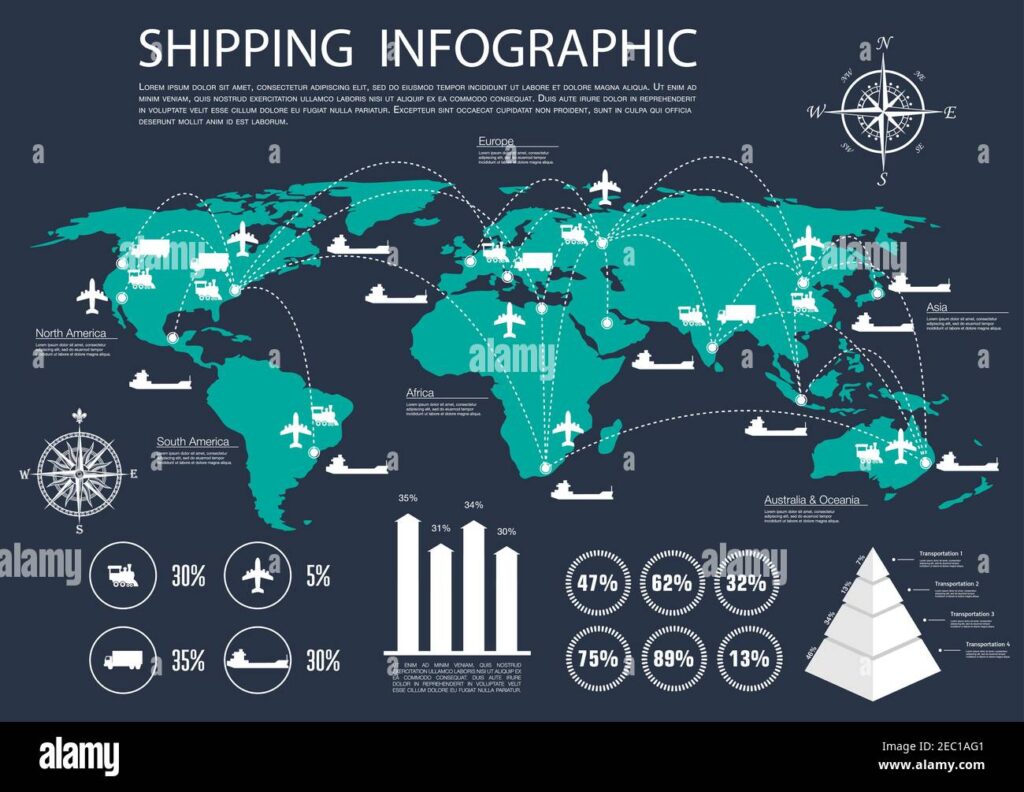
- Shipping Modes: Various modes of transportation, including air, sea, rail, and road, are utilized to move goods. Each mode has its advantages and disadvantages, depending on factors such as cost, speed, and distance.
- Logistics Management: Effective logistics management involves planning, implementing, and controlling the flow of goods and services. This includes inventory management, warehousing, and distribution strategies.
- Customs and Regulations: Navigating customs regulations and compliance is essential for international shipping. Understanding the legal requirements of different countries can prevent delays and additional costs.
Trends Shaping the Global Shipping Industry
E-commerce Growth
The rise of e-commerce has significantly impacted global shipping. As more consumers turn to online shopping, the demand for efficient shipping solutions has increased. Companies must adapt to meet the expectations of consumers who expect fast and reliable delivery.
- Last-Mile Delivery: The final leg of the shipping process, known as last-mile delivery, has become a focal point for logistics companies. Innovations such as drone delivery and autonomous vehicles are being explored to enhance efficiency in this area. Companies are investing in technology to optimize routes and reduce delivery times, ensuring that customers receive their orders promptly.
- Same-Day Delivery: The demand for same-day delivery services is on the rise, pushing companies to optimize their logistics networks to meet customer expectations. This trend has led to the establishment of local distribution centers and partnerships with local couriers to facilitate faster deliveries.
Sustainability Initiatives
Sustainability has become a critical concern in the shipping industry. Companies are increasingly adopting eco-friendly practices to reduce their carbon footprint and comply with environmental regulations.
- Green Shipping Practices: Initiatives such as using alternative fuels, optimizing shipping routes, and implementing energy-efficient technologies are gaining traction. Companies are investing in sustainable practices to appeal to environmentally conscious consumers. For instance, some shipping companies are exploring the use of biofuels and electric vehicles to reduce emissions.
- Regulatory Compliance: Governments worldwide are implementing stricter regulations regarding emissions and waste management. Shipping companies must adapt to these regulations to remain competitive. Compliance with international standards, such as the International Maritime Organization’s (IMO) regulations on sulfur emissions, is essential for maintaining operational licenses.
Technological Advancements
Technology is revolutionizing the global shipping industry, enhancing efficiency and transparency in operations.
- Automation and Robotics: The use of automation in warehouses and shipping facilities is streamlining operations. Robotics is being employed for tasks such as sorting, packing, and loading, reducing labor costs and increasing accuracy. Automated guided vehicles (AGVs) are increasingly used in warehouses to transport goods, improving efficiency and safety.
- Blockchain Technology: Blockchain is being explored as a solution for improving transparency and security in shipping transactions. It can enhance traceability and reduce fraud, benefiting all stakeholders in the supply chain. By providing a decentralized ledger, blockchain technology allows for real-time tracking of shipments, ensuring that all parties have access to the same information.
Challenges Facing the Global Shipping Industry
Supply Chain Disruptions
The global shipping industry faces various challenges, including supply chain disruptions caused by natural disasters, geopolitical tensions, and pandemics. These disruptions can lead to delays, increased costs, and inventory shortages.
- Pandemic Impact: The COVID-19 pandemic highlighted vulnerabilities in global supply chains, leading to significant disruptions in shipping operations. Companies must develop contingency plans to mitigate the impact of future disruptions. This includes diversifying suppliers and establishing alternative shipping routes to ensure continuity of operations.
- Geopolitical Tensions: Trade wars and political instability can affect shipping routes and costs. Companies must stay informed about geopolitical developments to navigate potential challenges. For example, tariffs imposed during trade disputes can increase shipping costs and affect pricing strategies.
Rising Costs
Shipping costs have been on the rise due to various factors, including fuel prices, labor costs, and regulatory compliance. Companies must find ways to manage these costs while maintaining service quality.
- Fuel Price Volatility: Fluctuations in fuel prices can significantly impact shipping costs. Companies are exploring alternative fuels and energy-efficient technologies to mitigate this risk. Implementing fuel-efficient practices, such as optimizing shipping routes and reducing idle time, can help lower overall fuel consumption.
- Labor Shortages: The shipping industry is facing labor shortages, particularly in skilled positions. Companies must invest in training and development to attract and retain talent. Offering competitive wages and benefits, as well as creating a positive work environment, can help address labor shortages.
Regulatory Compliance
Navigating the complex landscape of international regulations can be challenging for shipping companies. Compliance with customs regulations, safety standards, and environmental laws is essential to avoid penalties and delays.
- Customs Regulations: Each country has its customs regulations, which can vary significantly. Companies must stay informed about these regulations to ensure smooth operations. Utilizing customs brokers can help navigate the complexities of international shipping and ensure compliance with local laws.
- Safety Standards: Compliance with safety standards is crucial for protecting employees and cargo. Companies must implement safety protocols and training programs to meet regulatory requirements. Regular audits and inspections can help identify potential safety hazards and ensure compliance with industry standards.
Innovations in Global Shipping
Digital Transformation
The digital transformation of the shipping industry is reshaping how companies operate. Embracing technology can enhance efficiency, reduce costs, and improve customer satisfaction.
- Data Analytics: Companies are leveraging data analytics to gain insights into shipping operations. Analyzing data can help identify inefficiencies, optimize routes, and improve decision-making. Predictive analytics can also be used to forecast demand and adjust shipping strategies accordingly.
- Customer Portals: Many shipping companies are implementing customer portals that allow clients to track shipments, manage orders, and access real-time information. This transparency enhances customer satisfaction and builds trust. Providing customers with self-service options can also reduce the workload on customer service teams.
Collaborative Logistics
Collaborative logistics involves partnerships between companies to optimize shipping operations. By sharing resources and information, companies can reduce costs and improve service levels.
- Shared Warehousing: Companies are exploring shared warehousing solutions to reduce overhead costs. By sharing space and resources, companies can improve efficiency and flexibility. This approach allows smaller companies to access high-quality logistics services without the burden of maintaining their own warehouses.
- Joint Ventures: Collaborating with other logistics providers can enhance service offerings and expand market reach. Joint ventures can lead to innovative solutions that benefit all parties involved. For example, companies may partner to develop new technologies or share transportation networks to improve efficiency.
Future Trends
Looking ahead, several trends are expected to shape the future of global shipping:
- Increased Automation: The trend towards automation is likely to continue, with more companies adopting robotics and AI technologies to streamline operations. Automated systems can improve accuracy and reduce labor costs, making shipping operations more efficient.
- Sustainability Focus: As environmental concerns grow, the shipping industry will likely see increased investment in sustainable practices and technologies. Companies that prioritize sustainability will be better positioned to meet consumer demands and regulatory requirements.
- Enhanced Customer Experience: Companies will continue to prioritize customer experience, leveraging technology to provide faster, more reliable shipping solutions. Personalization and tailored services will become increasingly important as consumers seek unique shopping experiences.
Conclusion
The global shipping industry is evolving rapidly, driven by trends such as e-commerce growth, sustainability initiatives, and technological advancements. While challenges such as supply chain disruptions and rising costs persist, innovations in logistics and collaboration offer promising solutions. Companies like Atlantic Global Shipping Pvt Ltd are at the forefront of this evolution, adapting to meet the demands of a changing market. By embracing technology and prioritizing sustainability, the shipping industry can navigate the complexities of global trade and continue to thrive in the future.
Experience seamless global shipping solutions tailored to your business needs and unlock the potential for growth—discover more at https://looperbuy.com/.
Related Questions & Answers
· What are the key performance indicators (KPIs) used to measure the efficiency of global shipping operations? Key performance indicators for global shipping include on-time delivery rates, shipping costs per unit, order accuracy, and customer satisfaction scores.
· How do geopolitical factors specifically impact global shipping routes and costs? Geopolitical factors can lead to changes in trade agreements, tariffs, and shipping routes, affecting shipping costs and delivery times.
· What emerging technologies beyond blockchain are being explored to enhance supply chain visibility in global shipping? Emerging technologies include Internet of Things (IoT) devices for real-time tracking, artificial intelligence for predictive analytics, and augmented reality for warehouse management.
· What role does technology play in modern shipping? Technology enhances efficiency and transparency in shipping operations through automation, data analytics, and customer portals, improving overall service quality.
· How can companies ensure compliance with international shipping regulations? Companies can ensure compliance by staying informed about customs regulations, safety standards, and environmental laws, and implementing necessary protocols and training programs.
Hot Tags: Global Shipping; E-commerce Logistics; Supply Chain Management; Shipping Innovations; Sustainable Practices; Digital Transformation; Collaborative Logistics; Regulatory Compliance; Shipping Challenges