In 2026, the strongest dropshipping niches are the ones that solve real problems, support healthy margins, and ship reliably. This guide breaks down the most promising product categories, explains why they work, and shows how global sellers can choose niches with stronger conversion potential.
In 2026, the best dropshipping niches are not the loudest trends — they are the categories that solve a real problem, support healthy margins, and ship reliably through a strong supply chain. For global B2B sellers, that means choosing products with clear demand, manageable returns, and room to differentiate across markets.
Table of Contents
Why niche selection matters more in 2026
The market is still expanding, but competition is sharper and customers are less patient than before. Recent forecasts place the global dropshipping market at about USD 583.5 billion in 2026 and rising further through the decade, which means opportunity is real — but only for sellers who choose wisely.
The old “list more products and hope one goes viral” method is no longer enough. Buyers now expect faster delivery, better product presentation, and a clear reason to trust the seller. For that reason, the strongest niches usually combine high intent, repeat buying, and stable fulfillment.
Another important shift in 2026 is that product discovery is increasingly platform-led. Search, short-form video, creator recommendations, and marketplace algorithms all shape what buyers notice first. That means the best niche is not only about demand; it is also about whether the product can be explained in a few seconds, demonstrated visually, and bundled into a clear buying offer.
For B2B sellers, this matters even more because operational complexity can quietly kill margin. If a product is fragile, expensive to ship, difficult to label, or prone to high return rates, it can look attractive on paper while becoming painful in practice. In 2026, profitable niche selection is as much about fulfillment logic as it is about product popularity.
The 2026 dropshipping niches with the strongest potential
Smart home and energy-saving products
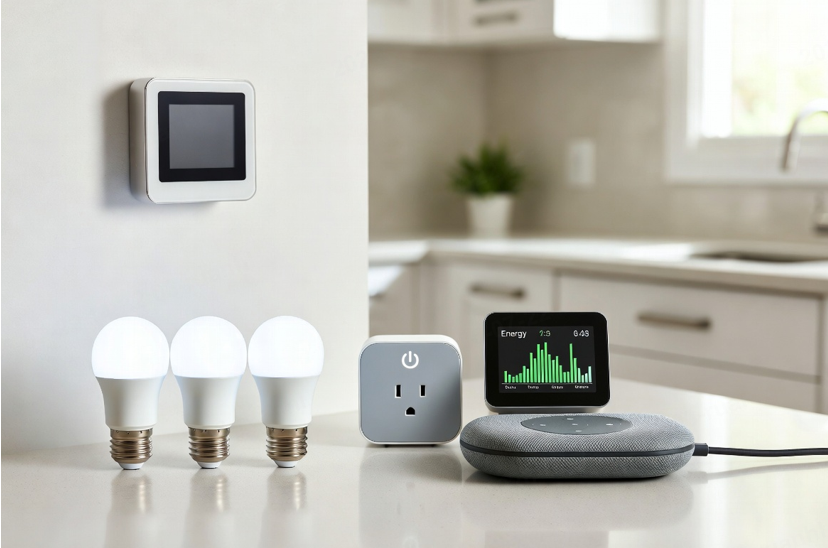
One of the most attractive niches in 2026 is smart home technology, especially products tied to energy efficiency and convenience. Doba’s trend analysis highlights smart home demand as a late-2025 breakout category, driven by consumers looking for ways to reduce costs and automate daily routines.
Best-selling angles in this niche include smart plugs, energy-monitoring devices, thermostats, security cameras, and compact home automation tools. These products work well because they solve practical household problems, and the buying decision is often easier when the product clearly saves time or money.
This niche is especially strong when sold as a system rather than as a single product. For example, a smart plug becomes more compelling when paired with an app guide, an energy-saving checklist, and a bundle that includes multiple rooms. Bundles improve average order value and make the product feel more useful, which is critical in a category where many competing listings look almost identical.
Why it works: high utility, broad appeal, and strong content opportunities around “save money,” “easy setup,” and “daily convenience.”
Best format: short demo videos, before-and-after graphics, and comparison charts.
Biohacking and recovery wellness
Wellness is still strong, but the message has changed. In 2026, buyers are more interested in recovery, sleep quality, focus, and daily optimization than in generic wellness claims. Doba’s research also points to biohacking as a fast-moving category, while McKinsey notes that the beauty and self-care market remains large and active.
Products with strong potential include red-light devices, smart sleep masks, recovery tools, posture-support products, and premium self-care accessories. These items tend to perform better when they are positioned as part of a routine rather than as one-off impulse purchases.
The key to selling in this niche is credibility. Buyers want to understand what the product does, how it fits into everyday life, and why it is worth a premium price. The best-performing listings often avoid exaggerated promises and instead focus on experience: better rest, easier recovery, cleaner routines, and a more polished self-care setup.
A useful tactic here is to segment the audience. Some buyers are looking for beauty and skin support, while others want sleep optimization or muscle recovery. A single storefront can still succeed if the messaging is tailored to specific use cases, because one broad “wellness” page usually feels less convincing than several tightly focused landing pages.
Why it works: buyers are willing to pay more when the product feels premium and personal.
Caution: avoid unverified health claims; focus on features, comfort, and use cases.
Pet care and pet-tech products
Pet spending remains one of the most resilient categories in consumer commerce. APPA reports that U.S. pet industry expenditures reached USD 158 billion in 2025 and are projected to reach USD 165 billion in 2026, which supports continued demand for pet products and pet-tech.
The best performers are no longer just “cute” items. Smart feeders, self-cleaning litter boxes, automated toys, grooming tools, and pet comfort products fit the modern pet-parent mindset better because they reduce stress and save time. Emotional messaging also matters here: buyers respond strongly to convenience, care, and peace of mind.
One reason pet products work so well is that they naturally generate repeat demand. Even when the core item is purchased once, related products such as grooming supplies, toy replacements, travel accessories, and feeding add-ons can support retention and cross-sells. This makes the niche useful not only for first-order conversion but also for longer customer lifetime value.
For a brand focused on global B2B selling, the biggest advantage is that pet products usually translate well across regions. The emotional triggers are similar in many markets, and the product story is easy to localize. Just be careful to avoid health claims that require extra regulatory review, especially in the pet wellness subcategory.
Why it works: emotional buying, repeat purchase potential, and strong gifting behavior.
Best angle: focus on pet parent identity, not only on the animal itself.
Creator tools and content-creation accessories
The creator economy continues to pull demand into compact, easy-to-ship accessories. That includes LED pocket lights, phone gimbals, clip-on microphones, camera stands, and desk setup tools that help creators produce better content with minimal friction.
This niche is attractive because it solves a visible pain point: poor lighting, weak audio, unstable video, and inefficient workflows. Sellers who present these products through real-world demos usually get better engagement than those who rely on generic product photos.
The category is also highly bundle-friendly. A single buyer may need a light, mic, and tripod together, which creates a natural path to higher cart value without making the offer feel forced. In practice, creator products often sell best when marketed by scenario — “home studio,” “travel setup,” or “desk upgrade” — instead of by isolated product type.
This niche benefits from visual proof. A short clip showing a basic desk transforming into a polished recording setup can do more than a long product description. That makes creator accessories ideal for social commerce, product page video, and compact comparison content.
Why it works: strong social proof, simple use cases, and easy content creation.
Best angle: “studio-quality results at home” or “portable setup in minutes.”
Home organization and productivity products
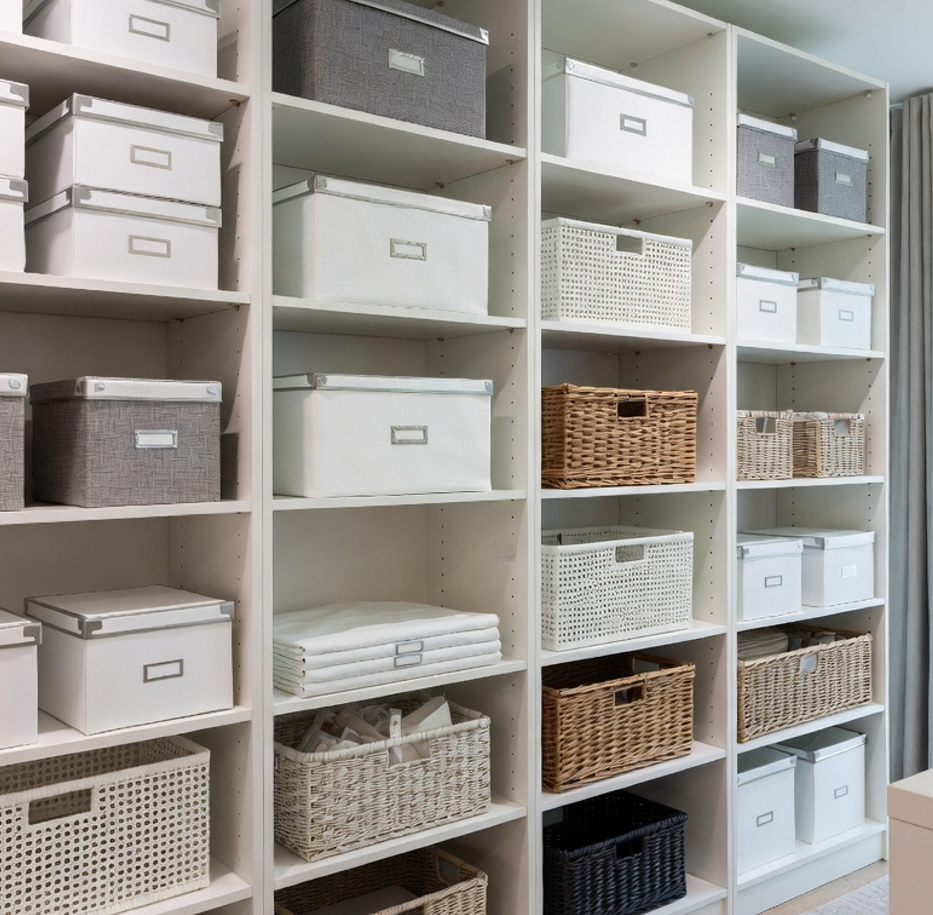
Home organization grows fast when consumers enter “reset” mode at the start of the year or during seasonal clean-up periods. Clear storage boxes, modular organizers, reusable notebooks, desk accessories, and practical household systems often perform well because the value is immediately obvious.
This niche also works because it crosses multiple buyer groups: homeowners, renters, students, parents, and remote workers. The more specific your angle, the better the store performs — for example, “desk organization for remote teams” is stronger than “storage products.”
The strongest home organization products are the ones that create a visible transformation. Before-and-after imagery matters a lot here because it helps shoppers immediately understand the benefit. Products that reduce clutter, improve access, or make small spaces feel bigger can also support higher conversion when they are grouped into room-based bundles.
A second reason this niche remains attractive is that it behaves well in content marketing. Organizing products are easy to explain, easy to photograph, and easy to turn into list-style content. That gives brands more flexibility across blog posts, product guides, landing pages, and video scripts.
Why it works: strong visual appeal, broad practical use, and natural bundle opportunities.
Best angle: sell by room, routine, or problem solved.
Additional niches worth watching
Beauty tools and personal care accessories
Beauty tools deserve attention because they often deliver strong perceived value with relatively simple fulfillment. Product guides in 2026 repeatedly highlight skincare tools, hair tools, and beauty-tech accessories as high-margin candidates, especially when paired with short-form demonstration content.
Examples include facial devices, scalp massagers, heatless curl products, lash tools, and small grooming tools. The appeal is straightforward: buyers can see the result, understand the routine, and justify the purchase as part of a self-care upgrade. For that reason, beauty tools often support better markup than commodity products.
The main challenge is trust. Customers are sensitive to exaggerated claims, so sellers need precise, practical copy and realistic visuals. When handled well, however, this niche can become one of the strongest combinations of frequency, margin, and shareability.
Home and kitchen problem-solvers
Home and kitchen remains a dependable category because the pain points are universal. Items that speed up food prep, improve storage, or reduce mess often convert well because the value proposition is instantly clear.
This niche works best when the product solves a very specific problem rather than trying to serve every household need. For example, a kitchen tool that makes prep safer or faster usually performs better than a generic accessory with no obvious use case. The more visible the transformation, the easier it is to turn product interest into sales.
The tradeoff is competition. Many kitchen products are easy to source, which means product presentation and offer structure become critical. Bundles, how-to content, and better visual storytelling are often what separate a winning store from a forgettable one.
What to avoid when choosing products
Not every trend is worth chasing. Products with thin margins, heavy breakage risk, long shipping times, or unclear compliance requirements can destroy profitability even if they look popular on the surface. 2026 winners are solution-driven, not novelty-driven.
Avoid categories that depend on fragile supplier quality or unsupported claims, especially in wellness, medical-adjacent products, and items with strict safety rules. Also be cautious with extremely low-priced products, since small margins leave little room for advertising, returns, and customer support.
Another common mistake is choosing a niche only because it is viral. Viral products may generate traffic, but that does not always translate into sustainable sales. If the product cannot be replenished, bundled, or expanded into a broader catalog, the business can stall as quickly as it starts.
A better approach is to select categories with a stable problem-solution structure. This gives you more chances to create bundles and more room to improve the customer journey over time.
How to evaluate a niche before you launch
A strong niche should pass three simple tests: real demand, reasonable margins, and clear buyer intent. That means you should study search trends, review marketplace competition, and verify whether the product can actually be fulfilled at a speed customers accept.
Use a practical checklist before committing:
1. Check whether the niche shows steady interest over time, not just one short spike.
2. Review competing listings on major marketplaces and social platforms.
3. Compare product costs, shipping, and likely ad spend.
4. Read one-star reviews to find the complaints you can solve better.
5. Order samples before scaling.
A niche becomes more promising when you can answer one question clearly: why should this buyer choose your product instead of a cheaper generic option? If the answer is weak, the niche is probably too crowded or too broad.
It also helps to score each niche against practical business factors. For example, a high-margin niche with strong visual appeal may still underperform if quality control is inconsistent or if the product is difficult to ship internationally. B2B sellers who think beyond the trend cycle usually make better decisions because they account for operations as well as demand.
Best niches by seller model
| Niche | Best for | Profit potential | Main challenge |
| Smart home and energy-saving products | Utility-driven stores | High | Product education |
| Biohacking and recovery wellness | Premium positioning | High | Trust and claims |
| Pet care and pet-tech products | Emotional commerce | High | Quality control |
| Creator tools and accessories | Social commerce | Medium to high | Fast trend cycles |
| Home organization | Problem-solution stores | Medium to high | Differentiation |
| Beauty tools | Content-led stores | High | Compliance-sensitive copy |
| Home and kitchen tools | Practical buyers | Medium to high | Heavy competition |
This structure helps sellers choose based on their strengths rather than copying whatever looks popular. A brand that understands the customer can often outperform a larger competitor with weaker product presentation.
How Looperbuy can support this strategy
For B2B sellers, the niche is only half the equation. The other half is how reliably you can source, inspect, and ship the product without creating extra workload for your team. That is where a platform like Looperbuy can help by reducing inventory pressure, warehouse complexity, payment friction, and logistics management.
In practice, that means you can test smaller batches, move faster on trend validation, and serve buyers in more markets without carrying unnecessary stock. For sellers focused on Chinese sourcing and global fulfillment, that flexibility can be a major advantage.
A good sourcing partner matters even more when you are scaling across multiple categories. Different niches have different packaging needs, quality tolerances, and shipping sensitivities. Having one operational layer that supports product testing, fulfillment coordination, and demand expansion can make it easier to turn a promising niche into a repeatable business model.
Final takeaways for 2026
The best dropshipping niches in 2026 are the ones that solve a problem, create trust, and leave enough room for profit after fulfillment and marketing costs. Smart home, pet-tech, recovery wellness, creator tools, beauty tools, and home organization stand out because they combine demand with practical value.
If you are building for scale, do not start with the biggest category — start with the clearest buyer need. That is usually the faster path to stronger conversion rates, fewer returns, and more durable growth.
If you want to source trending products with less inventory pressure and more operational flexibility, start by building a shortlist of niche products that match your target market, then test them with a trusted sourcing and fulfillment partner.
FAQ
What is the best dropshipping niche in 2026?
There is no single winner, but smart home, pet-tech, and recovery wellness are among the strongest categories because they solve practical problems and support better margins.
Which niche is easiest for beginners?
Home organization and creator accessories are often easier to start with because the products are easy to explain, visually appealing, and simple to demonstrate.
How do I know if a niche is too crowded?
If the market is full of near-identical products, weak differentiation, and price-only competition, the niche is probably too crowded. Look for unmet needs, review complaints, and a clear buyer angle instead.
Are high-ticket products better than low-ticket products?
Not always. High-ticket products can offer better margins, but they also increase return risk and customer expectations. Lower-ticket products may convert faster if they solve a clear, everyday problem.
Should I choose a niche based on trends or evergreen demand?
The strongest approach is a mix of both. Use trends to find momentum, then focus on products that still make sense after the trend cycle slows.
What matters most when testing a new niche?
Demand, margin, and fulfillment reliability matter most. Without those three, even a popular product can become difficult to scale profitably.
References
1. Doba. “Top Dropshipping Niches 2026: High-Profit Bestsellers.” [doba]
2. Printful. “10 Profitable dropshipping niches to try in 2026.” [printful]
3. Global Market Insights. “Dropshipping Market Share, Analysis & Forecast, 2026-2035.”[gminsights]
4. American Pet Products Association. “U.S. Pet Industry Reaches $158 Billion in 2025, Poised for Continued Growth in 2026.” [[americanpetproducts]
5. APPA. “APPA’s 2026 State of the Industry Report: New Features & Insights.” [americanpetproducts]
6. McKinsey. “State of Beauty industry trends 2026.” [mckinsey]