The Versatile World of Paper and Notebooks: A Comprehensive Guide
In an increasingly digital world, the humble paper notebook remains a beloved tool for creativity, organization, and expression. Whether used for journaling, note-taking, or artistic endeavors, paper and notebooks offer a tactile experience that screens cannot replicate. This article will explore the various types of paper and notebooks, their benefits, and tips for choosing the right ones for your needs.
Table of Contents
The Importance of Paper and Notebooks
Why Paper Still Matters
Despite the rise of digital devices, paper continues to play a vital role in our lives. The act of writing on paper engages different cognitive processes than typing on a keyboard. Studies have shown that writing by hand can enhance memory retention, improve comprehension, and foster creativity. The physicality of paper allows for a more personal connection to the content being created, making it an invaluable tool for students, professionals, and artists alike.
Benefits of Using Paper Notebooks
- Enhanced Memory Retention: Writing by hand has been shown to improve memory retention and understanding. The physical act of writing engages the brain in a way that typing does not, making it easier to recall information later.
- Creativity and Expression: Paper notebooks provide a blank canvas for creativity. Whether you are doodling, sketching, or brainstorming ideas, the freedom of paper allows for unrestricted expression.
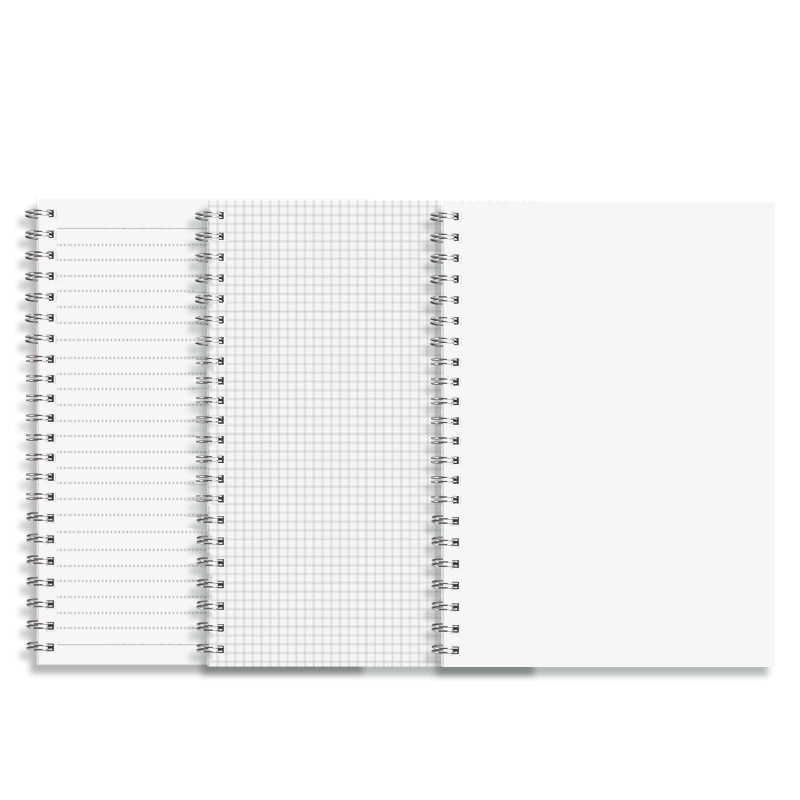
- Organization: Notebooks can help keep thoughts, ideas, and tasks organized. With various formats available, such as lined, grid, or blank pages, users can choose the style that best suits their needs.
- Reduced Distractions: Unlike digital devices, which can be filled with notifications and distractions, paper notebooks offer a focused environment for writing and thinking. This can lead to increased productivity and deeper concentration.
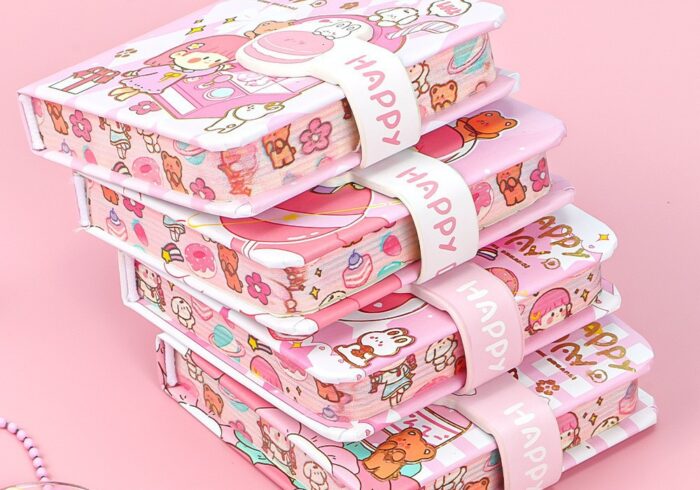
- Personalization: Notebooks can be customized to reflect personal style. From choosing the cover design to adding stickers or drawings, users can create a notebook that is uniquely theirs.
Types of Paper and Notebooks
1. Lined Notebooks
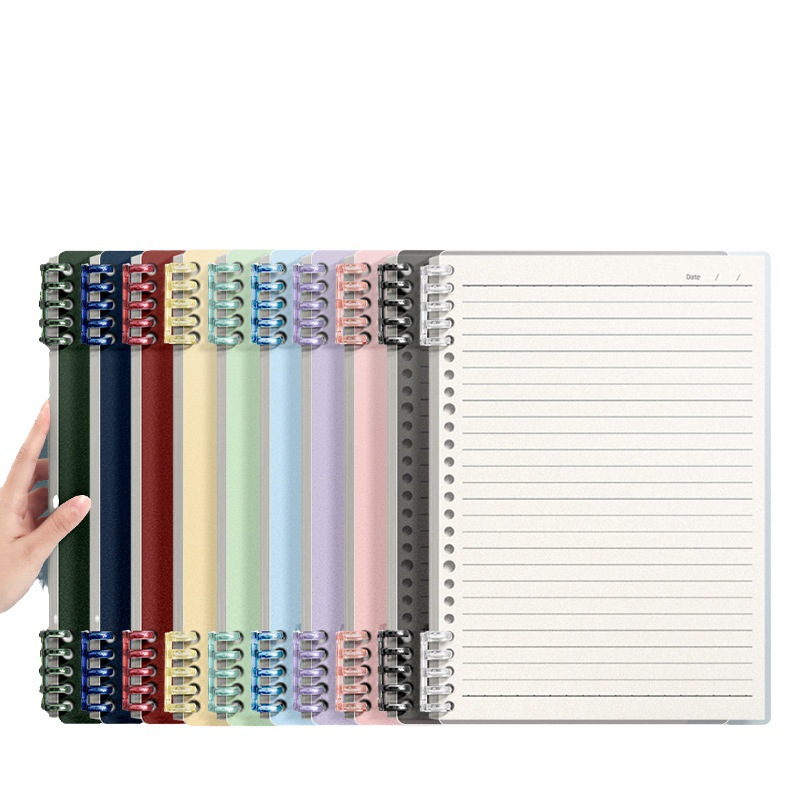
Lined notebooks are perhaps the most common type of notebook. They feature horizontal lines that guide writing, making them ideal for note-taking, journaling, and writing essays. Lined notebooks come in various sizes, from pocket-sized to larger formats, catering to different preferences.
2. Blank Notebooks
Blank notebooks offer complete freedom for creativity. With no lines to constrain the user, they are perfect for sketching, doodling, or freeform writing. Artists often prefer blank notebooks for their versatility, allowing for a mix of drawing and writing.
3. Graph Notebooks
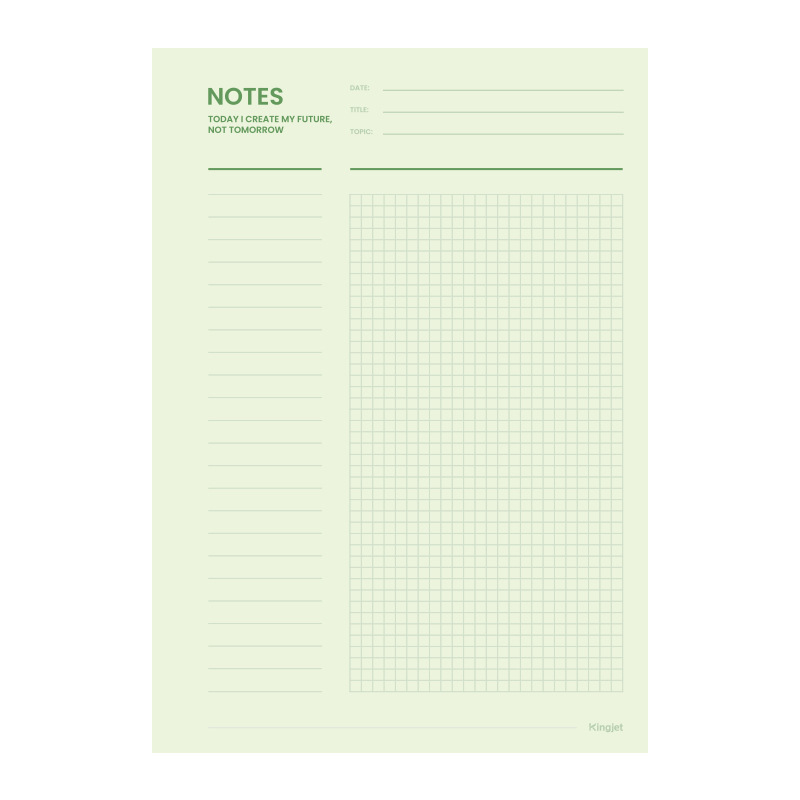
Graph notebooks feature a grid pattern, making them ideal for mathematical calculations, technical drawings, and graphing. They are commonly used by students in math and science classes, as well as by professionals in engineering and design fields.
4. Bullet Journals
Bullet journals are a customizable organizational system that combines elements of a planner, diary, and to-do list. Users can create their own layouts, using symbols and bullet points to track tasks, events, and notes. This format has gained popularity for its flexibility and creativity.
5. Specialty Notebooks
Specialty notebooks cater to specific needs, such as travel journals, recipe books, or sketchbooks. These notebooks often come with unique features, such as prompts, templates, or themed designs, making them perfect for niche interests.
Choosing the Right Paper and Notebook
1. Assess Your Needs
Before purchasing a notebook, consider your specific needs. Are you looking for a notebook for journaling, note-taking, or artistic endeavors? Understanding your primary use will help you choose the right type of notebook.
2. Consider the Paper Quality
The quality of the paper can significantly impact your writing experience. Look for notebooks with thick, high-quality paper that can handle various writing instruments without bleeding or feathering. Acid-free paper is also a good choice for preserving your notes over time.
3. Size Matters
Notebooks come in various sizes, from pocket-sized to large formats. Consider how you plan to use the notebook and where you will store it. A smaller notebook may be more portable, while a larger one may provide more writing space.
4. Binding Options
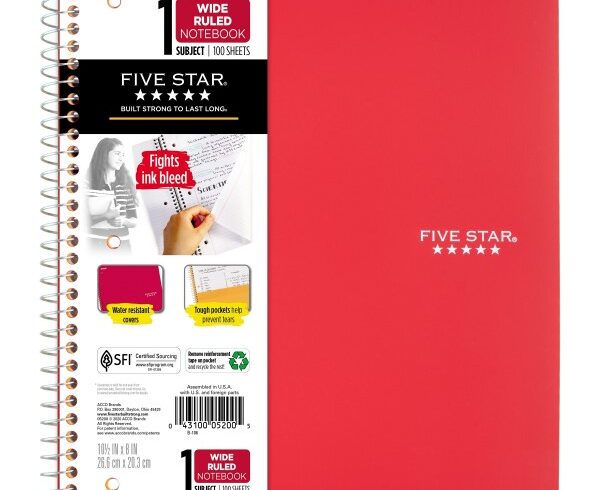
Notebooks can be bound in several ways, including spiral, stitched, or glued. Spiral-bound notebooks allow for easy page turning and lay flat when open, while stitched or glued options may offer a more polished appearance.
5. Personal Style
Choose a notebook that reflects your personal style. From colorful covers to unique designs, the aesthetics of a notebook can enhance your writing experience and make it more enjoyable.
Creative Uses for Paper and Notebooks
1. Journaling
Journaling is a popular way to reflect on thoughts and experiences. A dedicated journal can serve as a safe space for self-expression, helping individuals process emotions and track personal growth.
2. Sketching and Doodling
Artists often use notebooks for sketching and doodling. Blank or graph notebooks provide the perfect canvas for creative exploration, allowing artists to experiment with different styles and techniques.
3. Planning and Organization
Notebooks can be used for planning and organization, whether for personal projects, work tasks, or academic assignments. Bullet journals and planners are excellent tools for keeping track of goals and deadlines.
4. Creative Writing
Writers can use notebooks to draft stories, poems, or essays. The tactile experience of writing by hand can inspire creativity and help overcome writer’s block.
5. Educational Purposes
Students can benefit from using notebooks for taking notes, studying, and organizing information. Different types of notebooks can cater to various subjects, enhancing the learning experience.
Maintaining Your Paper and Notebooks
1. Regular Use
To get the most out of your notebooks, use them regularly. Consistent writing or drawing can help you develop your skills and make the most of your investment.
2. Store Properly
When not in use, store your notebooks in a cool, dry place to prevent damage. Avoid exposing them to direct sunlight or moisture, which can affect the paper quality.
3. Protect the Covers
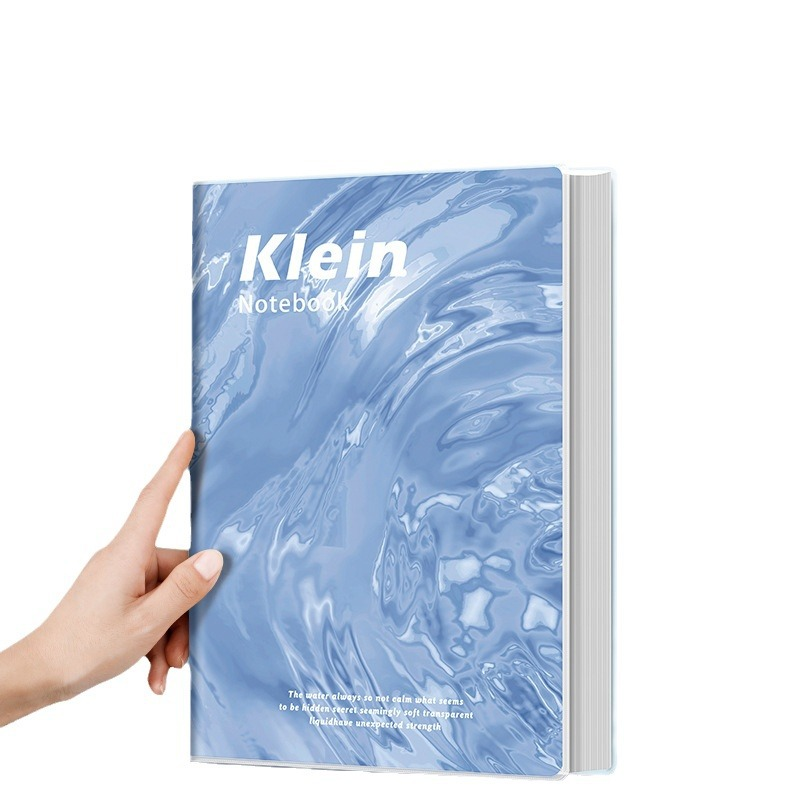
If your notebook has a soft cover, consider using a protective sleeve or case to prevent wear and tear. This can help maintain the appearance of your notebook over time.
4. Organize Your Notes
If you use multiple notebooks, consider organizing them by subject or purpose. This can help you easily locate specific notes and keep your writing organized.
5. Recycle Old Notebooks
When you finish a notebook, consider recycling it if the paper is not too damaged. This helps reduce waste and promotes sustainability.
Conclusion
Paper and notebooks remain essential tools for creativity, organization, and self-expression. With various types available, from lined to blank to specialty notebooks, there is a perfect option for everyone. By understanding the benefits, features, and care of paper and notebooks, you can make informed choices that enhance your writing and artistic endeavors.
How to purchase:Online B2B sourcing platform, China purchase, Chinese suppliers – LooperBuy
Frequently Asked Questions
1. What type of notebook is best for journaling?
A lined or blank notebook is ideal for journaling, as it allows for free expression and creativity.
2. How do I choose the right size notebook?
Consider how you plan to use the notebook and where you will store it. Smaller notebooks are more portable, while larger ones provide more writing space.
3. Can I use different writing instruments in my notebook?
Yes, but be sure to choose a notebook with high-quality paper that can handle various writing instruments without bleeding or feathering.
4. How often should I clean my notebooks?
Notebooks typically do not require cleaning, but you can wipe the covers with a damp cloth if they become dirty.
5. What should I do with old notebooks?
If the paper is not too damaged, consider recycling old notebooks to reduce waste and promote sustainability.
HOT TAG: paper and notebook, benefits of writing, choosing the right notebook, creative uses for notebooks, maintaining paper products, journaling techniques, artistic expression, educational tools, organizing notes, sustainable writing practices.