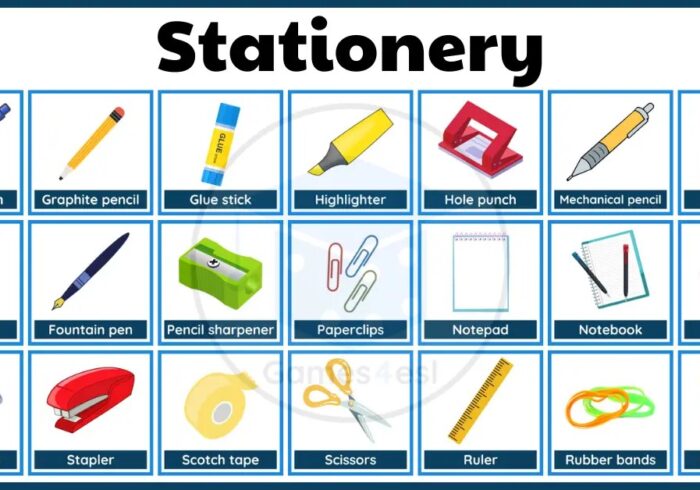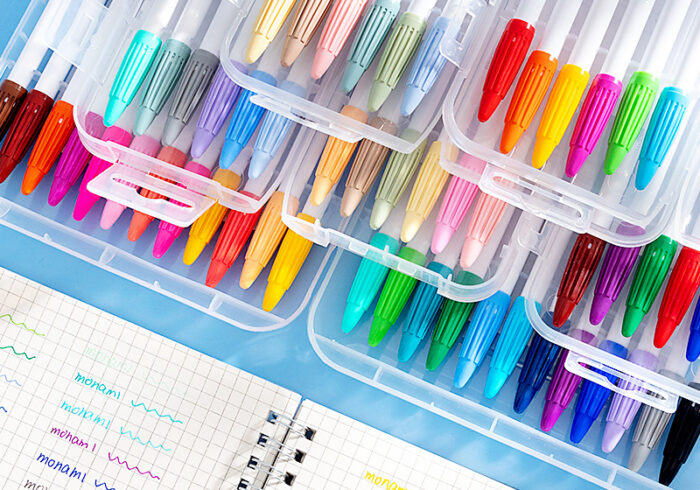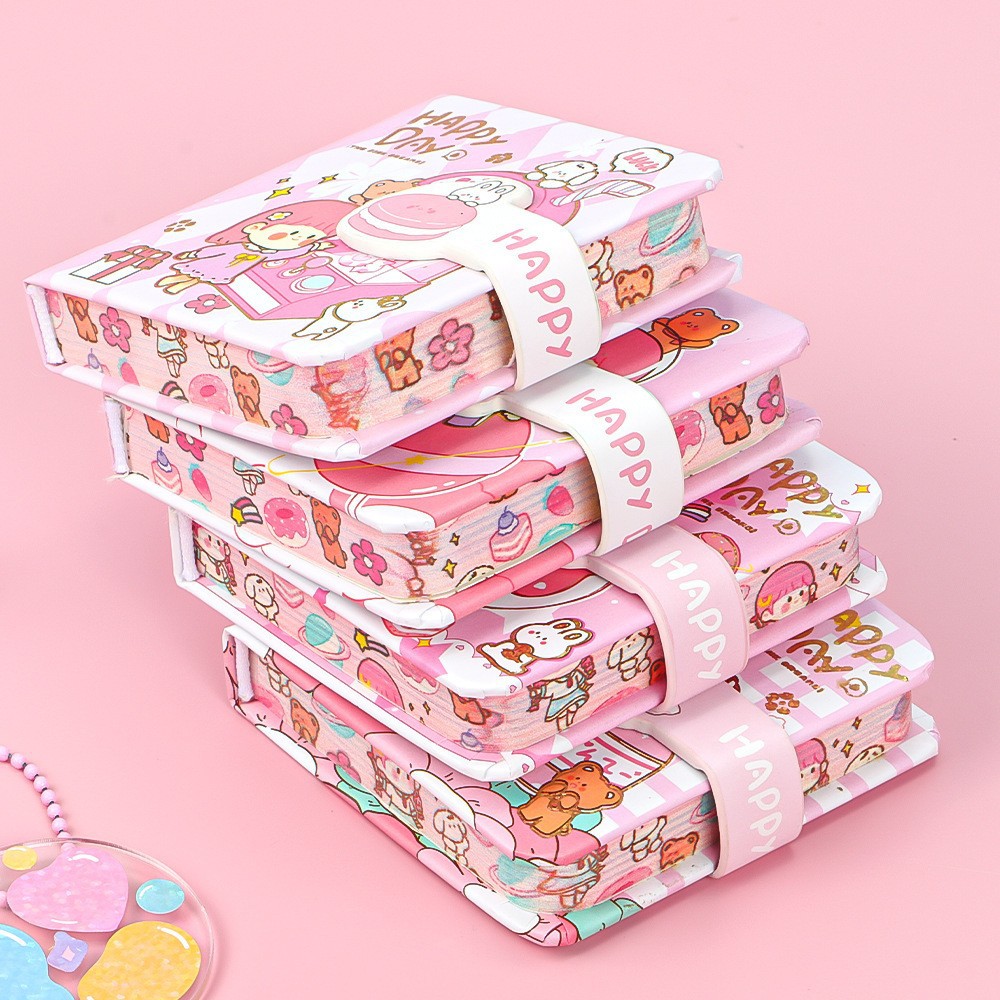
In an age dominated by digital devices and fleeting screens, the humble mini notebook persists as a powerful, indispensable tool. More than just a collection of blank pages, a mini notebook is a sanctuary for fleeting thoughts, a portable canvas for spontaneous creativity, and a tangible record of life’s daily unfolding. Its compact size belies its immense utility, offering a unique blend of convenience, privacy, and tactile satisfaction that digital alternatives often fail to replicate. From the pockets of adventurers and the bags of professionals to the hands of artists and students, the mini notebook has carved out a permanent niche, proving that some of the most profound ideas often begin on the smallest canvases. This exploration delves into the enduring appeal of these diminutive companions, tracing their historical lineage, categorizing their diverse forms, highlighting their myriad uses, and guiding enthusiasts in selecting and cherishing their perfect mini writing partner.
Table of Contents
A Legacy in Miniature: The Evolution of the Notebook
The concept of capturing thoughts on portable surfaces is as old as civilization itself. From ancient wax tablets to medieval manuscripts, humanity has long sought ways to record information conveniently. The modern notebook, as we know it, with bound or spiraled paper pages, has a history spanning centuries, evolving alongside advancements in paper production and binding techniques. The emergence of smaller, more personal formats reflects a growing need for immediate and discrete record-keeping.
From Scrolls to Pocket Companions
Early forms of notebooks, such as wax tablets used in classical antiquity and the Middle Ages, provided reusable writing surfaces, emphasizing portability. The invention of paper in China around 100 BC marked a pivotal moment, gradually leading to the development of bound pages. As early as the 1800s, individuals like Lewis and Clark were carrying pocket diaries, demonstrating the early recognition of the need for portable writing tools during travel and exploration. The 19th century, spurred by the Industrial Revolution, saw mass production make notebooks more affordable and accessible, fostering an explosion in various types and uses. Journalists, for example, adopted small, hand-held “reporter’s notebooks” for their portability, often employing shorthand to capture information quickly. This historical trajectory illustrates a consistent demand for compact writing instruments that could accompany individuals wherever they went, setting the stage for the widespread popularity of the modern mini notebook.
The Rise of Iconic Mini Notebook Brands
The 20th century further cemented the mini notebook’s place in culture. Brands like Moleskine, which gained significant popularity in the late 1990s, drew inspiration from the legendary pocket notebooks used by artists and writers such as Ernest Hemingway and Vincent van Gogh. These iconic notebooks, known for their quality and distinctive design, showcased the enduring appeal of a compact yet robust writing companion. Simultaneously, brands like Field Notes popularized the “pocket notebook” format (often around 3.5 x 5.5 inches or 90 x 140 mm), making them a staple for everyday carry and quick note-taking. Other brands like Midori and Rhodia also entered the scene, offering various sizes and paper qualities tailored for discerning users. This era solidified the mini notebook’s role not just as a functional item, but as a lifestyle accessory, a symbol of preparedness, and a nod to a timeless method of documentation.
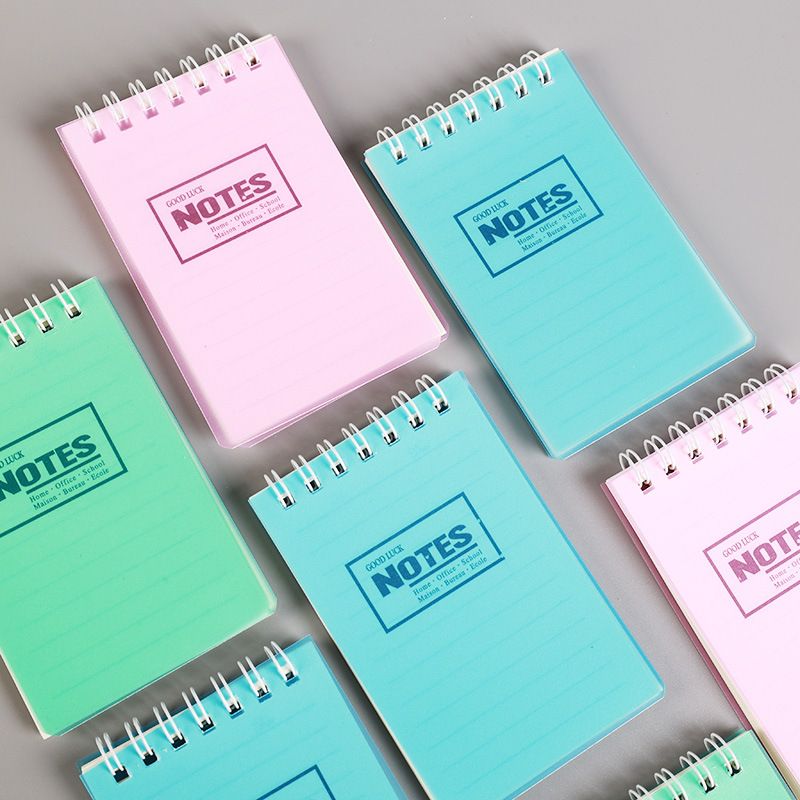
Defining the Mini Notebook: Size and Form
While the term “mini notebook” can encompass a broad range, it generally refers to notebooks significantly smaller than standard letter (A4) or even medium (A5) sizes, designed for maximum portability and quick access. Their dimensions are typically optimized to fit comfortably in pockets, small bags, or even the palm of a hand.
Common Dimensions and Form Factors
Mini notebooks often adhere to international paper sizes or popular proprietary dimensions.
- A6 (4.1 x 5.8 inches or 105 x 148 mm): This size is a common choice for those who need a balance between portability and writing space. It fits well into larger pockets, purses, and small backpacks. A6 notebooks are versatile for journaling, daily planning, or more extensive note-taking on the go.
- A7 (2.9 x 4.1 inches or 74 x 105 mm): These are truly pocket-sized, often fitting comfortably into shirt pockets or very small bags. They are ideal for quick notes, grocery lists, contact information, or capturing fleeting ideas.
- Pocket Notebooks (e.g., Field Notes: 3.5 x 5.5 inches or 90 x 140 mm): This popular American standard offers a slightly larger surface than A7, making it suitable for quick sketches, daily to-do lists, and brief observations. Many users appreciate this size for its practical balance.
- Cardbook Size (e.g., 2.16 x 3.54 inches or 55 x 90 mm): These are among the smallest mini notebooks, often resembling a stack of index cards. They are perfect for extremely concise notes, tracking small details, or emergency contact information, fitting into even the smallest compartments.
Beyond these common sizes, mini notebooks come in various orientations (portrait or landscape), and cover types (softcover for flexibility, hardcover for durability, or unique materials like leather). The specific dimensions and construction often dictate their primary use, from rugged outdoor companions to elegant executive accessories.
The Diverse World of Mini Notebooks: Types and Features
The market for mini notebooks is rich with diversity, offering a specialized option for nearly every conceivable need and preference. This variety ensures that every individual can find a mini notebook that perfectly complements their lifestyle and writing habits.
Everyday Carry Essentials
- Staple-bound or Stitched Mini Notebooks: These are often the most lightweight and flexible, typically featuring a cardstock cover and a small number of pages held together by staples or thread. Brands like Field Notes and Moleskine Volant offer popular versions. They are ideal for quick, disposable notes, or for those who prefer to carry multiple notebooks for different purposes. They can often be folded back on themselves without damaging the binding.
- Pocket-sized Hardcover Notebooks: Providing more durability and a more substantial feel, these are popular for journaling, daily reflections, or carrying important information. Moleskine’s Classic Pocket Notebook is a prime example, often featuring an elastic closure and an inner pocket. The hardcover protects pages and provides a firm writing surface on the go.
Specialized and Durable Options
- Waterproof/All-Weather Mini Notebooks: Designed for outdoor enthusiasts, professionals working in challenging conditions (e.g., construction, surveying, police officers), or anyone needing to write in wet environments. Brands like Rite in the Rain offer notebooks with special paper and covers that repel water, allowing writing even in the rain. These are crucial for field notes where data integrity is paramount.
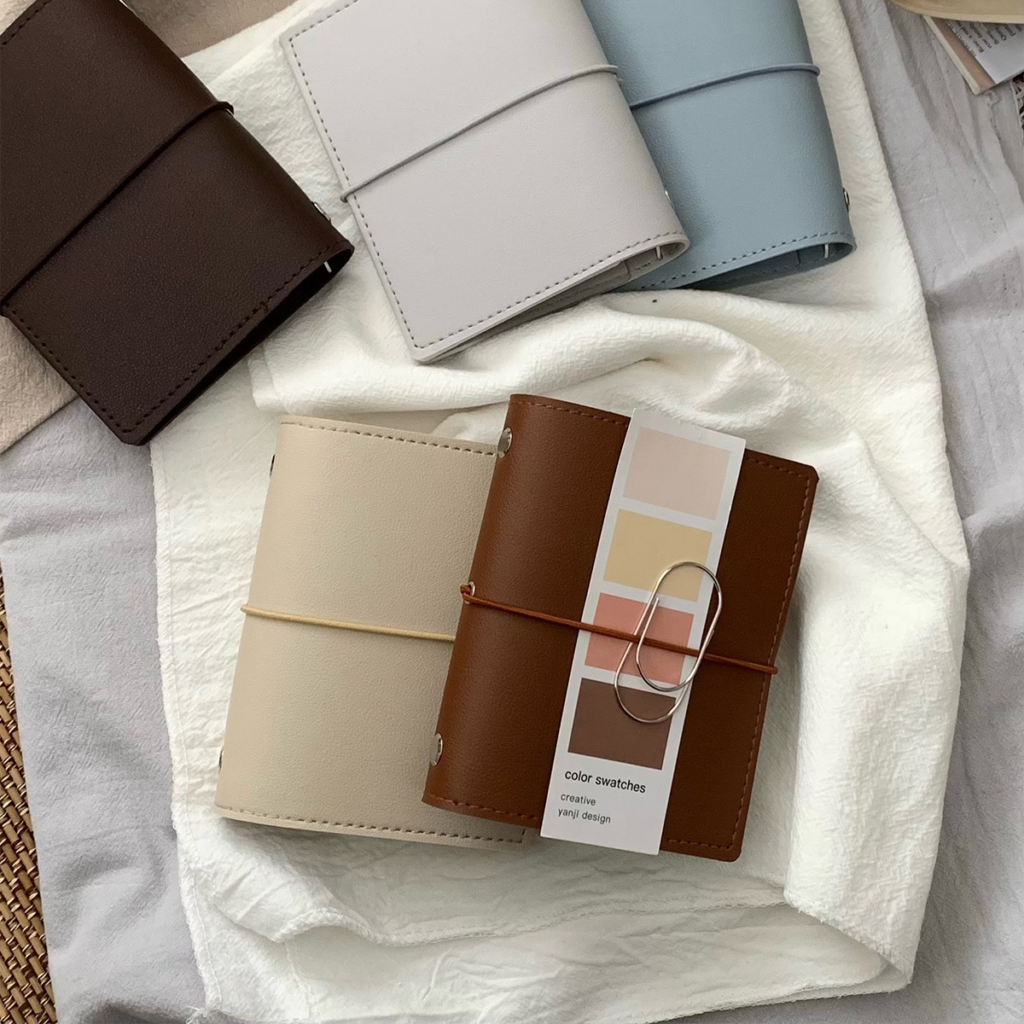
- Refillable Mini Notebooks: These feature reusable covers, often made of leather or sturdy synthetic materials, that hold replaceable paper inserts. This option combines durability with sustainability and allows for customization of paper types. Travelers’ notebooks, often in smaller sizes, fall into this category, offering a highly personalized and long-lasting system.
Luxury and Aesthetic Choices
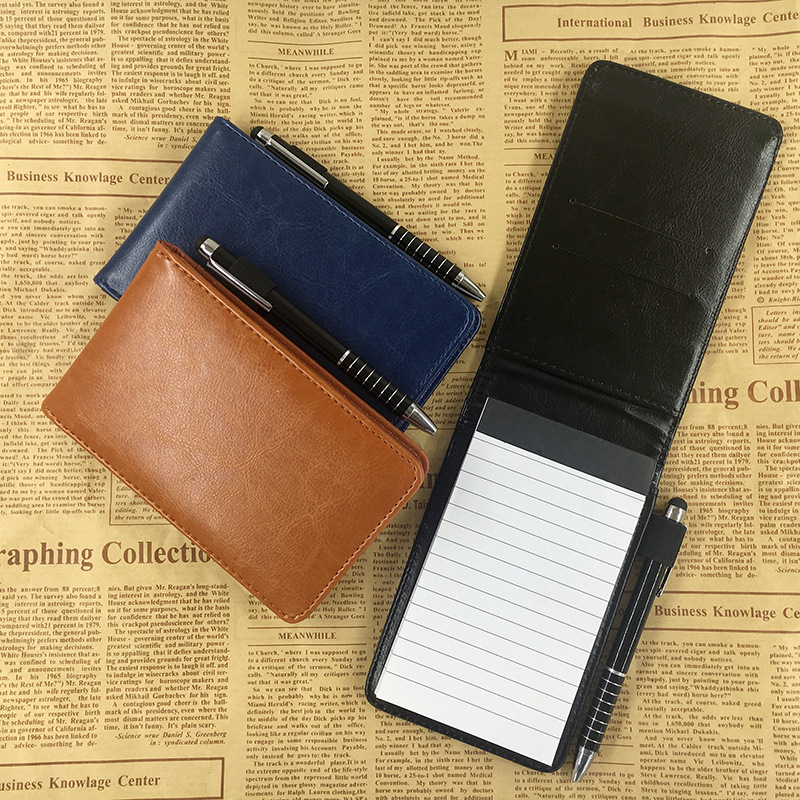
- Leather-bound Mini Notebooks: For those who appreciate fine craftsmanship and materials, luxury mini notebooks often feature genuine leather covers, high-quality paper, and elegant details. These are often chosen as gifts or for sophisticated professional settings, conveying a sense of timeless style and personal distinction.
- Art and Sketch Mini Notebooks: Designed with artists in mind, these notebooks feature heavier, often acid-free paper suitable for sketching, drawing, and various dry media. They might have blank pages or specialized rulings for architectural drawings or perspective sketches, making them perfect for capturing visual ideas on the go.
The Unrivaled Versatility of Mini Notebooks
The true power of the mini notebook lies in its adaptability. Its small stature makes it suitable for an astonishing array of tasks and situations, seamlessly integrating into diverse aspects of daily life.
Personal Reflections and Daily Life Management
- Mindfulness and Gratitude Journaling: A mini notebook can be a discreet space to jot down daily reflections, practice gratitude, or track personal goals, promoting mental well-being without the pressure of a larger journal.
- Idea Capture: Revolutionary ideas often strike at inconvenient moments. A mini notebook is always ready to capture these fleeting sparks of inspiration, whether it’s a story concept, a business strategy, or a creative solution.
- Lists and Reminders: From grocery lists and errands to packing lists for travel, mini notebooks excel at keeping essential information at hand. They offer a tangible, quick reference that doesn’t require unlocking a device.
Professional Efficiency and Academic Support
- Meeting Notes and Action Items: For professionals, a mini notebook is invaluable for jotting down key discussion points, immediate action items, or critical deadlines during meetings, ensuring important details are never missed.
- Client Interactions: Salespeople or consultants might use a mini notebook to record client preferences, follow-up tasks, or unique insights gained during conversations, fostering better client relationships.
- Quick References: Students can use mini notebooks for condensed study notes, formulas, or key definitions, providing a portable revision tool. Researchers might use them for lab notes or field observations, where detailed but concise data recording is essential.
Fueling Creativity and Exploration
- Sketching and Doodling: Artists and designers find mini notebooks perfect for quick sketches, capturing visual ideas, or exploring composition on the fly. Its small size encourages spontaneous expression without the intimidation of a large blank page.
- Writing Prompts and Poetry: Writers can use a mini notebook to collect snippets of dialogue, intriguing observations, or lines of poetry that emerge during their day, serving as a portable muse.
- Travel Journals: For adventurers, a mini notebook becomes a personal travelogue, capturing itinerary details, new vocabulary, interesting observations, or small sketches of landmarks, creating a tangible memory of their journeys.
The Intrinsic Benefits of Embracing the Mini Notebook
In an era saturated with digital connectivity, the choice to use a physical mini notebook offers a distinctive set of advantages that cater to our cognitive, creative, and personal needs.
Portability and Uninterrupted Access
The most apparent benefit is unparalleled portability. A mini notebook slips effortlessly into a pocket, a small bag, or even a wallet, meaning it is always within reach. This constant availability ensures that no idea, observation, or task goes unrecorded, fostering a sense of preparedness and organization. Unlike digital devices, a mini notebook never runs out of battery, doesn’t require a signal, and is immune to software glitches.
Fostering Focus and Cognitive Engagement
Writing by hand on a mini notebook engages different parts of the brain than typing. This tactile, deliberate act can enhance memory retention, improve comprehension, and encourage deeper processing of information. The physical act of writing can also minimize distractions; there are no notifications, emails, or social media feeds vying for attention on a paper page, allowing for a more focused and intentional thought process.
Privacy, Permanence, and Personal Expression
Mini notebooks offer a level of privacy that digital notes often lack. They are not susceptible to hacking, cloud storage breaches, or accidental deletions. The permanence of ink on paper provides a reassuring sense of security for important thoughts or sensitive information. Moreover, a mini notebook becomes a deeply personal artifact, a tangible extension of one’s thoughts and experiences, capable of being personalized with unique handwriting, doodles, and physical mementos.
Encouraging Conciseness and Organization
The limited space of a mini notebook naturally encourages concise thinking and prioritizing information. This constraint can be a valuable tool for developing clear, impactful communication. For many, a mini notebook serves as a primary hub for organizing daily tasks, filtering out non-essential information, and ensuring that critical items are always visible and actionable.
Choosing Your Perfect Mini Notebook
With such a vast array of options, selecting the ideal mini notebook can feel daunting. However, by considering a few key factors, you can narrow down the choices and find a companion that perfectly suits your needs.
Size, Ruling, and Paper Quality
- Size: Revisit the common dimensions (A6, A7, pocket, cardbook) and consider where you plan to carry your notebook and how much writing space you typically need per entry.
- Ruling (Lining):
- Lined: Best for neat, organized writing, common for notes, lists, and journaling.
- Blank: Ideal for sketching, doodling, mind mapping, or unrestricted creative expression.
- Dot Grid: A versatile option, providing subtle guidance for writing and drawing without the strictness of lines or squares. Popular for bullet journaling.
- Grid (Squared): Useful for architectural sketches, charts, tables, or precise notes.
- Paper Quality (GSM): GSM (grams per square meter) indicates paper thickness. Higher GSM means thicker paper, which is generally more resistant to bleed-through and ghosting, especially if you use fountain pens or markers. Consider if the paper is acid-free for archival quality.
- Fountain Pen Friendliness: If you use fountain pens, look for smoother, less absorbent paper with higher GSM (often 80gsm or above) to prevent feathering and bleed-through. Brands like Rhodia and Midori are known for their fountain pen-friendly paper.
Binding and Cover Material
- Binding Types:
- Staple-bound/Stitched: Economical, lightweight, and often allow the notebook to lie flat or fold completely back. Pages can sometimes be detached easily.
- Spiral-bound: Allows the notebook to lie perfectly flat when open, ideal for writing in tight spaces. Pages can be folded back completely.
- Perfect Bound/Glued: Pages are glued together at the spine, common in journals and hardcover notebooks. Offers a sleek look but may not always lie perfectly flat without breaking the spine.
- Sewn Bound: Pages are physically stitched together, creating a durable and flexible binding that often allows the notebook to lie relatively flat.
- Cover Material:
- Cardstock: Lightweight and flexible, common for economical pocket notebooks.
- Hardcover: Offers durability and a firm writing surface, protecting the pages well.
- Softcover (flexible): A good compromise between hardcover durability and cardstock flexibility.
- Leather/Synthetic: Provides a premium feel, enhanced durability, and often a more professional or stylish appearance.
Additional Features
Consider practical additions like an elastic closure band to keep the notebook shut and secure, a ribbon bookmark for easy navigation, an expandable inner pocket for loose papers or cards, or perforated pages for easy tearing out. Some notebooks also offer unique features like a pen loop, specialized page layouts (e.g., calendar sections), or even waterproof capabilities.
Maximizing Your Mini Notebook Experience
Owning a mini notebook is just the beginning. The way you interact with it, the tools you use, and the systems you employ can significantly enhance its utility and enjoyment.
Pen Pairings and Writing Tools
The right pen can make a world of difference. For most mini notebooks, a fine-tipped gel pen, a ballpoint, or a mechanical pencil works well. If your notebook features higher quality paper (e.g., smooth, heavier GSM), consider exploring fountain pens, rollerballs, or fine-liner markers for a more luxurious writing experience. Always test a new pen on an inconspicuous page or a scrap piece of paper to ensure compatibility and prevent bleed-through.
Creative Organization and Personalization
- Indexing and Numbering: For longer-term use, consider numbering your pages and creating a simple index at the front or back to easily locate specific notes or ideas.
- Color-Coding: Use different colored pens or highlighters to categorize entries, mark action items, or distinguish between different subjects.
- Visual Cues: Incorporate simple sketches, symbols, or bullet journal-style icons to make your notes more engaging and easier to digest at a glance.
- Personal Touches: Stickers, decorative tapes, and custom cover designs can transform a simple mini notebook into a unique reflection of your personality and interests, making the act of writing even more enjoyable.
The Mini Notebook in the Digital Age: A Resilient Companion
Despite the ubiquitous presence of smartphones, tablets, and laptops, the mini notebook has not only survived but thrived. Its enduring relevance in a technologically advanced world speaks volumes about the intrinsic value of physical writing.
Analog Appeal in a Digital World
The digital detox trend highlights a growing appreciation for analog experiences. A mini notebook offers a refreshing break from screens, providing a quiet, reflective space that is free from digital distractions. It engages our senses differently—the feel of the paper, the scratch of the pen, the smell of ink—creating a more grounded and mindful experience. This tactile engagement is often cited as a key reason for its continued popularity.
Complement, Not Replacement
Rather than being rendered obsolete, the mini notebook often serves as a powerful complement to digital tools. It’s perfect for quickly jotting down a thought before transferring it to a digital calendar, outlining a presentation before typing it up, or sketching a diagram that’s difficult to create digitally on the fly. Many professionals use a mini notebook for their initial brainstorming and idea generation, leveraging the freedom of paper before moving to more structured digital platforms. The mini notebook acts as the vital first step in a hybrid workflow, bridging the gap between spontaneous thought and organized execution.
Conclusion
The mini notebook, a seemingly modest item, holds an extraordinary place in our daily lives. It is a testament to the enduring power of pen and paper, offering a discreet yet profound space for thought, creativity, and organization. Its compact form belies a universe of utility, making it an indispensable companion for individuals navigating diverse demands—from capturing fleeting inspirations to meticulously planning the day. In a world increasingly saturated with digital noise, the mini notebook provides a quiet refuge, a tangible connection to our thoughts, and a powerful tool for personal and professional growth. Its versatility, combined with its unique ability to foster focus and tactile satisfaction, ensures that the mighty mini notebook will continue to be a cherished item, proving that sometimes, the smallest things can indeed hold the greatest significance.
How to purchase:Online B2B sourcing platform, China purchase, Chinese suppliers – LooperBuy
Frequently Asked Questions
- What are the typical sizes for a mini notebook?Mini notebooks typically range from very small, card-sized formats (approximately 2.16 x 3.54 inches or 55 x 90 mm) up to A6 size (4.1 x 5.8 inches or 105 x 148 mm). Popular pocket notebooks, like those from Field Notes, are often around 3.5 x 5.5 inches (90 x 140 mm), offering a good balance of portability and writing space.
- Why would someone choose a mini notebook over a smartphone app for notes?Many individuals choose a mini notebook over a smartphone app for several reasons: the tactile experience of writing on paper can enhance memory and focus; it offers a distraction-free environment without notifications; it provides a sense of privacy and permanence; and it’s always available, never running out of battery or requiring a signal. The physical act of writing can also stimulate creativity and deeper thought processes.
- What kind of paper ruling is best for a mini notebook?The best paper ruling depends on your primary use. Lined paper is excellent for neat notes and lists. Blank pages are ideal for sketching, doodling, or mind mapping. Dot grid paper offers versatility, providing subtle guidance for both writing and drawing, making it popular for bullet journaling. Grid (squared) paper is useful for technical drawings, charts, or precise layouts.
- How can I make my mini notebook more durable for everyday carry?To make your mini notebook more durable, consider options with a sturdy hardcover or a tough, flexible cover made from materials like leather or synthetic blends. Refillable notebook systems with reusable covers are also a great choice for longevity. For extreme conditions, look for waterproof or all-weather notebooks with specially treated paper and covers. Using an elastic band or a protective sleeve can also help prevent wear and tear.
- What are some popular brands known for their mini notebooks?Several brands are well-regarded for their mini notebooks. Moleskine is famous for its classic pocket-sized hardcover journals with elastic closures. Field Notes is popular for its durable, staple-bound pocket notebooks with various paper rulings. Rhodia is known for its smooth, fountain pen-friendly paper in multiple sizes. Midori offers high-quality paper and often has unique designs, including their popular Traveler’s Notebook inserts in smaller formats. Other brands like Leuchtturm1917 also offer excellent mini notebook options.
HOT TAG: Mini Notebook, Pocket Notebook, Journaling, Note Taking, Everyday Carry, Creative Tools, Analog Writing, Stationery, Portable Notepad, Idea Capture, Productivity Hacks, Travel Journal, Paper Quality, Notebook Binding, Digital Detox