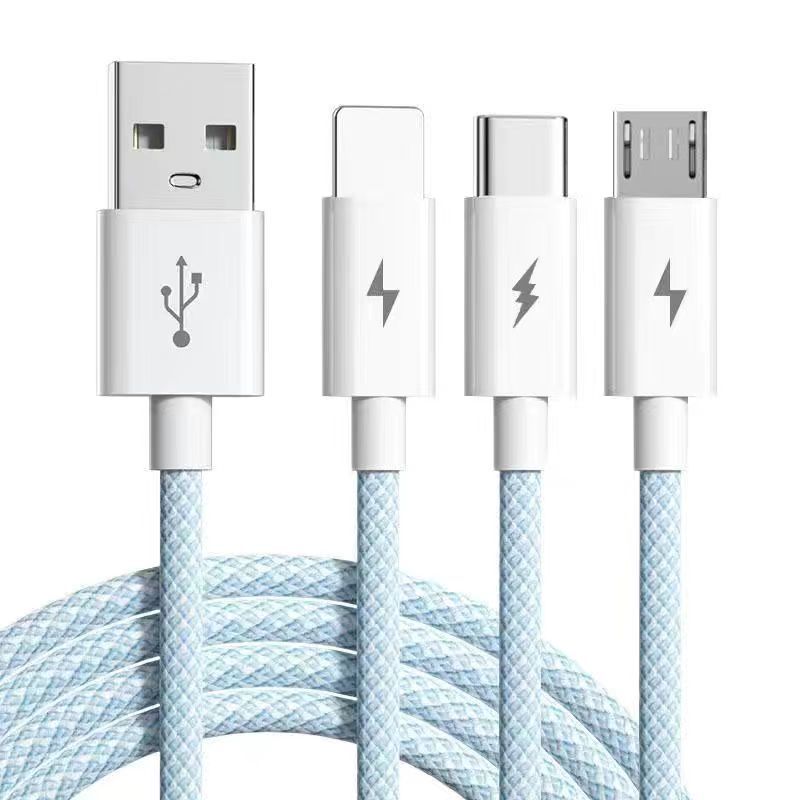
The narrative of human progress is often told through the lens of simplification and universal standards. In the realm of consumer electronics, this story reached a pivotal chapter with the introduction of a single, versatile interface that promised to end the “cable chaos” of the early twenty-first century. For decades, the digital landscape was a cluttered territory of proprietary plugs, varying voltage requirements, and a frustrating assortment of tangled cords that seemed designed more for planned obsolescence than for actual utility. However, the emergence of the usb type-c charging cable has fundamentally altered this trajectory, establishing a sophisticated bridge between diverse ecosystems and creating a truly universal standard for both power and data. This single interface has not only replaced the aging Micro-USB and the proprietary ports of the past but has also set the stage for a future where one cable can manage the demanding energy needs of a high-end workstation while remaining small enough to charge the most delicate wearable devices.
Table of Contents
The Architectural Revolution of Universal Connectivity
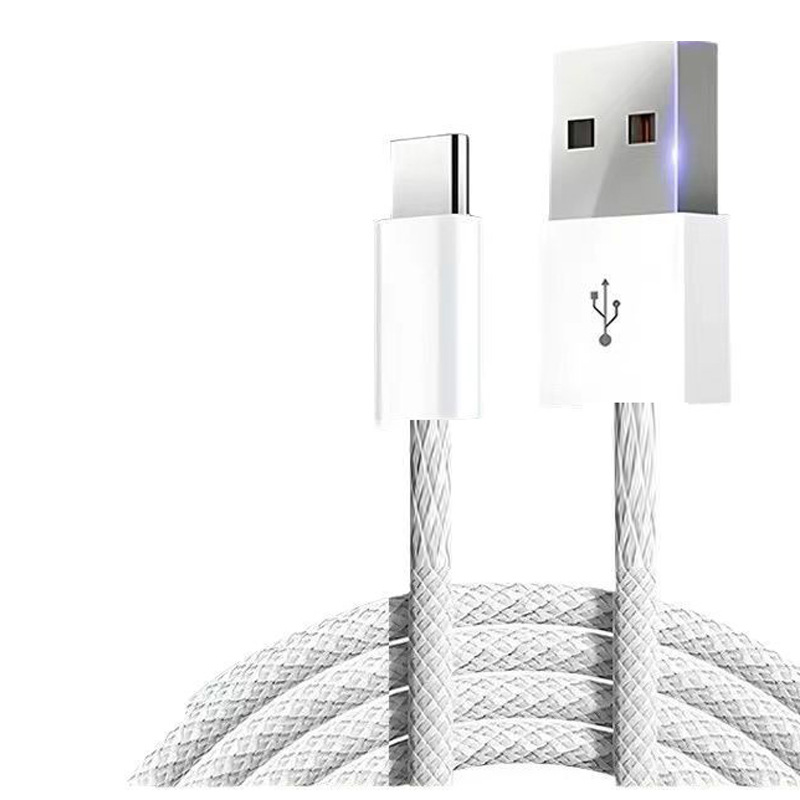
At its core, the usb type-c charging cable is a masterpiece of electrical engineering and industrial design. Unlike its predecessors, which were often criticized for their fragility and unidirectional insertion, the Type-C connector introduces a reversible 24-pin housing. This symmetry is not merely a convenience for the user; it represents a fundamental shift in how hardware communicates. Within that small, oval-shaped connector lies an intricate arrangement of pins dedicated to high-speed data lanes, power delivery, and sideband signals. These pins allow the cable to be incredibly versatile, adapting its function based on the devices it connects, whether it is a simple power bank or a complex external GPU.
The physical construction of the connector is designed to withstand the rigors of daily life. While older USB-A or Micro-USB connectors were prone to bending or breaking after several hundred cycles, the modern usb type-c charging cable is rated for thousands of insertions and extractions. This durability is achieved through a combination of high-strength metal alloys and precise manufacturing tolerances that ensure a snug, secure fit every time. This structural integrity is vital because the cable is no longer just a peripheral; it is the primary lifeline for our most essential professional and personal tools, from the smartphones that manage our schedules to the laptops that power our careers.
The Reversible Design and Internal Pin Configuration
The brilliance of the 24-pin architecture lies in its redundancy and intelligence. When a user plugs in a usb type-c charging cable, the device and the power source immediately engage in a digital handshake. This process is facilitated by the Configuration Channel pins, which detect the orientation of the cable and determine the specific roles each device will play. This eliminates the “Schrödinger’s USB” problem where a user would often have to try three times to plug in a cable correctly. By making the connector reversible, the industry has removed a major point of friction in human-computer interaction, making technology more accessible and less frustrating for everyone.
Furthermore, the internal wiring of a high-quality usb type-c charging cable is far more complex than that of a traditional copper wire. It involves multiple layers of shielding to prevent electromagnetic interference, ensuring that high-speed data transfers remain stable even when high levels of current are flowing through the adjacent power lines. This internal isolation is what allows a single cable to serve as a power source, a video output, and a data transfer tool simultaneously without any degradation in performance. It is this multi-modal capability that makes the cable the foundation of the “single-cable setup” that has become the gold standard for modern, minimalist office environments.
Decoding the Power Delivery Protocol
The most significant leap forward enabled by this standard is the introduction of the Power Delivery protocol. In the early days of computing, USB ports were limited to providing a very small amount of power, barely enough to run a computer mouse or a low-capacity thumb drive. As mobile devices grew more powerful and batteries became larger, the need for faster charging became undeniable. The usb type-c charging cable was designed specifically to handle these higher loads. Through the Power Delivery standard, the cable can negotiate much higher voltages and currents than ever before, moving away from the static 5-volt limit that defined previous generations of USB technology.
This negotiation process is a dynamic, real-time conversation between the charger, the cable, and the device. When you connect a smartphone, the charger recognizes that the device only needs a certain amount of power to avoid overheating the internal battery. However, when that same usb type-c charging cable is connected to a powerful laptop, the charger can ramp up the voltage significantly—up to 20 volts or higher—to meet the heavy energy demands of a professional-grade processor. This intelligence ensures that the user can carry a single charging brick and one cable to power their entire digital arsenal safely and efficiently, reducing the weight of their travel bag and the complexity of their daily routine.
From Trickle Charging to 240W High-Performance Output
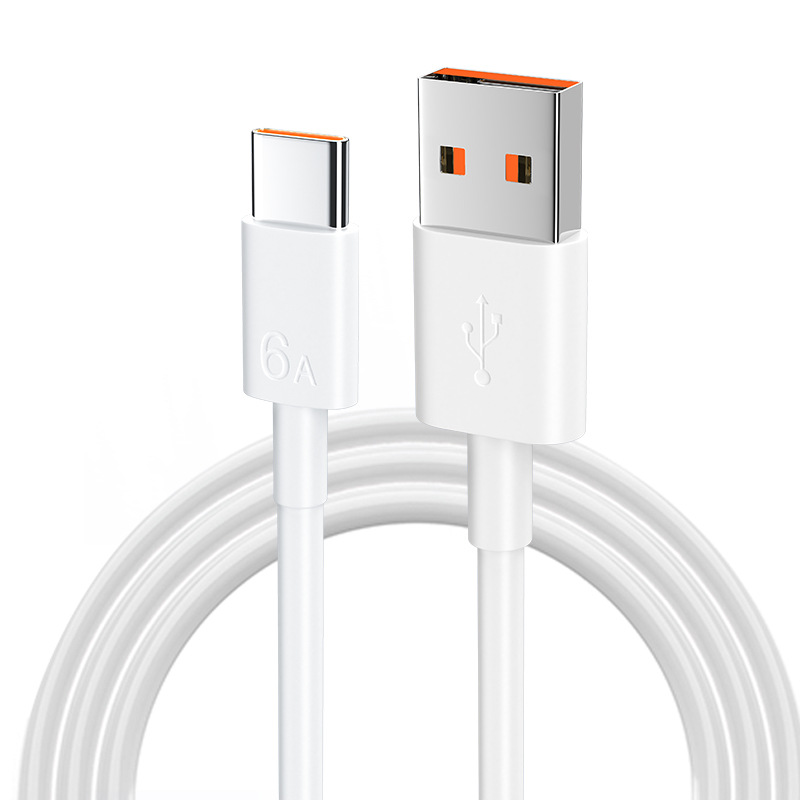
We have recently entered the era of Extended Power Range, which allows the usb type-c charging cable to support up to 240 watts of power. This is a staggering amount of energy for a consumer-grade cable, comparable to what was once only possible through bulky, specialized power adapters for gaming laptops and industrial equipment. By pushing the boundaries of what a standardized cable can handle, the technology has effectively killed the proprietary power brick. This transition allows for a more unified approach to hardware design, where manufacturers no longer need to develop unique charging solutions for every new product they release.
Achieving this 240W threshold required a complete rethink of cable safety and material science. At such high power levels, even a small amount of electrical resistance can lead to significant heat buildup, which could damage the cable or the device. Consequently, high-wattage cables must use thicker copper strands and superior insulation materials to manage the thermal load. The ability to push this much power through such a slim profile is a testament to how far electrical engineering has come. It means that in the very near future, even the most power-hungry creative workstations and high-performance gaming rigs will be able to rely on a standard usb type-c charging cable for their energy needs, further simplifying the workspace for professionals around the world.
High-Speed Data and the Multi-Functional Data Highway
While power is a primary focus for most consumers, the data transfer capabilities of the usb type-c charging cable are equally impressive. Depending on the specific generation of the technology, these cables can move data at speeds that were unthinkable a decade ago. We have moved from the 480 Mbps of the USB 2.0 era to the 10 Gbps, 20 Gbps, and now the 40 Gbps to 80 Gbps speeds of USB4 and Thunderbolt. This massive bandwidth transforms the cable from a simple charging tool into a high-performance data highway that can handle the most intensive digital tasks.
For creative professionals, this means that a single usb type-c charging cable can replace multiple specialized cables. A photographer can transfer thousands of high-resolution RAW images in seconds, or a video editor can work directly off an external SSD with zero latency, even when editing 4K or 8K footage. The bandwidth is so large that the cable can even support Alternate Modes, which allow it to carry non-USB signals such as DisplayPort or HDMI. This is why you can use a Type-C cable to connect a laptop to a high-definition monitor; the cable is essentially “tricking” the hardware into sending a video signal through its universal pins while simultaneously sending power back to charge the laptop.
Thunderbolt 4 and the Future of 80Gbps Throughput
The integration of Thunderbolt technology into the Type-C form factor was a pivotal moment in the history of the standard. Thunderbolt 4 utilizes the usb type-c charging cable to offer a guaranteed minimum performance level, ensuring that users can connect multiple 4K displays or daisy-chain several high-speed devices together without any loss in speed. As we look toward the future, USB4 Version 2.0 and the latest Thunderbolt iterations are pushing these speeds even higher, targeting 80 Gbps and beyond. This is particularly important for the next generation of external storage devices and docking stations that serve as the hub for a professional’s digital life.
This level of performance is critical as our digital content becomes more complex and data-heavy. With the rise of 8K video, high-fidelity virtual reality, and massive datasets for artificial intelligence, the physical link between devices must not become a bottleneck. The ongoing evolution of the usb type-c charging cable ensures that the physical hardware stays ahead of the software demands. It provides a reliable foundation for the next generation of computing, where local and external hardware can communicate with near-instantaneous speeds, making the distinction between internal and external storage almost irrelevant for the end user.
The Vital Role of Intelligence and Safety in Charging
One of the most overlooked aspects of the usb type-c charging cable is the layer of intelligence embedded within the connector itself. Because the cable is capable of carrying so much power, safety is the highest priority for engineers and manufacturers. If a low-quality cable were to attempt to carry 100 watts of power without the proper internal protections, it could easily melt or cause a fire. To prevent this, many high-performance cables are equipped with specialized chips that act as safety controllers, monitoring the electrical environment thousands of times per second.
These chips are responsible for monitoring the temperature and the flow of electricity in real-time. If the system detects any irregularity—such as a sudden surge in voltage or a dangerous increase in heat—it can immediately throttle the power or shut down the connection entirely to protect the user. This level of proactive safety is a massive improvement over older charging technologies, which were essentially “dumb” pipes that would continue to push electricity until something failed physically. The intelligence of the modern usb type-c charging cable provides peace of mind for users who leave their expensive smartphones or laptops plugged in overnight.
E-Marker Chips and the Digital Handshake
The E-Marker, or Electronic Marker chip, is the “brain” of the high-performance cable. Not every usb type-c charging cable has one, but any cable designed to carry more than 60 watts of power or high-speed data is required to include it. This chip stores vital information about the cable’s capabilities, including its maximum current rating, data transmission speed, and manufacturer identity. When you plug the cable into a device, the connected hardware “reads” this chip to understand exactly what the cable can safely handle before any power or data is transmitted.
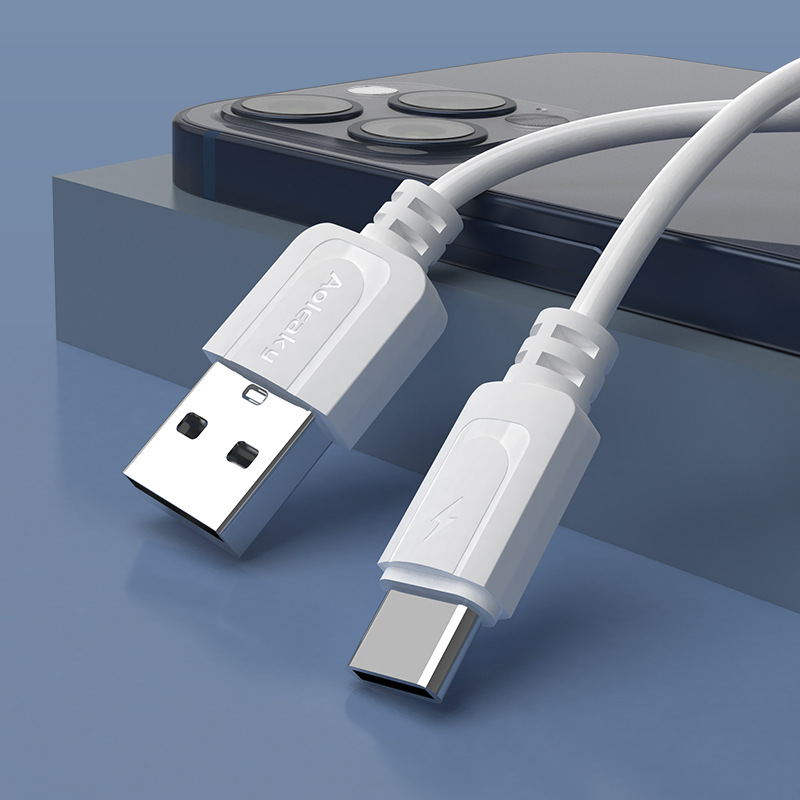
This digital handshake is the reason why your device might show a “slow charging” notification if you use an inferior or damaged cable. The device has communicated with the cable and determined that it is not rated for fast charging, so it limits the power intake to prevent damage. This prevents the user from accidentally damaging their expensive hardware by using an inappropriate accessory. The E-Marker chip is a silent guardian, ensuring that the complex ecosystem of USB-C remains compatible and safe, even as hundreds of different manufacturers produce their own versions of the hardware for a global market.
Material Science and the Quest for the Indestructible Cable
As our reliance on the usb type-c charging cable has grown, so has the demand for physical durability and longevity. In the past, many manufacturers used cheap plastics that would crack, peel, and fray after just a few months of daily use. This led to a massive secondary market for reinforced cables and a general sense of consumer frustration. Today, the industry has embraced advanced material science to create cables that are nearly indestructible. Braided nylon has become a popular choice for the outer jacket because it offers incredible resistance to abrasion and prevents the cable from tangling in a pocket or bag.
Inside the cable, the innovation continues at a microscopic level. High-quality cables often use tinned copper wiring to prevent oxidation and ensure a consistent electrical connection over many years of use. Some premium models even incorporate Aramid fibers—the same high-strength material used in ballistic vests—into the core of the cable to provide structural reinforcement. This allows the usb type-c charging cable to be pulled, twisted, and bent thousands of times without the internal copper strands snapping. This focus on longevity is not just about consumer satisfaction; it is also a vital part of the effort to reduce the frequency with which people have to replace their electronic accessories, leading to a more sustainable consumption model.
Legislative Impact and the Global Standardization Movement
The dominance of the usb type-c charging cable was not achieved through market forces alone; it was also the result of significant legislative action and international cooperation. For years, the European Union pushed for a common charger standard to combat the growing problem of electronic waste. They argued that forcing consumers to buy a new charger every time they switched phone brands was environmentally irresponsible and economically wasteful for the average family. After much debate and resistance from certain industry giants, the EU passed a landmark mandate requiring all small and medium-sized portable electronics to adopt the Type-C port by 2024.
This legislation had a massive ripple effect across the entire world, not just in Europe. Because it is not cost-effective for a multi-national company to manufacture one version of a smartphone for Europe and another for the rest of the world, the EU mandate essentially forced the entire industry to standardize. This was most famously seen when Apple, the last major holdout with its proprietary Lightning port, finally transitioned its flagship iPhone series to the usb type-c charging cable. This move marked the definitive end of the proprietary era and the beginning of a truly unified digital age where a single cable can work for everyone, regardless of their brand preference.
Environmental Sustainability and the War on E-Waste
The environmental implications of a universal usb type-c charging cable are profound and far-reaching. Every year, millions of tons of chargers and cables end up in landfills because they are no longer compatible with modern devices. By creating a standard that is intended to last for decades, we can significantly slow the accumulation of this electronic waste. Consumers no longer need to throw away a perfectly good cable just because they bought a new tablet, camera, or pair of headphones. The cable they used five years ago for their phone can now serve as the power source for their next device.
Furthermore, many manufacturers are now taking sustainability a step further by using recycled materials in the production of their cables. We are seeing the rise of bio-based plastics and recycled copper in the supply chain, as well as a reduction in the use of harmful chemicals during the manufacturing process. The goal is to create a circular economy where the materials used in a usb type-c charging cable can be reclaimed and reused at the end of its life cycle. This commitment to the planet ensures that our technological progress does not come at the expense of our environmental health, making the Type-C standard a win for both the consumer and the earth’s ecosystems.
Specialized Use Cases: From Gaming to Medicine
The versatility of the usb type-c charging cable has allowed it to penetrate industries far beyond consumer mobile phones and laptops. In the world of gaming, the cable provides the low-latency connection required for competitive play while keeping controllers and wireless headsets charged during long sessions. In the medical field, the reliability and high data speeds of Type-C are being used in diagnostic equipment, allowing doctors to transfer high-resolution imaging data from portable sensors to tablets instantly, which can be life-saving in emergency situations.
In the automotive industry, the usb type-c charging cable has become the standard for vehicle infotainment systems and passenger charging ports. It allows for seamless integration of smartphone apps onto car dashboards while providing enough power to charge a device even while it is performing power-intensive tasks like real-time GPS navigation. This ubiquity means that no matter where you are—in your office, your car, or a hospital—the same cable can provide the connectivity and power you need. It has become a fundamental piece of infrastructure, as essential to modern life as the electrical outlet itself, proving that standardization is the ultimate engine of technological utility.
Conclusion
The usb type-c charging cable represents a rare moment of unity in the often fragmented world of global technology. By combining extreme power delivery, blistering data speeds, and a rugged, user-friendly design into a single package, it has solved the problems that plagued the early decades of the digital revolution. It is a tool that serves everyone from the casual smartphone user to the high-end creative professional, providing a reliable link in an increasingly wireless world. As we continue to push the boundaries of what our devices can do, the Type-C standard will evolve alongside us, ensuring that we are always connected, always charged, and always ready for the future. The transition to this universal standard is more than just a convenience; it is a vital step toward a more efficient, sustainable, and powerful technological landscape for all of humanity.
How to purchase:Online B2B sourcing platform, China purchase, Chinese suppliers – LooperBuy
Frequently Asked Questions
1. Will any USB-C cable charge a high-end laptop at full speed?
No, not all cables are capable of high-wattage charging. While the connector will fit, you must use a cable rated for 100W or 240W to charge powerful laptops at their maximum speed.
2. Is it safe to use my phone’s USB-C cable for other devices?
Generally, yes. The usb type-c charging cable uses a negotiation protocol that ensures the charger only provides the amount of power the device can safely handle, preventing overcharging.
3. Why do some USB-C cables not support video to a monitor?
Many basic cables are wired only for charging and slow USB 2.0 data transfer. To output video, you need a “full-featured” cable that supports DisplayPort Alternate Mode or Thunderbolt speeds.
4. What is the benefit of a braided USB-C cable over a plastic one?
Braided nylon cables are significantly more durable and resistant to fraying, tangling, and internal wire breakage, making them a better long-term investment for daily use.
5. Does the length of a USB-C cable affect its charging speed?
In very long cables, there can be a slight drop in voltage due to resistance. However, high-quality, certified cables are engineered to maintain consistent power delivery over standard lengths like 2 or 3 meters.
HOT TAG:USB-C Charging Technology, Universal Connectivity Standards, Power Delivery 3.1, 240W High-Speed Charging, E-Marker Safety Chips, Data Transfer Efficiency, Thunderbolt 4 Integration, EU Common Charger Mandate, Electronic Waste Reduction, Braided Nylon Durability, Reversible Connector Design, Mobile Accessory Guide, Laptop Power Solutions, Professional Data Bandwidth, Hardware Standardization, Sustainable Electronics, Digital Infrastructure, Modern Charging Protocols, USB4 Connectivity.