In the grand tapestry of textile history, few materials command as much reverence as cashmere. Historically dubbed the “Fiber of Kings,” this ultra-soft underdown has long been associated with heavy winter coats and thick, chunky knits designed to combat the most brutal arctic winds. However, a significant shift has occurred in the modern fashion landscape. The traditional perception of cashmere as a strictly cold-weather utility has evolved, giving rise to the lightweight cashmere scarf—a marvel of contemporary spinning and weaving that offers year-round versatility. This accessory represents the intersection of ancient nomadic tradition and cutting-edge textile engineering, providing a level of breathability and ethereal softness that standard wool simply cannot replicate.
The beauty of a lightweight cashmere scarf lies in its paradoxical nature: it is remarkably warm yet surprisingly cool, substantial in its luxury yet nearly weightless on the skin. As wardrobes become more fluid and travel-centric, the demand for “trans-seasonal” pieces has skyrocketed. A fine-gauge cashmere scarf is no longer just a winter necessity; it is a sophisticated styling tool, a shield against aggressive office air conditioning, and a chic companion for breezy summer evenings on the coast. Understanding why this specific iteration of cashmere has become a global staple requires a deep dive into the technical mastery behind its production and the aesthetic nuances that make it so uniquely adaptable.
Table of Contents
The Technical Artistry Behind Weightless Warmth
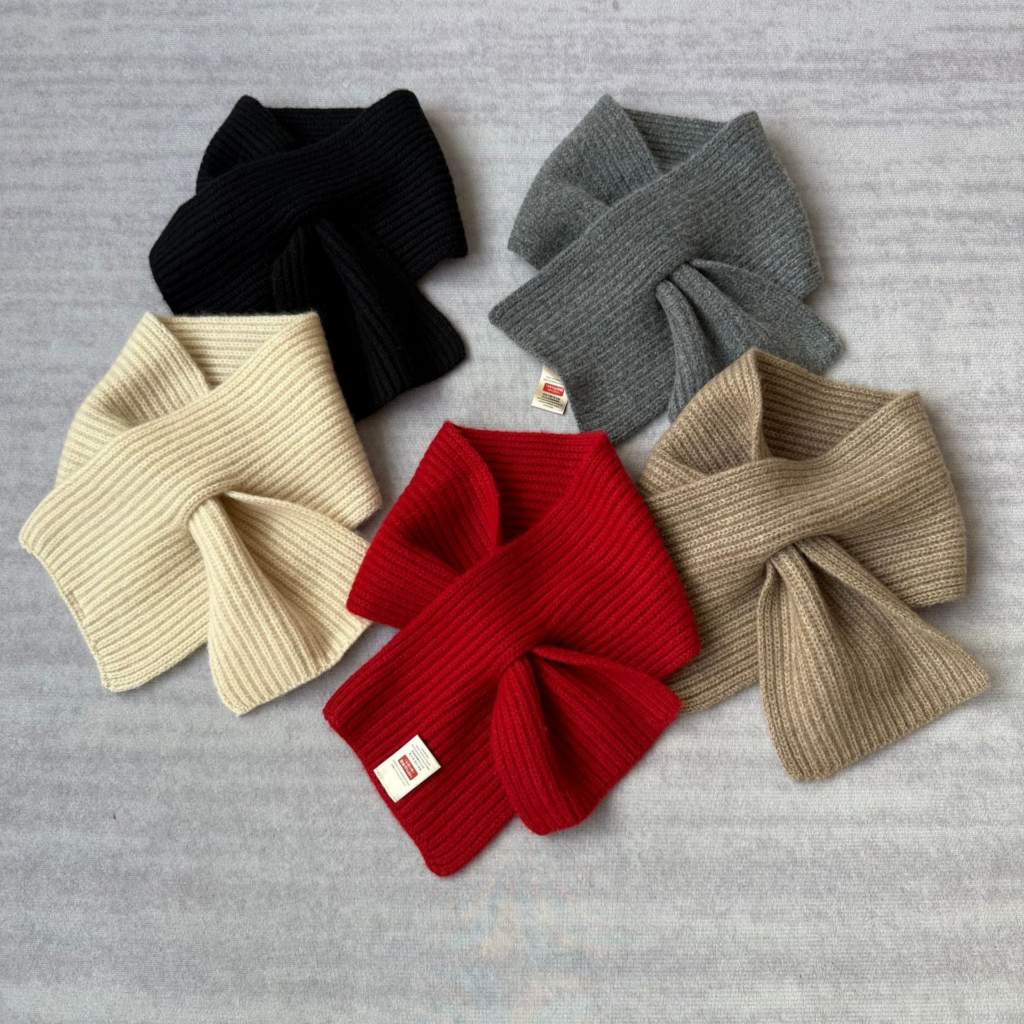
To understand the lightweight cashmere scarf, one must first understand the difference between weight and warmth. In the world of high-end fibers, these two attributes are not always correlated. The warmth of cashmere comes from its high loft—the ability of the fibers to trap tiny pockets of air. Because the individual hairs of the Capra Hircus goat are so fine, typically between 12 and 15 microns, they create a much denser network of air pockets than sheep’s wool. This allows manufacturers to spin incredibly thin yarns that still retain significant thermal properties, leading to the creation of fabrics that feel like a second skin.
The Worsted Spinning Process: Strength in Fineness
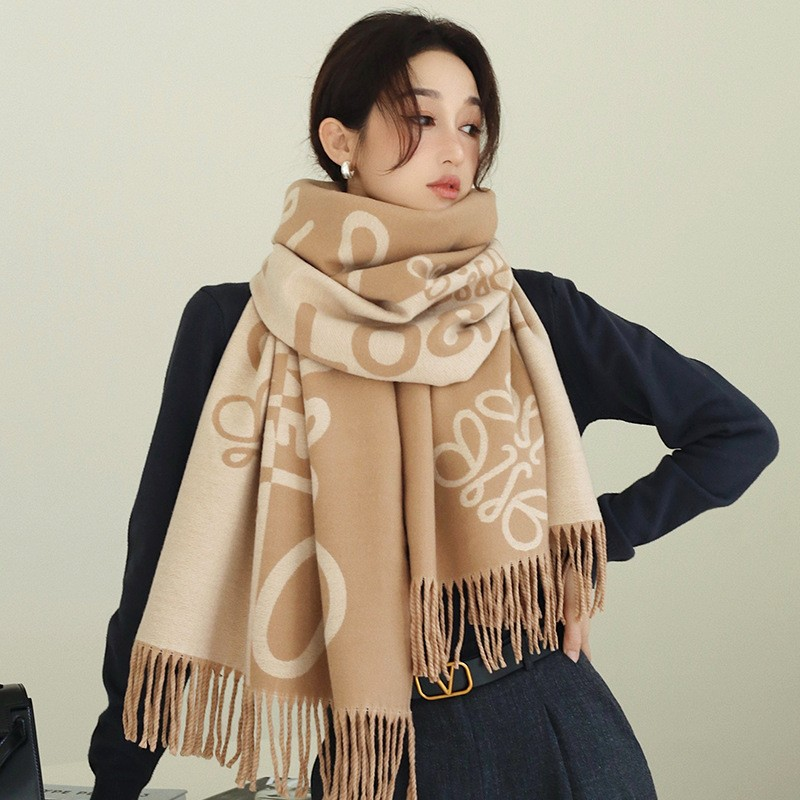
The secret to a truly superior lightweight cashmere scarf often lies in the spinning process. Unlike “woolen” spinning, which results in a fuzzy, voluminous yarn, “worsted” spinning involves combing the fibers to ensure they all lay parallel. This process removes shorter hairs and aligns only the longest, strongest fibers. The result is a smooth, lean yarn that can be woven into extremely fine, translucent fabrics. This worsted technique is what allows for a “ring cashmere” scarf—a garment so delicate and fine that the entire piece can be pulled through a wedding ring. Despite its delicate appearance, worsted cashmere is remarkably resilient, offering a crisp drape that resists pilling and maintains its shape over years of use.
Weave Structures: From Gauze to Diamond Patterns
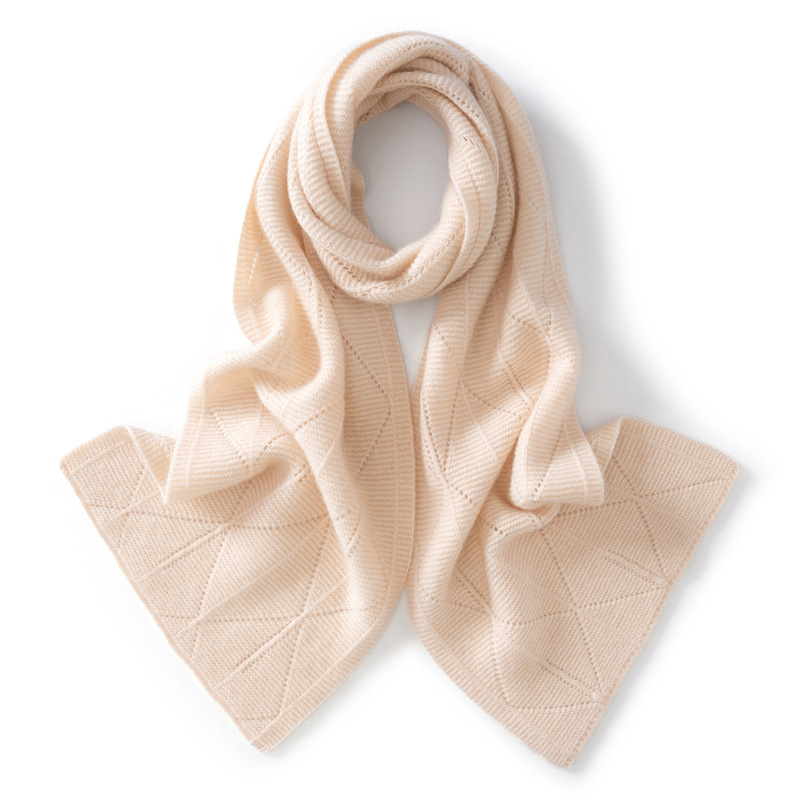
The texture and “breathability” of a lightweight scarf are determined by the loom. For transitional weather, many artisans utilize a “gauze” or “open” weave. In this structure, the warp and weft threads are spaced slightly further apart, allowing air to circulate freely through the fabric. This prevents the wearer from overheating while still providing a protective barrier against a chill. Another popular choice is the “diamond weave,” a traditional Himalayan technique that adds a subtle geometric depth to the fabric. This weave not only enhances the visual interest of the scarf but also adds a slight structural integrity, ensuring that the lightweight material doesn’t feel flimsy or fragile.
The Versatility of Year-Round Luxury
The true value of a lightweight cashmere scarf is measured by its “cost-per-wear.” While a heavy winter scarf may sit in storage for eight months of the year, its lightweight counterpart is almost never out of rotation. Its ability to adapt to different environments makes it perhaps the most hardworking accessory in a curated wardrobe. From the professional sphere to leisure travel, the applications are nearly endless.
The Ultimate Travel Companion
For the frequent flyer, a lightweight cashmere scarf is an absolute essential. Airplane cabins are notorious for their unpredictable and often frigid temperatures. A large, fine-knit cashmere wrap provides the perfect solution; it is large enough to serve as a shoulder wrap or a small blanket during a long-haul flight, yet it can be folded down into a compact size that fits easily into a carry-on or even a coat pocket. Unlike synthetic fleece or heavy wool, cashmere is naturally hypoallergenic and odor-resistant, meaning it stays fresh even after hours of travel. It is the literal embodiment of “portable comfort,” allowing the wearer to arrive at their destination feeling pampered rather than haggard.
Transitioning Through the Seasons: Spring and Summer Utility
During the spring thaw, a bulky scarf feels oppressive, yet the morning air is often too sharp for no protection at all. Here, the lightweight cashmere scarf acts as a thermal regulator. It provides just enough insulation to take the edge off a cool breeze without causing the wearer to break a sweat as the sun climbs higher. In the summer, the scarf finds a different purpose. It becomes the “emergency layer” for indoor environments where the air conditioning is set to extremes. Whether in a cinema, a restaurant, or a high-rise office, having a gossamer-thin cashmere layer can make the difference between comfort and shivering. Stylistically, a brightly colored lightweight scarf can also breathe life into a simple white linen shirt or a casual summer dress, proving that luxury can be playful.
Aesthetic Considerations: Color, Pattern, and Drape
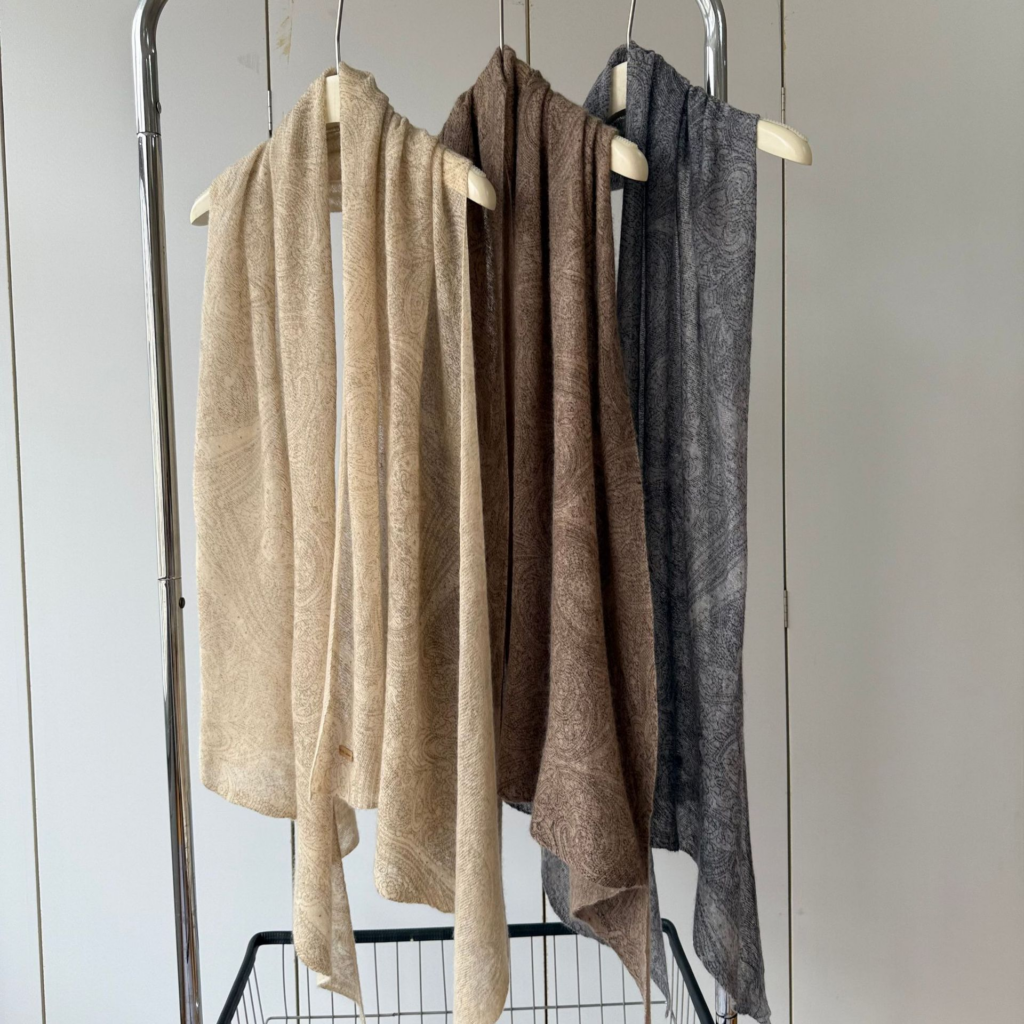
Beyond its physical properties, the lightweight cashmere scarf is a masterclass in aesthetic expression. Because the fabric is so thin, it takes on a different relationship with light than heavier knits. Many lightweight scarves have a semi-translucent quality, which gives colors a soft, luminous glow. This makes them particularly effective for “tonal dressing”—the art of wearing different shades of the same color to create a sophisticated, multi-layered look.
The Interaction of Light and Fine Fiber
The way a lightweight cashmere scarf catches the light is one of its most alluring features. Because the fibers are so smooth, especially in worsted varieties, they possess a natural luster. This is not the garish shine of synthetic materials but a subtle, healthy “inner glow” that signifies high-quality natural protein fibers. When the scarf is draped or knotted, the folds create shadows and highlights that add a three-dimensional quality to the outfit. This is why neutral tones like sand, dove grey, and cream are so popular in lightweight cashmere; the fabric itself provides the visual interest, allowing the colors to remain understated and elegant.
Modern Knotting and Styling Techniques
The reduced bulk of a lightweight cashmere scarf opens up a world of styling possibilities that are impossible with thicker winter versions. One can experiment with more intricate knots, such as the “ascot” or the “fake knot,” without creating a mountain of fabric under the chin. For a more relaxed, bohemian look, a large lightweight wrap can be draped asymmetrically over one shoulder and secured with a belt at the waist, transforming the scarf into a makeshift vest or shrug. This versatility allows the wearer to move from a formal business meeting to a casual dinner without needing to change their entire ensemble, simply by re-adjusting the drape of their scarf.
Longevity and the Ritual of Care
A common misconception is that “lightweight” means “disposable.” On the contrary, a high-quality lightweight cashmere scarf can last a lifetime if treated with the respect it deserves. Because the fibers are so fine, they do require a more mindful approach to maintenance, but this ritual of care is part of the pleasure of owning a luxury item.
Washing and Drying the Delicate Fold
Hand washing is almost always the preferred method for maintaining the integrity of fine cashmere. Using a gentle, pH-neutral wool wash in cool water prevents the fibers from “felting” or shrinking. The key is to avoid any mechanical stress; one should never wring or scrub the fabric. Instead, a gentle “squeezing” motion is used to move the soapy water through the weave. When it comes to drying, the scarf should be laid flat on a clean, dry towel and reshaped to its original dimensions. This prevents the weight of the water from stretching the fine weave out of shape. Over time, this gentle washing actually helps to “bloom” the fibers, making the scarf even softer than it was on the day it was purchased.
Protecting Your Investment from the Elements
Because lightweight cashmere is often worn in more “active” or social settings than heavy winter gear, it is more exposed to potential hazards like jewelry snags or perfume stains. It is wise to apply perfume or hairspray before putting on the scarf to avoid chemical damage to the natural fibers. When not in use, the scarf should be stored folded rather than hung, as hanging can cause the fine weave to elongate over time. Using breathable cotton bags for storage protects the material from dust and moths while allowing the natural fibers to “breathe,” ensuring that when you pull the scarf out for its next adventure, it is as pristine as the first time you wore it.
The Ethical and Environmental Context of Fine Cashmere
In today’s market, luxury is increasingly defined by transparency and responsibility. The production of the finest lightweight cashmere is inextricably linked to the health of the Mongolian grasslands and the welfare of the herding communities. As consumers, choosing a lightweight cashmere scarf is also a choice to support a specific ecosystem.
Sustainable Herding and Grassland Preservation
The surge in global demand for cashmere has put pressure on the traditional grazing lands of Central Asia. High-quality brands are now focusing on “regenerative” practices, ensuring that the goat populations do not exceed the carrying capacity of the land. By choosing scarves from reputable sources that prioritize sustainable fiber collection, consumers help ensure that this ancient craft can continue for generations to come. The most luxurious cashmere is that which is produced in harmony with nature, where the goats are well-treated and the herders are paid a fair wage for their specialized labor.
The Value of Craftsmanship over Fast Fashion
The lightweight cashmere scarf is the antithesis of fast fashion. It is an item built on patience—the time it takes for a goat to grow its coat, the time it takes to hand-comb the fibers, and the slow, rhythmic pace of the loom. By investing in one high-quality piece rather than five synthetic alternatives, the consumer reduces their environmental footprint while surrounding themselves with superior quality. This “buy less, buy better” philosophy is at the heart of the modern luxury movement, and the lightweight cashmere scarf is its most versatile ambassador.
In conclusion, the lightweight cashmere scarf is a testament to the enduring appeal of natural fibers and the ingenuity of human craftsmanship. It defies the limitations of seasonality, offering a blend of comfort, elegance, and practicality that is unmatched by any other accessory. Whether it is shielding you from a drafty office, providing comfort during a transatlantic flight, or adding a touch of sophistication to a summer evening outfit, it remains a steadfast companion. By understanding the science of its warmth, the artistry of its weave, and the necessity of its care, one can truly appreciate why this weightless wonder is considered the pinnacle of textile luxury.
How to purchase:Online B2B sourcing platform, China purchase, Chinese suppliers – LooperBuy
Article Abstract:
This article explores the evolution and technical mastery of the lightweight cashmere scarf, detailing its worsted spinning process and open-weave structures. It highlights the accessory’s year-round versatility, from air-travel essential to summer styling tool, while providing comprehensive advice on maintenance and ethical sourcing for the modern luxury consumer.
Related Questions & Answers
· How is “lightweight” cashmere actually produced?
Lightweight cashmere is produced using “worsted” spinning, where the longest fibers are combed and spun into very fine, high-tension yarns. These yarns are then woven into open or gauze-like structures that allow for breathability while maintaining the natural thermal insulation of the cashmere fiber.
· Can I wear a lightweight cashmere scarf in hot weather?
Yes, cashmere is a natural thermoregulator. In hot weather, a very fine, lightweight scarf can help wick moisture away from the skin and provide a breathable layer that protects against the sun or harsh indoor air conditioning without causing the wearer to overheat.
· Why is a lightweight cashmere scarf often more expensive than a thicker one?
The price is often higher because the “worsted” process required to make fine yarn is more labor-intensive and requires longer, higher-quality raw fibers. Additionally, weaving a very fine, translucent fabric requires more precision and slower loom speeds to prevent the delicate threads from breaking.
· Does a lightweight scarf pill more easily than a thick one?
Actually, worsted lightweight cashmere often pills less than woolen-spun chunky cashmere. This is because the long fibers are more tightly twisted and aligned, making it harder for individual fibers to work loose and form pills. However, its delicate nature means it should be protected from rough textures like velcro or sharp jewelry.
· How should I store my lightweight cashmere scarf during the winter?
Even though it is “lightweight,” it should be stored like any other fine cashmere. Clean it thoroughly before storage, fold it neatly (do not hang), and place it in a breathable cotton bag with cedar or lavender to deter moths and prevent moisture buildup.
Elevate your transitional wardrobe and experience the ethereal comfort of master-crafted fibers by browsing our exquisite collection of lightweight cashmere scarves at https://looperbuy.com/.
Hot Tags:
Lightweight Cashmere Scarf; Summer Cashmere; Worsted Cashmere; Travel Wrap; Trans-Seasonal Fashion; Luxury Accessories; Fine Gauge Knitwear; Ring Cashmere; Gauze Weave Scarf; Breathable Luxury; Year-Round Cashmere; Sustainable Fashion; Ethical Cashmere; Men’s Lightweight Scarves; Women’s Cashmere Wraps; Himalayan Craftsmanship; Mongolian Cashmere; Gift Ideas For Travelers; Office Style Essentials; Premium Natural Fibers; Hypoallergenic Scarves; Cashmere Care Tips; High-End Textiles; Capsule Wardrobe Staples; Elegant Draping; Minimalist Fashion; Luxury Gift Guide; Artisanal Weaving; Softest Scarves; Fashion Investment Pieces