Table of Contents
Introduction to Drop Shipping in E-Commerce
Drop shipping has emerged as a revolutionary business model in the e-commerce landscape, allowing entrepreneurs to sell products without the need to maintain inventory. This model has gained traction due to its low startup costs and the flexibility it offers to business owners. As e-commerce continues to evolve, understanding the dynamics of drop shipping becomes essential for anyone looking to succeed in the online retail space.

What is Drop Shipping?
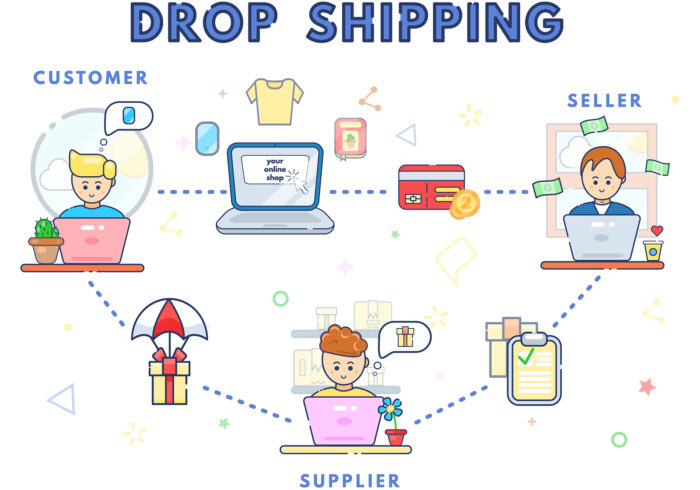
Drop shipping is a retail fulfillment method where a store does not keep the products it sells in stock. Instead, when a store sells a product, it purchases the item from a third party and has it shipped directly to the customer. This means that the seller does not handle the product directly, which significantly reduces overhead costs and risks associated with inventory management.
The Rise of E-Commerce
The e-commerce industry has seen exponential growth over the past decade, driven by advancements in technology and changing consumer behaviors. With the rise of online shopping, businesses are increasingly adopting drop shipping as a viable strategy to meet customer demands without the burden of inventory management.
Advantages of Drop Shipping in E-Commerce
Low Startup Costs
One of the most significant advantages of drop shipping is the low barrier to entry. Entrepreneurs can start an online store without investing heavily in inventory. This makes it an attractive option for those looking to enter the e-commerce space with limited funds.
Flexibility and Scalability
Drop shipping allows for flexibility in terms of product offerings. Retailers can easily add or remove products from their store without worrying about unsold inventory. As the business grows, scaling up operations is relatively straightforward since the retailer does not need to manage physical stock.
Wide Product Selection
With drop shipping, retailers can offer a vast array of products without the need to purchase them upfront. This enables them to cater to diverse customer preferences and trends, enhancing their competitive edge.
Location Independence
Since drop shipping is primarily an online business model, entrepreneurs can operate from anywhere with an internet connection. This location independence allows for a better work-life balance and the opportunity to travel while managing the business.
Challenges of Drop Shipping in E-Commerce
Lower Profit Margins
While drop shipping offers many advantages, it often comes with lower profit margins compared to traditional retail models. Retailers must carefully price their products to remain competitive while covering costs associated with shipping and supplier fees.
Inventory Management Issues
Since retailers do not hold inventory, they rely on suppliers to maintain stock levels. This can lead to challenges if a supplier runs out of stock or discontinues a product, potentially resulting in lost sales and dissatisfied customers.
Shipping Complexities
Shipping can be complicated in drop shipping, especially when working with multiple suppliers. Different suppliers may have varying shipping times and costs, making it challenging to provide consistent delivery experiences for customers.
Customer Service Challenges
As the retailer does not handle the products directly, any issues with shipping, product quality, or returns must be managed through the supplier. This can complicate customer service and lead to potential dissatisfaction if not handled effectively.
Best Practices for Successful Drop Shipping
Research Your Market
Conduct thorough market research to identify profitable niches and understand customer preferences. Use tools like Google Trends, social media insights, and competitor analysis to inform your product selection.
Choose Reliable Suppliers
Partnering with trustworthy suppliers is crucial for maintaining product quality and ensuring timely shipping. Look for suppliers with positive reviews, reliable communication, and a proven track record.
Optimize Your Online Store
Invest time in creating a user-friendly online store. Ensure that your website is visually appealing, easy to navigate, and optimized for mobile devices. High-quality product images and detailed descriptions can significantly enhance the shopping experience.
Focus on Marketing
Effective marketing strategies are essential for driving traffic to your online store. Utilize social media marketing, search engine optimization (SEO), and email marketing to reach your target audience and convert visitors into customers.
Provide Excellent Customer Service
Prioritize customer service to build trust and loyalty. Respond promptly to inquiries, address concerns, and handle returns efficiently. A positive customer experience can lead to repeat business and referrals.
Advanced Strategies for Drop Shipping Success
Automating Your Business
Automation can significantly enhance the efficiency of your drop shipping business. Tools like Oberlo and Spocket can help automate order processing, inventory management, and even customer communication. By automating repetitive tasks, you can focus on scaling your business and improving customer relationships.
Leveraging Data Analytics
Utilizing data analytics can provide insights into customer behavior, sales trends, and inventory management. By analyzing this data, you can make informed decisions about product offerings, marketing strategies, and pricing. Tools like Google Analytics and Shopify Analytics can help you track key performance indicators (KPIs) and optimize your business operations.
Building a Brand
While many drop shippers rely on generic products, building a unique brand can set you apart from the competition. Focus on creating a strong brand identity, including a memorable logo, consistent messaging, and a cohesive aesthetic across your online store and marketing materials. A strong brand can foster customer loyalty and encourage repeat purchases.
Exploring Multiple Sales Channels
Expanding your sales channels can increase your reach and revenue. Consider selling on multiple platforms, such as Amazon, eBay, or Etsy, in addition to your online store. Each platform has its own audience and can help you tap into new customer segments.
Staying Updated on Industry Trends
The e-commerce landscape is constantly evolving, and staying informed about industry trends is crucial for success. Follow industry blogs, attend webinars, and participate in online forums to keep up with the latest developments in drop shipping and e-commerce. This knowledge can help you adapt your strategies and stay competitive.
Conclusion
Drop shipping in e-commerce presents a unique opportunity for aspiring entrepreneurs to enter the online retail market with minimal investment. While it comes with its challenges, understanding the intricacies of the business model and implementing best practices can lead to a successful venture. By focusing on market research, supplier relationships, and customer service, retailers can navigate the complexities of drop shipping and build a thriving online business. Additionally, leveraging automation, data analytics, and brand building can further enhance the potential for success in this dynamic industry.
As you explore the exciting world of drop shipping in e-commerce, don’t miss the opportunity to discover unique products at unbeatable prices—check out https://looperbuy.com/ today!
Related Questions & Answers
· What are the key performance indicators (KPIs) to track for a drop shipping business? Key performance indicators for a drop shipping business include sales revenue, profit margins, customer acquisition cost, return on investment (ROI), and customer satisfaction scores.
· How can I effectively manage customer service in a drop shipping business? To manage customer service effectively, establish clear communication channels, respond promptly to inquiries, and create a comprehensive FAQ section on your website to address common concerns.
· What are the best platforms for finding reliable drop shipping suppliers? Some of the best platforms for finding reliable drop shipping suppliers include AliExpress, Oberlo, Spocket, and SaleHoo, which offer a wide range of products and supplier options.
· How can I automate processes in my drop shipping business to improve efficiency? You can automate processes by using tools like Oberlo for order fulfillment, email marketing software for customer communication, and inventory management systems to track stock levels.
· What are some emerging trends in drop shipping that I should be aware of? Emerging trends in drop shipping include the rise of sustainable products, the use of artificial intelligence for personalized marketing, and the increasing importance of social media influencers in driving sales.
Hot Tags: Drop Shipping; E-Commerce; Online Retail; Business Model; Supply Chain; Inventory Management; Market Research; Customer Service; Digital Marketing